Foreword
I would like to pay a personal tribute here to Godfried Van Kerckhoven, whom many, myself included, have missed for a long time now.
Godfried was one of my “best” friends, ever since our student days, which brought us together in the famous ‘de Spoelbergh’ building, between our (the university’s) Naamsestraat and their (the students’) Oude Markt.
Those who knew him called him “Frie” (dropping ‘God’ was not meant as any statement of substance, certainly not by me, and certainly not by … him). And he had many acquaintances, in his family and among his many friends.
His professional ambition was the notariat, and he built it up successfully for some 40 years, from 1959 to 1998 (more than forty thousand deeds!) in Aarschot, as the youngest notary in Belgium and the first Dutch-speaking notary of the Leuven district.
We knew him, and we will go on remembering him, as a gentle man, modest, wise, sociable, respectful and humane towards everyone, not only towards his clients. He was a shrewd mediator, to the benefit of all. In this way he put out many family and other fires, and in his wide region he was called upon intensively for functions and assignments in many associations and community initiatives. He was an outspoken group person with a generous heart. He had good relations with his colleagues in the Leuven area and a good way beyond. He was a family notary through and through, who gave good advice patiently, shrewdly yet with propriety, and skilfully guided people through difficult arrangements and proceedings.
And he devoted himself to his family, was proud of his children and grandchildren, who did and still do well. His lovely Mia, whom he married in ’62, supported him devotedly to his last day.
Roger Baron Dillemans, Honorary Rector of the Katholieke Universiteit Leuven
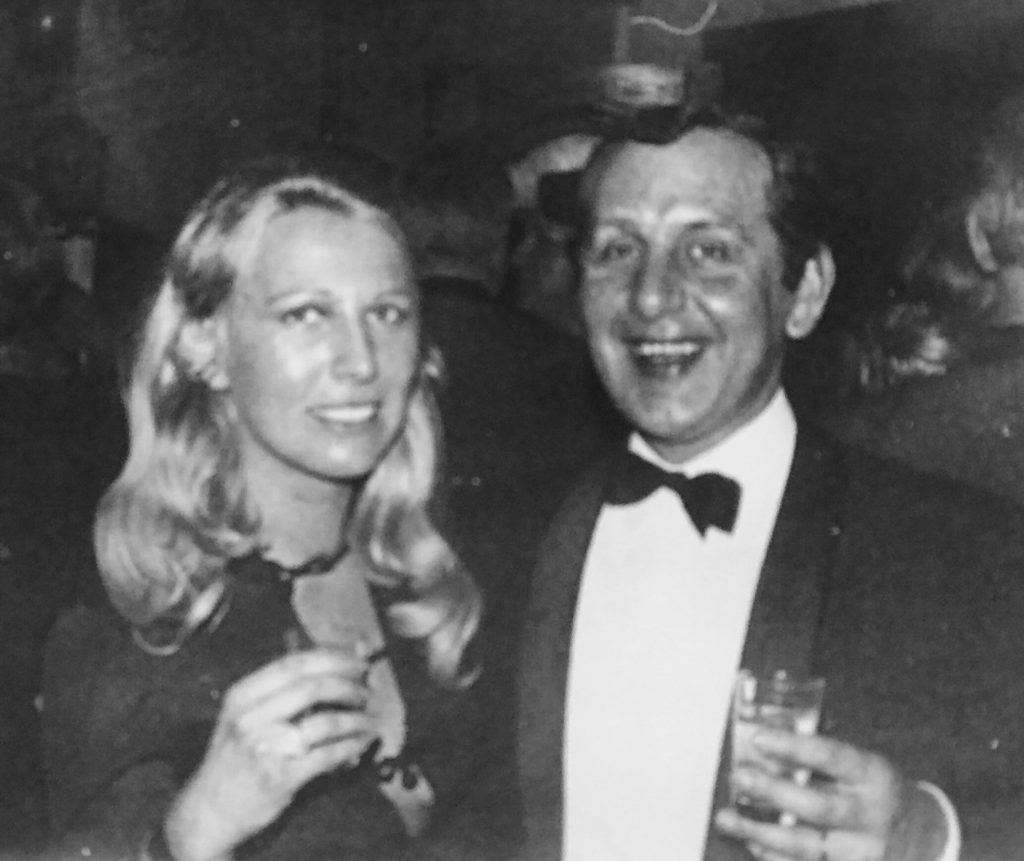
Mia Van Kerckhoven Jamar and Professor Roger Dillemans (Aarschot, 1972)
Contents
Foreword
II. Grandparents.
III. From Christ to God.
IV. Martyr of Aarschot.
V. Parents.
VI. Brother Paul.
VII. Paul’s marriage and family.
VIII. Brother Jos.
IX. Jos’s marriage and family.
XI. Husbands are so time-consuming.
XII. Canon Professor Van Buggenhout.
XIII. Studies.
XIV. Pro Rege.
XV. Functions.
XVI. Notary.
XVII. Marriage.
XVIII. Frie and Mia had three children.
XIX. Steenheuvels.
XX. Anna and Marcel.
XXI. Lions Club Aarschot.
XXII. Champtercier.
XXIII. The Word of God.
I. INTRODUCTION.
On Thursday 14 August 1930, Frie is born in the parental home. The evening before, his mother had given the shop windows a new look with the newest fabrics, to let shoppers heading for the weekly market daydream.
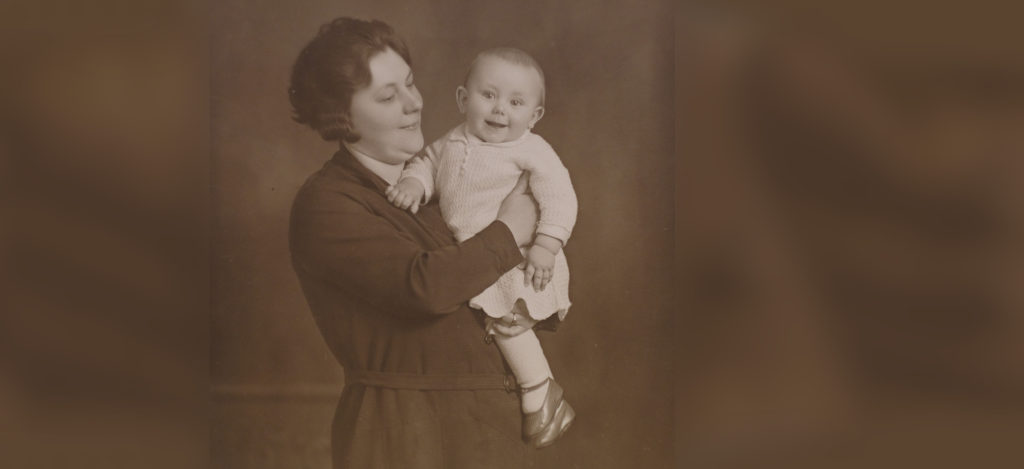
Clementina Van Kerckhoven Van Dyck with Aimé Godfried.
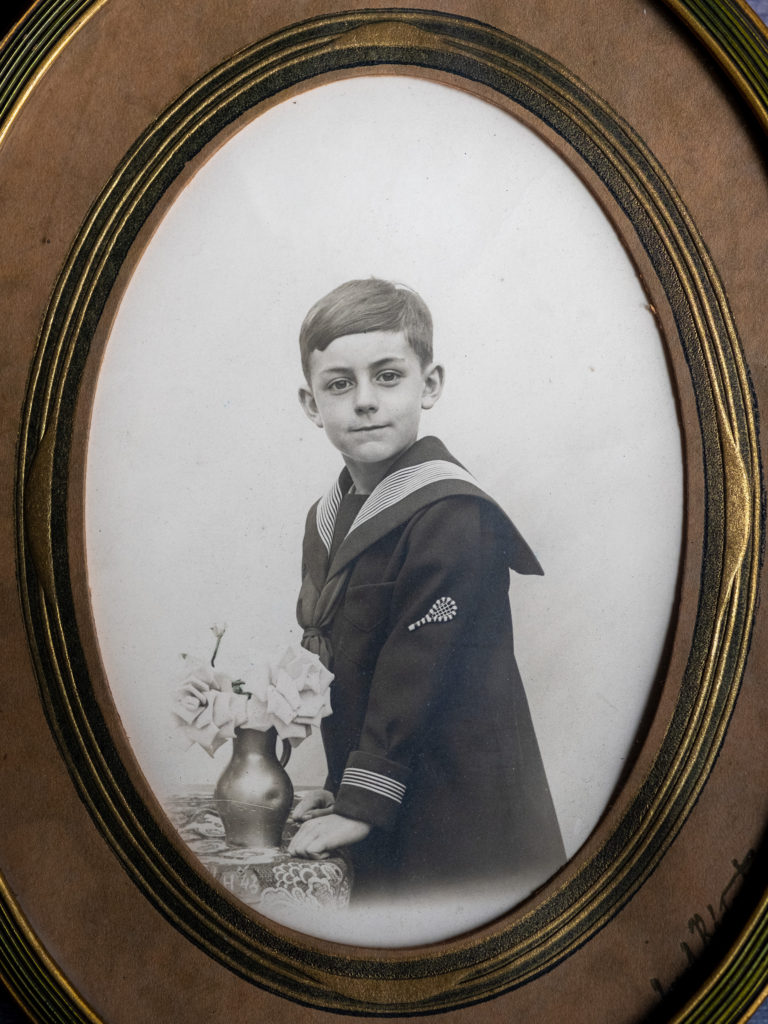
Clementina cannot accept the death of her three-year-old son Godfried and decides to give her newest baby the same name. The second Godfried is dedicated to Mother Mary. His parents make the promise that they will dress him in white and blue until his first communion, as a plea for Mary’s grace to keep the child.
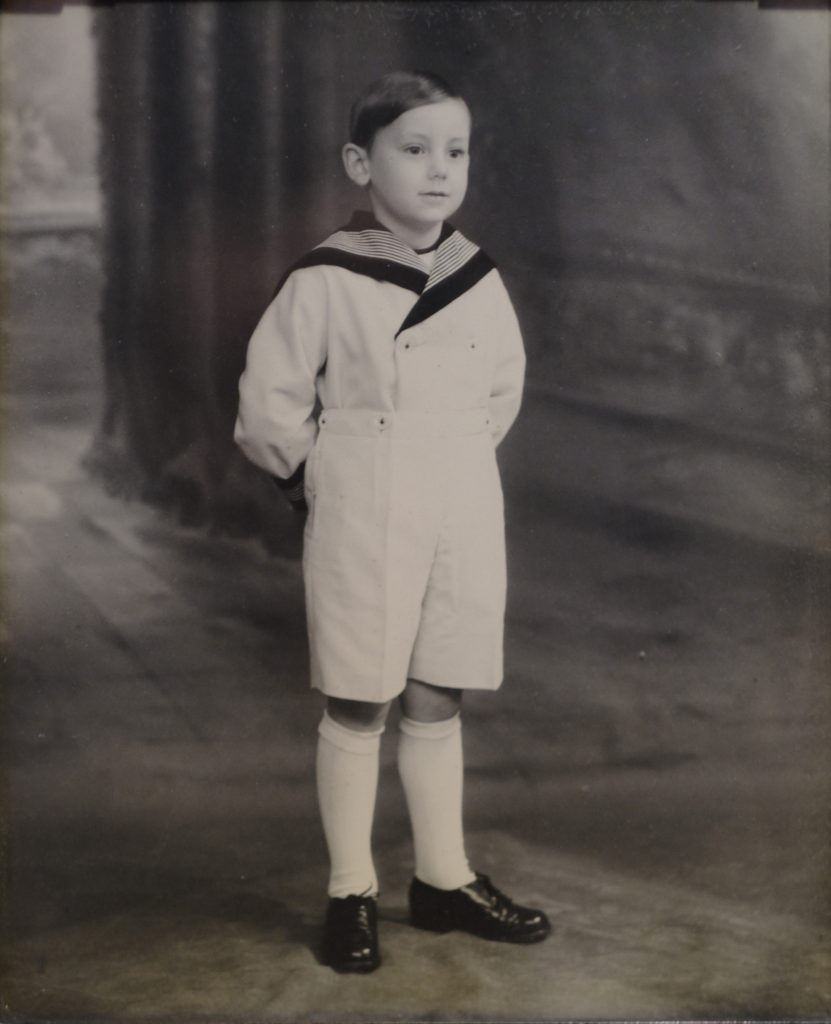
Aimé Godfried dressed in white and blue until his first communion.
II. GRANDPARENTS.
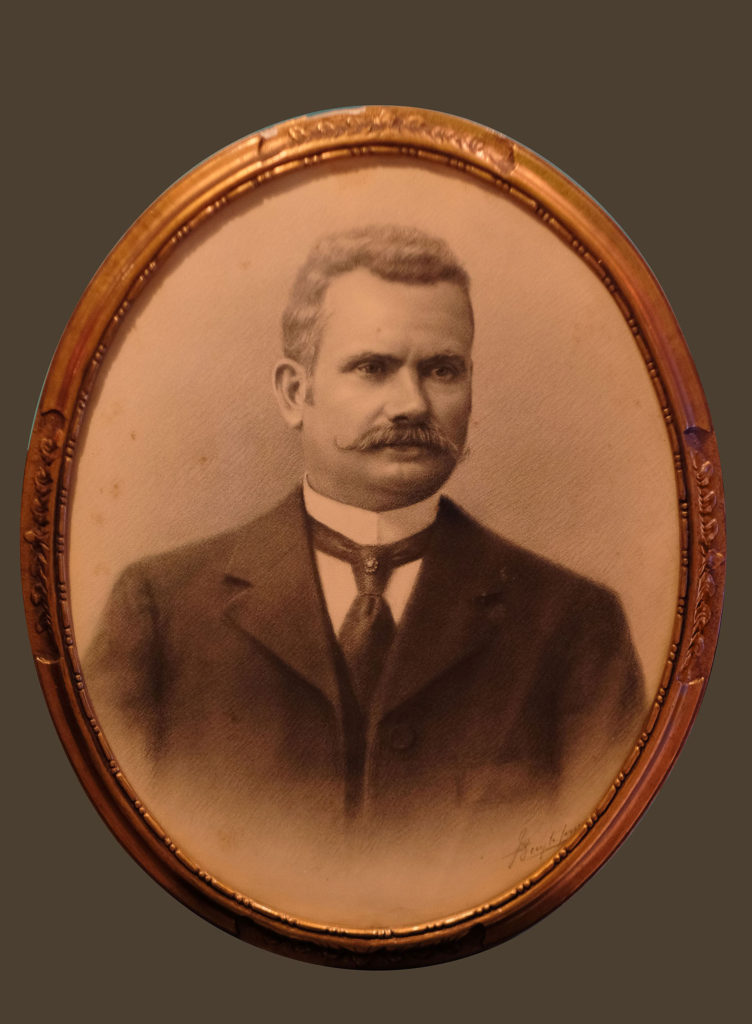
Herman Van Kerckhoven (1853-1936) – Godfried’s grandfather.
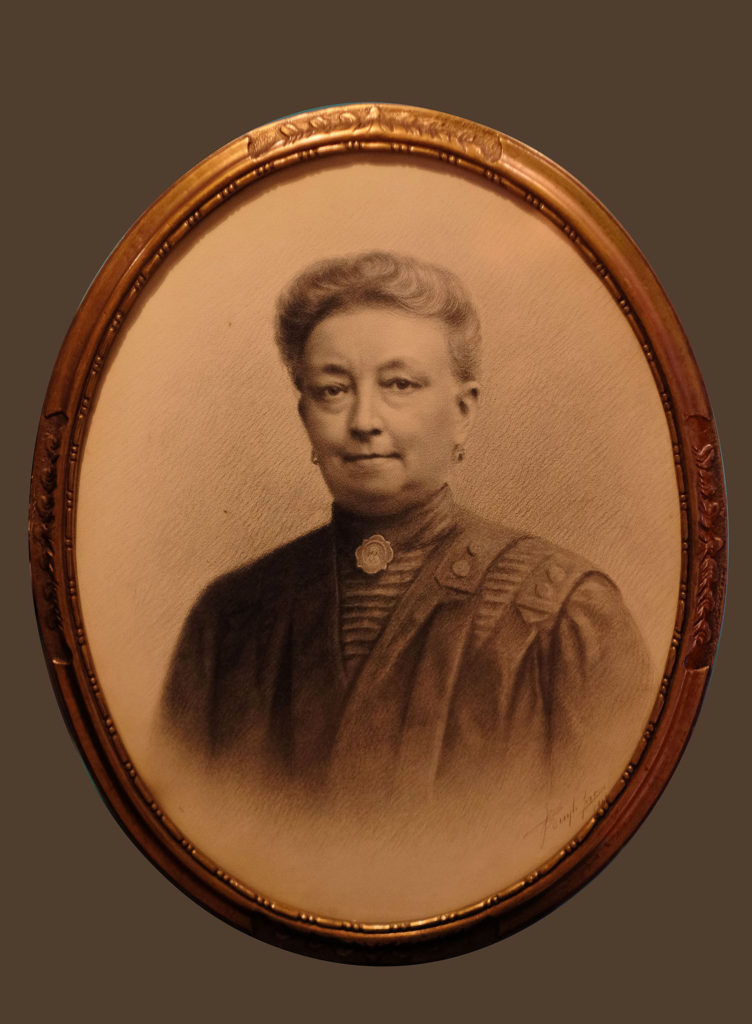
Josephina Van Kerckhoven Vermaelen (1857-1918) – Godfried’s grandmother.
Josephina bears Herman thirteen children, nine of whom reach adulthood: Sylvie (1878-1949), Clara (….-1951), Maria (….-….), Margaretha (1890-1960), Richard (….-….), Arthur (1892-1958), Bertha (1894-1963), Josephine (1899-1978), Elvire (1900-….) …
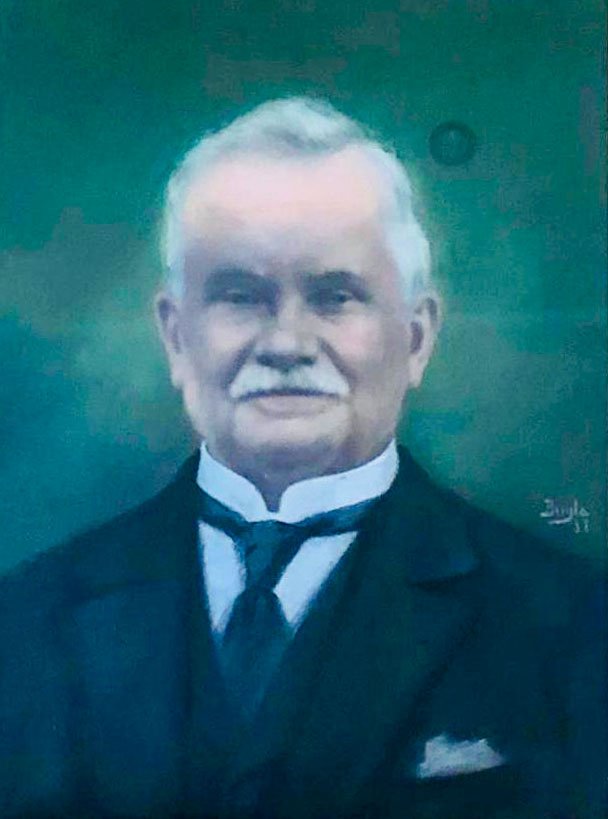
Herman Van Kerckhoven (1853-1936) – Godfried’s grandfather.
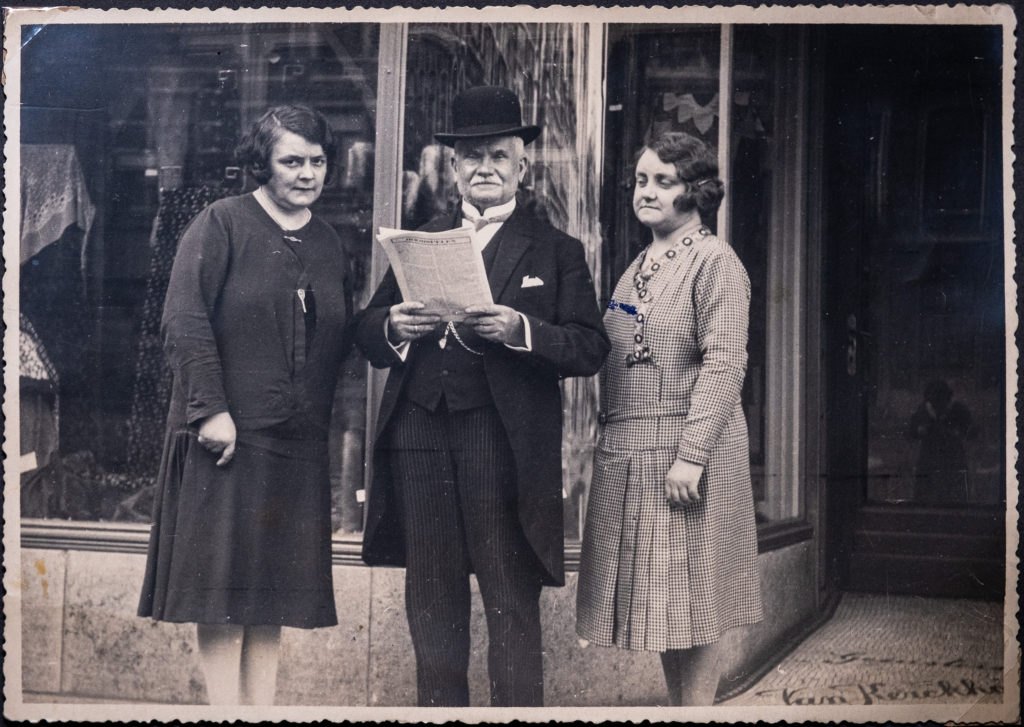
Herman Van Kerckhoven and his daughters Margaretha and Bertha.
Note the mosaic floor and the hand-split marble blocks bearing the inscription “Gezusters Van Kerckhoven”. On the ceiling the Aarschot painter Jacques Vanden Seylbergh (1884-1960) had painted a fresco.
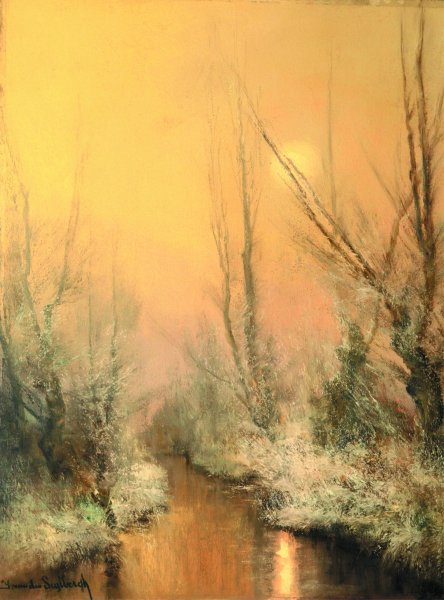
DE MOTTE, oil on canvas, 80x90cm – Jacques Vanden Seylbergh (1884-1960). Yellow is Frie’s favourite colour. Yellow stands for wisdom, protection, learning, self-confidence, study, communication and the mind.
Herman sets up a shoe and boot making business. He employs twelve people. Work is also done for him at home. “maître chaussurier & bottier” is engraved on a brass nameplate on the front of Leuvensestraat 5. You can not only have shoes repaired there, they are also made there. Officers ask Herman for military footwear. “His leadership transformed the Van Kerckhoven family. He was a man of progress. The directions he gave the family still guide our steps today.” – Pieter
Herman’s leadership, which “transforms” the family, is overshadowed by a scandal after the grief over the death of Josephina at the age of 60 in 1918. The Van Kerckhoven family stiffens after the patriarch has an affair with Maria Nijs, with whom he has another daughter. In the face of death he marries her in church. “The one from Buinnewaak (Bonewijk)” is regarded as an illegitimate daughter and is disinherited in good time. It is a public secret. Frie and his brothers act as if she never existed. “We know nothing. There may well have been something …” Whenever one of Frie’s aunts dies, there is fear that the half-sister will come to claim her share of the inheritance. “But she won’t get anything. The one from Naas gets nothing!” The matter leads to a street fight between Guy, Frie’s cousin, and a descendant of Maria Nijs, whom he knocks out.
“According to tradition, white chrysanthemums were laid in front of the tombs of our loved ones on All Saints’ Day. For the hidden daughter Maria Nijs, who lay a little further away (her grave concession has meanwhile expired), we also said a little prayer, but she received no flowerpot. Every year I asked who she had been. With a moment of embarrassment my dad alluded to a relative by marriage without going into detail.”- Pieter
To keep the truth silent is to bury gold. Pythagoras
III. FROM CHRIST TO GOD.
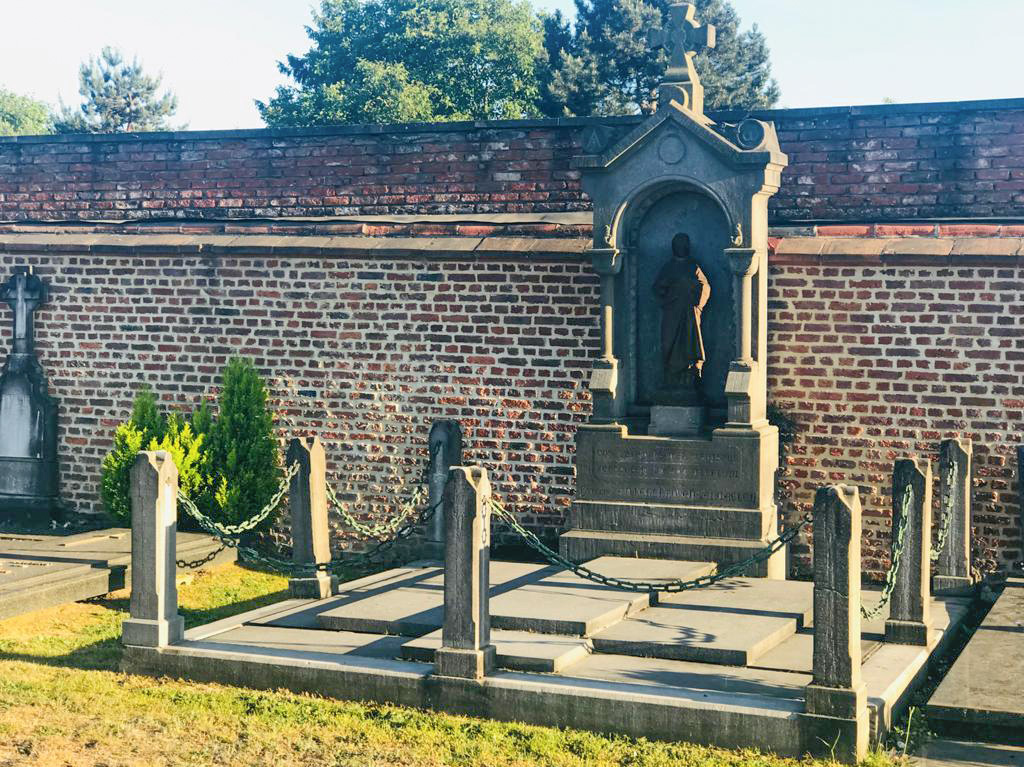
The photo shows the final resting place of the grandparents, Godfried’s little brother, who was also called Godfried, and the seven sugar aunts. It is a burial vault in Aarschot with a statue of Jesus in brown ironstone sandstone. It bears the inscription ‘Van Christus tot God’. Canon, professor and lecturer in architecture and monument care at KU Leuven Raymond A.G. Lemaire (1878-1954) provided the design.
IV. MARTYR OF AARSCHOT.
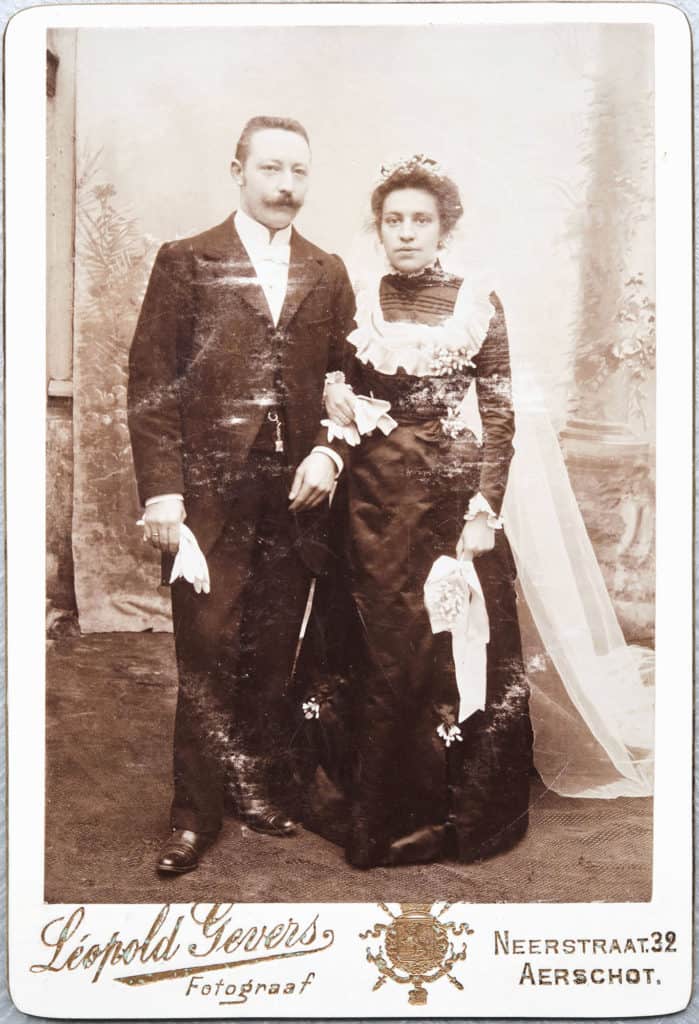
Richard and Louisa Vermaelen Van Capellen – Frie’s great-uncle and great-aunt.
Louisa sees her husband shot down while she holds her daughter in her arms and is pregnant with his child. Her husband Richard is one of the 170 civilians shot dead by the Germans in Aarschot during the First World War. His son Richard becomes parish priest at the Onze-Lieve-Vrouwekerk in Laken and will celebrate the wedding Mass of Godfried and Mia.
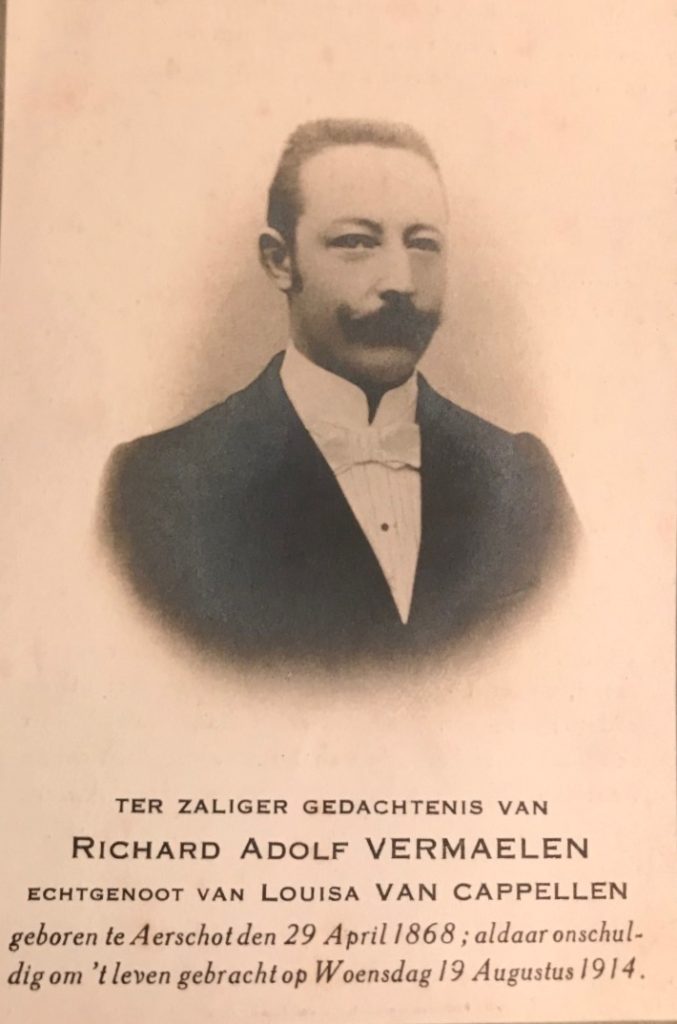
The memorial card of Frie’s great-uncle.
“In many parts of the world I have seen terrible and revolting things, but nothing so ghastly, so horrifying as Aerschot.” – Alexander Powell, American war correspondent.
V. FRIE’S PARENTS.
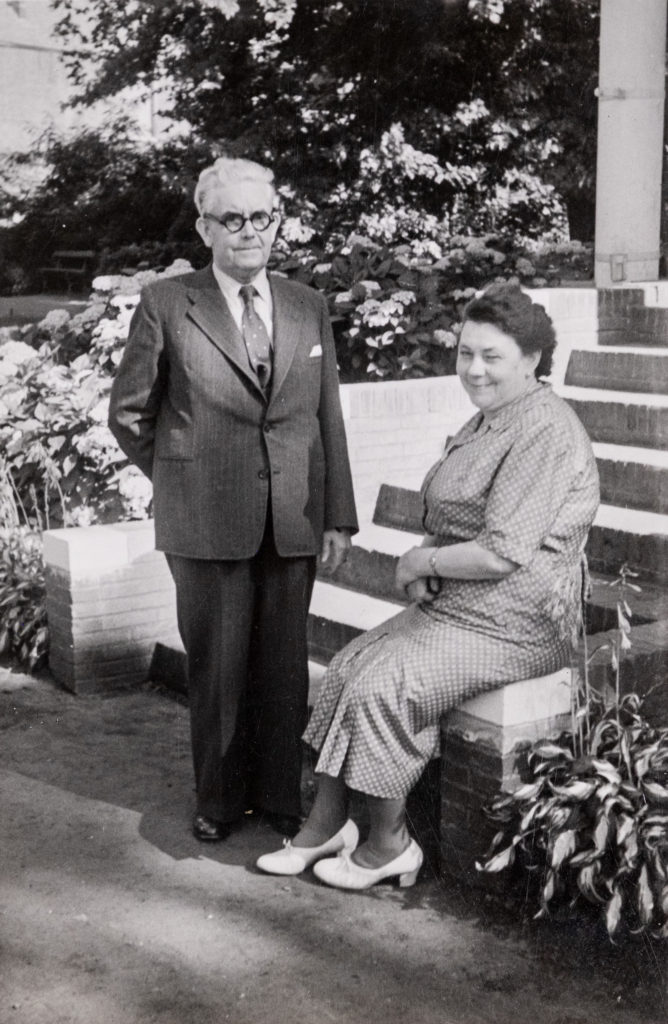
Arthur and Clementina Van Kerckhoven Van Dyck.
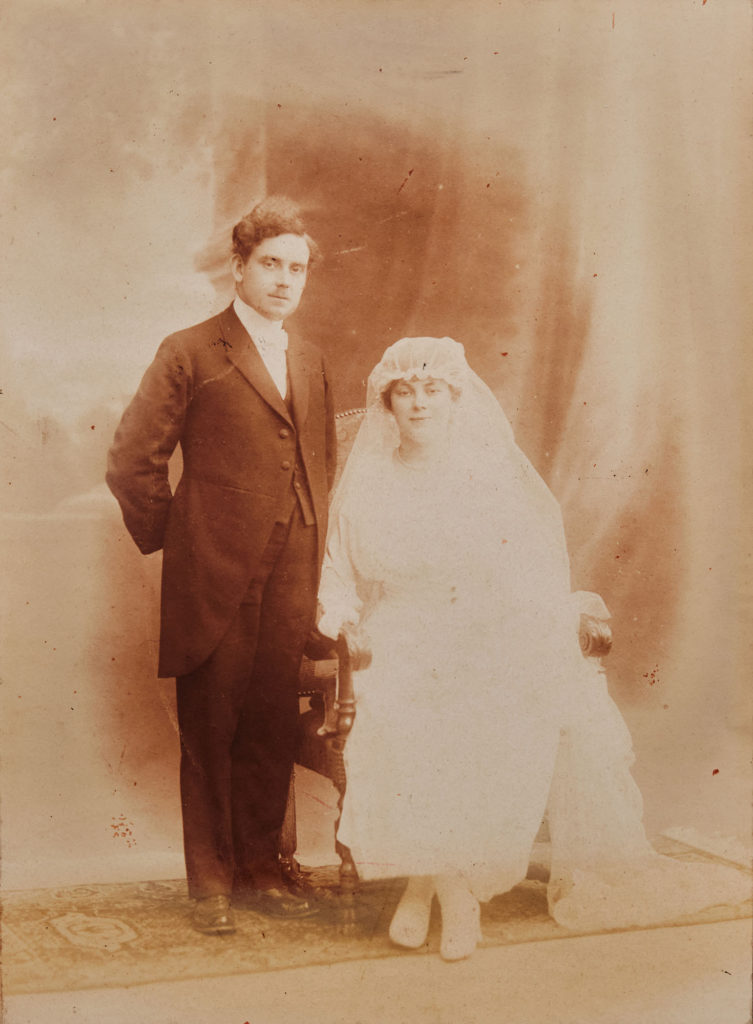
Wedding portrait of Arthur and Clementina.
Arthur and Clementina have four sons together: Paul (1922-2011), Jos (1925-2005), Godfried (1926-1929) and Aimé Godfried (1930-2013).
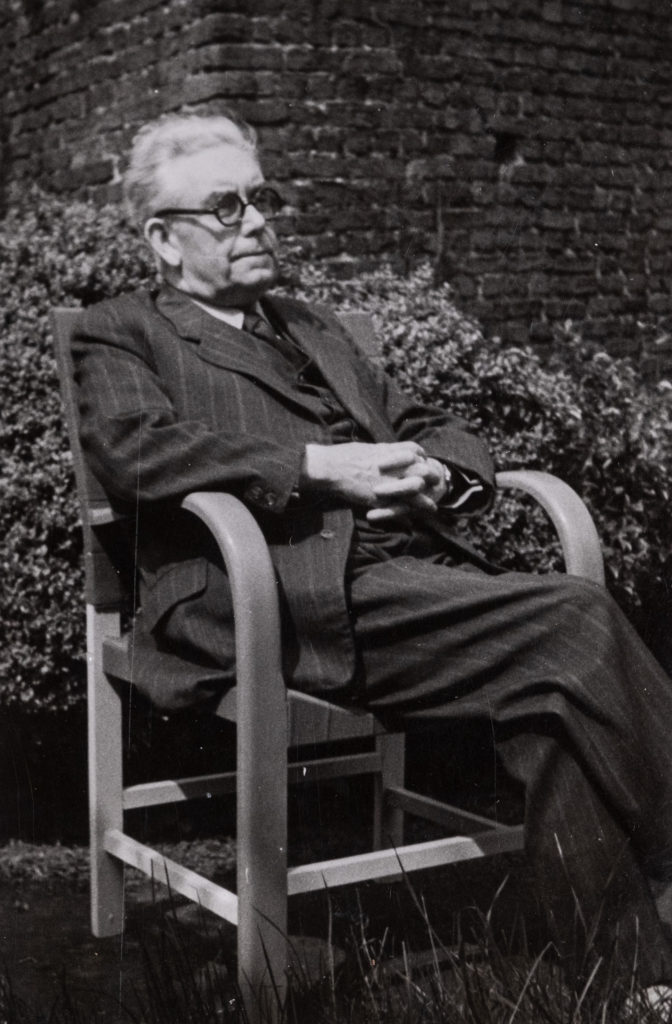
Arthur Van Kerckhoven (1892-1958) – Godfried’s father.
« Qui multum tacet multum cogitat »
“He who is silent much thinks much ”
In August 1914 the German army takes Aarschot. The German authorities accuse the people of Aarschot of having shot their German colonel. Arthur, who speaks German, is forced to sign a document that is supposed to show that the people of Aarschot did indeed shoot the German colonel. Arthur refuses and is struck on the head for it. By refusing, the people of Aarschot officially remain cleared of responsibility for the death of the German colonel. Arthur has to abruptly break off his pharmacy studies in Leuven. He ends up in a labour camp in Germany.
Arthur escapes by the skin of his teeth and returns to Aarschot after eight months. He is weakened, ill and, from exhaustion, can hardly stand or walk any more. His sisters, who wait for him at the station, no longer recognise him. Afterwards Arthur continues to struggle with frail health. Arthur becomes secretary at the town hall, where he completes the population register in his careful handwriting.
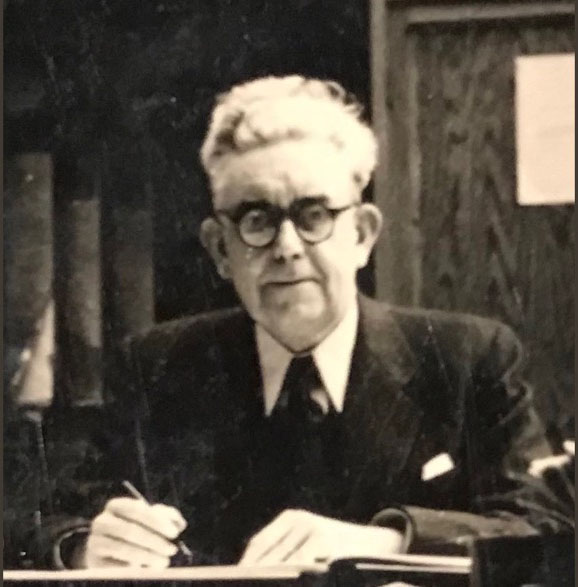
Arthur, Frie’s father.
« Bona fide »
“In good faith”
DIGGING INTO A TRAUMA.
The dispute with ‘de Makke‘ requires attention:
“‘De Makke’ had the first cinema in Aarschot. On the Buinnewaak. (Pathé-Métropole cinema, now the post office). Those were silent films at the time. ‘De Makke’ lived right above it and grumbled about how it all went. In the evening his daughter sat beside it, tinkling on a piano. She had to play softly while he was busy with his affairs. My father often called out: “Play a bit more quietly, for heaven’s sake!”
Arthur’s aunt was married to ‘de Makke’.
Hot-tempered ‘Makke’ repeatedly abandons his family and leads a shadowy double life in Brussels. His wife comes to lament to her sister, Frie’s grandmother, and often stays there with the children. Grandmother Josephina supports her financially and helps with the upbringing.
The cinema starts making a loss and ‘Makke’ puts one of his properties up for sale, namely Frie’s parental home. Arthur is a prospective buyer. To pay off urgent debts, ‘Makke’ asks his nephew to pay for the house before the deed is executed. Arthur assumes the other man acts in good faith and pays the full asking price in cash, without a contract. When the deed is executed, Arthur walks into the trap. Convincingly, ‘de Makke’ explains that he has received nothing. The swindled man files a complaint but can cite no legal ground. Arthur has to put money on the table a second time for the property. Only after the settlement of the swindler’s estate can Arthur breathe a sigh of relief and reclaim his money. After this affair, Arthur’s trust in people has dropped sharply.
Sugar aunt Josse targets the cheat and publicly squares up to him. During a cinema screening, a man with a suitcase stands on an empty platform at a deserted station. Josse drags the owner right through the screen; she gets up from her cinema seat and shouts: “There’s ‘de Makke’, with his suitcase! He’s off to Brussels again!” The audience reacts with stifled laughter. Josse snubs the rascal every time she calls after him in the street: “‘De Makke’ can’t s*** because his a** is sewn shut”!” The refined sister Elvire puts a hand over her eyes at the embarrassing display, but is also critical of the good relationship Frie has with the descendants of ‘Makke’.
“This buried-in-snow story was often told during my childhood by great-aunt Elvire and confirmed by my father and uncles. At the age of seven I decided to take revenge and went to the house of a descendant who was then staying in California to buy a Cadillac not imported into Europe. I smashed all the windows of that house, threw mattresses from top to bottom, peed on the floor, flung crockery and glasses around and tipped out onto the floor pots of paint that were ready for the painter. The neighbours came to see what was going on. My father was informed and gave me a serious hiding. Before the owners came back from the States, my mother had the damage repaired in great haste.” – Pieter
« Experientia optima rerum magistra » “Experience is the best teacher”
Lorsqu’un ami vous demande de l’argent à emprunter, voyez lequel des deux vous voulez perdre. Jean Antoine Petit-Senn (1792-1870)
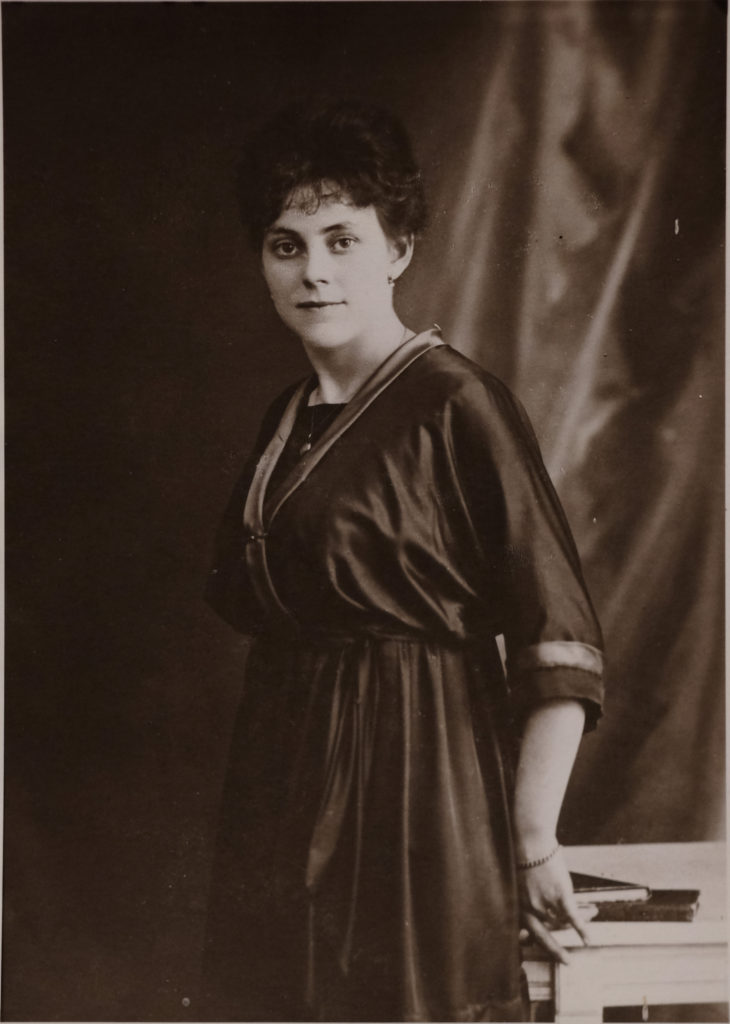
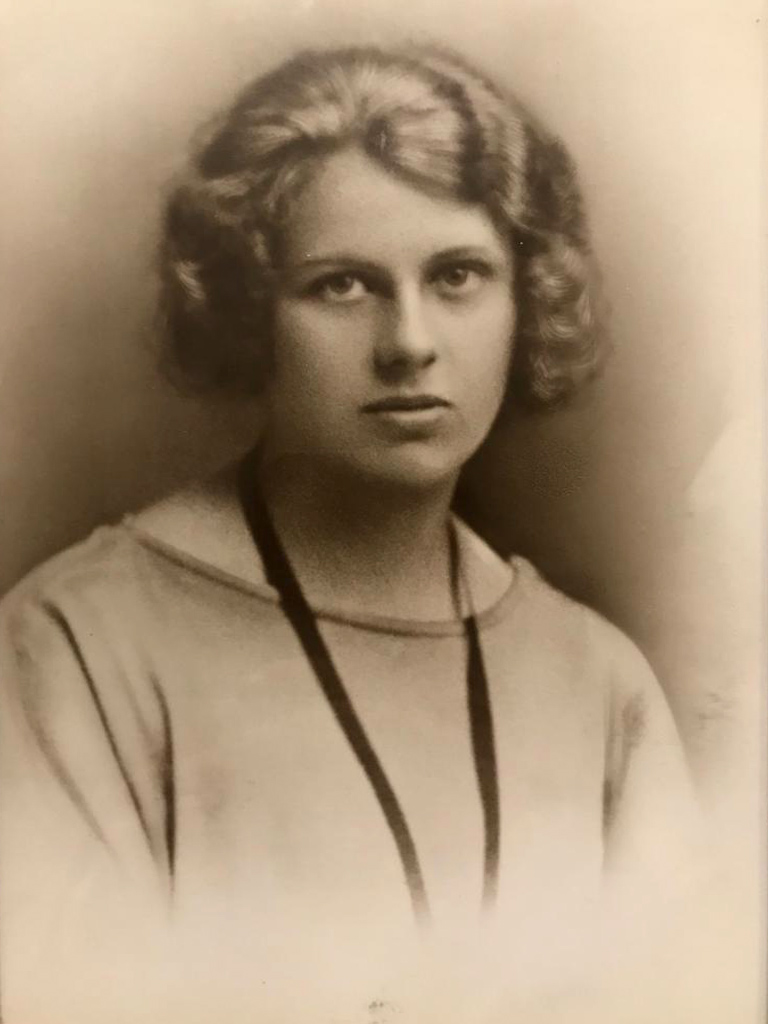
Clementina Van Kerckhoven Van Dyck (1897-1963) – Godfried’s mother.
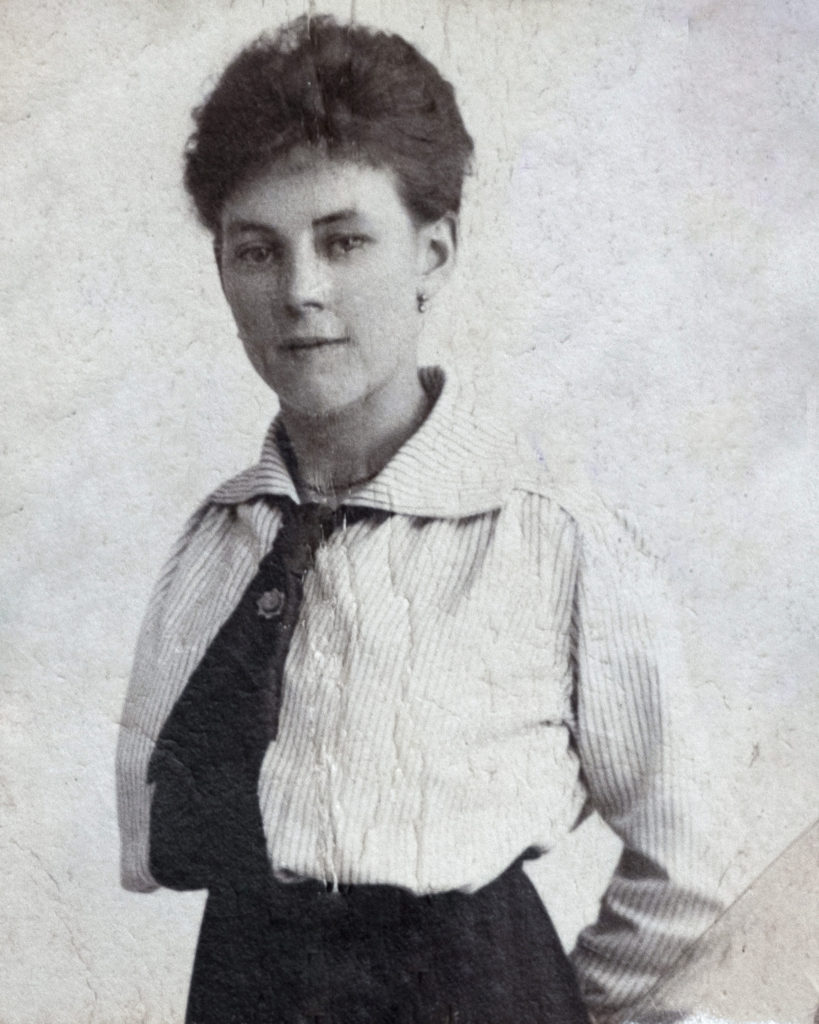
Frie’s mother as a student at a boarding school in Charleroi.
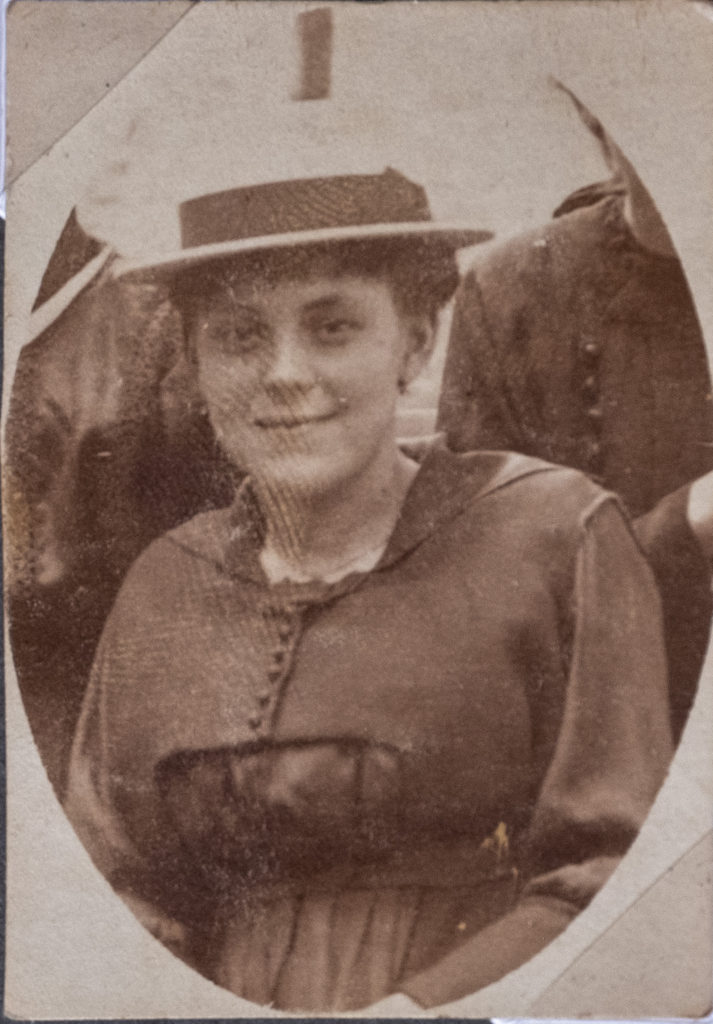
Tinneke Van Dyck – Frie’s mother.
Clementina comes from the Meulenberg and is known as Tinneke. She plays the piano beautifully and gives lessons to her grandson Guy Van Kerckhoven.
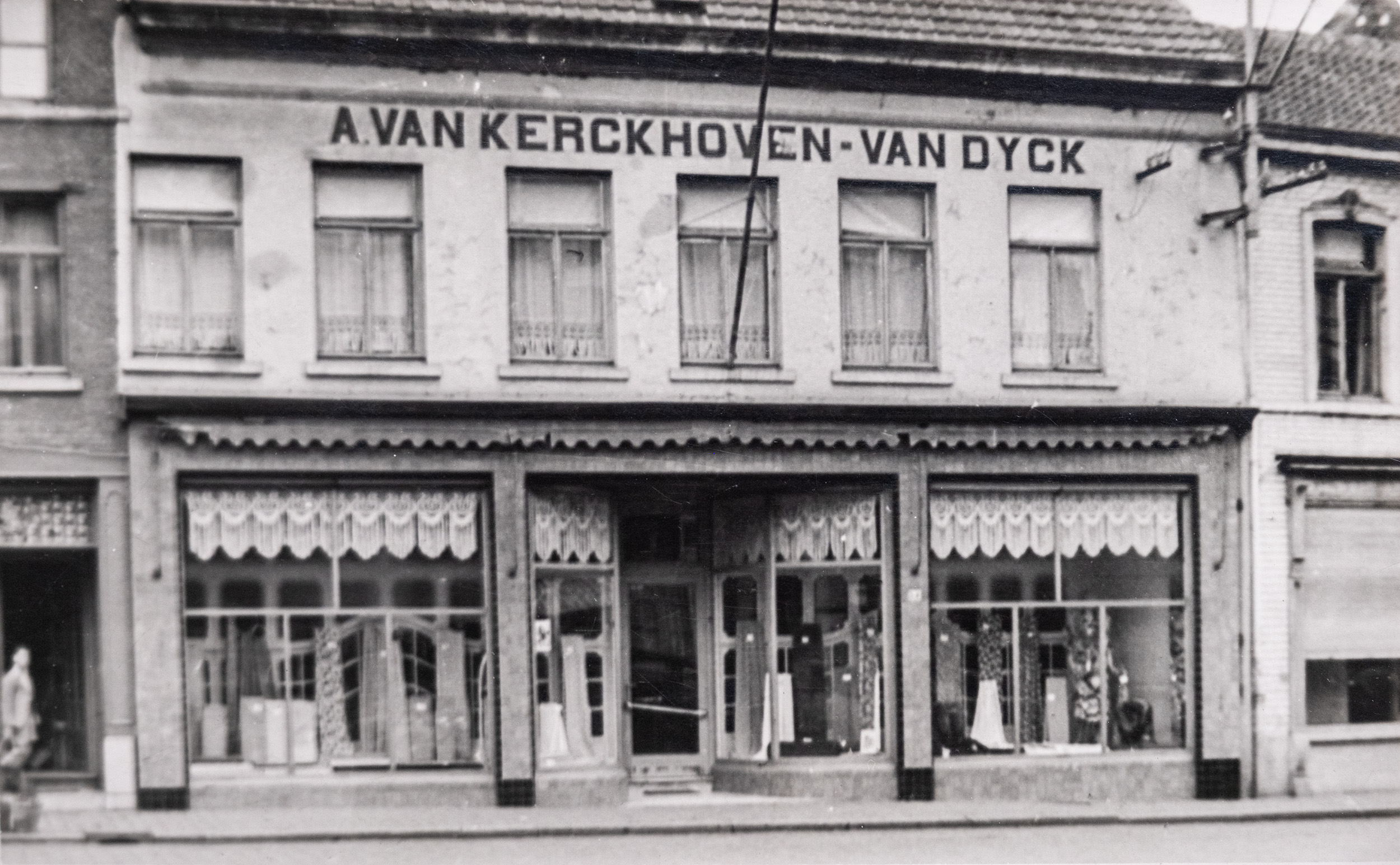
Frie’s parental home – Martelarenstraat 34, Aarschot.
For Clementina, who has a commercial bent, Arthur invests in a fabric and fur coat shop located at Martelarenstraat 34. It is bustling, and people come from far away. Afterwards Arthur buys several commercial properties in the town centre.
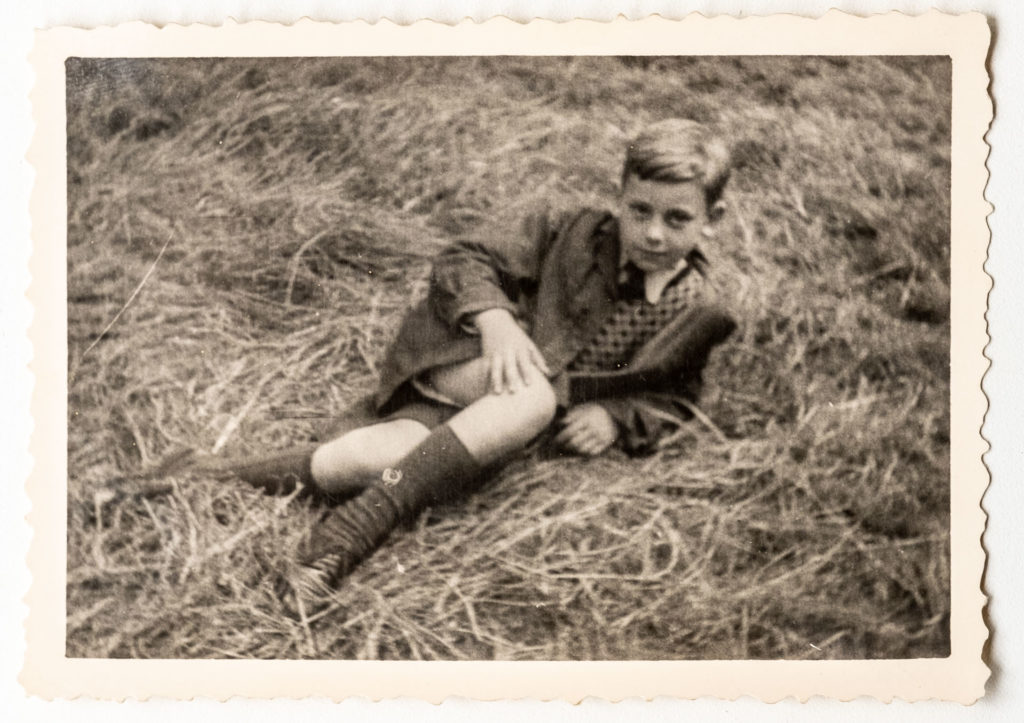
As a child, Frie once stands outside on the doorstep. His older brother lowers the heavy roller shutter but loses control of the crank. The big shutter shoots down and lands on Frie’s little head. Frie briefly loses consciousness. Fear grips Tinneke’s heart; she fears losing her second little Godfried too. Fortunately our young hero has “a hard head”!
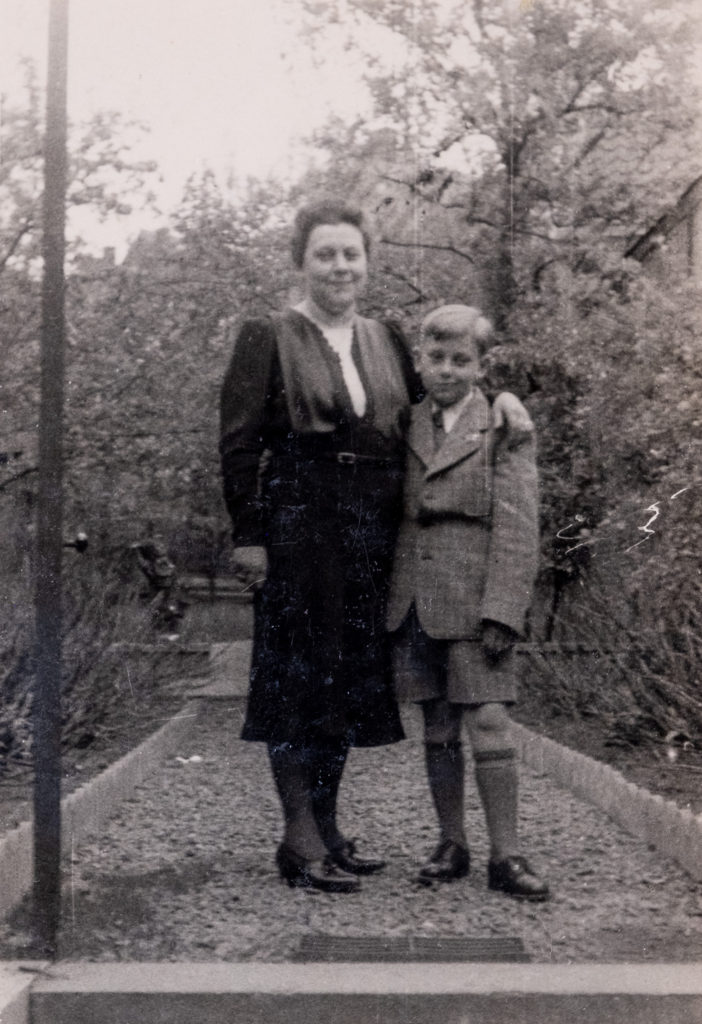
Frie at his mother’s side.
Frie and his brothers gratefully praise the unflagging industry of their mother, who is the heart of the business.
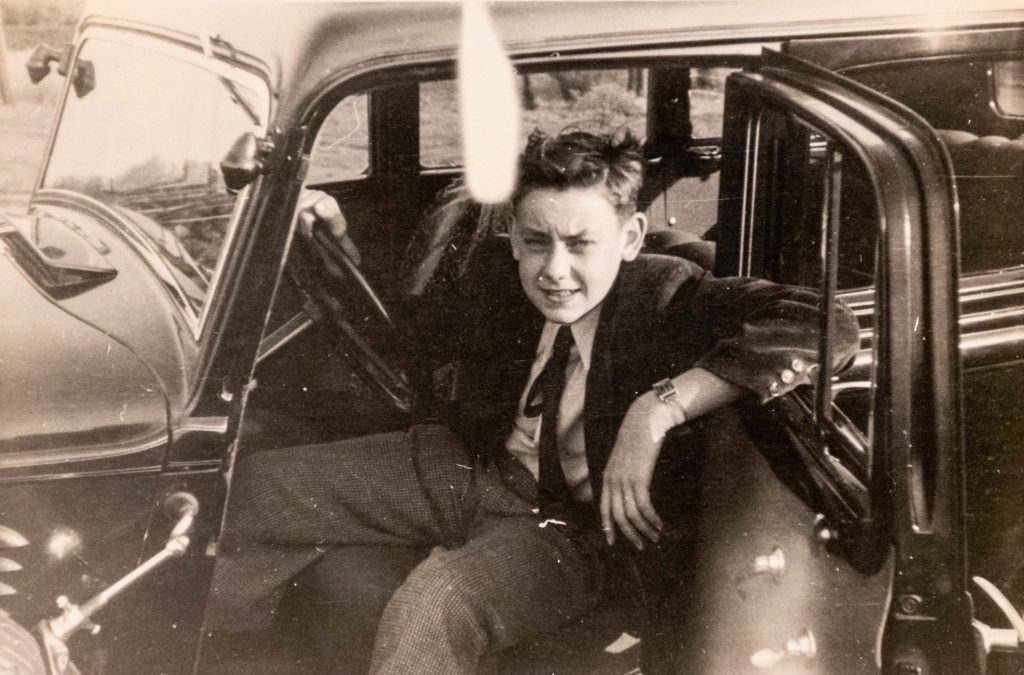
Arthur’s Minerva is one of the first cars in Aarschot.
Arthur buys a Dodge in the Jozef II-straat in Brussels, in which he visits the wholesalers of fashion fabrics every week with Clementina (including where the comic strip museum is now located). If an oncoming vehicle approaches on the Brusselsesteenweg, Arthur quickly pulls over to the side to prevent an accident!
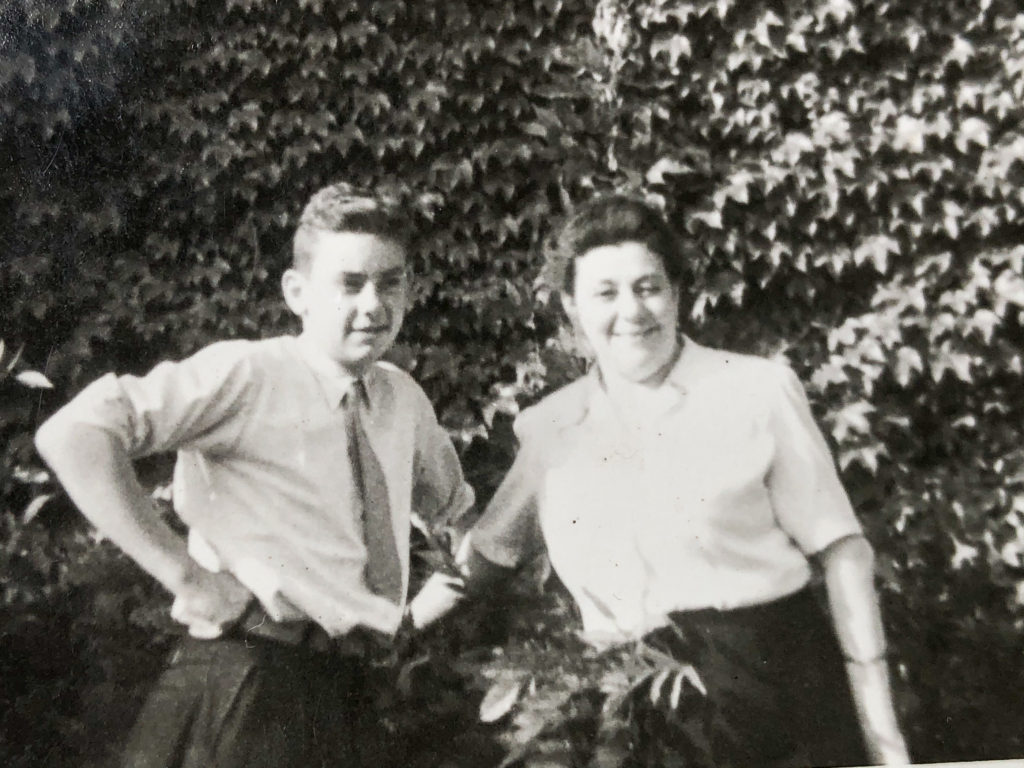
Frie and his mother.
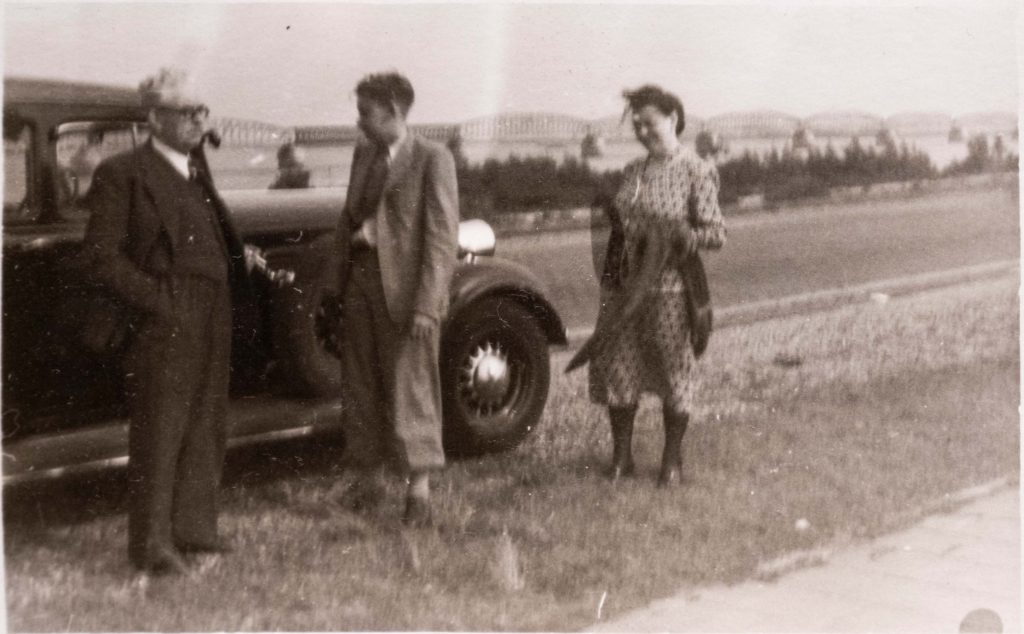
A photo worth looking at: Frie with his parents in Duisburg.
During the Second World War the family flees to Larochelle. As a result Frie does not go to school for months. After the Second World War Arthur drives towards Duisburg to see the destruction caused by the bombings.
VI. BROTHER PAUL.
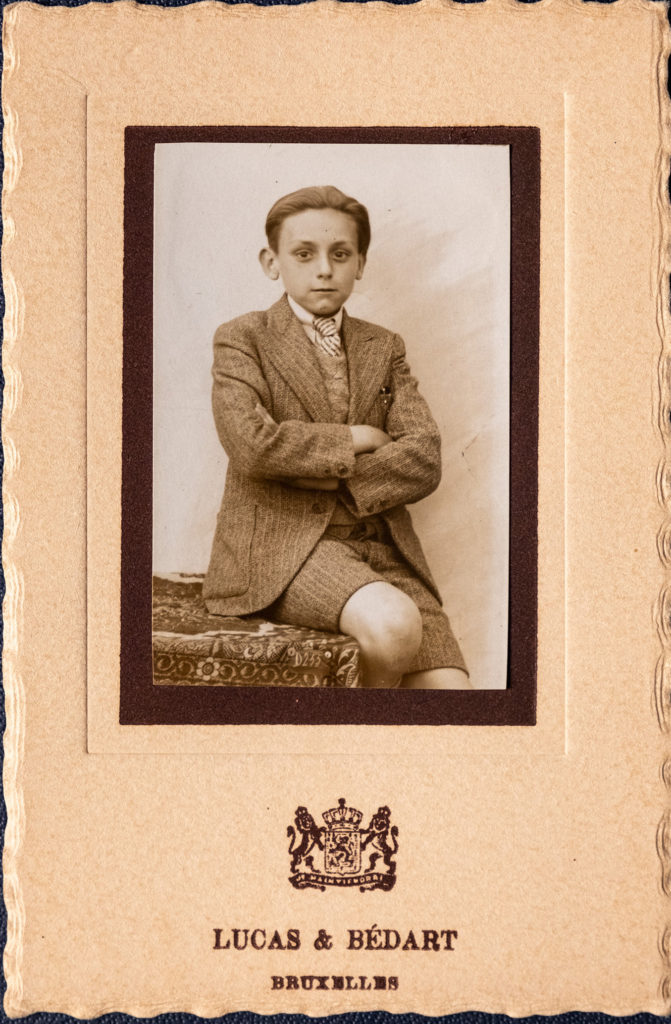
Paul Van Kerckhoven (1922-2011)

Paul Van Kerckhoven (1922-2011)
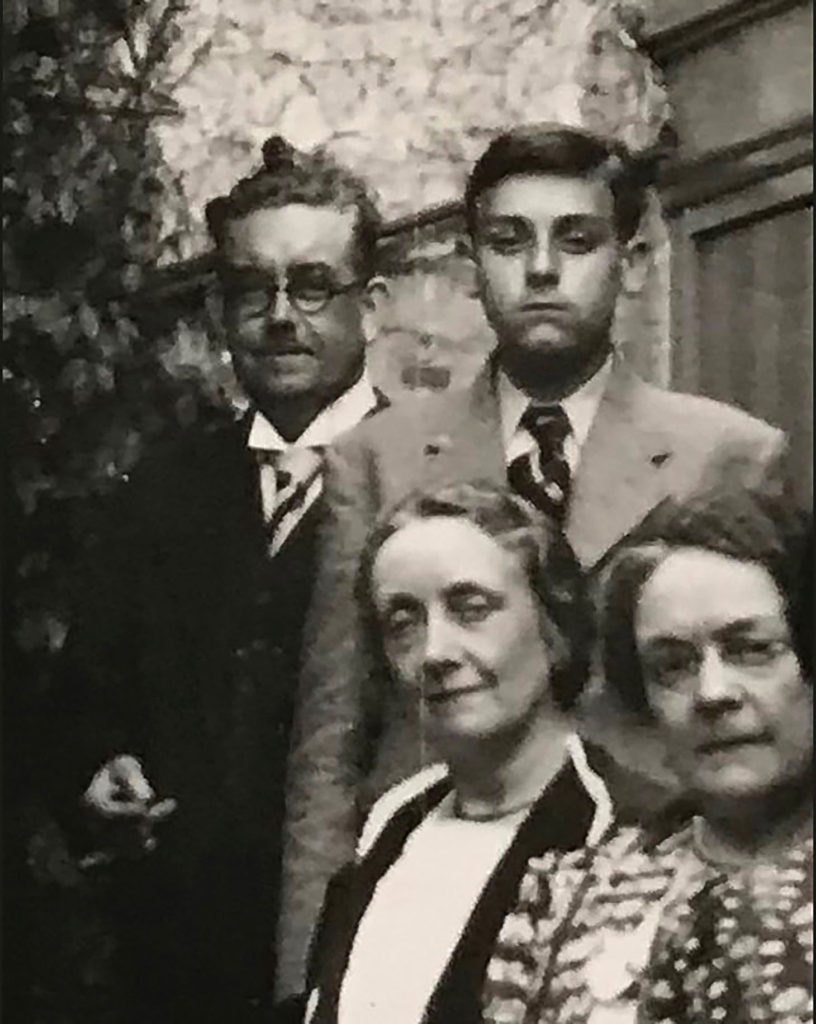
Paul, his father and aunts Clara and Margaretha.
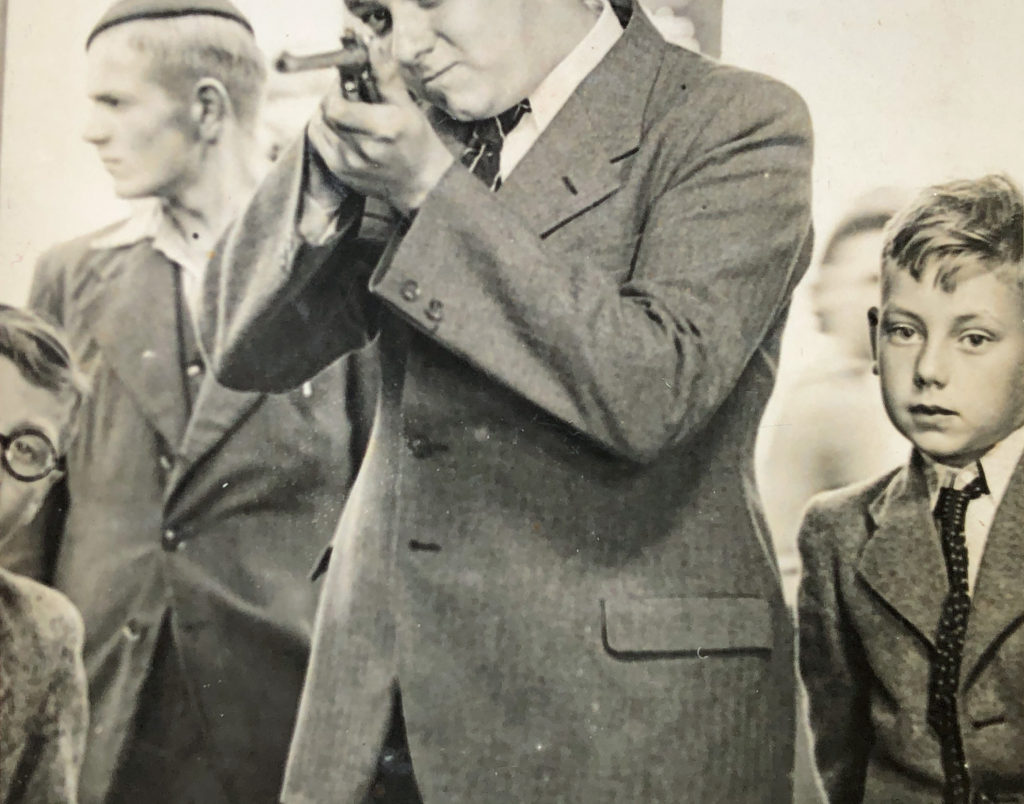
Paul and Frie.
VII. MARRIAGE AND FAMILY OF PAUL VAN KERCKHOVEN.
In 1949 Arthur and Clementina give Paul permission to marry Miss Leentje Gybels. She is the daughter of Doctor Gybels, who lived on the Grote Markt in Aarschot (today the ING bank branch).
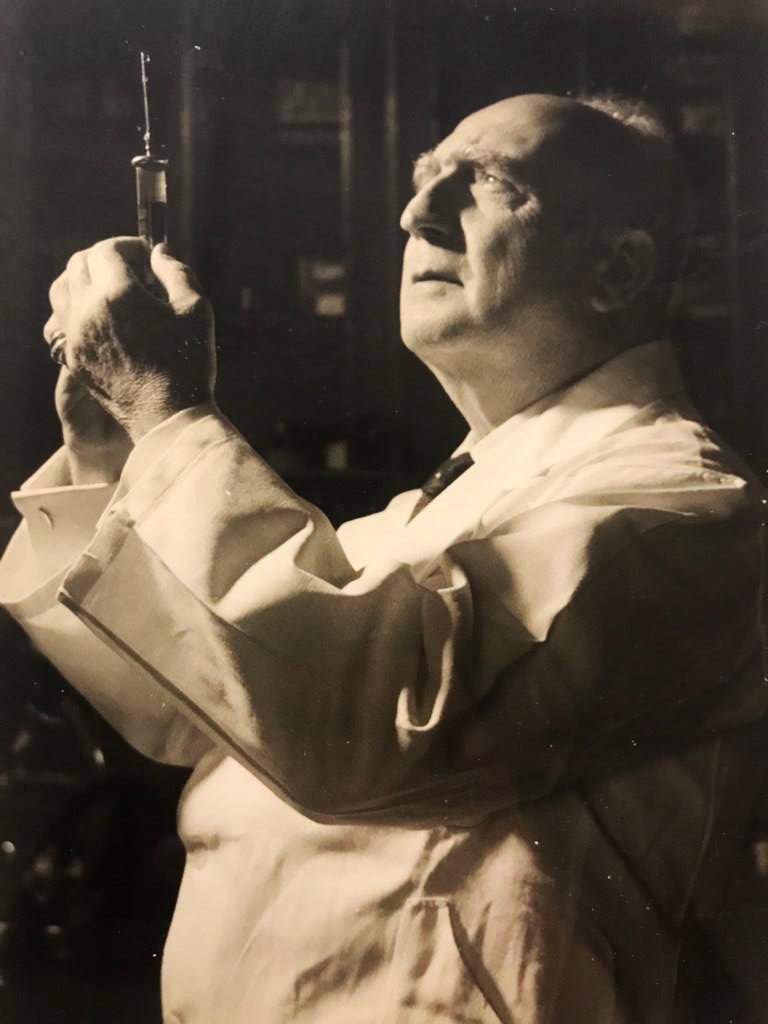
Doctor Marcel Gybels
Mrs Gybels, the mother-in-law of Paul Van Kerckhoven.
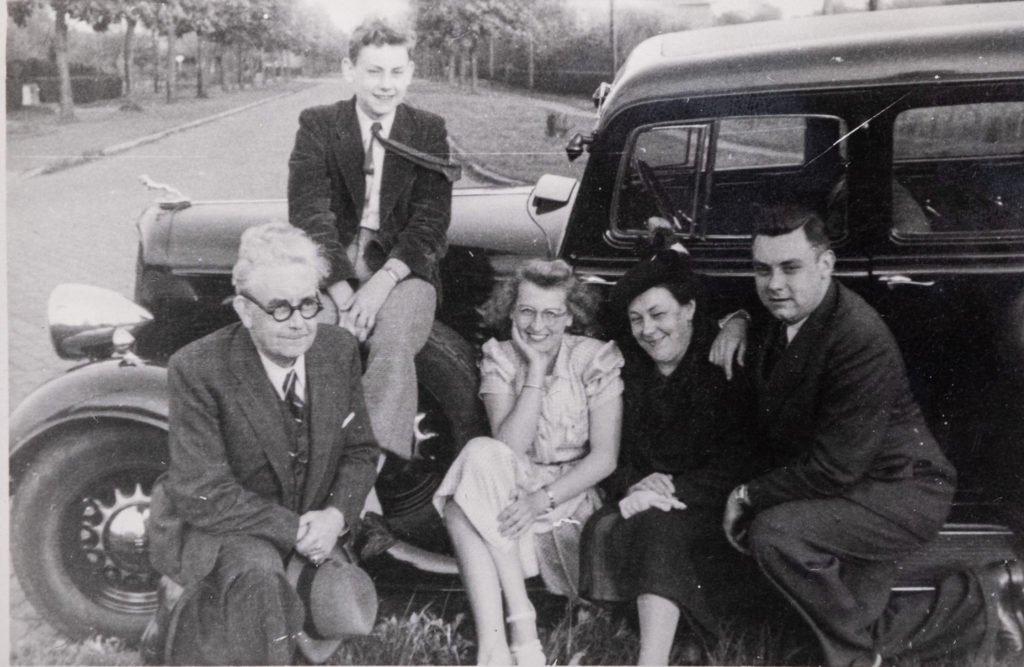
Frie on the spare wheel, parents, brother and sister-in-law.
Der beste Freund wird wahrscheinlich die beste Gattin bekommen, Weil die gute Ehe auf dem Talent zur Freundschaft beruhrt. F. Nietzsche
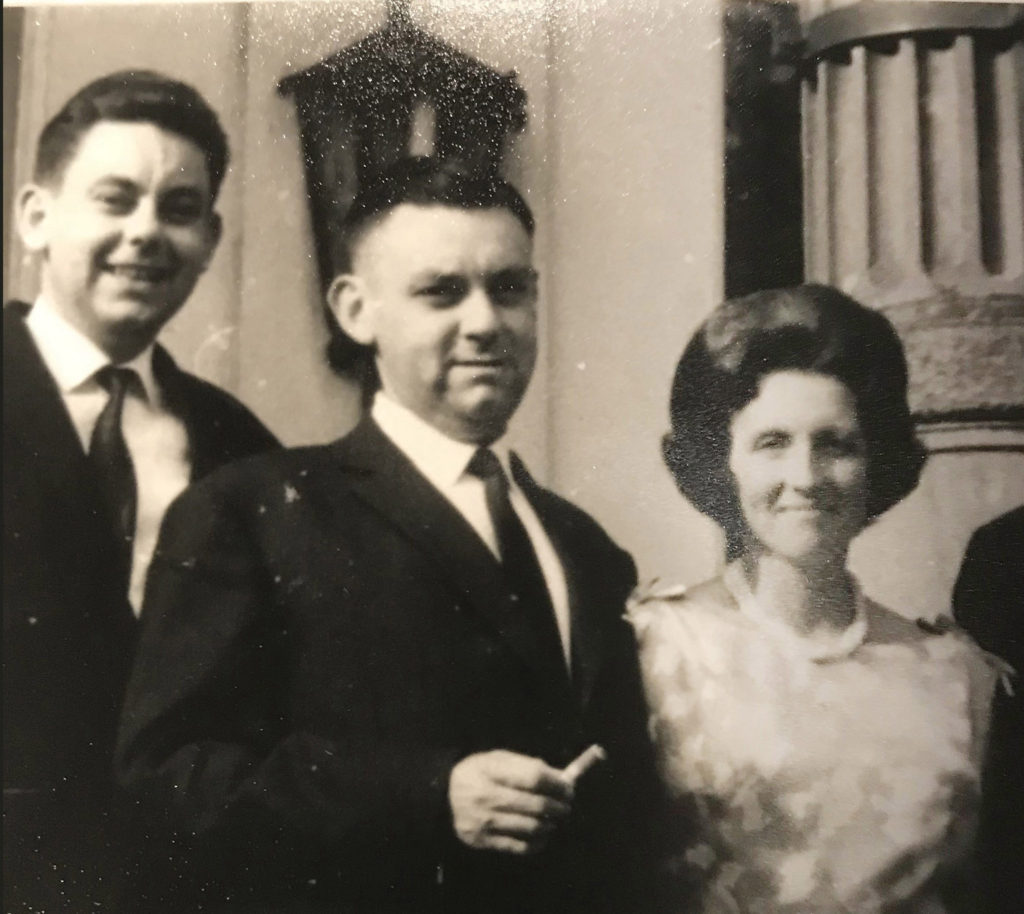
Frie, Paul and Leentje. (photo: 1964)
Paul starts his career as a physician in Watermael-Boitsfort, where he builds a happy and sociable life with Leentje. Paul even obtained a certificate that allows him to take X-rays.
Father Arthur drops a bombshell on the happy life of Paul and Leentje. He obliges them to come back to Aarschot. In this way the financial interests of the Van Kerckhoven family remain based in Aarschot. There is support (and opposition) from the team of sugar aunts. They buy for the couple the town house in Aarschot where Doctor Liekens has his flourishing practice. Liekens is turned out by Paul’s sugar aunts. Paul bows to his father’s wish. He turns round, back towards Aarschot. It is a return with which the couple will go on having a hard time for the rest of their lives. Their children personally bring the rent in cash to the aunts every month. Of course this causes internal tensions. Paul and Leentje have to get through it together, and they can take a knock. Leentje believes in her children: “I want to get ahead and we are going to get ahead.”
Paul is a horse lover and an appreciated pianist. His repertoire consists mainly of Chopin, Brahms and Beethoven. Paul plays the organ of the Onze-Lieve-Vrouwekerk in Aarschot.
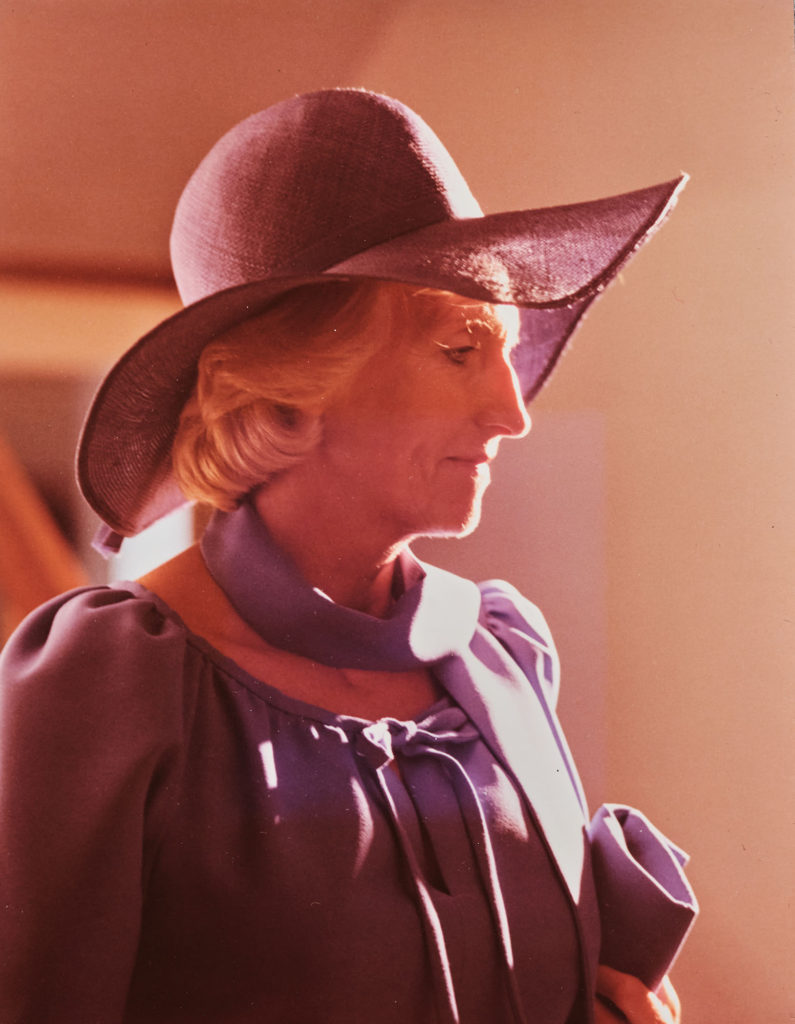
Leentje Van Kerckhoven Gybels (1925-2014) (photo: 1976)
“According to my godmother Leentje, the origin of our surname is fitting, and we are named after a trait of a lineage that drags its patrimony along with them to the churchyard.
As a child I sometimes stayed with my godmother and searched all the cupboards, chests of drawers and bedside tables in her house with fifteen bedrooms. That is how I came across 33 rpm LPs by Jacques Brel. I was surprised, because my father hated ‘that left-wing scoundrel who laughs at the Flemings’. Leentje taught me that a song can have not only a pleasant-sounding melody but also an interesting text, and that you must learn to appreciate other opinions.” – Pieter
FOUR CHILDREN ARE BORN FROM THE MARRIAGE,
Luc (1949), Guy (1951), Geertje (1953) and Karl (1956).
Whenever a child is born in the family of Paul and Leentje, a sugar aunt dies that year.
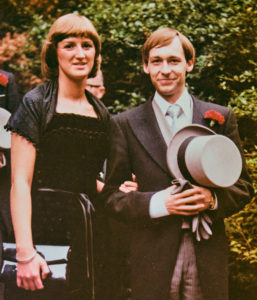
Lawyer Luc Van Kerckhoven together with his wife and fellow lawyer Marietje Rutten. (photo: 1976)
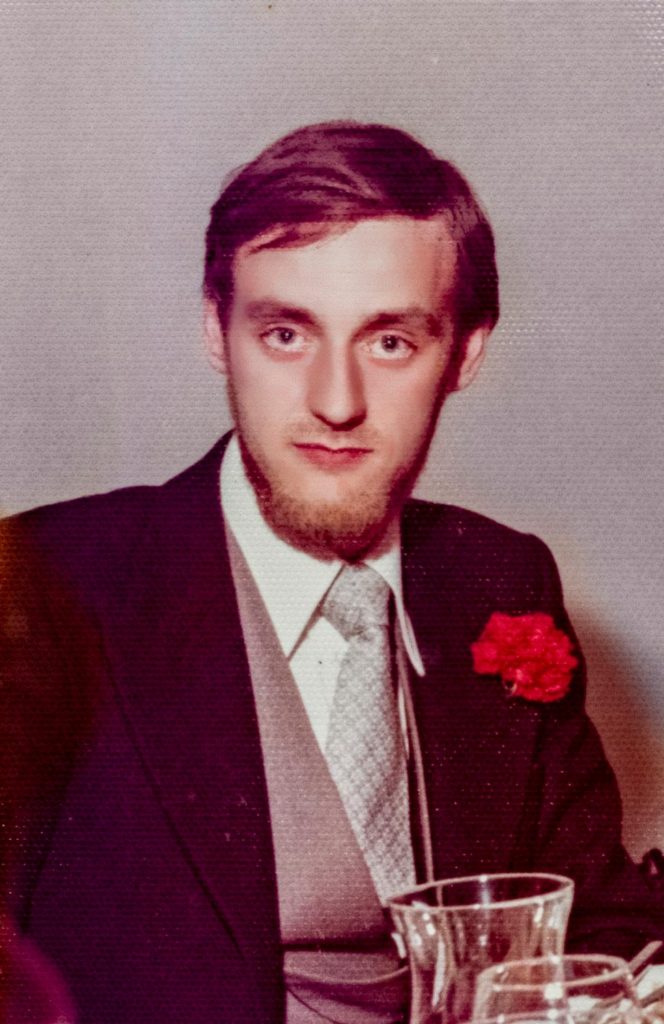
Prof. Dr. Guy Van Kerckhoven (photo: 1976)
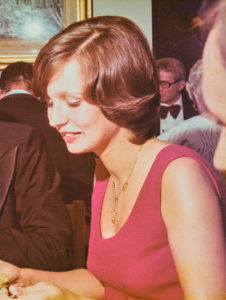
Mieke Van Kerckhoven Fannes – art historian – painter, wife of Prof. Dr. Guy Van Kerckhoven. (photo: 1976) www.miekefannes.be
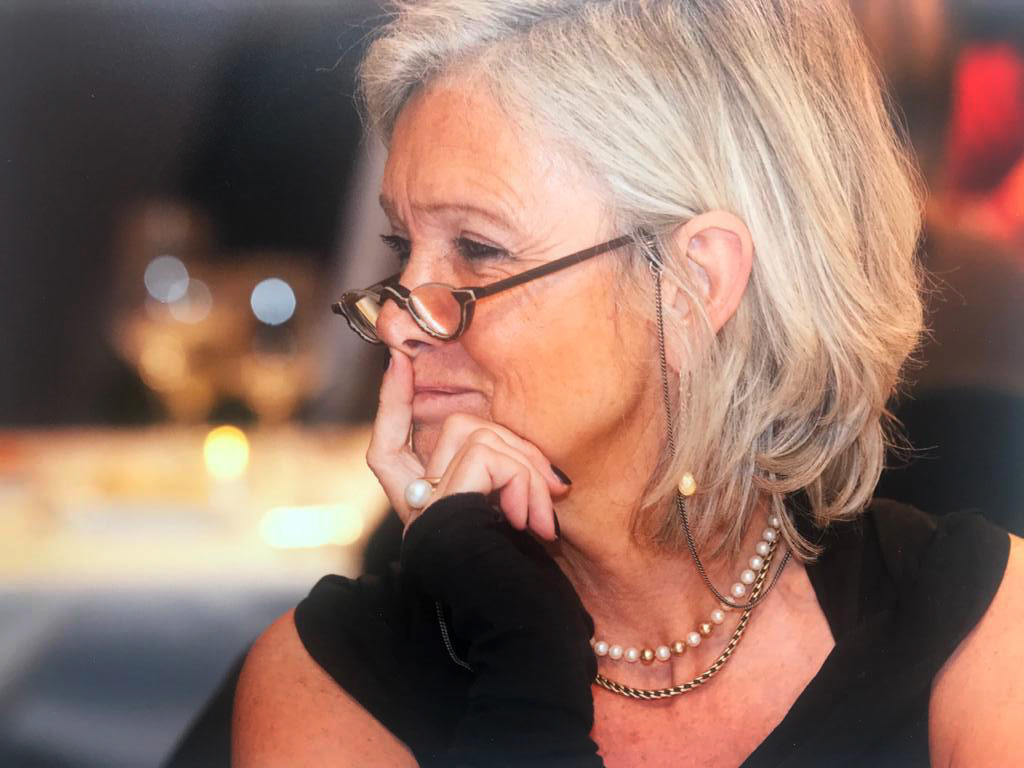
Geertrui Lommée Van Kerckhoven
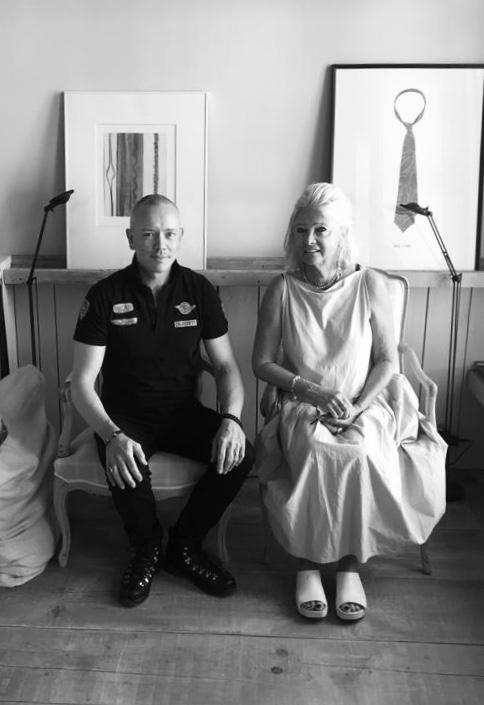
Pieter and Geertrui Van Kerckhoven “the warm side of the family” (photo: 2020)
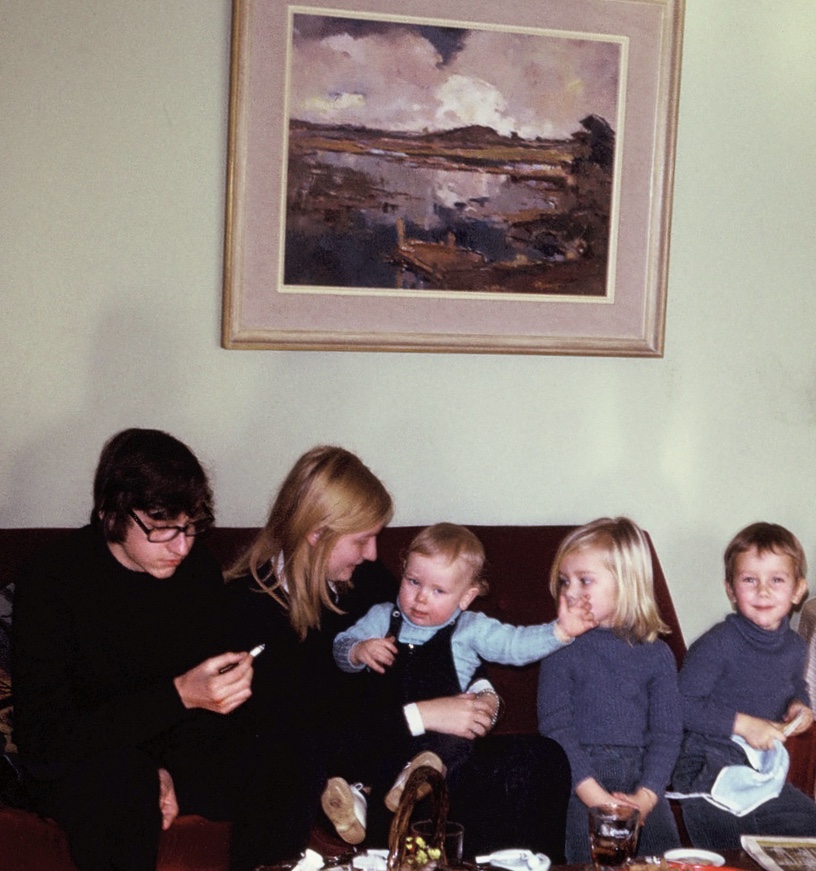
Karl Van Kerckhoven, jurist, married to Ria Goossens, Geertje Van Kerckhoven jurist and married to Paul Lommée – Gert, Ilse and Pieter. (photo: 1973)
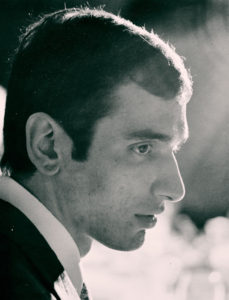
notary Paul Lommee – husband of Geertje Van Kerckhoven. (photo: 1976)
Excerpts from the film made on the occasion of the wedding of Geertje Van Kerckhoven to Paul Lommée in 1976.
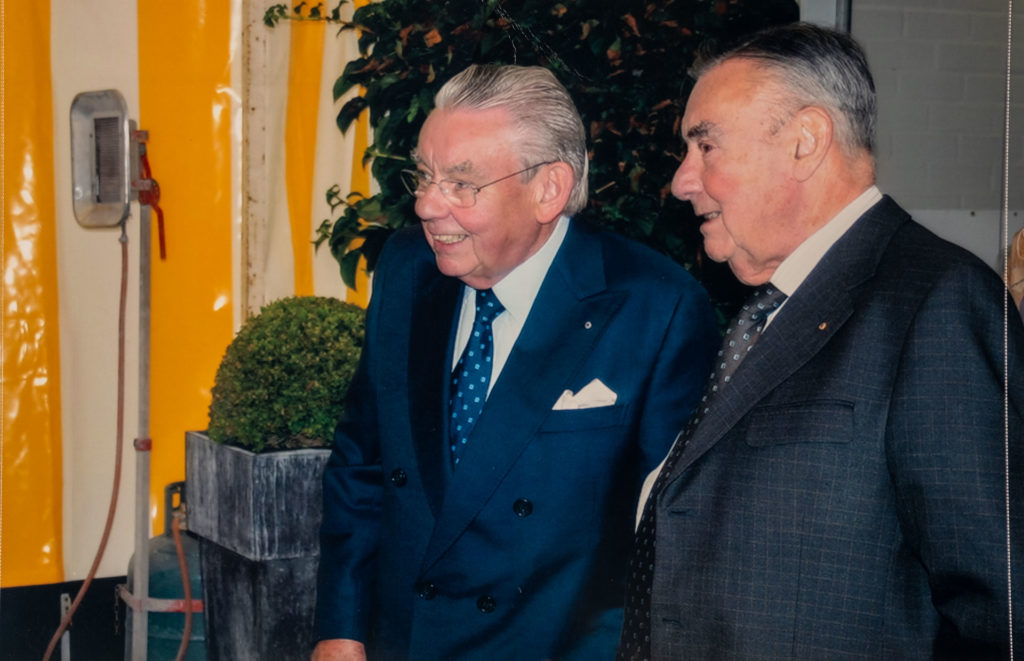
Frie and Paul Van Kerckhoven.
VIII. BROTHER JOS.
Jos Van Kerckhoven (1925-2005)
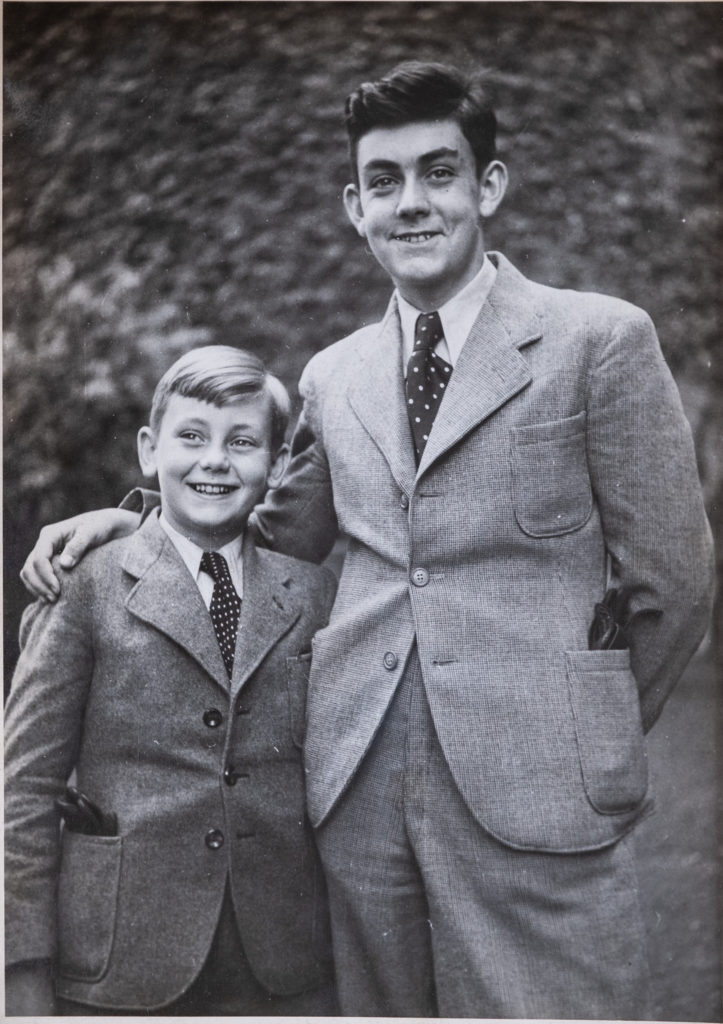
Frie and brother Jos, the sought-after and sexy bachelor.
Jos Van Kerckhoven. (1925-2005)
IX. MARRIAGE AND FAMILY OF JOS VAN KERCKHOVEN.
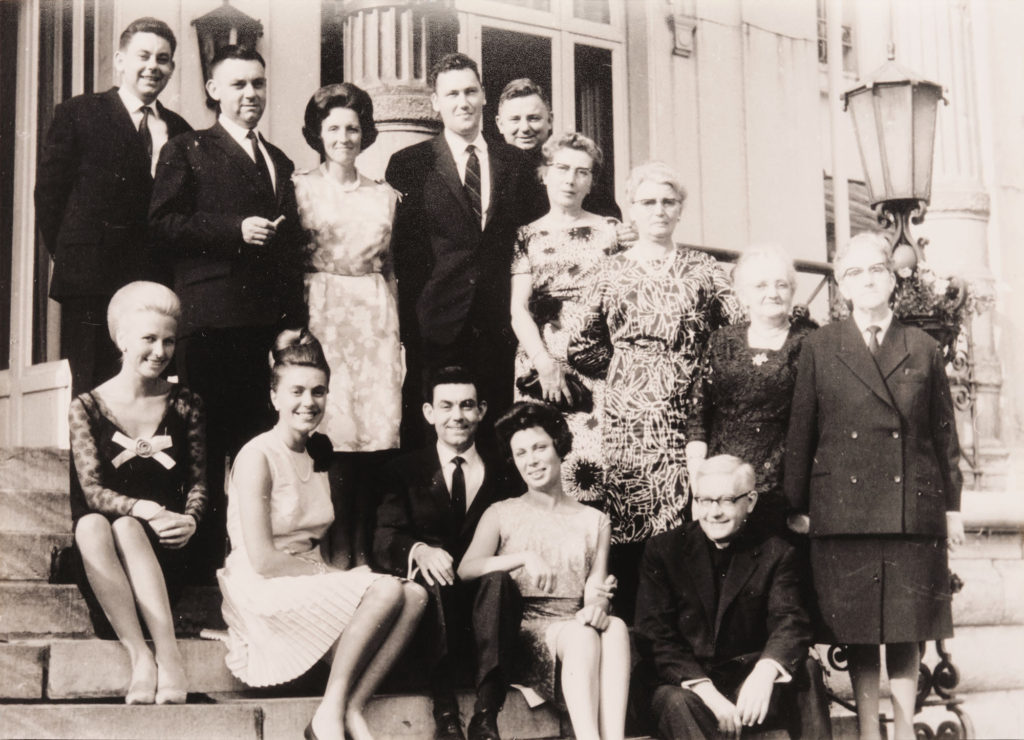
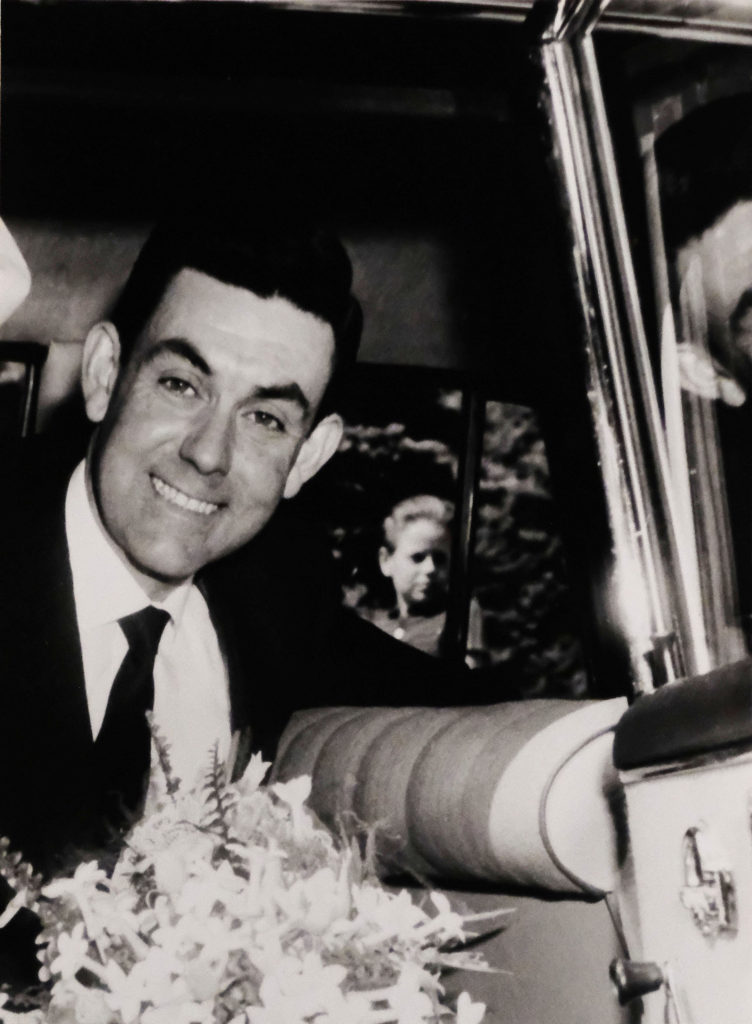
Jos and Sidone have been a couple since 1962 and marry in 1964. (left: Frie&Mia – right: Elvire&Josse)
Un mariage heureux est une longue conversation qui semble toujours trop brève. André Maurois (1885-1967)
On Thursday 16 September 1965, Sidone Van Kerckhoven (34) gives birth to a baby girl. The child is named An.
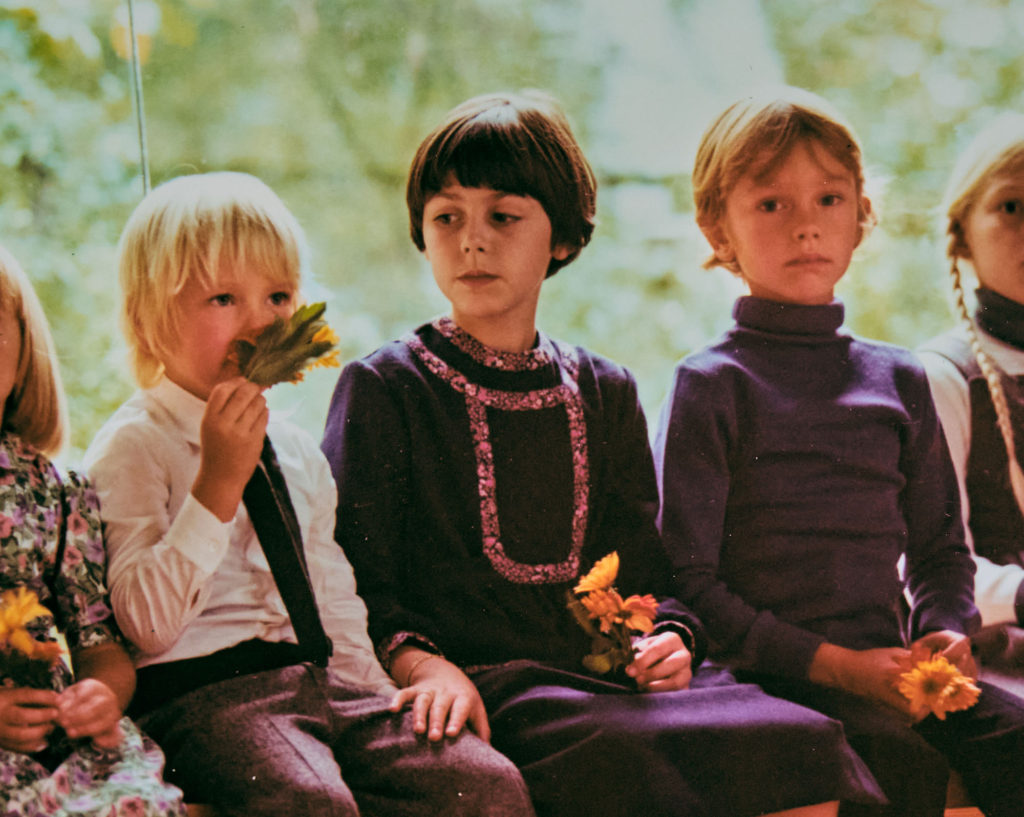
An Van Kerckhoven, little cousins Gert and Pieter. (photo: 1976)
An is the third generation to run a business at Martelarenstraat 34. An gets a half-sister, Margitte. Her mother Sidone Verlinden is the widow of Jan Van Osta (1930-1958). An is married to Claude Glorieux.
X. THE LATE LITTLE BROTHER GODFRIED (1926-1929).
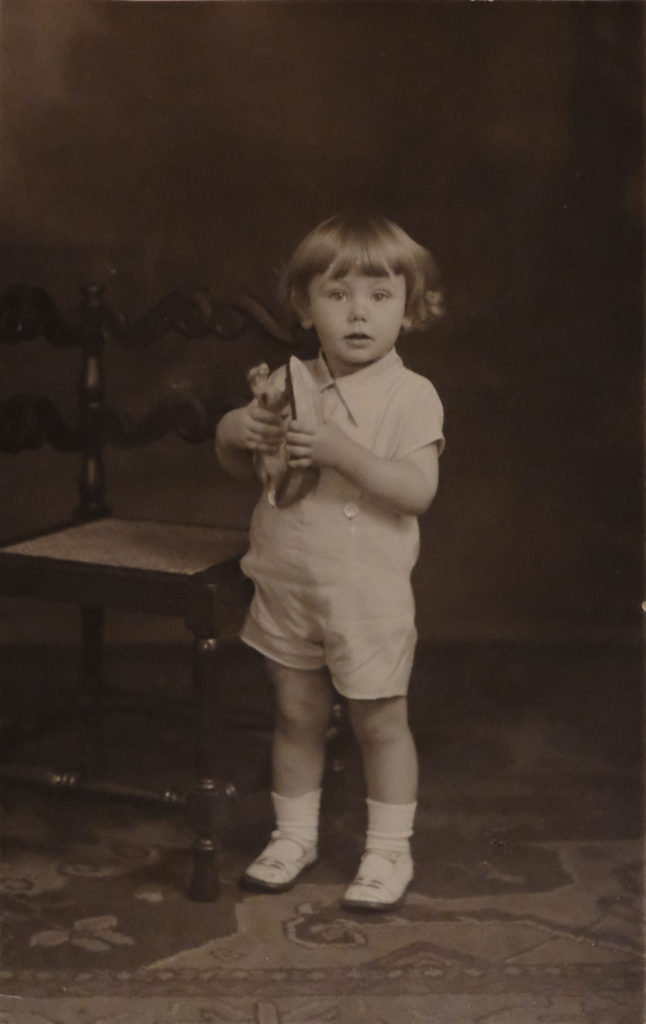
This little boy was called Godfried Van Kerckhoven.
After a playdate at the neighbours’, an infectious disease grips Godfried. Pseudocroup costs the toddler his life. The parents feel the pain of an almost unbearable grief and later want to be buried beside their deceased son. The influence of the rock-hard sugar aunts is clearly felt when they decide that the cherub will end up in their future burial vault. When Clementina, with a broken mother’s heart, brings another son into the world in 1930, the child is likewise given the name Godfried, the later notary Van Kerckhoven.
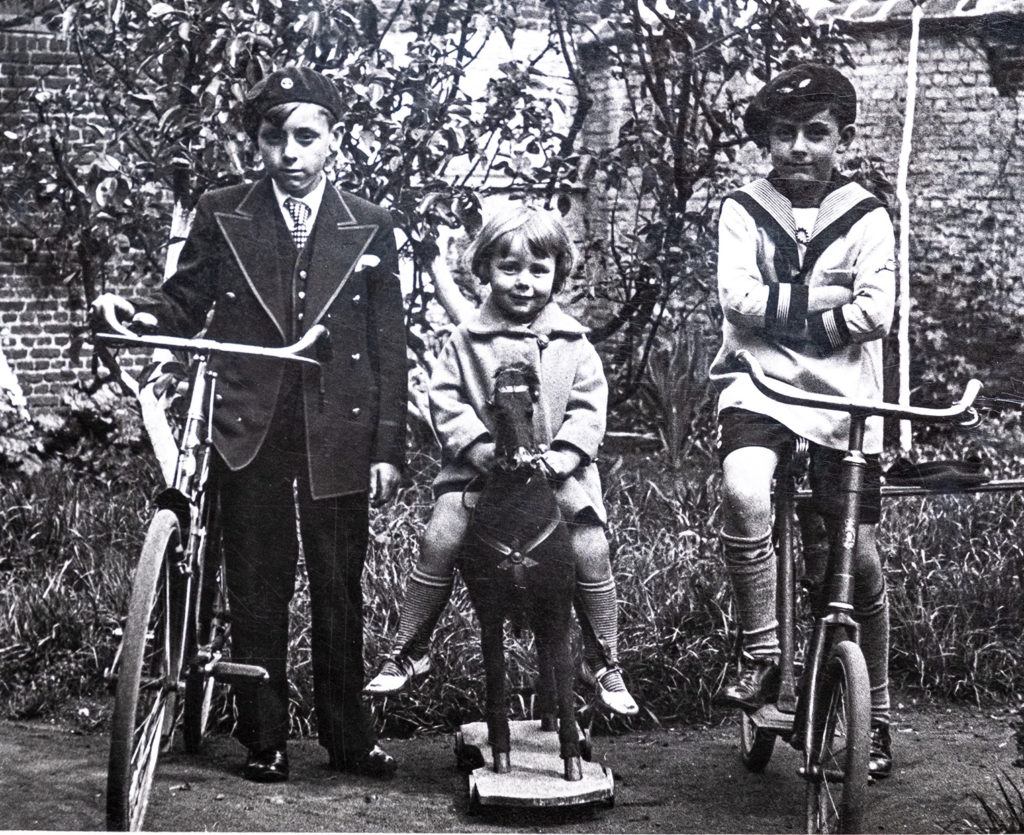
Paul, Godfried (1926-1929), Jos.
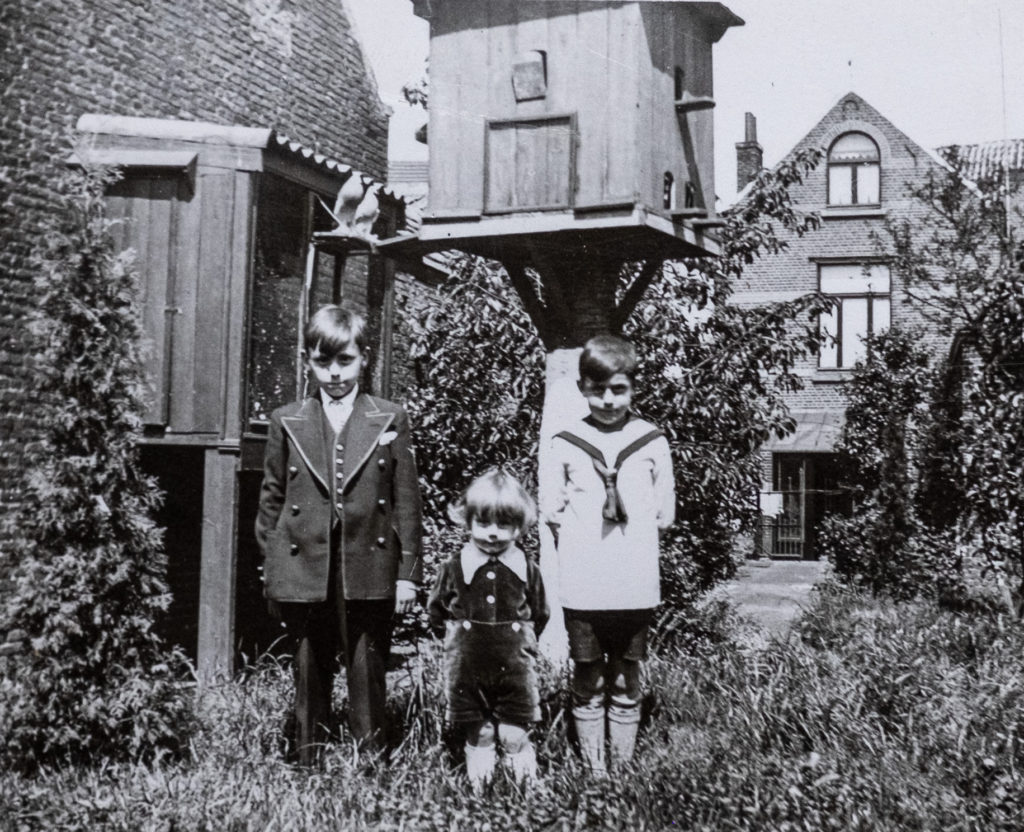
Paul, Godfried (1926-1929), Jos and two turtledoves in the garden of Martelarenstraat 34 in Aarschot.
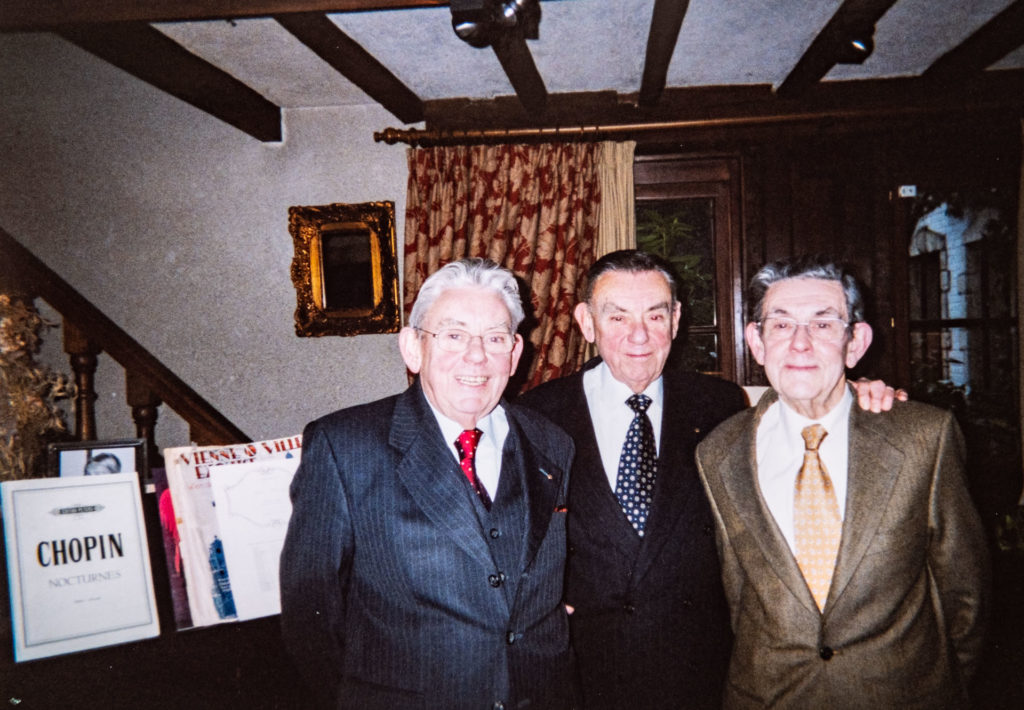
The Van Kerckhoven brothers.
XI. HUSBANDS ARE SO TIME-CONSUMING.
Frie has seven sugar aunts, who unyieldingly leave a heavy mark on the family of his parents. Do they dominate out of insecurity, because of a trauma from the past, or to feel better about themselves? Who can say.
None of his seven daughters wants to look after Herman Van Kerckhoven in his old age. He is dumped on their sister-in-law Clementina, Frie’s mother. They leave behind the archaic, patriarchal and Victorian story of the nineteenth century. After the First World War and the Spanish Flu of 1918 come the original roaring twenties. Les Demoiselles convert their father’s workshop into a clothing business called ‘Gezusters Van Kerckhoven’. The sisters deliberately choose to remain independent, not subject to a man. The twenties are typical of the rise of jazz, radio, women’s suffrage and other social upheavals. New radical art movements such as surrealism emerge.
They all become pious and shrewd businesswomen in Aarschot and Leuven.
THE SUGAR AUNTS WHO STAY IN AARSCHOT:
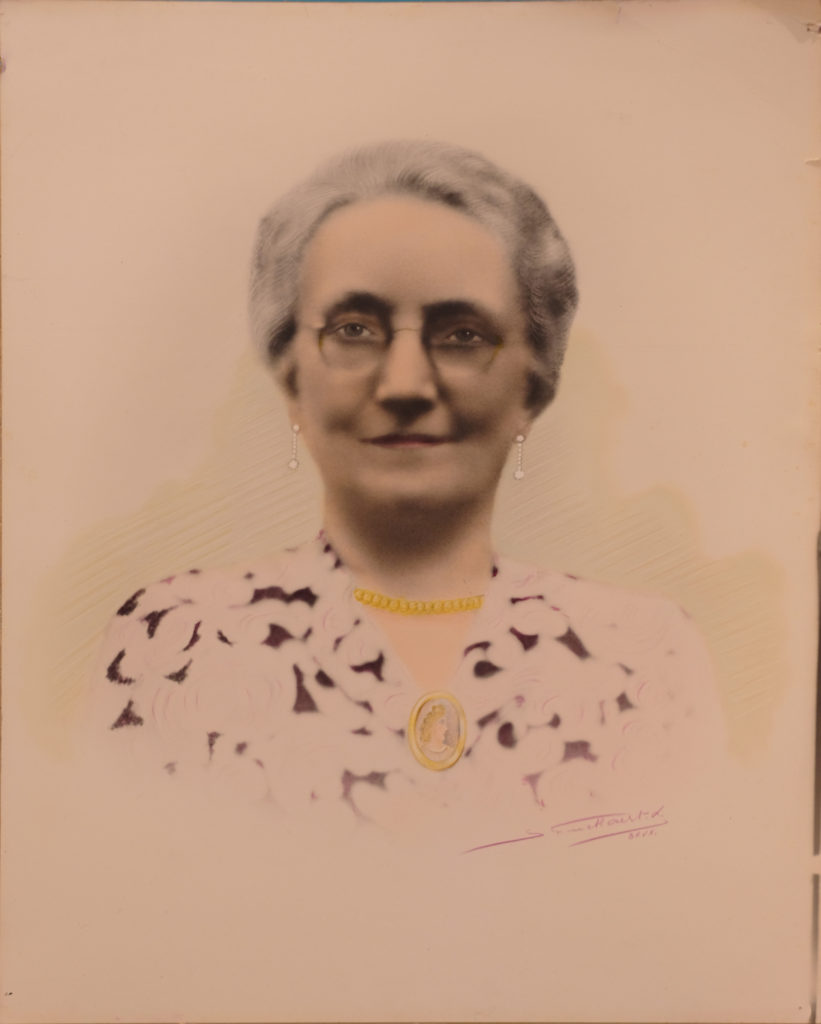
Miss Clara Van Kerckhoven (…-1951)
The cleverest of the aunts.
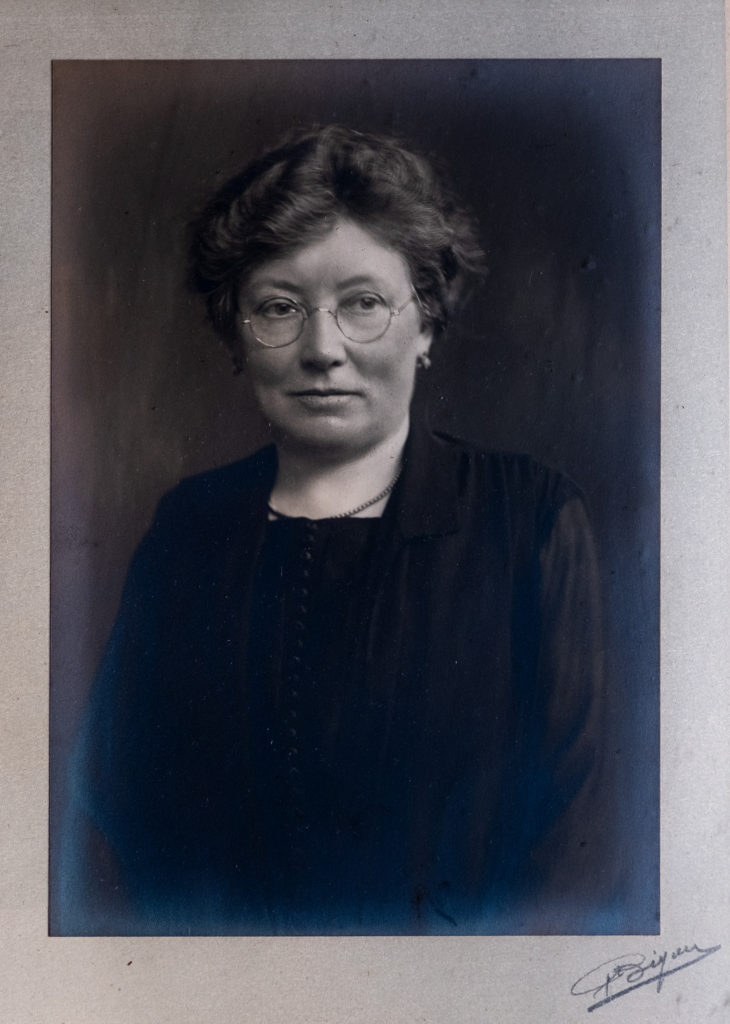
Miss Sylvie Van Kerckhoven (1878-1949)
The sweetest of the aunts.
Sylvie is the embodiment of pure commitment and great joy in life. Sylvie goes to church every morning and to confession every week. If devout Sylvie forgets to confess a sin, she turns right around and joins the long queue again.
“Her sisters, my dad and uncles repeated how deeply humane Sylvie was. Her life was marked by self-sacrifice. She was discreet and yet very present in the business in Aarschot. Since my youth I have been enchanted by Sylvie. I also have a portrait of her in my home. Love shines from her face.” – Pieter
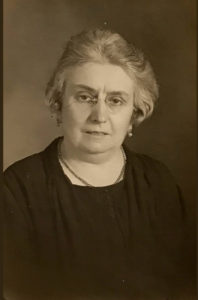
Miss Maria Van Kerckhoven (….-….)
Aunt Maria prepares incredibly delicious things.
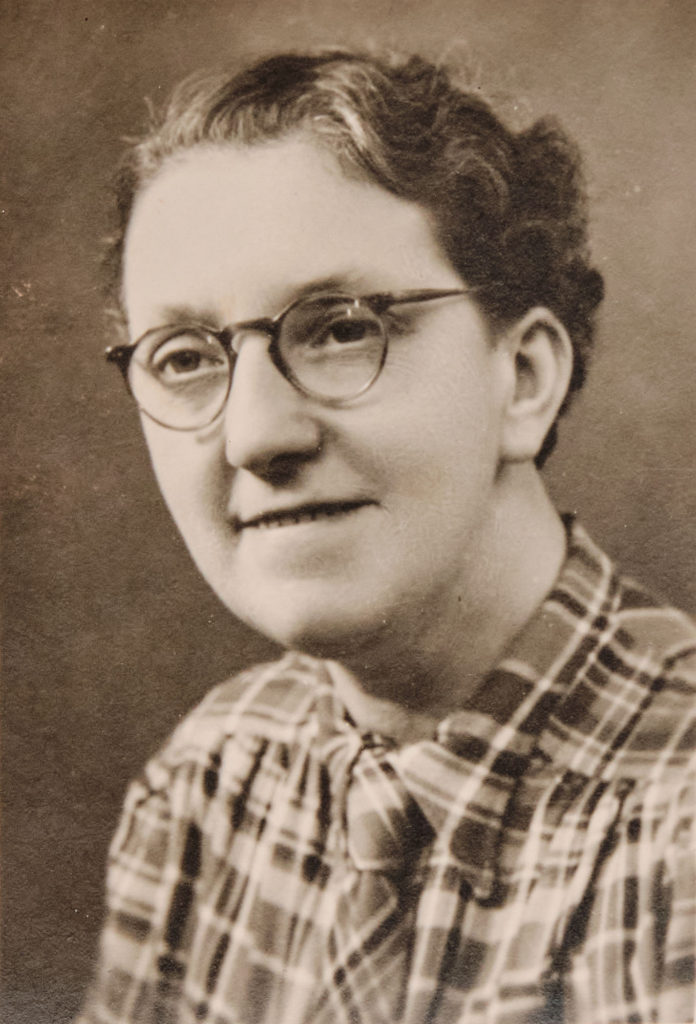
Miss Josephina Van Kerckhoven nicknamed ‘Josse‘ (1899-1981)
Provocateur aunt.
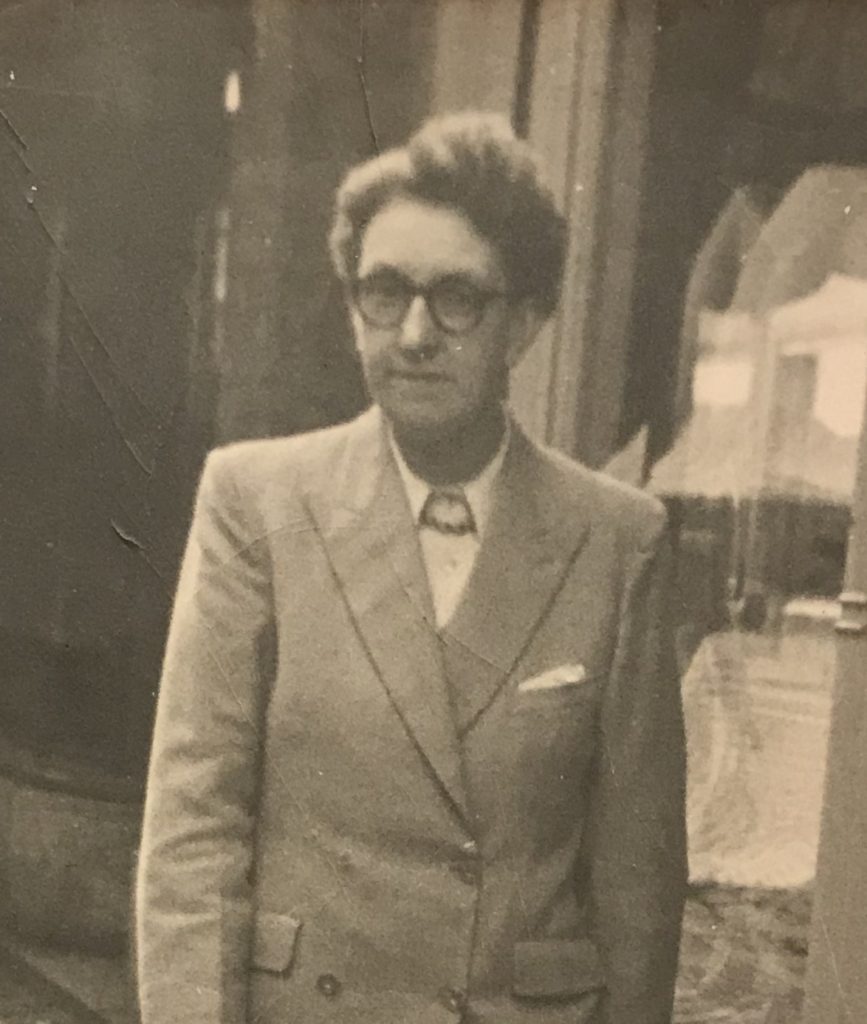
Josephina – “ Miss Van Kerrekoove ” or “ Miss Josse ”: a delightful escape through laughter.

Identity card of Josephina Van Kerckhoven.
“Miss Josse” sells belts, hats, berets and gloves, for ladies and gentlemen alike. They are durable and have traditionally been made in hunter’s colours in Austrian style, without much fuss. In the shop stands a wooden hand for pulling the glove over, so that the glove opens up. Josse uses talc so that the leather gloves slide easily over the hand.
She is eager to make off with the till takings and to hand them out to people in vulnerable situations. The dissatisfaction among her sisters grows and they are forced to lock the till and hide the key. Josse takes the restriction hard. With her own hand she puts her occupation ‘Trader’ in brackets on her identity card and replaces it with ‘none’.
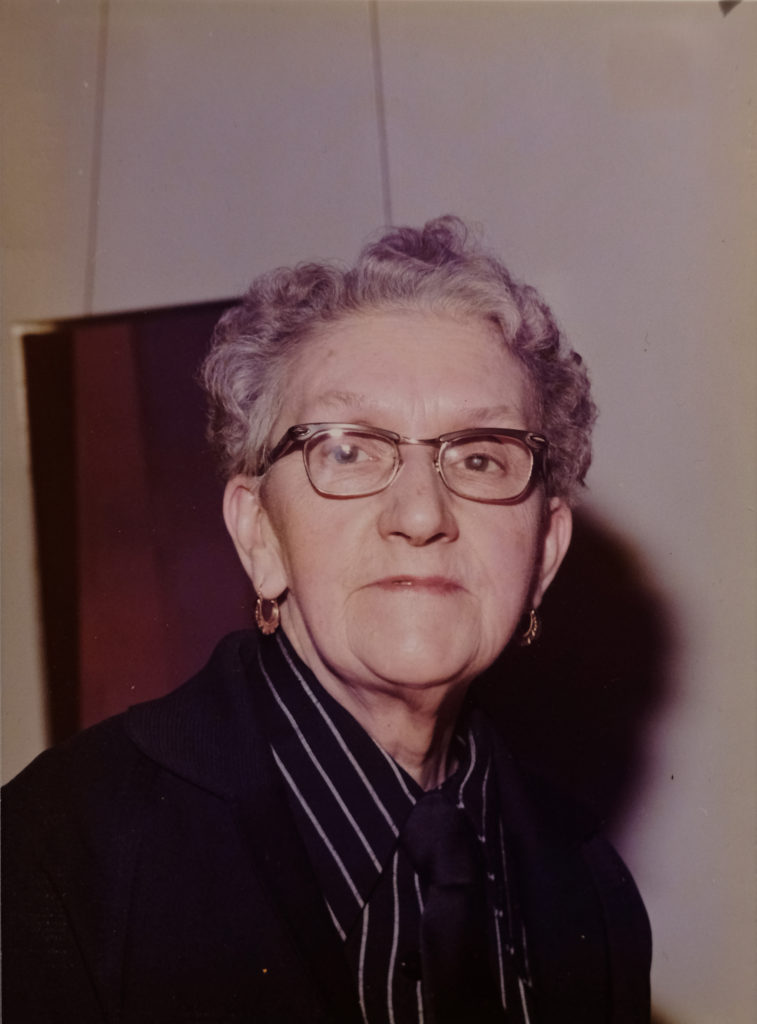
Miss Josephina Van Kerckhoven “Josse” (1899-1981) (photo: 1976)
During the First World War, Josse works as a volunteer with the Grey Sisters of the Hospital in Aarschot. Joske scrubs the floor, which is smeared again and again with the blood of the many wounded.
Josse stands up for the gnarled rascal Frie, who resists his parents’ mollycoddling. “Os Frieteke” (our Frie) often gets to go along to the Aarschot fair, the Leuven fair and the Foire du Midi in Brussels. On the train, Josse hands out cigars to passengers!
Josse is a notorious figure in Aarschot. Straightforward or ill-mannered, it depends on how you look at it. Funny and moody Josse speaks ‘Osschots’.
A woman who dresses as a man and smokes cigars is quite unheard of in Aarschot. In big European cities gender and identity are more fluid than in the provincial town of Aarschot. Josse has a secret love, a woman from the Tuinwijk. Josse and her friend decide to come out and want to live together. The family is fiercely opposed and also wants to avoid Josse’s generosity being abused. Tolerance is not the norm when it comes to gay rights. Against the categorical ‘njet’ of the brothers Paul, Jos and Frie, Josse can do nothing. She is threatened with legal measures. The future looks uncertain for Josse. She yields to the pressure and is sadly forced to end the relationship abruptly. With a deep sigh and visible reluctance she nonetheless accepts the family’s will and returns to the caged life at Leuvensestraat number 5. Her mood swings, which are probably a direct consequence of this, cannot be parried. In Aarschot people speak of her in a condescending tone. Yet Josse also gains recognition, for her ideal has remained the same all those years: to work for the needy, to whom she gives not only a great deal of money but also cakes and drinks. Josse gives the birds two loaves of bread to eat every day!
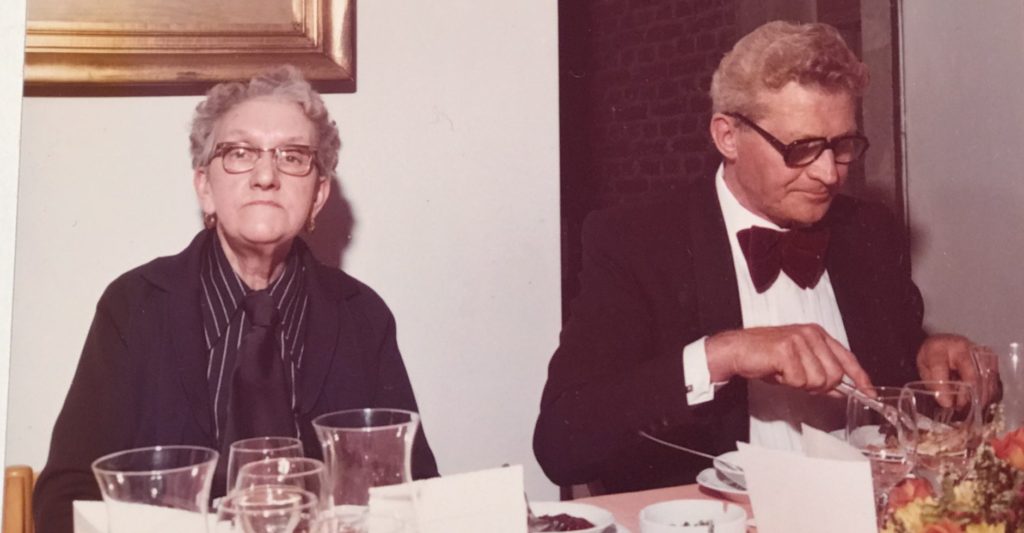
Josse and honorary mayor Rutten of Kinrooi, the grandfather of the mayor of Aarschot Gwendolyn Rutten. (photo: 1976)
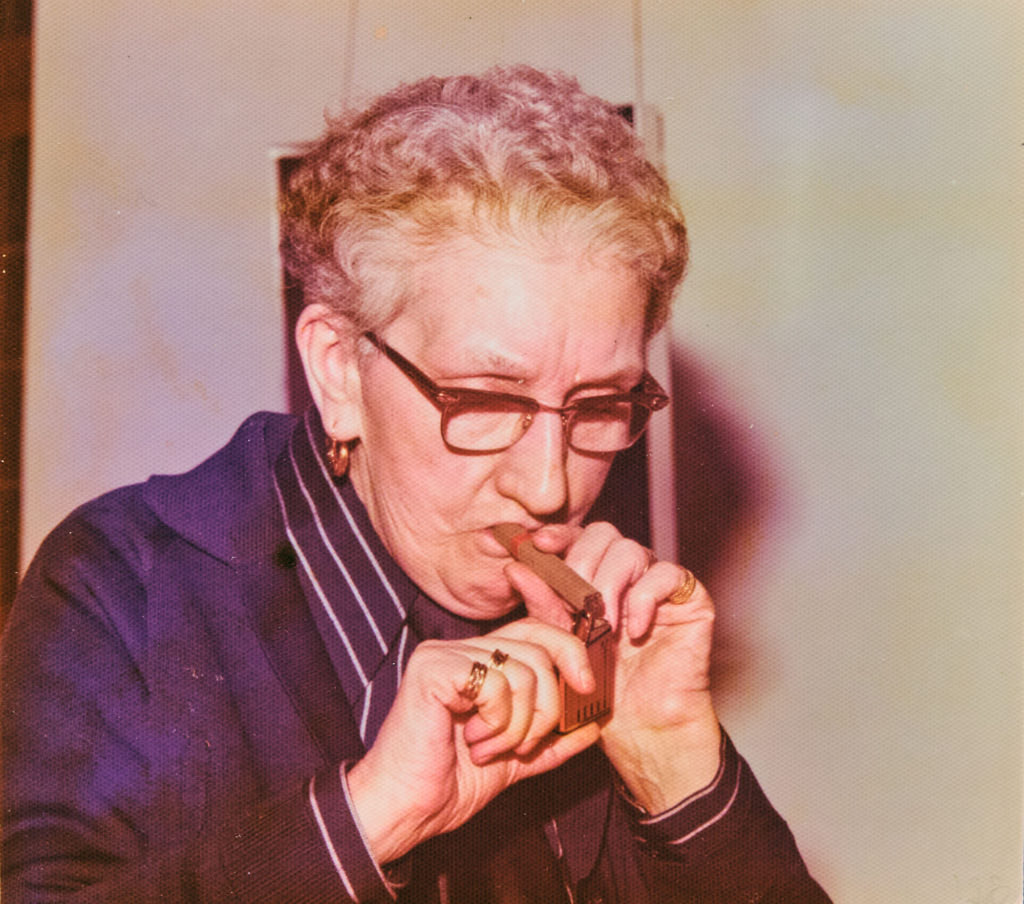
Josse (photo: 1976)
Provocative, overconfident but actually also charming.
THE AUNTS WHO MOVE AWAY TO LEUVEN.
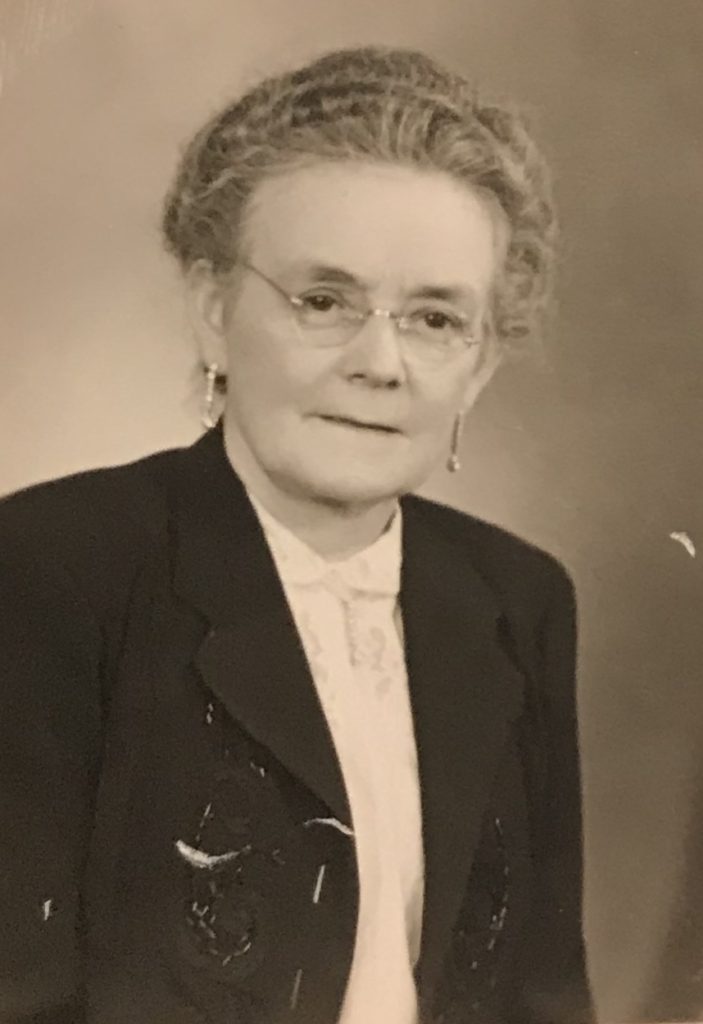
Miss Margaretha Van Kerckhoven (1890-1960)
High-earner aunt.
Margaretha is a ‘grande dame’ bursting with fighting spirit. She stands firmly behind the business and firmly behind Frie and his brothers. She takes the initiative to start a second business in Leuven on the Oude Markt. The two world wars make it an arduous project, because the economy is brought to a standstill twice. Then the staff are at home, and she herself often too. They are unprecedentedly complicated periods in which to run a business. Margaretha does not admit defeat just like that. Above all, solidarity and pulling together ensure that this top businesswoman, despite crises, turns the business in Leuven into a source of prosperity.
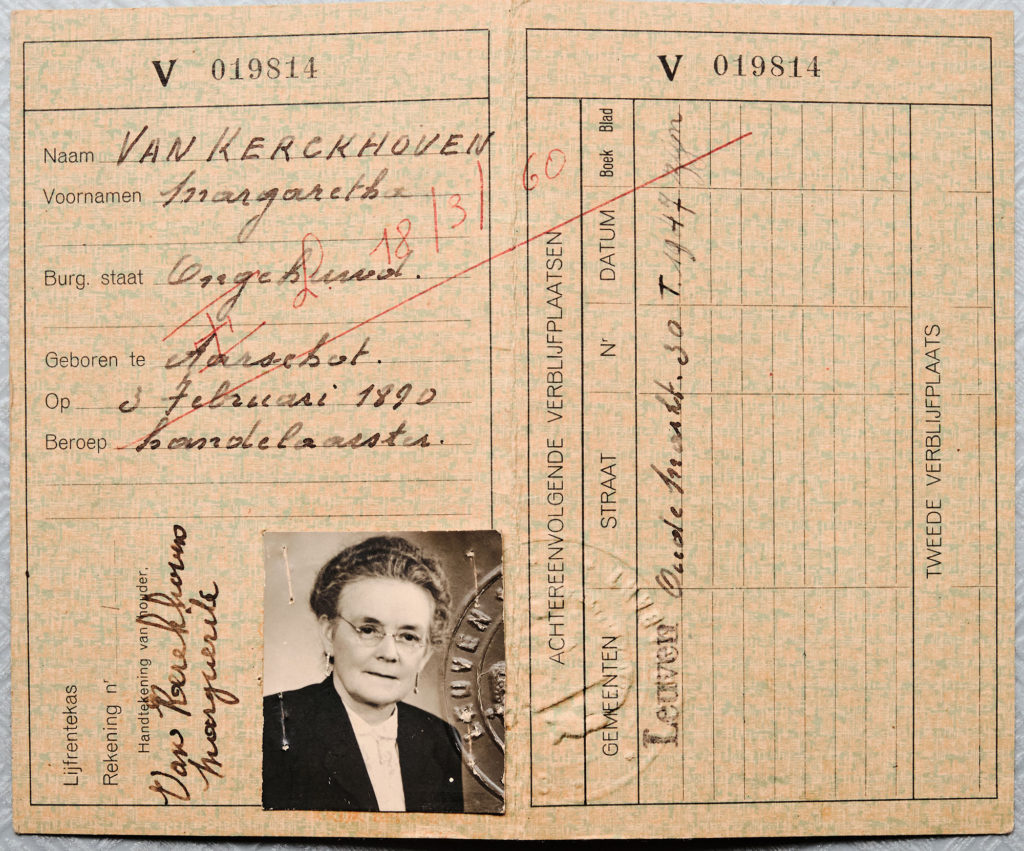
Identity card of Margaretha Van Kerckhoven.
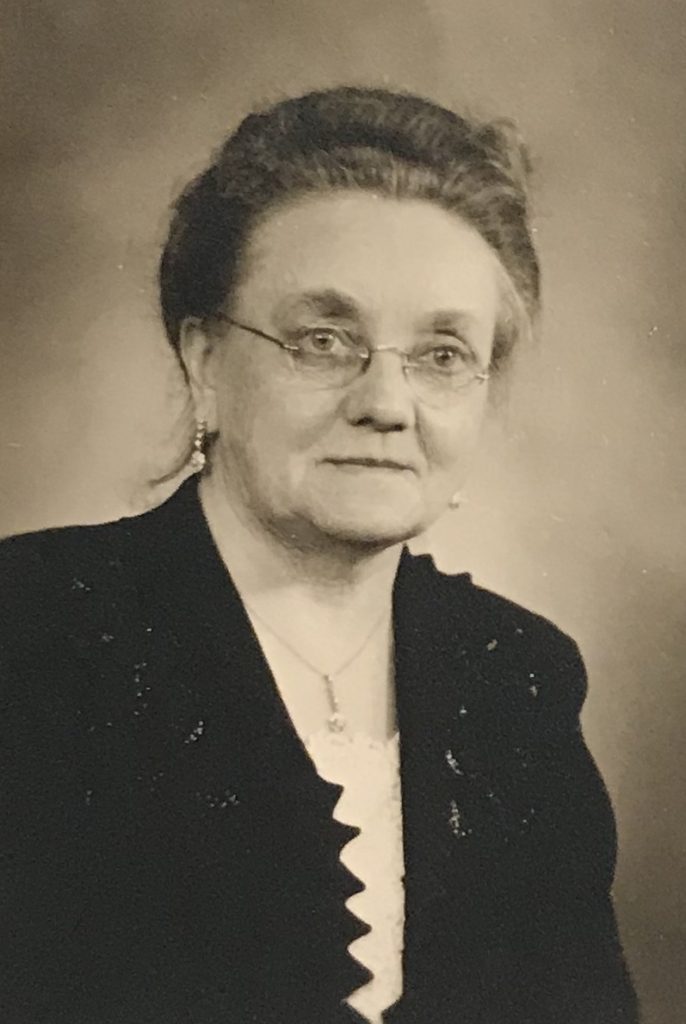
Miss Bertha Van Kerckhoven (1894-1963)
At the end of the Second World War, Bertha witnesses the enormous devastation of the bombings. Because of post-traumatic stress disorder, she ends up in a wheelchair for the rest of her life.
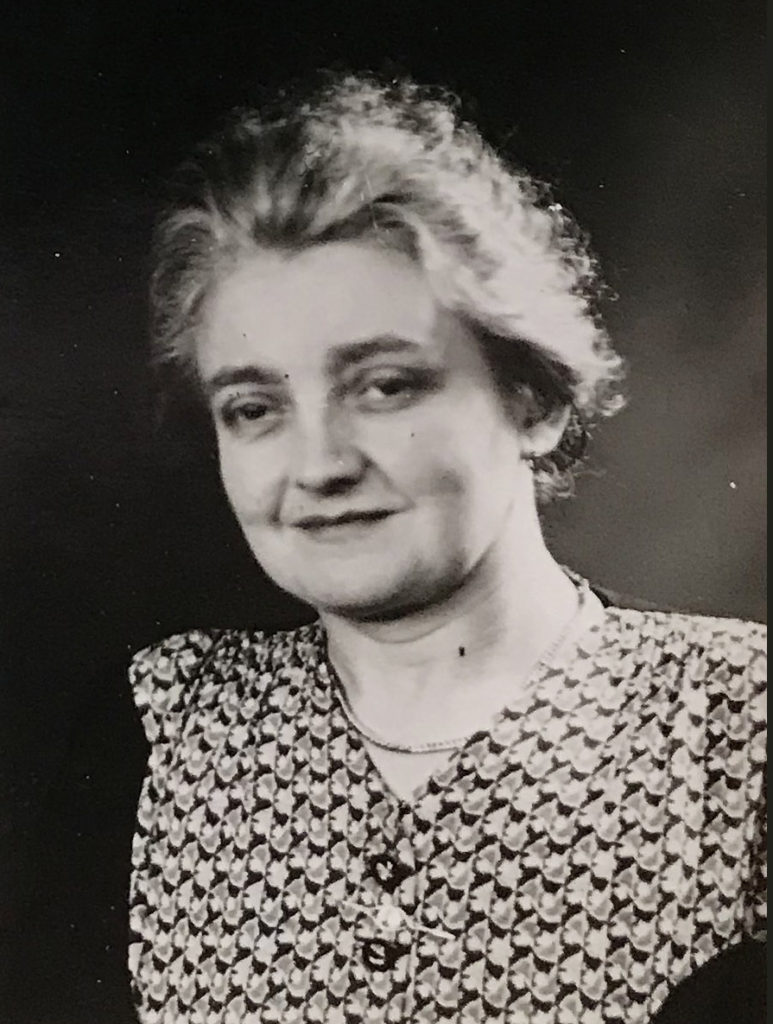
Miss Elvire Van Kerckhoven (1900-….)
Elvirestudies at the boarding school in Laken, where her uncle (war orphan Richard Vermaelen) is parish priest. She helps run the business in Leuven and looks after the shop window. Making the window display she called “De veu doen” (the front of the shop).
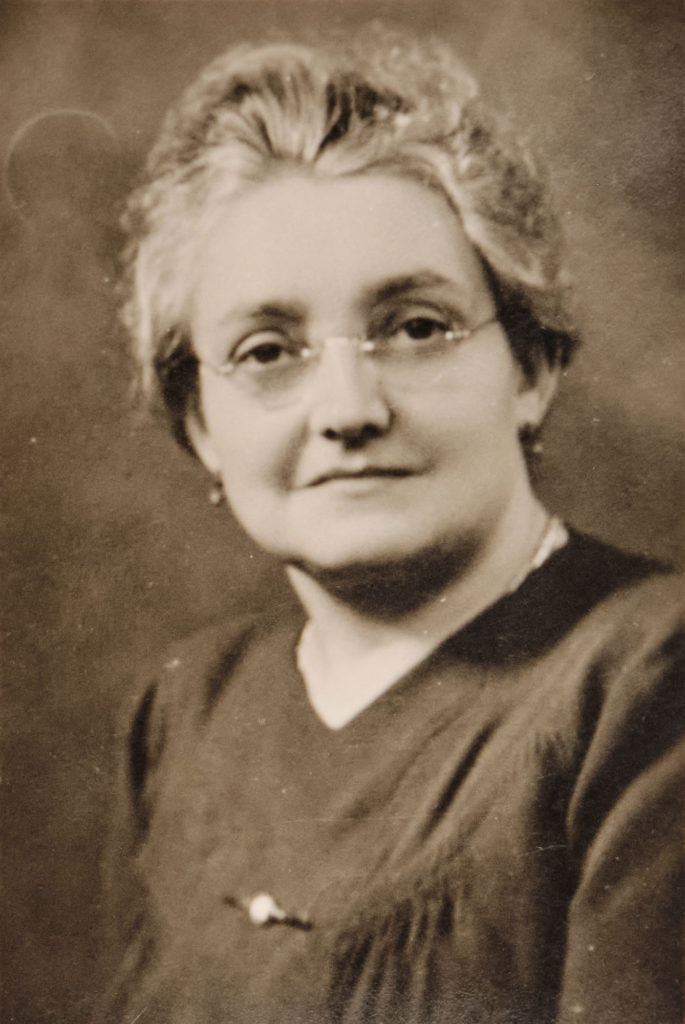
Elvire, nicknamed ‘os Vie’.
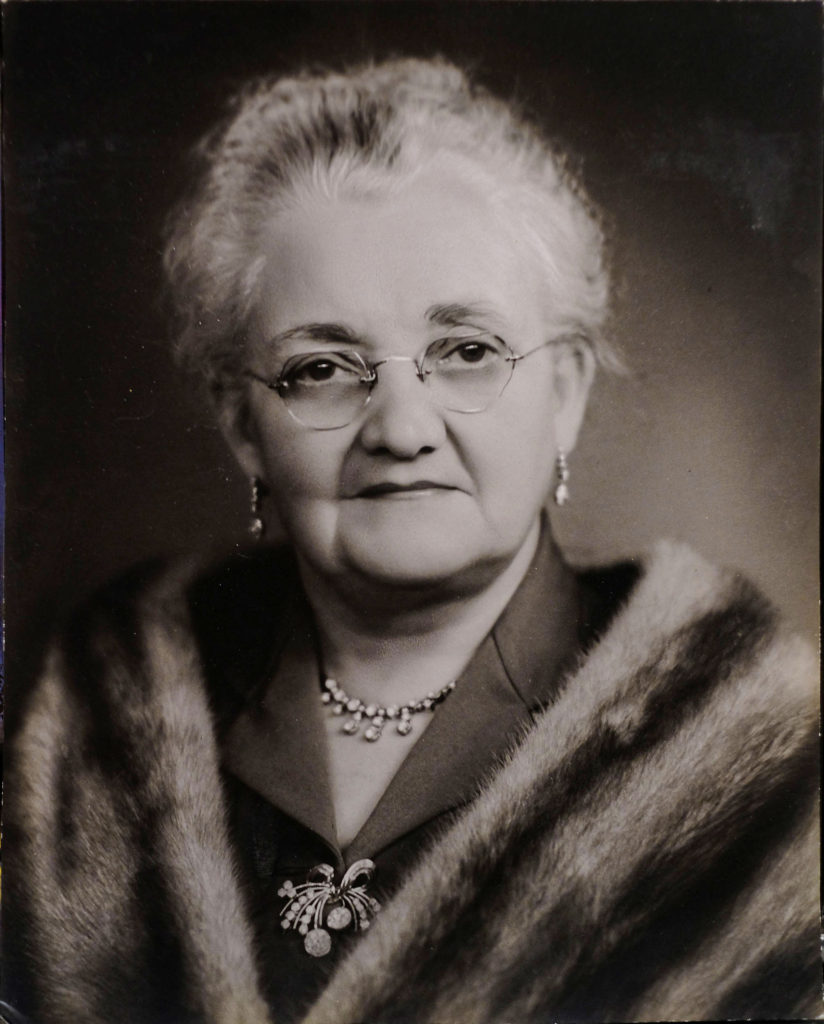
Miss Elvire Van Kerckhoven (1900-….)
An aunt with a distinguished air.

Elvire, old but still sharp. (photo: 1976)
“In the photo you see my aunt Elvire as I knew her. I gratefully treasure fond memories. Without aunt Elvire I could not have written this section.” – Pieter
“For my first communion I received a cassette recorder. I tied the little device to the saddle of my bicycle and rode to Aarschot to interview aunt Elvire and aunt Josse.” – Pieter (recording around 1977)
Not only are quite a few diamonds attached to Elvire, but also the story of the atrocities in Aarschot during the First World War.
“The Germans had shot their own colonel, who was standing on the balcony of mayor Tielemans’ house on the Grote Markt. The Germans accused the mayor of the shooting. Mayor Thielemans defended himself and said: ‘How can I have done it, I am standing here handing out cigars to the German soldiers.’ Subsequently all the men of the Martelaerenstraat were dragged out of their houses and shot, including my uncle Richard together with the mayor and his son.
On 28 August 1914 we were locked up in the Onze-Lieve-Vrouwekerk while the town was systematically looted and burned to the ground. After futile attempts to set fire to the church as well, with many people of Aarschot inside, our family had to walk to Leuven, where we were locked up in a stable with straw. Officers smoked cigars and, laughing, let the burning ash fall into the straw. My two brothers Arthur and Richard were put on a transport towards a labour camp.” – Elvire
Elvire is a fan of the tenor Rudolph Shock and never misses the New Year’s Concert in Vienna. Although, according to her, it has declined sharply since the departure of conductor Boskovsky.
Frie also loves Viennese waltzes and praises the Wiener Philharmoniker, with exclusively gentlemen in tuxedos as musicians. Not a single woman is a member of the orchestra: “That only brings trouble, with the result of less concentration on the music. And besides, a woman with a violin or a drum, that’s not a sight.”- Frie
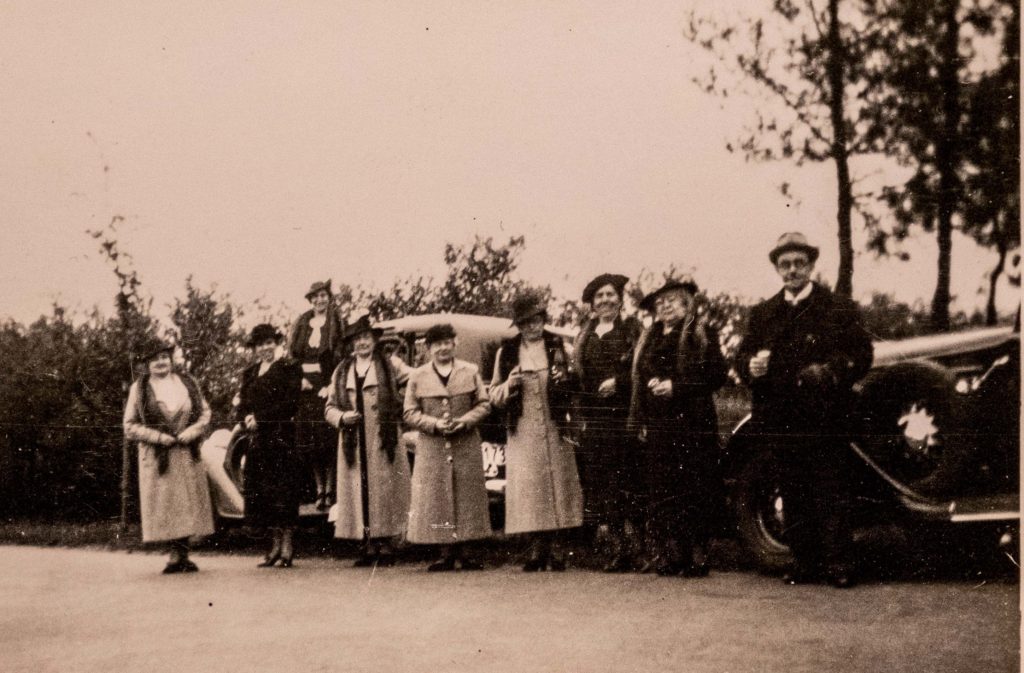
Arthur and the seven sisters out and about with their familiar attributes of prosperity and standing: fine cars, jewellery, fur and Champagne in silver cups for the road.
If something or someone is still missing from the family portraits, it is Frie’s mother. Clementina is overlooked every time. She sells fabrics and fur coats from Monday to Sunday noon to secure the financial future of her sons and their descendants as far as possible. She feels treated without affection by the aunts. Aunt Josse takes and develops the photos herself.
XII. PROFESSOR VAN BUGGENHOUT.
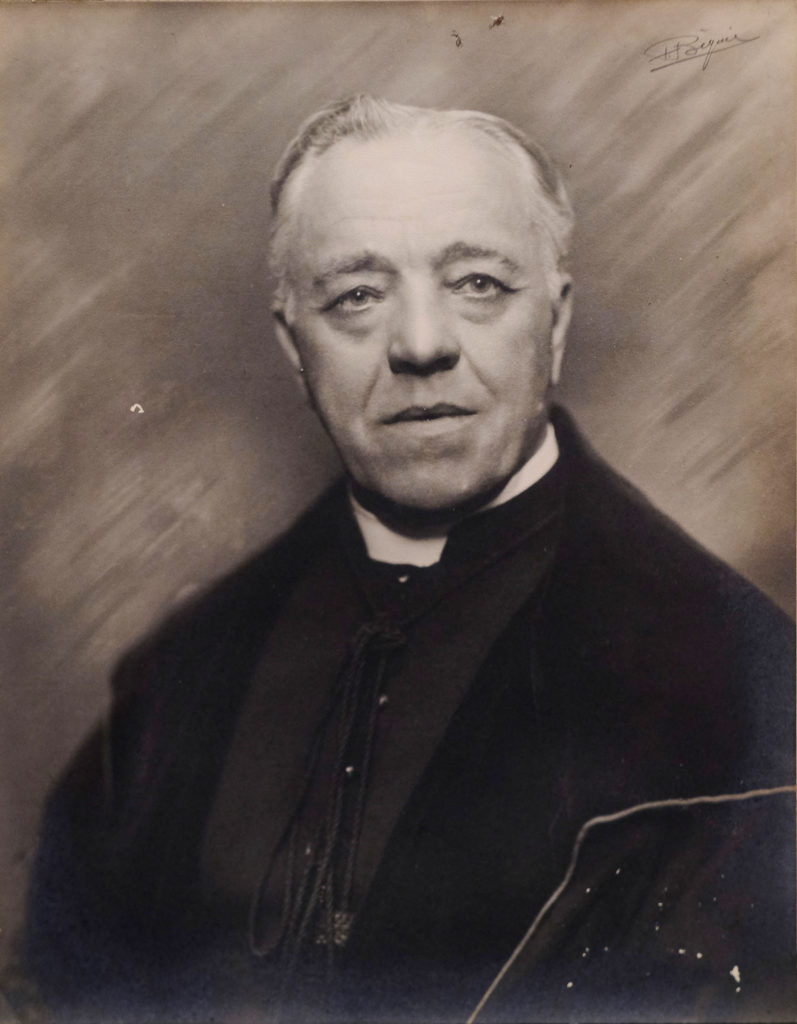
Canon J.B. Van Buggenhout Professor Emeritus (1875-1952)
Professor Van Buggenhout lodges with the Van Kerckhoven sisters in Leuven. A chapel is set up for Van Buggenhout. Only proud Elvire may look after the chapel. For the cleaning lady it is forbidden territory. The aunts are deeply fond of their lodger the canon.
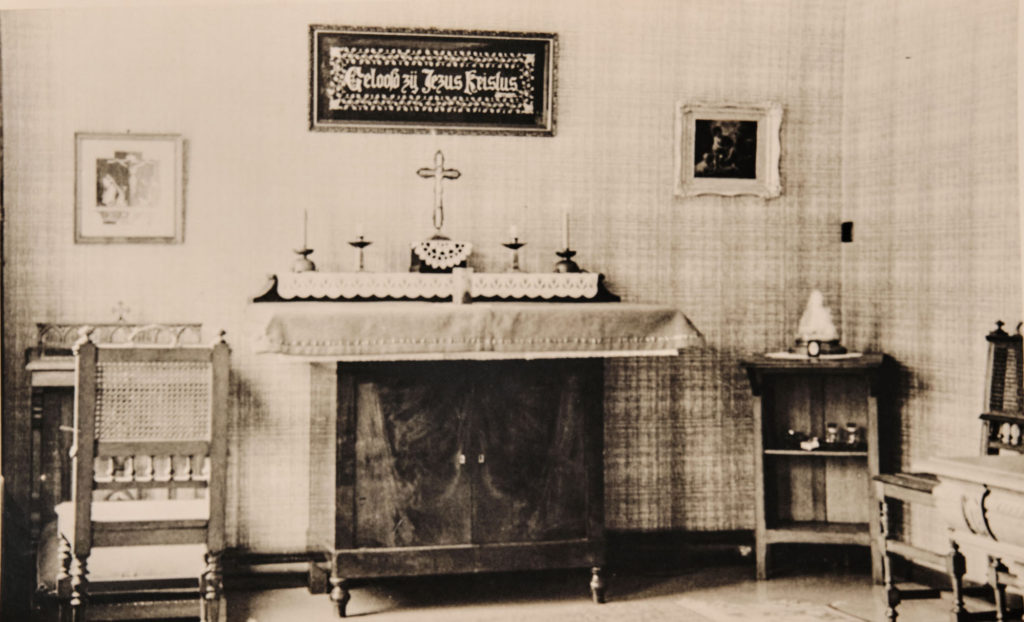
The chapel at the aunts’ home.
The crucifix on the altar was donated by Guy Van Kerckhoven to the church of Le Contadour in Provence.
Van Buggenhout teaches Chemistry to the first-year students of the Faculty of Medicine. He is a great wine lover and regularly organises a wine evening at the Misses Van Kerckhoven’s. The well-known Leuven wine firm Boon-Hecking from the Vaartstraat supplies the wines. On those occasions he invites his colleagues from the Faculty of Medicine, among them the eye specialist Professor Appelmans, nicknamed ‘the Eyeball’. To his students as well as to the Misses Van Kerckhoven, ‘the Eyeball’ repeats: « Look into my eye. » His brother René, professor of Surgery, nicknamed ‘the Pee Apple’, is also invited. ( No distinction was made at the time between surgery and urology. It was a subordinate specialisation within Surgery). They visited there very regularly. The aunts’ ‘Weinstube’ is well known at the Faculty of Medicine in Leuven. Church dignitaries from Mechelen are also regular guests of Frie’s aunts.
“The men in mauve came from Mechelen in limousines with chauffeurs. The neighbours on the Oude Markt were impressed every time.” – Elvire
„Und so geht alles vorüber und so geht alles vorbei, but a piece of cake can still be squeezed in!“ or „La vie est amère et les pommes de terre sont chères!“ quips key figure den Bug. Does he mean „et les femmes sont chères“?
The aunts’ powerful connections help Frie and his brother, who is studying medicine, get ahead. (The university was much smaller than today and initially French-speaking. Among the professors were many clergymen.)
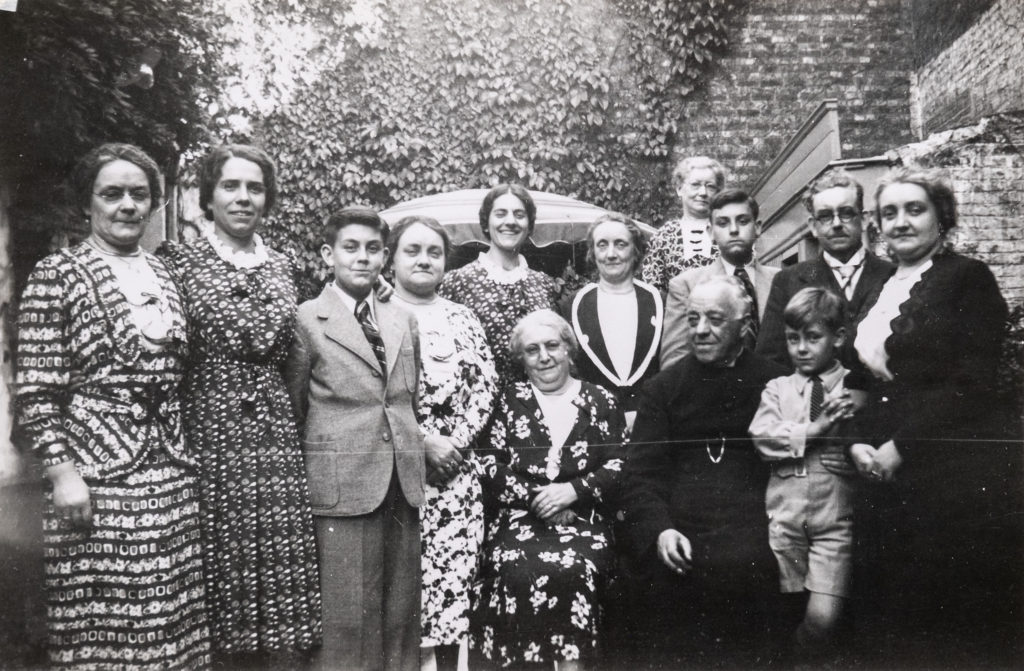
aunt Margaretha -.. ?.. – brother Jos – aunt Bertha – ..?.. – aunt Maria – aunt Clara – aunt Sylvie – Canon Van Buggenhout – brother Paul – Frie – father Arthur – aunt Elvire.
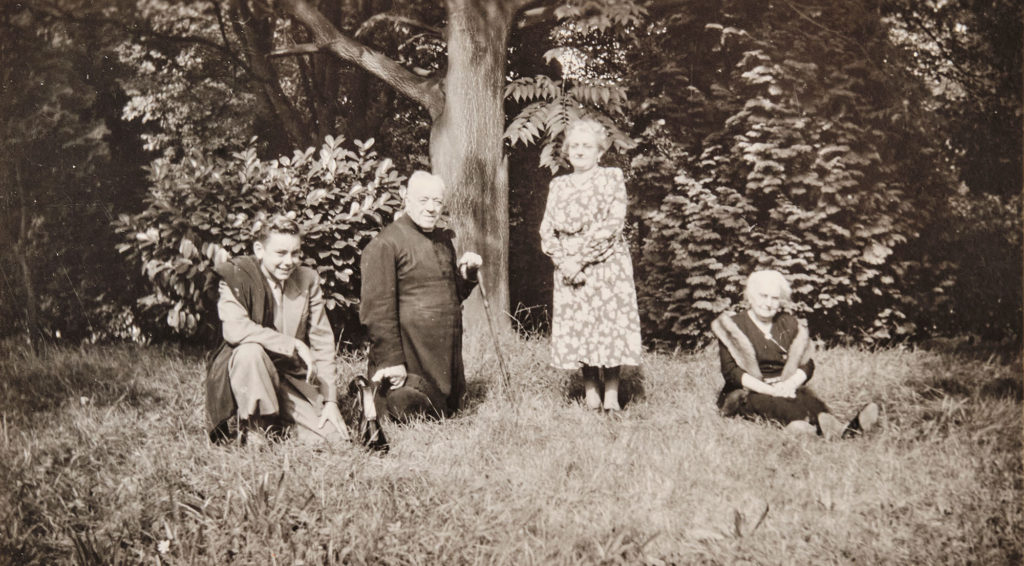
Frie, Professor Van Buggenhout, Elvire, ?
In 1960 Elvire and Bertha return to the parental home in Aarschot, where Josse has stayed on after the death of their sister Margaretha. But what is in the cask does not turn sour. Elvire hangs a portrait of herself on the wall to the right of the chimney and one of Professor Van Buggenhout to the left of the chimney. Whenever Elvire holds a grudge against den Bug, his portrait is replaced by that of the pope. Between the sisters and their canon it had been like a tragicomedy of ego and envy. The church community has wheedled money, art and silverware out of them. But when the pope appears on television, her sister calls out to Elvire in ecstasy: “Vie, hurry up and get here, the pope is on telly!”
XIII. STUDIES.
« Disciplina vitae scip” « Education is a staff for life »
Frie first attends the Sint-Jozefscollege in Aarschot, then the Sint-Michielscollege in Brasschaat.
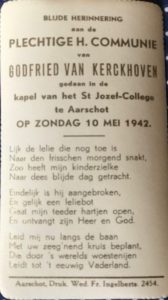
Frie’s solemn communion holy card.
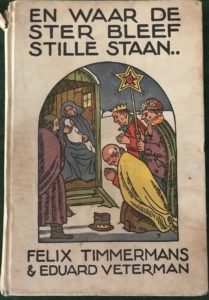
“Suskewiet – Het mirakel gebeurt in Vlaanderen”
This booklet belongs to Godfried. The role of the shepherd is played by Frie at the Sint-Jozefscollege. It is his fondest childhood memory.
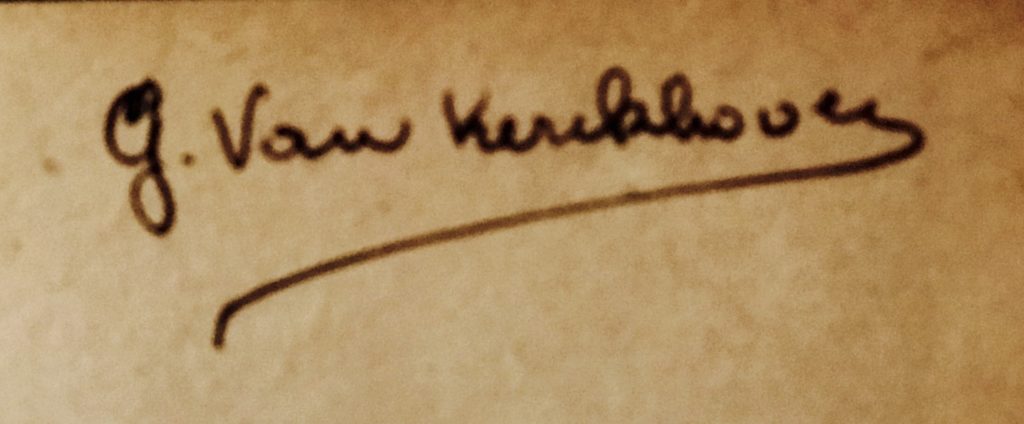
Godfried’s signature as a child.
Frie likes to play pranks. He walks past the fish stall and shouts: “Stiene Foesj, you’re a fat fishwife with rotten fish!” Stiene Foesj gives chase to give Frie a good hiding. It does not take long for his parents to react and send him to the Sint-Michielscollege boarding school in Brasschaat, where he follows the Latin-Greek stream.
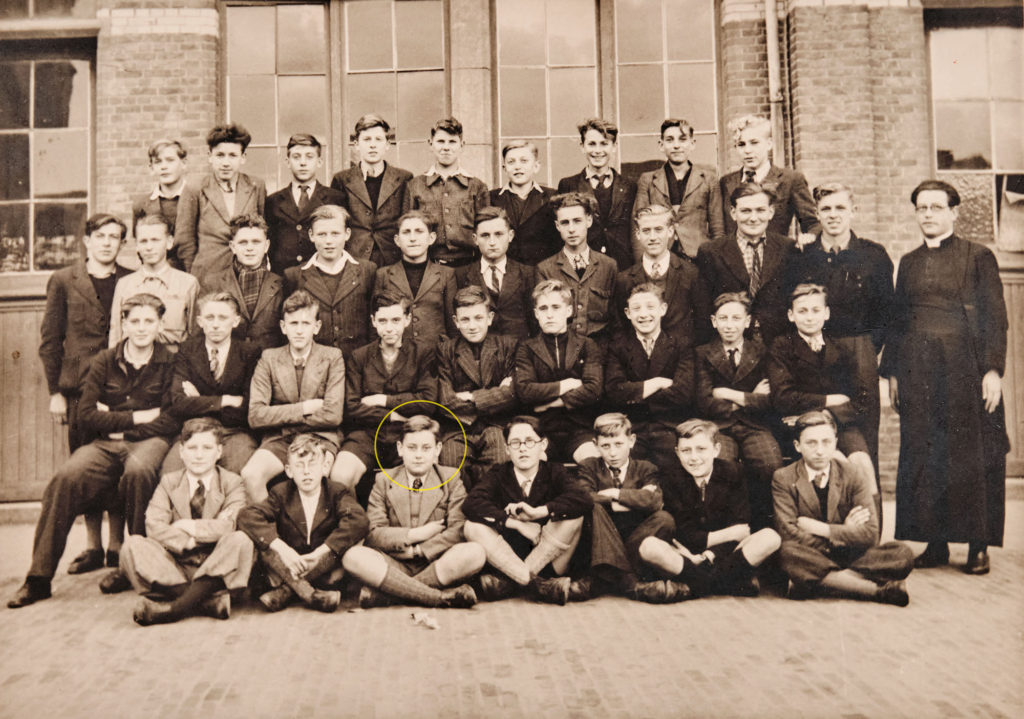
Fourth-year Latin at the Sint-Jozefscollege in Aarschot. (1945-1946) Thanks to his Latin-Greek course, Frie comes into contact with the foundations of our civilisation. He becomes acquainted with inspired poets, interesting philosophers and critical historians. Frie knows many Latin and Greek sayings and words of wisdom by heart. He always has a little notebook in his pocket in which he jots down sayings (hence quite a few sayings in this section).
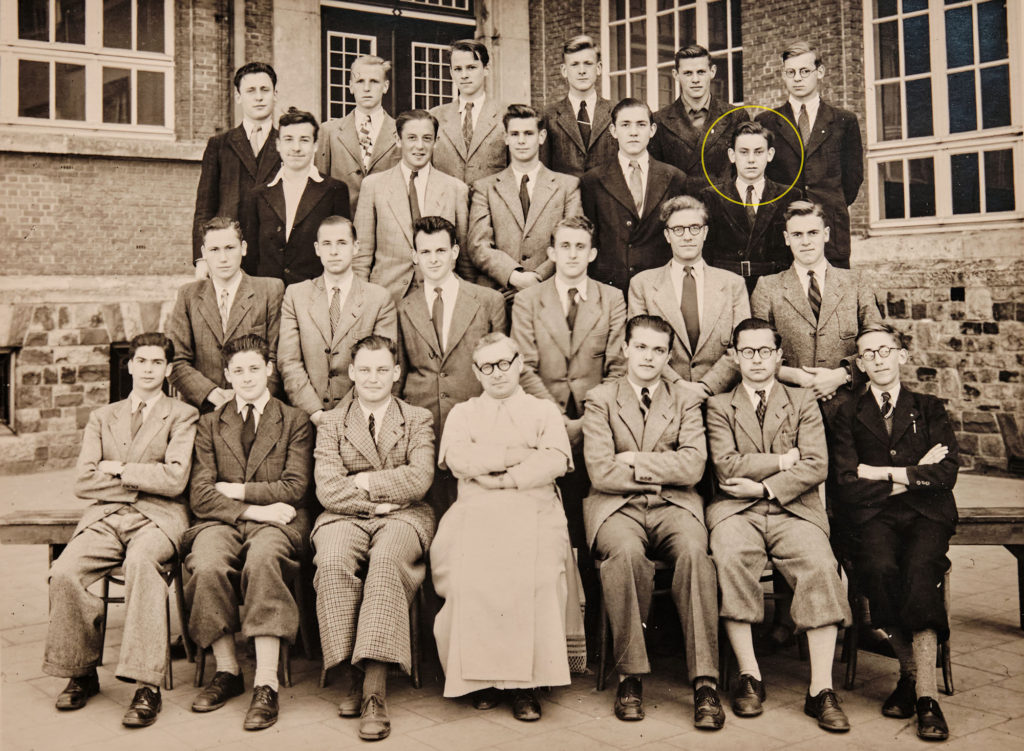
Rhetoric Latin-Greek at the Sint-Michielscollege in Brasschaat.
After rhetoric (the sixth year of classical or Latin-Greek secondary school), Frie goes to the KU Leuven campus to enrol, at his parents’ wish, in Commercial Sciences. The aim is for him to continue the fabric shop. But when Frie has the idea that there is little to choose without the aunts, he is quite right. There too the aunts interfere. A professor they know awaits Frie at the enrolment desk and urges him to choose law.
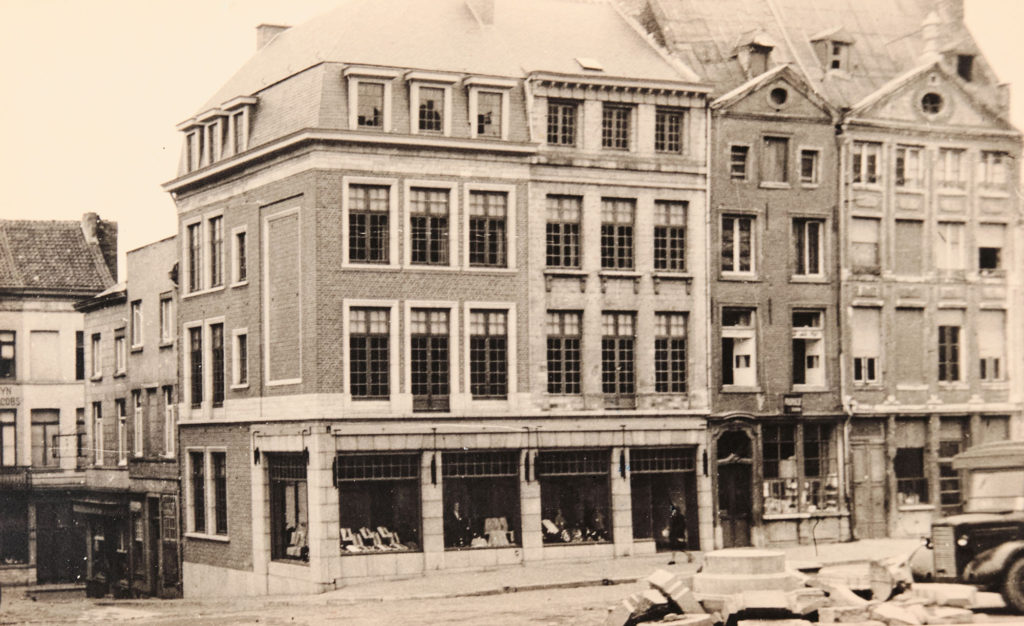
FRIE STUDIES WITH HIS AUNTS IN LEUVEN.
In this corner house on the Oude Markt in Leuven, which opens onto the Parijsstraat, Frie takes student lodgings with his aunts. It is mainly medical students who stay there in spacious and well-kept rooms. Christmas and New Year are celebrated among life-size nativity figures. On a Pleyel, light classical music is performed by the aunts.
“Being strict is also a form of love.” – aunt Margaretha Margaretha has a positive influence on Frie’s studies at the KU Leuven that should not be underestimated. She determines and limits his student life: attending lectures, cramming and praying is the invariable message.
XIV. PRO REGE (in the service of the king).
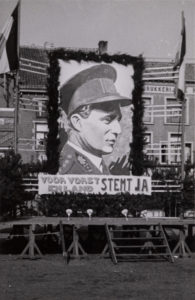
Godfried campaigns for King Leopold III on the Grote Markt in Aarschot.
In 1950 Godfried rallies firmly behind King Leopold III. He is part of the campaign team for the first and only national referendum as a solution to the Royal Question.
MILITARY CAREER.
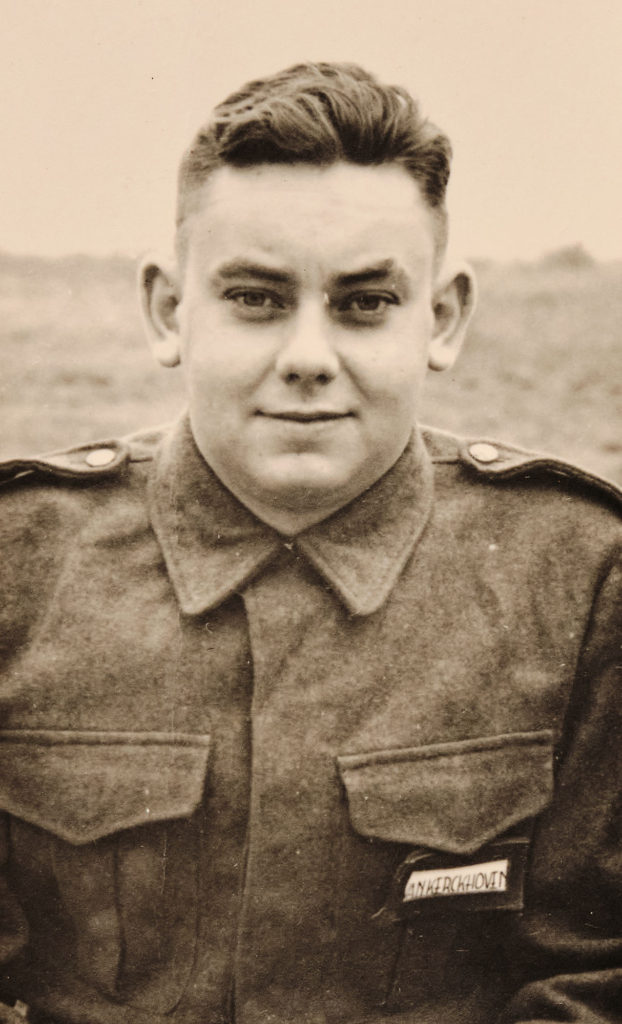
In 1956 Frie undergoes officer training with the Land Component of the Belgian Defence.
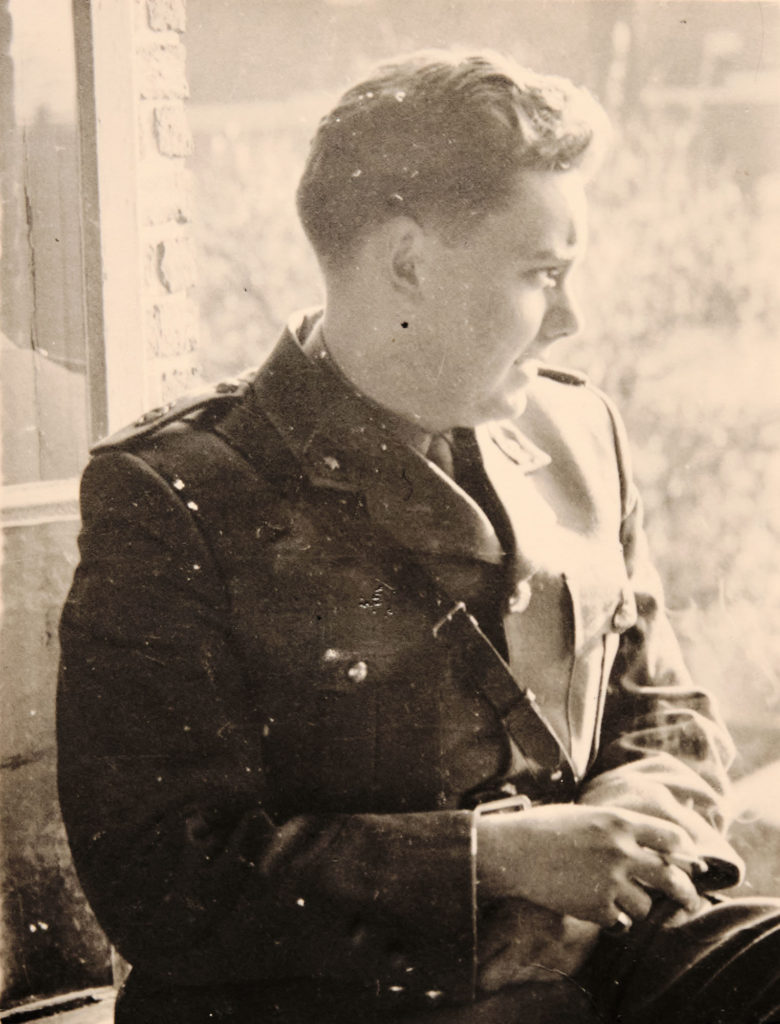
Godfried Van Kerckhoven, reserve officer.
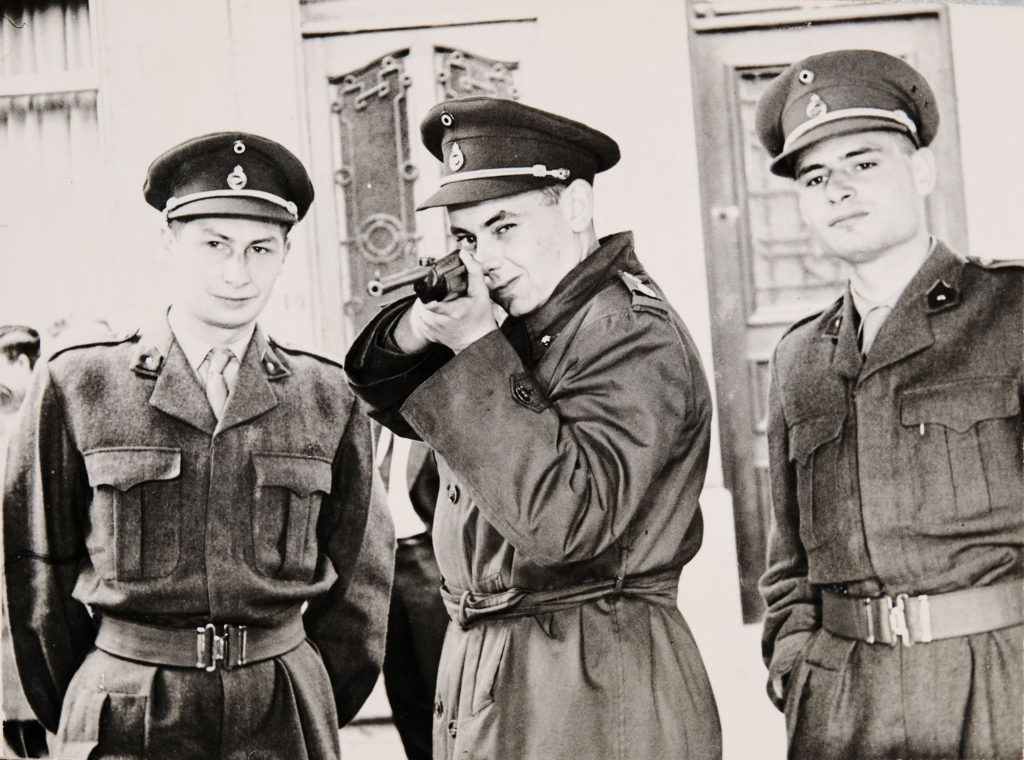
Fair – Leuven (photo: 4 September 1956)
« Inter arma silent leges »
“ Amid the clash of arms, the laws fall silent ”
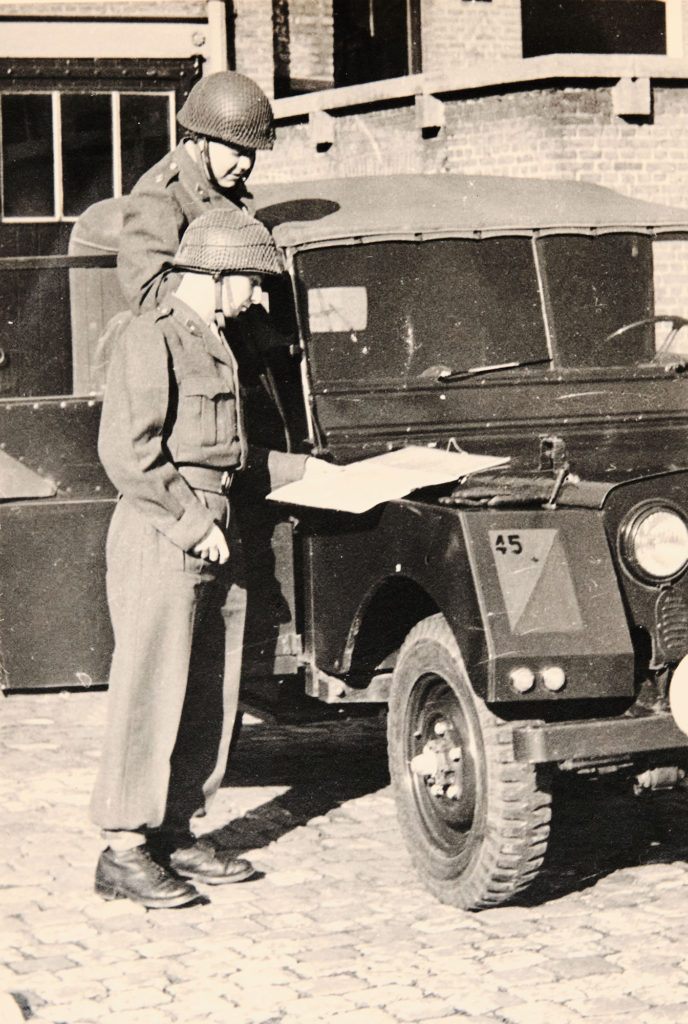
Frie described his military service as the best period of his life.
“Dad thought he could determine for me what is important or essential. He made an attempt to turn me into a reserve officer. After a strict upbringing, my hunger for skin, racket and hosanna was too great. I took a French-language course as a truck instructor and afterwards I was no longer inclined to dance to the tune of my superiors. I went to the psychiatrist of the military hospital complaining of being afraid of men in uniform, that I intended to jump from the Vilvoorde viaduct. For the rest of my military service I drew double pay as a mentally ill person and went to work as a sleeping-car attendant at Wagons-Lits. And as if that were not enough, at weekends I dived into the Brussels gay nightlife wearing my father’s officer’s uniform.” – Pieter
A feeling, a thought only truly exists for me when I can at the same time feel or think exactly the opposite of it. Gerrit Komrij (1944-2012)
Doing precisely the opposite is also a form of imitation, namely imitating the opposite. G.C. Lichtenberg (1742-1799)
XV. FUNCTIONS.
- Doctor of Law, Philosophy and Letters
- Reserve officer with the Land Component of the Belgian Defence
- Notary
- Deputy justice of the peace
- Co-founder of Lions Club Aarschot, twice elected president
- Honorary president Koninklijke Oudstrijdersbond Wolfsdonk-Langdorp
- President Bosruiters Langdorp
- Board member Koninklijk Verbond Veteranen Z.M. Koning Leopold III, Hageland region
- Honorary president Koninklijke Fanfare Wolfsdonk
- Board member OKRA and Ziekenzorg
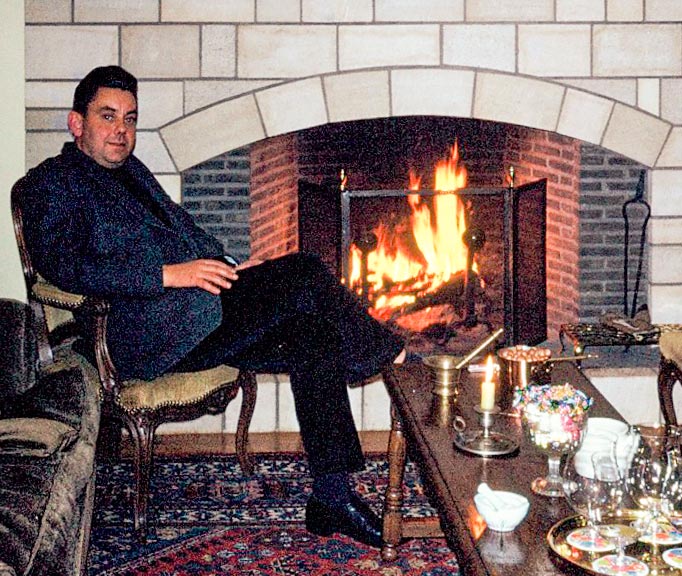
Godfried Van Kerckhoven – Elisabethlaan 15, Aarschot. (photo: December 1972)
XVI. NOTARY.
« Quod non est in actis, non in mundo »
“ What is not recorded in deeds does not exist ”
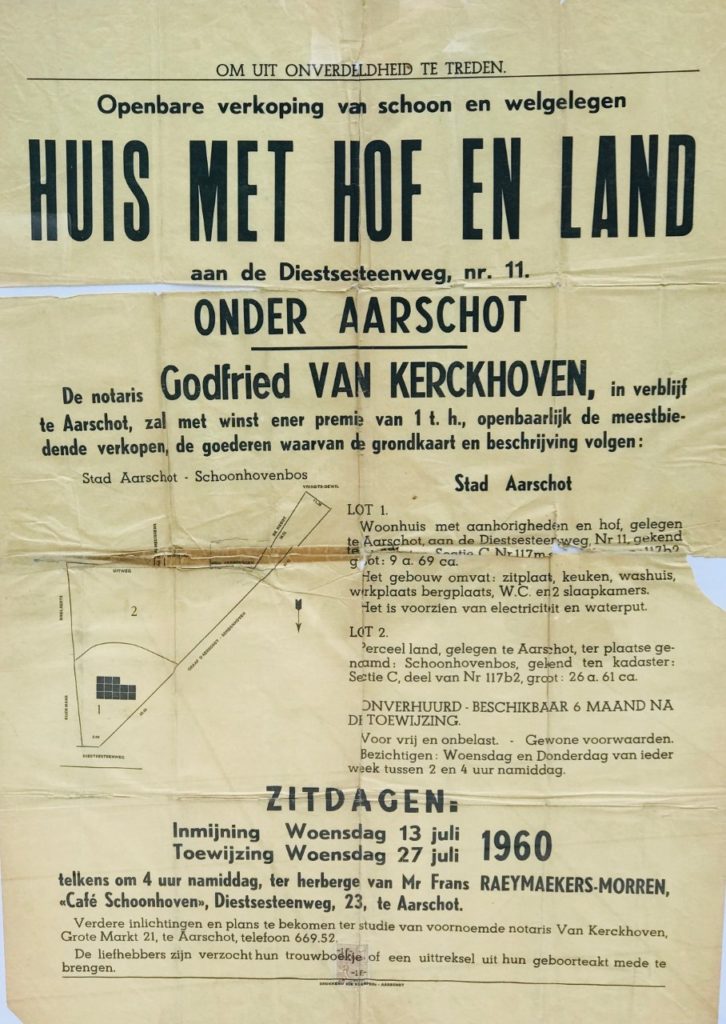
In 1959, when he is only twenty-nine, Frie succeeds notary Capuyns after his traineeship with notary Tuerlinckx in Haacht. Frie is the youngest notary in Belgium and the first Dutch-speaking one the Leuven district has known until then. His office is located in Aarschot on the Grote Markt. The entrance to the notary’s office is through the Unic department store itself, behind the vegetable stall! Frie builds up the office from scratch into one of the most important practices of the Leuven district.
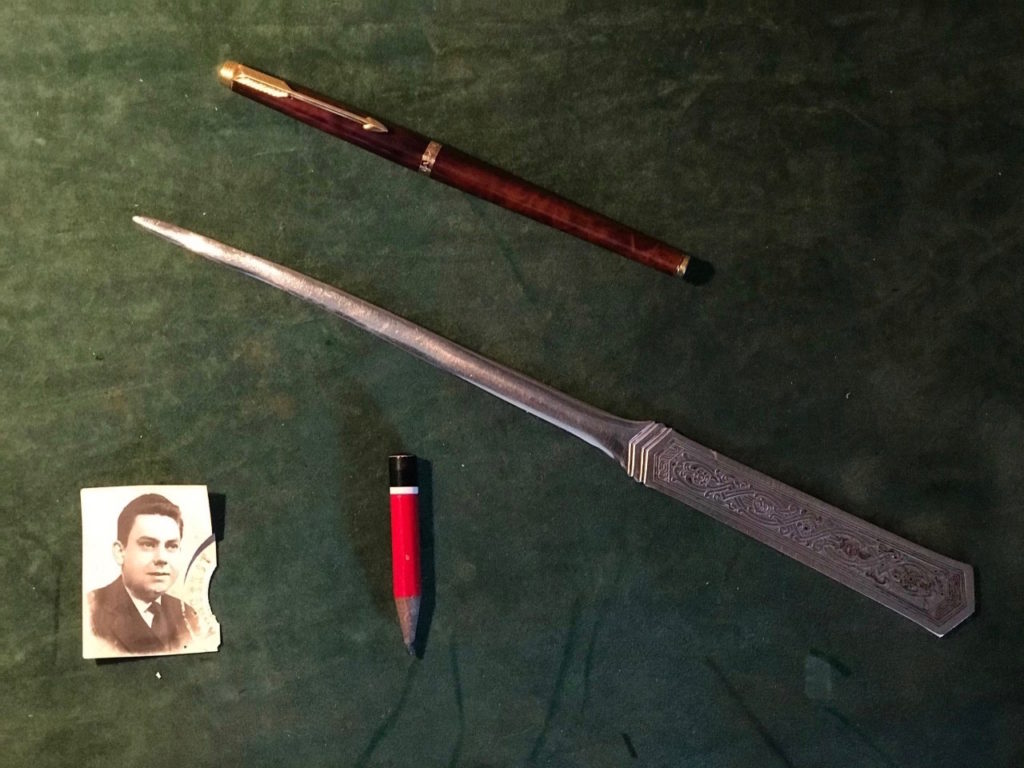
- Frie uses the same letter opener all those years.
- Frie’s fountain pen.
- Frie always has a pencil on him. In the photo you see his last one.
NOTARY FRIE VAN KERCKHOVEN SPEECH FOR NOTARY PAUL LOMMEE. (2011)
Your uncle, honorary notary Godfried Van Kerckhoven, appointed in Aarschot in 1959 with cantonal jurisdiction at the time and notary until 1998.
A brief look at the notarial office in 1959.
At that time: no mention of urban planning and certainly no urban planning, no tenancy legislation, no pre-emption right, no OVAM, no EPC, no mobile phone, no fax and no PC. Telephone connections had to be requested from the telephone exchange: “be patient, sir, the lines are overloaded”.
One and a half pages on standard format (at that time 50 BEF) sufficed for a deed of sale.
With the exception of a deed of sale, the notary had to call on two witnesses (deeds of gift, marriage contracts, deeds of notoriety, wills). The witnesses provided a regular service to the notary and were indispensable.
Public sales took place in a ‘little pub’, except public sales with the involvement of the justice of the peace court, always on Saturday morning.
Employees were not lawyers and managed to work their way up to ‘first clerk’ through their own study and practice. They worked every day until six in the evening and on Saturday until one in the afternoon.
No ‘stress’ at the office. A good clerk remained loyal to the notary until his retirement.
The notary’s weekend began on Sunday at one in the afternoon, because on Sunday morning the office was open.
Clients were not houndedby television and gossip magazines. They had confidence in their notary. People spoke of a regular clientele.
Case law and legal doctrine formed the foundations of our legal system. Nothing changed until 1962, when the ‘misery’ began, with constant new laws and decrees.
I have great admiration for today’s notaries who, despite all the worries, manage to steer the notarial profession in the right direction.
Paul, aunt Mia and I myself are proud to have a notary in the family.
We also wish you, with a view to a capable successor, a flourishing ‘fin de carrière’.
Congratulations, Paul, on your birthday. Congratulations to your charming Geertrui (Geertje), your dear children and mum.
Your uncle,
uncle Frie.
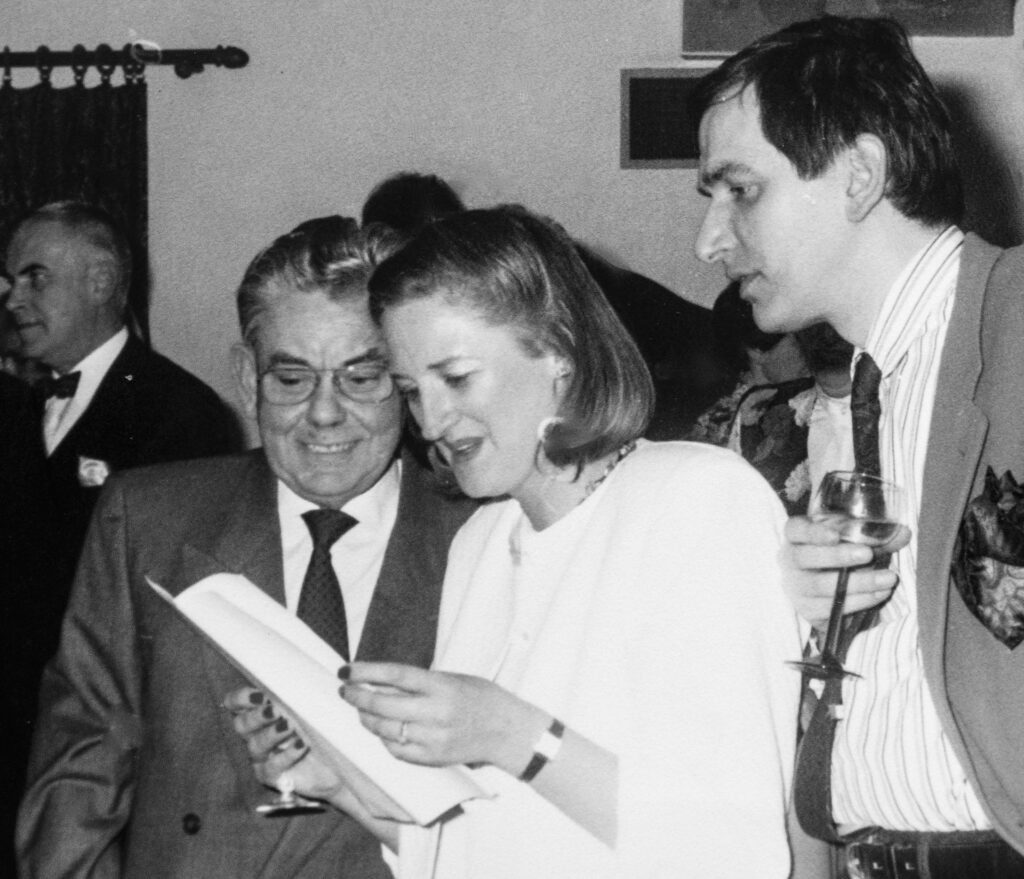
Frie, Marietje Van Kerckhoven Rutten and Paul Lommee.
Frie uses a long dining table from a Mechelen furniture maker as a desk in his workroom.. The following sayings hang framed on the wall:
“We make a living by what we get… We make a life by what we give” W. Churchill
« Audi, vide, tace, si vis vivere in pace » “ Hear, see and keep silent, if you wish to live in peace ”
In the office stands an art deco grandfather clock that sounds the Westminster melody every quarter of an hour.
Passing on the torch.
In 1998, after 39 years, Frie resigns his post as notary in favour of Dirk Michiels. The 68-year-old notary himself determines that his age and health no longer allow him to perform his office.
« Crescunt anni, decrescunt vires » “ The years increase, the strength decreases ”
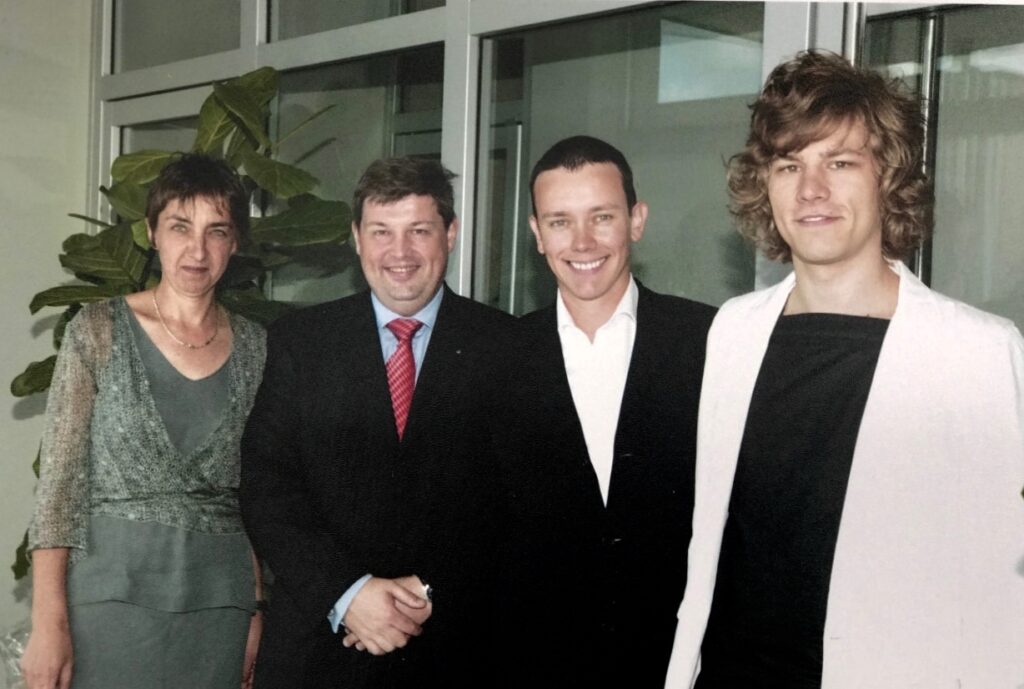
photo: two successors: notary Lieve Stroeykens and notary Dirk Michiels. Alongside them Pieter Van Kerckhoven and Tim Goossens, curator-writer from New York (originally from Begijnendijk).
“The notary’s office was a favourite place during my youth. I regularly lent a hand back then. Before school I took delivery of the correspondence. The postman came into the office and was the first person of the day to shake my father’s hand. ‘Mister postman’ and ‘mister notary’ made time for a chat. My father found it painful that this was no longer possible afterwards. That letters were no longer delivered on Saturdays, Father found regrettable. The thick bundle of letters and newspapers was tied together with a brown string that I rolled up and stored in a box. ‘We can certainly still use those for something else’, said my dad. I opened the envelopes and sorted the documents for the various clerks. It happened now and then that there was a letter among them from the strict boarding school my sister attended. I took that one out because it was mostly about her rebellious character. I cut out the announcements of public sales and filed them in folders. Countless death notices I had to tear in two with the letter opener because ‘the white unprinted part we can still use for scrap paper’. When I made fun of my father’s thriftiness I was told: ‘Laugh about it, boy. You certainly wouldn’t be sitting here in luxury if you didn’t have it, the fool! Just do as I do. Wait, there will be far less with you lot. You’re in for quite a shock. And what fine gentlemen we are! You’re just a little clown, an August.’ On Wednesday afternoons or during the holidays I typed addresses on envelopes, stuck stamps on to the millimetre straight, otherwise my father snapped: ‘Boy, you’re a real sloppy oaf’. I stuck tax stamps on the deeds, cycled to the registry, the tax office, the land registry, banks, fellow notaries. For the family meetings after 7 pm I helped by adding chairs. I went to ring the bell at two neighbours’ houses; they had to come and sign as witnesses. ‘Pieter, go and fetch witnesses, boy.’ I was present at the reading of the deed and indicated where the clients had to place their initials and signatures. The deeds then had to be typed in full from A to Z every time. My father found nothing worse than a spelling mistake in a deed and first read through every deed for errors. He called that ‘collating’. Dumbfounded, I watched how he marked the errors on a whole page with a pencil in a few seconds. Dad would spring up and sprint to the responsible clerk, who got a dressing-down. Father always walked extremely fast, almost running through his office. The thinkers behind Dutch grammar rules also got an earful because they introduce changes at the drop of a hat. According to my father it was every time an impoverishment of the language and its literature. Reading a French or German book from two hundred years ago is perfectly possible. In Dutch it is almost impossible, he explained. When, during the reading of the deed, in-laws who were present made remarks, meddled in the matter, Father would spring up again, cigar in hand, and throw the in-law out, lock, stock and barrel. I have never understood how the large glass front door did not fly to pieces with the force with which Father slammed the door. Father repeated: ‘Family quarrels usually arise through in-laws’, or ‘Schoolmasters, university professors and gendarmes: you can’t say anything to them, those men know everything. Even if you’re a doctor of law’. My father liked telling anecdotes, such as one about a family meeting at which one of the invitees failed to show up and about which the family refused to say a word. The man would come separately at 10 pm. My dad asked him the reason for that. The man explained that he was the early-released ship’s electrician ‘Dexter’ who had kidnapped and murdered Baron Bracht (1915-1978). One of the most sensational ransom kidnappings in our country. ‘He was a friendly person though, you know.’ Father also urged his clients to settle everything amicably in order to avoid lawyers’ fees. Every year the clerks, the trainees and their husbands or wives (‘partners’ Father thought a misplaced term) were invited to a supper at the gastronomic restaurant ‘Agter de Weyreldt’ in Herselt, where the owners’ son Frank was my childhood friend. On their menu it was written: ‘Agter de Weyreldt, or beautifully hidden, already visited by the whole world, always searching for new high points.’ I was very fond of the team of notary clerks and cherish grateful memories. Between 8:30 and 10 pm Father left for Langdorp. ‘With lots of headaches’ (worries), a slightly bent back and rheumatic deformities in hands and wrists. The rest of his body bravely resisted fatigue. ‘It’s from sitting in that damp wood that I get rheumatism, eh, isn’t it, eh.’ When Dad walked to his car to leave for Langdorp, he always turned round to check that the office door handle was properly locked. In the glove compartment of the car lay a revolver.” – Pieter
TEXT BY REV. HUUB GERRITS.
Godfried Van Kerckhoven built up a successful notary’s practice in Aarschot from 1959 to 1998.
A notary who was greatly valued for the time he took to listen to people, who always knew how to give them good and wise advice, someone who made no distinction between rich and poor and was scrupulously honest towards everyone.
He disliked shady dealings. He was appreciated above all for his simplicity and his frankness. He was a very well-read man who kept studying and, until recently, took part every month in the monthly study circle in Leuven. As a notary he also had an intensely warm bond with his successor, notary Michiels.
Notary Van Kerckhoven also devoted himself with tireless zeal to community life, to the brass band, to the veterans’ association, to care for the sick. He did not think it beneath his dignity to drive sick people to their destination.
With his children he was demanding and strict. He was proud that they had found their way through life. He could make time for his grandchildren. They were the apple of his eye. When they came to visit, he beamed with pleasure and his eyes shone with happiness.
For many, Godfried was a good steward, a capable judge and an honest mediator. He did not gather treasures for himself on this earth. We are left with wonderful memories of a noble person, who shone through his simplicity and kindly smile, through his radiant warmth and through his unforced cordiality and deeply human wisdom.
Rev. Gerrits – Aarschot – 2013
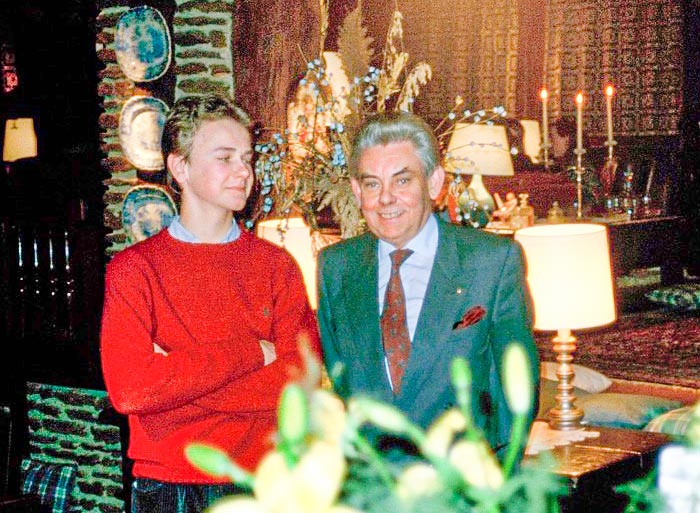
Gert and Godfried (photo: 1987)
Here we catch Godfried in pure happiness! How proud he is of the handsome son Gert next to him, and vice versa. Mia takes care of the setting.
TEXT BY HIS SUCCESSOR, NOTARY LIEVE STROEYKENS.
… Both notary Michiels and I are proud that we were allowed to succeed notary Godfried Van Kerckhoven, and we are grateful because for so many years after our appointment as notaries in Aarschot we stayed in regular contact with notary Van Kerckhoven and enjoyed his company and the anecdotes he told us from his notarial life.
Every month notary Van Kerckhoven came with us to Leuven, to the notaries’ house, to see his former colleagues, notaries and honorary notaries, once again on the occasion of the study circle. There too he was a very welcome presence because of his interest in everyone.
He often dropped by the office to have a chat with his former colleagues and to look in wonder at all those new faces.
I once went to the office to look at all the deeds that notary Van Kerckhoven signed and that stand bound in our library as witnesses to a rich professional life, a life of hard work and a story of dedication to many people!
The story begins with a bill of conditions and a record of award, a public sale on 15 October 1959, still signed then as master Godfried Van Kerckhoven, notary in Aarschot, doctor of law. It is a sale at the request of the Public Assistance Commission of the City of Aarschot, written by hand in blue ink on five pages.
On 24 August 1998 he signs his last deed, which is now typed with a word processor and is much longer. It is the 40,036th deed; the last time we saw him he told me how he had asked the postman to come later than usual that day with the registered letters, so that, just before his retirement, he could still close a difficult liquidation to which he had been judicially appointed.
It is typical of the great man thatnotary Godfried Van Kerckhoven was; it testifies to his respect for clients and colleagues, to his drive to look after people. He was a true family notary; he did not live like a hermit in the woods of Langdorp! He was active in various associations, he knew everyone, whole families, with their children, their grandchildren, their stories, their sorrows and their happiness. Still I often hear from clients how astonished they were that after years he still recognised them and still knew why they had come to him back then . …
He was a modest man, but a great citizen.
Lieve Stroeyken, notary (2013)

Godfried Van Kerckhoven (photo: 1987)
Interview on the occasion of the retirement of clerk Gaston Weckx.
XII. MARRIAGE.
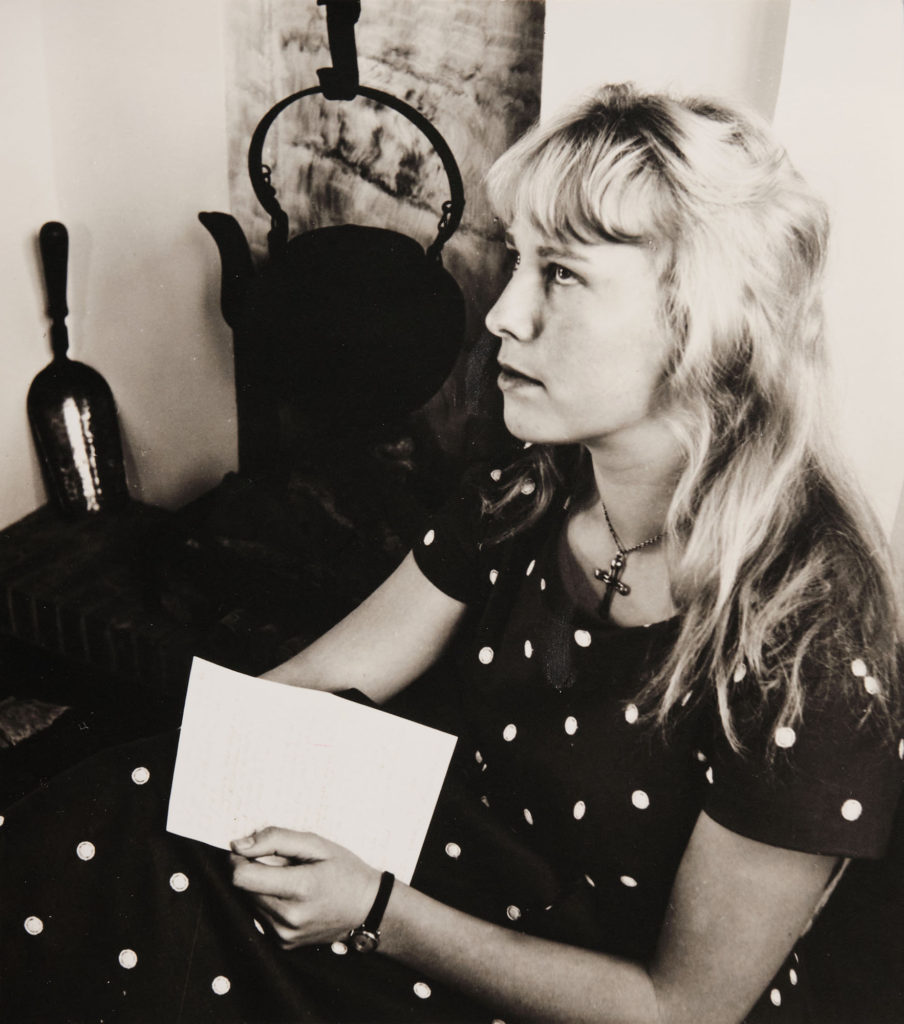
Mia Jamar from Houthalen.
« Formosa virgo dotis dimidium » “ A pretty girl is half the dowry ”
Frie and Mia met in a rather unusual way.
In Betekom stands the brewery ‘De Sleutel’, owned by Louis and Theo Smedts. Louis lives in Keerbergen. His daughter Tania studied together with Mia at the boarding school ‘L’institut des Dames de Marie’ in Brussels during her secondary education. She has meanwhile reached marriageable age, so the search for a suitable husband becomes pressing. Tania has had her eye on Frie, the young notary, for years.
Frie is summoned to ‘De Sleutel’ to mediate between the two brothers. Given the brewing giants in the area and their expansions, Frie does not believe in a future for small family breweries. He advises the brothers to sell the business before it is too late. Louis thinks he will fare well by following Frie’s advice.
Theo Smedts is surrounded by Lode Claes: a well-known Flemish-nationalist politician, publicist and banker, and his ally notary Daels from Mechelen. They let it be known from the outset that they will oppose Frie’s advice. They are Nazi sympathisers and collaborators who put their own interests first and – to put it mildly – are no fans of the ‘little notary’ from Aarschot. Theo sees a chance to grow and decides to buy out his brother’s shares. Frie calls Theo and his cronies “wartime collaborators”.
Together with his wife, Theo leads a luxurious and fashionable life until then. In their castle ‘Rega’s Hof’ in Rotselaar they organise salons, balls and other gatherings which the beau monde is only too glad to attend. Every week a Brussels florist comes to shower the castle with bouquets. They have caviar on the shelf, they buy the same Cadillac as the Kennedys, and they even go to Saint-Tropez by helicopter. Niece Tania may bring her marriage candidate Godfried along to such a soirée mondaine.
Tania thinks her childhood friend Mia should not miss this party. That suits Mia fine, because Frie falls head over heels for her. That evening Mia calls off the marriage deal between the brewer’s daughter and the notary. Tania can pack her bags. For Frie it is now the turn of the Limburg beauty.
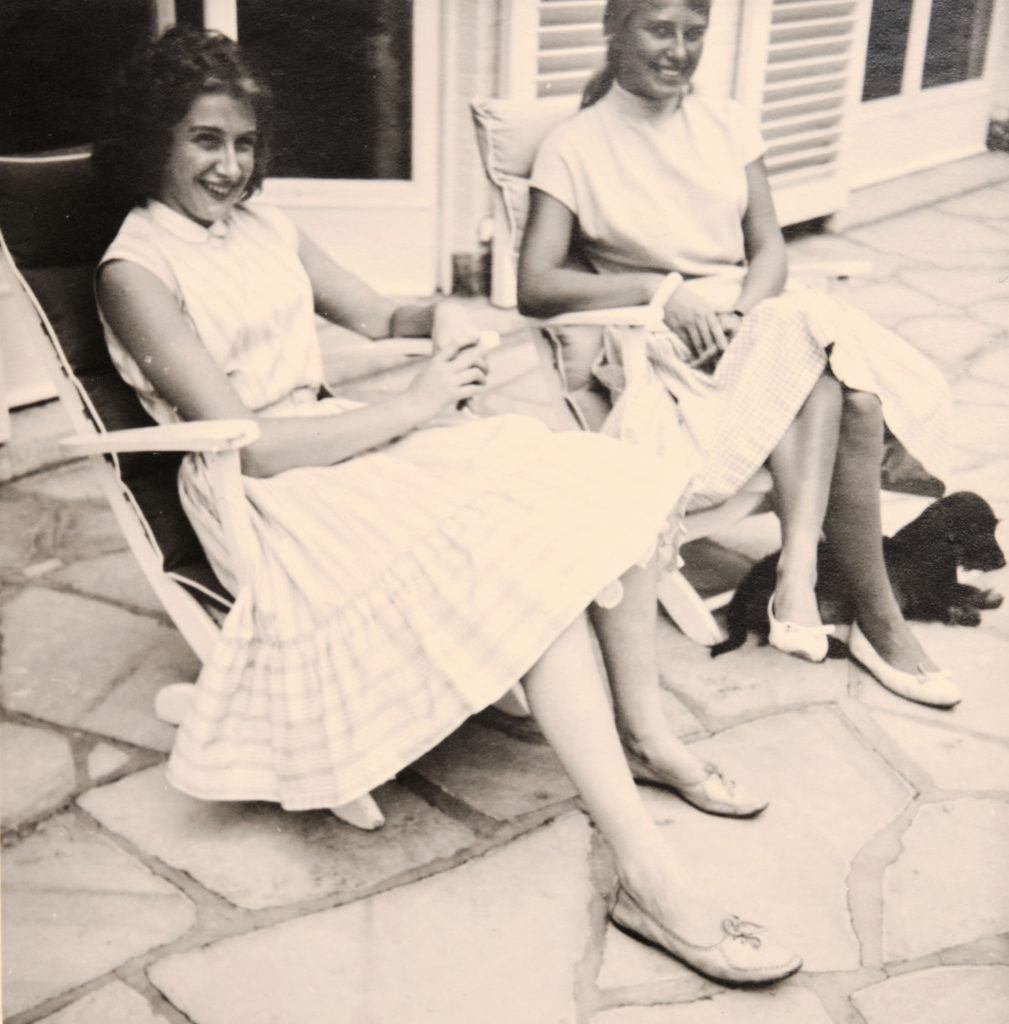
Tania and Mia had a close bond but to Tania’s great sorrow her friend will marry the young notary.
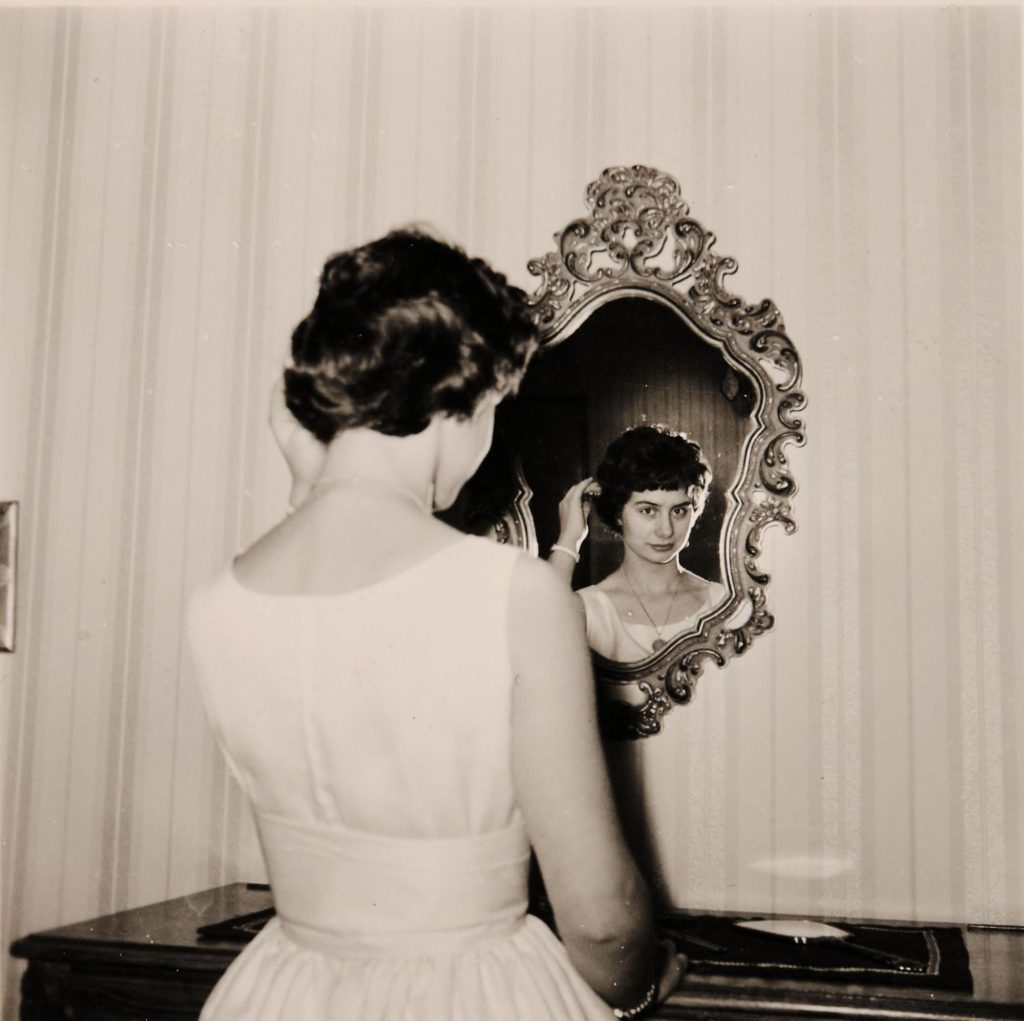
Tania, a lover of ambitious men, is left wanting. (photo: 28 December 1958)
Shortly afterwards ‘De Sleutel’ goes under. The castle residents lose everything they own. The branch of the Smedts family that followed Frie’s advice is better off. Widow Josepha keeps her large villa in Keerbergen. Widow Lieve has to make do with the caretaker’s lodge of her ‘Rega’s Hof’, until she can no longer pay the rent there either.
Until well past the age of 80, Josepha gratefully keeps wearing out the threshold of Frie’s notary’s office. Authoritarian, in a severe suit and on high heels, loudly lamenting that the arranged marriage had not gone ahead! Loudly, because her husband could not hear well but had nevertheless listened well to Frie…
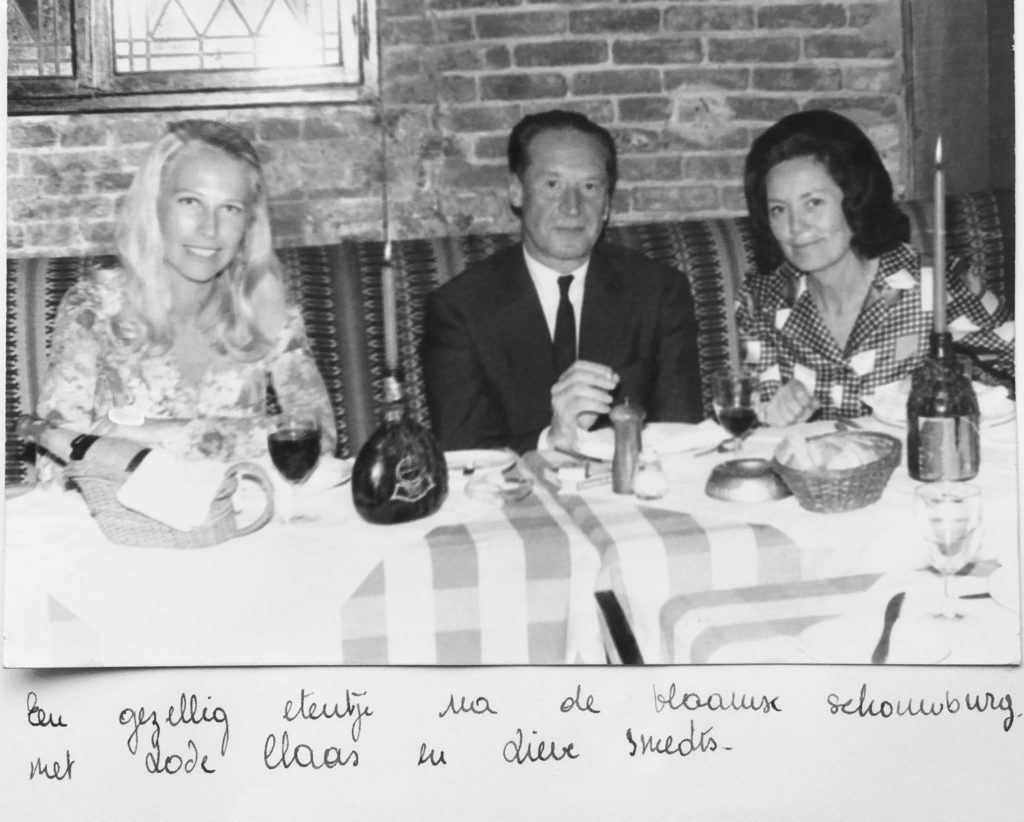
Mia with Lode Claes and Lieve Smedts.
Mia has the habit of doing her shopping in Brussels. Lode Claes urges Mia not to disown her mother tongue and to address everyone first in Dutch. She follows this advice. Countless times the answer from Brussels shop staff, hairdressers, waiters and so on is: “I don’t understand, I don’t speak Flemish.” Mia replies each time: “Don’t worry, I can just as well continue in French.”
“ I took over this habit from my mother. For a student job I worked in ‘pitteleer’ as the first Fleming in the menswear store ‘Bouvy’ on the Louizalaan in Brussels. Some customers reacted condescendingly because I addressed them in Dutch and made their displeasure known to the manager Claude Bouvy. On a Saturday morning the then crown prince Philippe came up to me in the shop. The prince wished to buy a scarf with cashmere on one side and silk on the other. Monseigneur conducted the conversation in Dutch. Mr Bouvy and his head salesman were flabbergasted and quickly signalled that I should clear off. They thought they could continue the sale with the prince in French, but Philippe looked at them disdainfully without saying a word and left the shop, where the royal family had been customers for generations. ” – Pieter
« Amantes amantes »
“ Lovers are befuddled ”
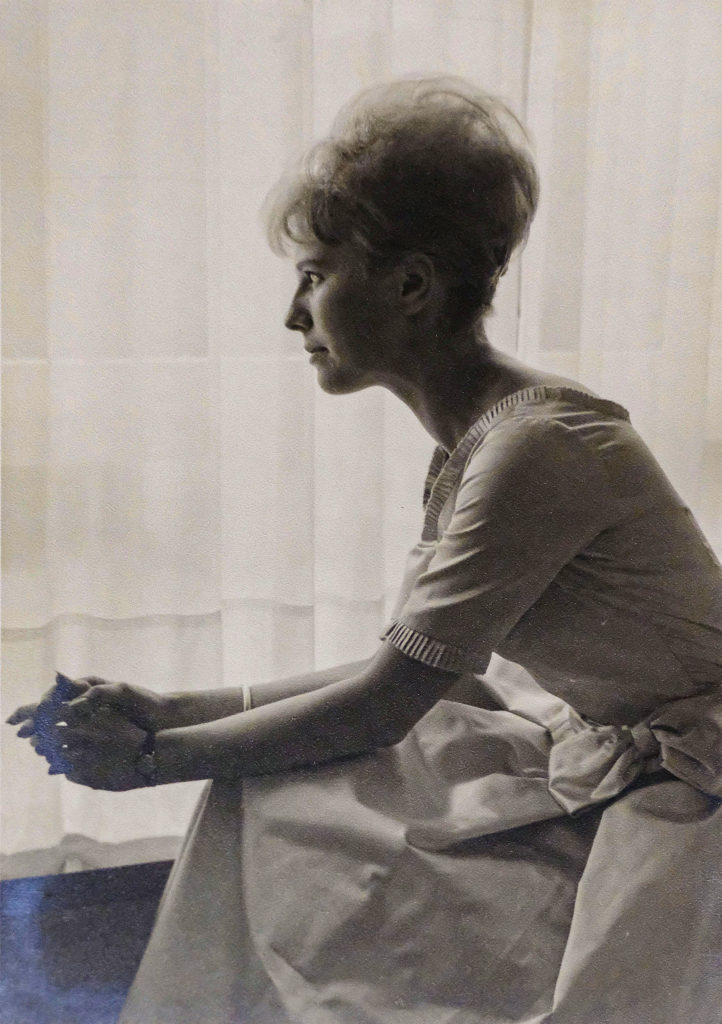
The newly engaged Mia Jamar. (photo: February 1961)
Mia beams with pride. It has worked: in just over a year she has developed into the notary’s future wife. Frie’s mother warmly welcomes his fiancée. They often spend time together and confide in each other.
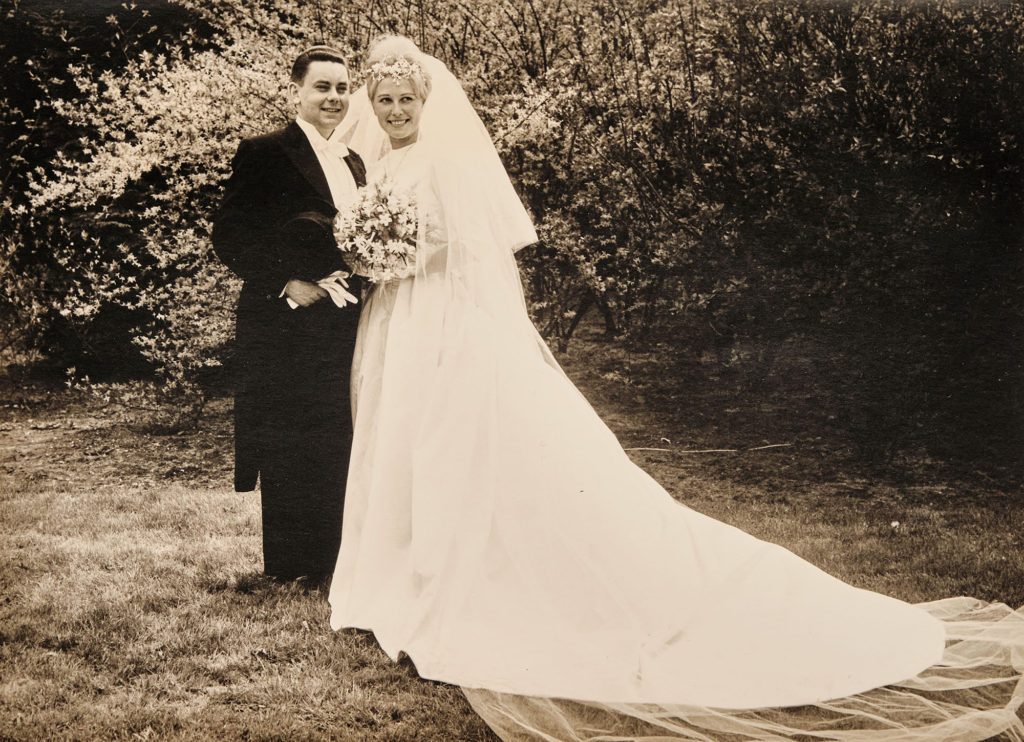
Frie marries Mia Jamar on 5 May 1962 in the Sint-Martinuskerk in Houthalen.
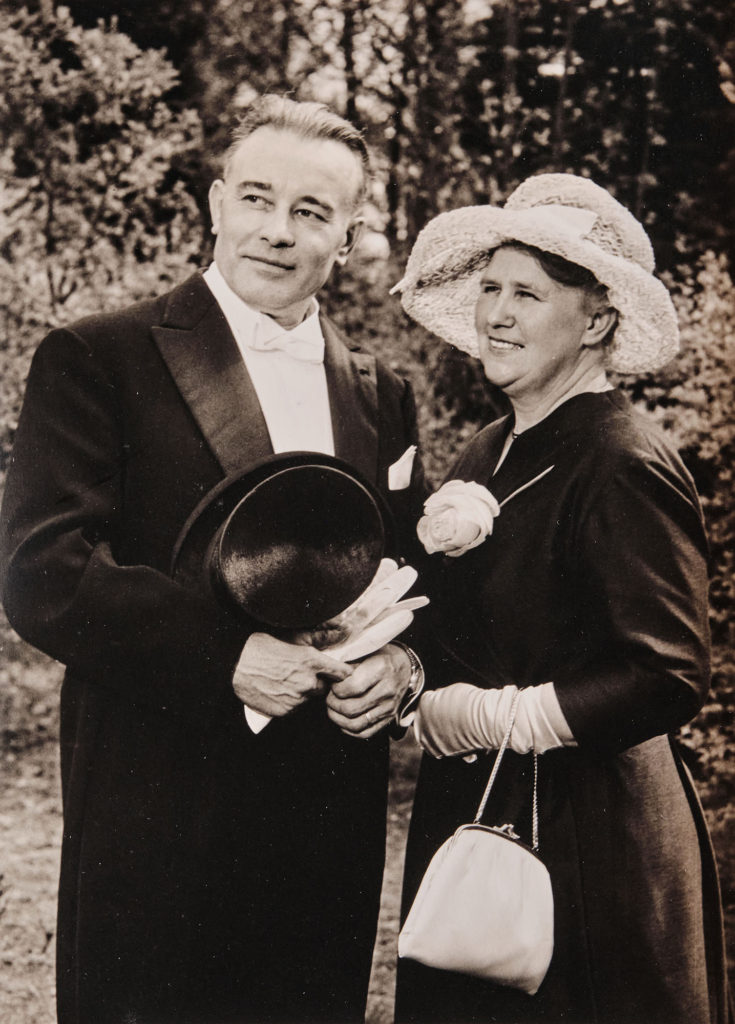
Clément and Colette Jamar Swerts – Frie’s parents-in-law. (photo: 1962)
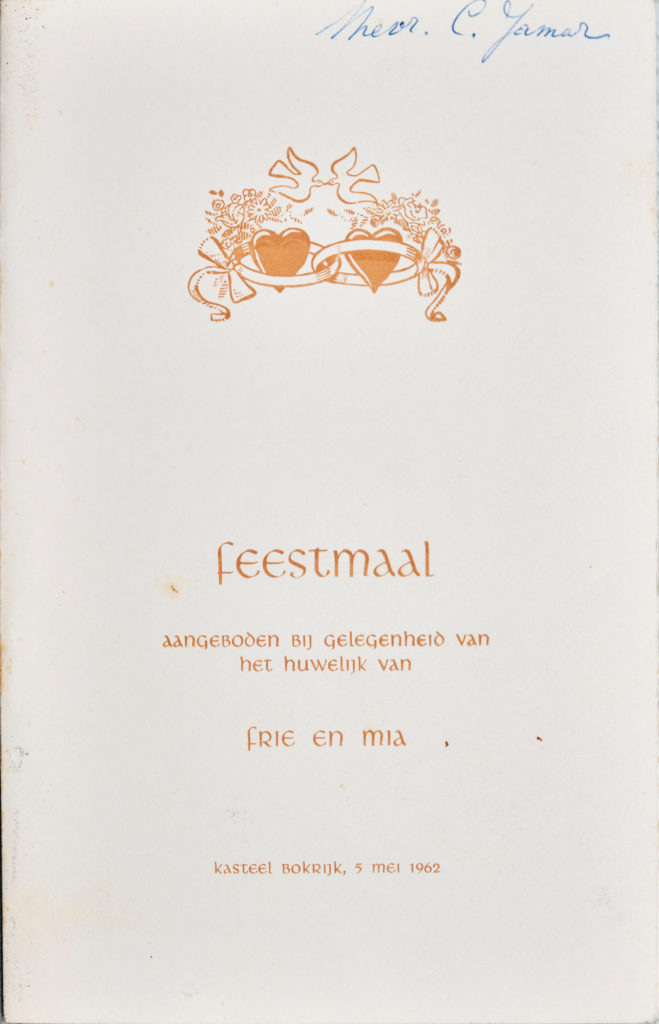
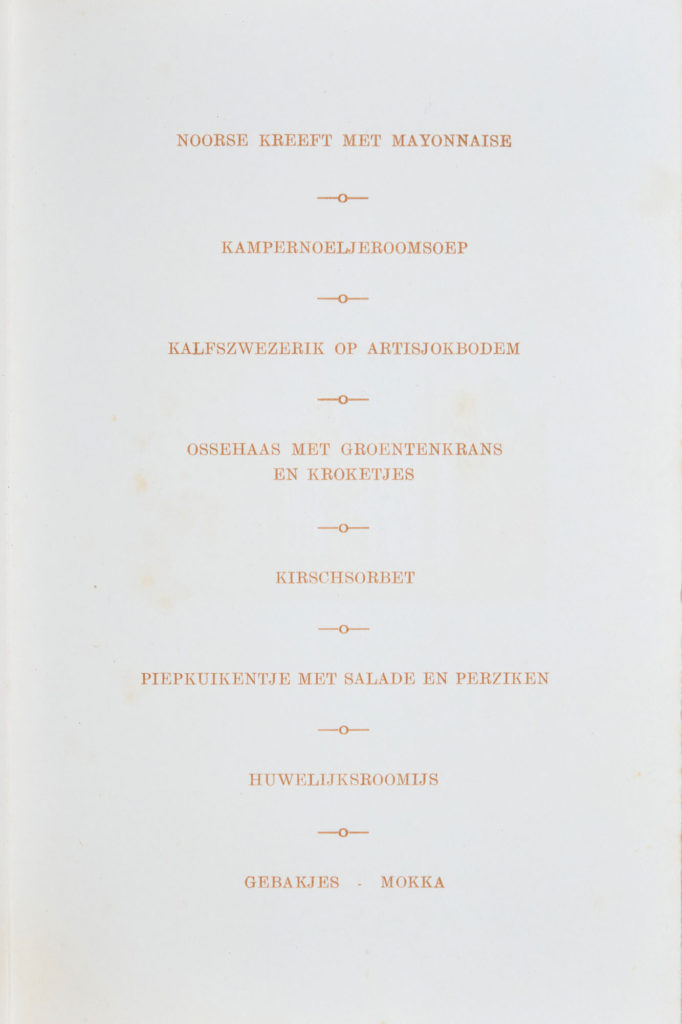
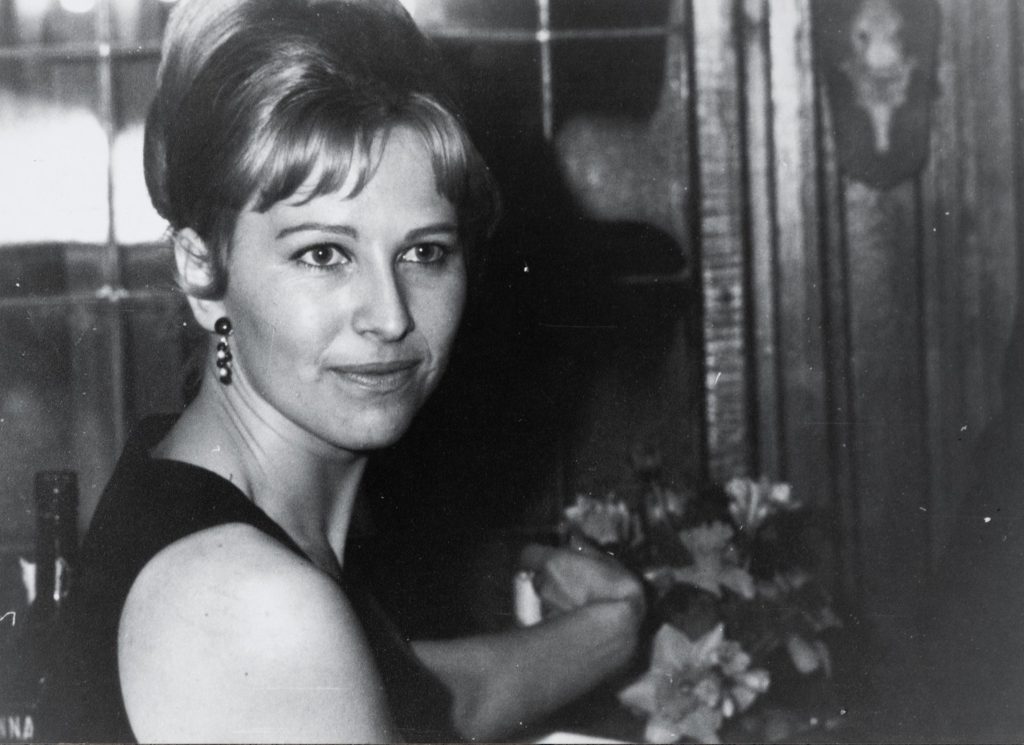
All of Aarschot immediately falls under the spell of Frie’s beautiful and charming wife. (photo: Rega’s Hof, Rotselaar)
The couple first go to live in a late art deco house on the Albertlaan. The residents heat themselves with a single ‘beu continu’ (small coal stove) on the ground floor. During the winter months it can get quite cold on the upper floor.
“When it froze, there was ice in the house. Madame always had a cold!” – Anna, housekeeper.
Miss Rita Van Roey (1925-2004) is the landlady. She is known in Aarschot mainly thanks to her father, architect Victor Van Roey (1886-1968), with whom she lives in the eclectic architect’s house on the corner of the Albertlaan and the Fabriekstraat. Her uncle is Cardinal Van Roey (1874-1961). Architect Van Roey designs, among others, the art deco bank building J. Nagels in the Bogaardenstraat (today the menswear shop “Oud Stadhuis”) and the Sint-Jozefscollege (Elisabethlaan wing).
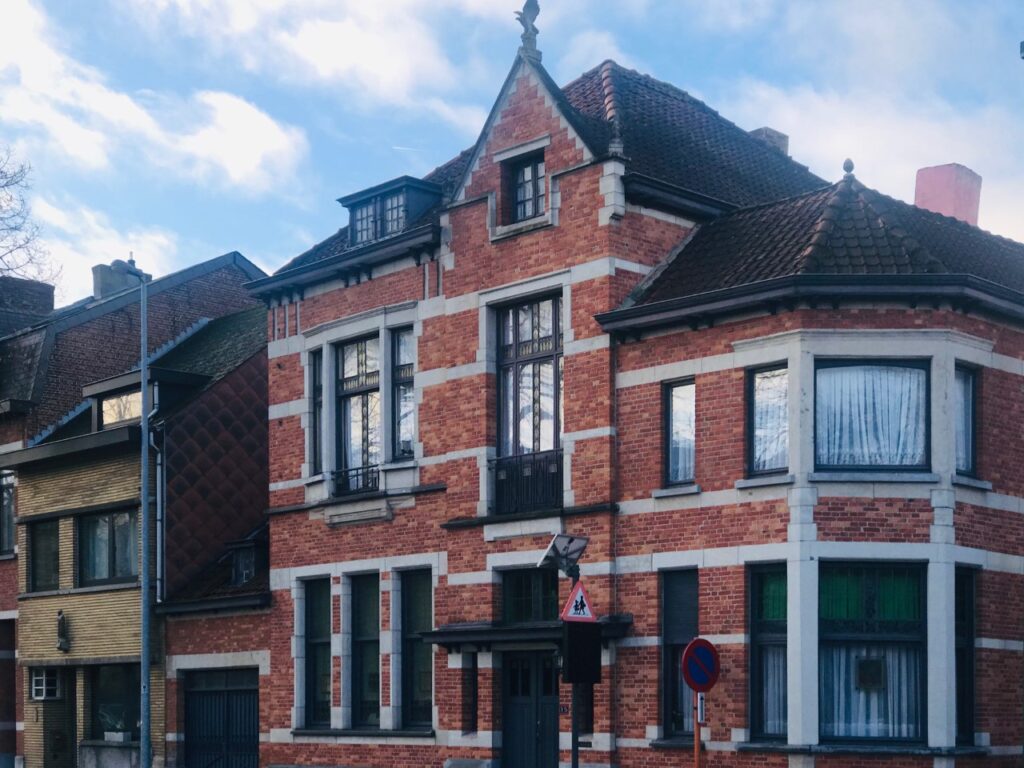
Frie and Mia live from 1962 to 1964 in the little yellow house on the left. In the corner house lives architect Victor Van Roey.
Ritje Van Roey is a jack of all trades in the household. Like an enthusiastic guide she takes Mia by the hand and makes of her a gifted kitchen princess. For years Rita is an adviser at the women’s association “Markant”.
“In 1999 I took part in the municipal council elections and received a visit from Ritje, who always got around by bicycle. She briskly announced that she always voted for female candidates and left at once. Against all expectations I was elected and Ritje came back. She called me “the vote cannon of Aarschot”. I was invited to dinner and received from her as a gift a set of crystal glasses from which Cardinal Van Roey is said to have drunk. In 2004 Ritje died in her sleep in the house where my parents once lived.” – Pieter
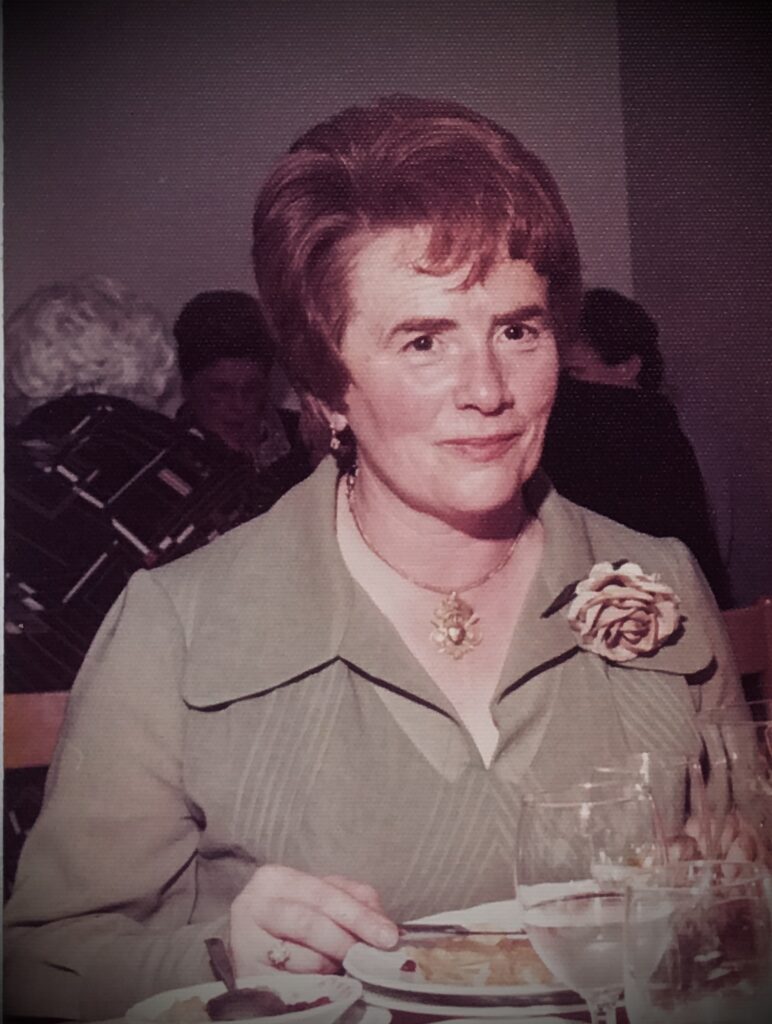
Margareta „Ritje” Van Roey (1925-2004) (Photo: 1976)
Frie and Mia have to become homeowners at the insistence of mother Clementina, because renting makes strangers rich in their sleep. Clementina provides them with five building plots, located on the Elisabethlaan, one of which is sold to “de sassenier”. The building becomes both an office and a home. Against Frie’s wishes, Mia insists on moving the notary’s office from the Grote Markt to Elisabethlaan number 15. Afterwards Frie is very happy with Mia’s move.
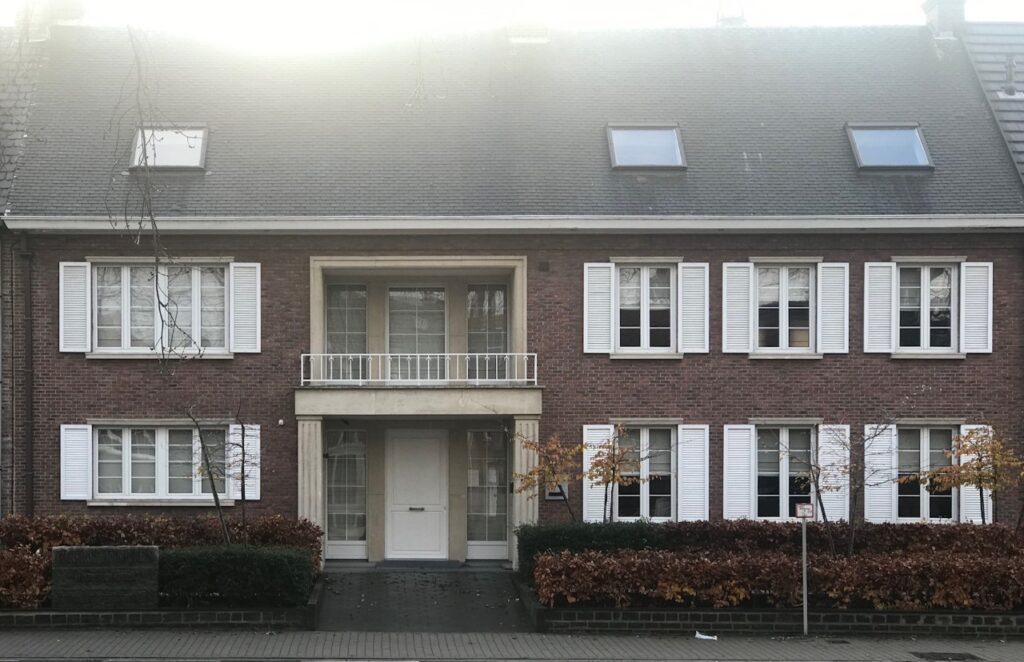
Aarschot, Elisabethlaan number 15, by architect Beeck from Lier.
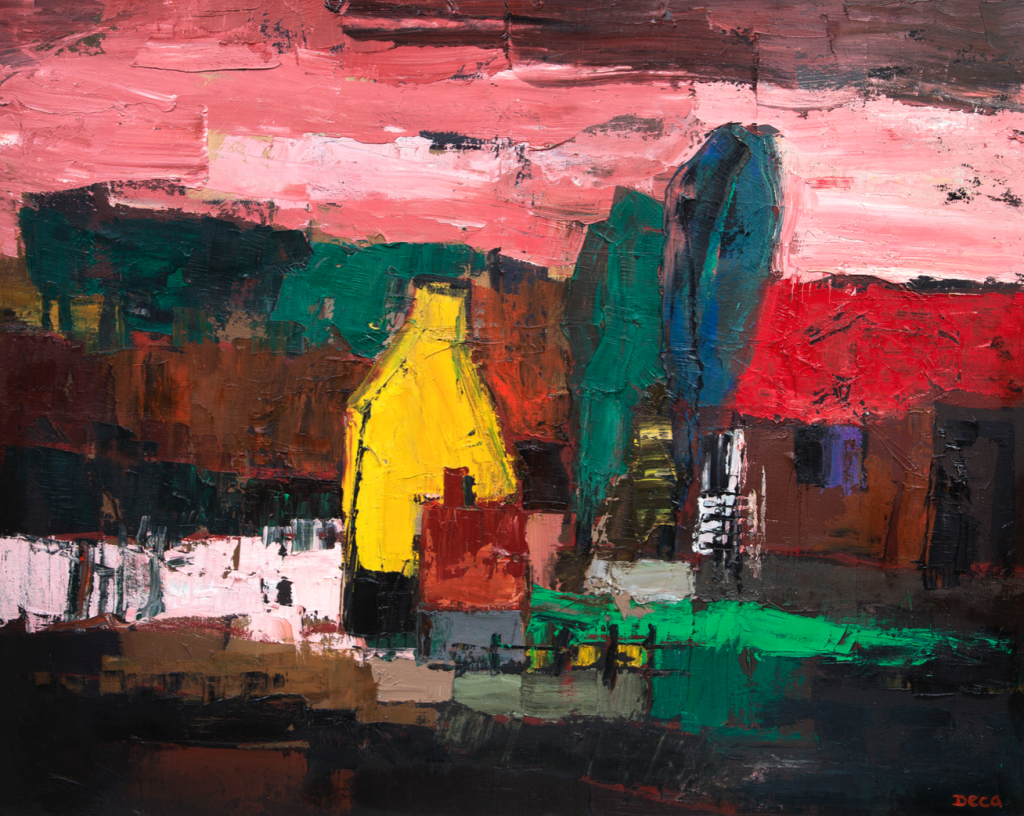
Painter Miel Deca (1920-1980) is Frie’s neighbour across the road. Their houses on the Elisabethlaan are separated by a lawn with trees. Between Frie’s house and Miel’s stands a tree that seems to be dying but does not give up. Miel’s nearest neighbour regularly saws branches off the tree in secret at night, so that he can watch the goings-on at the notary’s. Miel Deca decides to accompany the tree in its final days by depicting it often. ‘Trees die standing’ thus becomes a theme the painter will often use in his oeuvre. He compares himself to that tree.
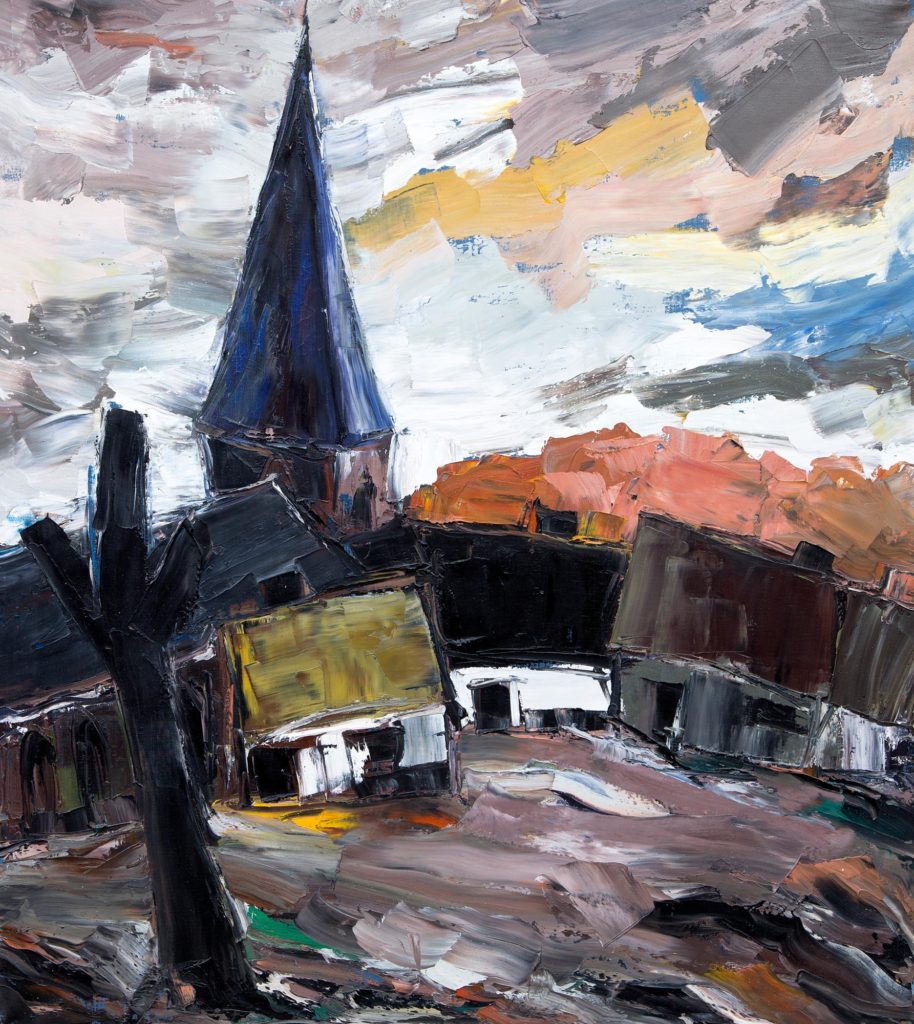
Between Frie’s and Miel’s houses stands a tree whose branches are secretly sawn off. Miel Deca (1920-1980)
A little further on, in the Amerstraat, lives the artist Maurice Haccuria. He makes an effort to get Frie to buy one of his artworks, but modern art unfortunately does not come into consideration for the traditionally minded Frie.
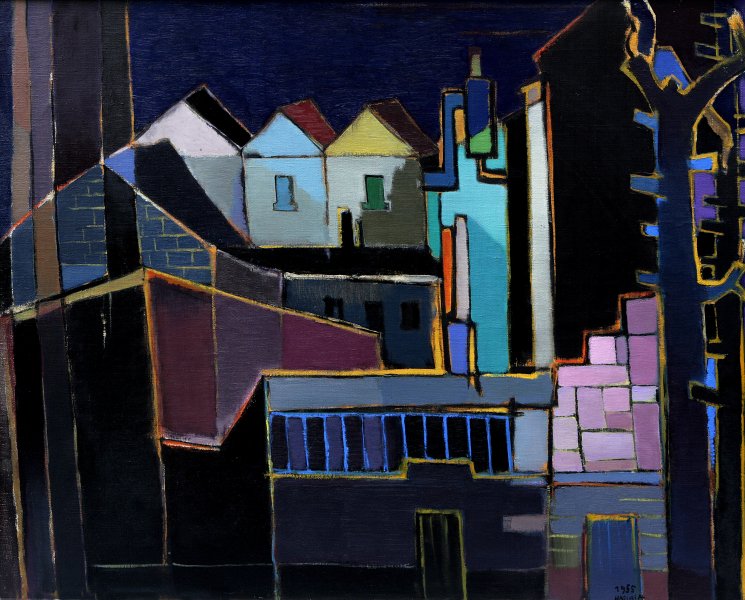
’s Hertogenmolens Aarschot – Maurice Haccuria (1919-1991)
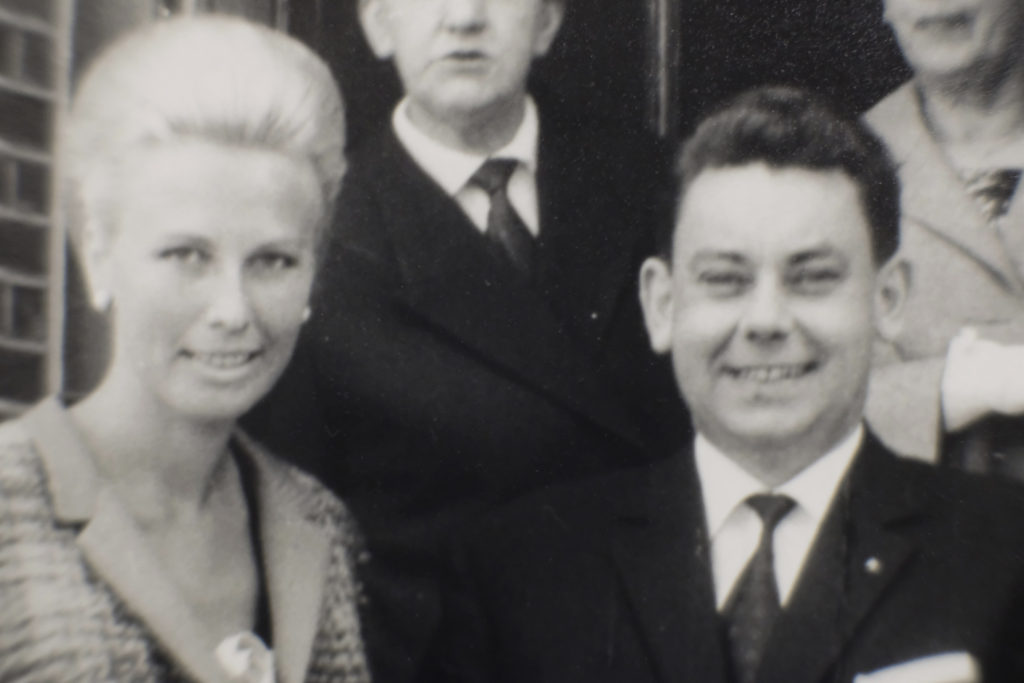
Mia and Frie pose. – Brasschaat. (photo: 1964)
Mia’s beauty was a well-known phenomenon. Yet no one knew as well as Frie how beautiful she was. It took courage to be able to withstand such beauty.
For Mia it is a constant matter of falling and getting up again with her husband’s life tasks: working, saving and praying. The in-law family is businesslike and cool, in contrast to her gentle and hospitable Limburg family. Father Clément would most of all like to take his Mieke back to Houthalen. The gorgeous and trendy Mia, who cruises through Aarschot in the first Porsche, is the talk of the town. “It is better to be envied than pitied.”, comforts father and personal hero Clément.
« Fama nihil est celerius »
“ Nothing is faster than gossip ”
Mia does not dare to assert herself, wants to be liked. Just dropping in on the family in Aarschot is out of the question. A servant announces: “Madame has no time.” Or, to her horror, she is snapped at: “What have you come to do here?”. Whereupon the door is slammed in Mia’s face. Fortunately Mia can turn to her mother-in-law’s sister, aunt Julia, who runs a café on the Meulenberg.
Given the place taken up by carrying out his notarial duties, horse riding and going to Mass, little time is left for his wife. Mia no longer goes to church. In her first year in Aarschot Mia embroiders, with a nun’s patience, a small Louis XV armchair in ‘petit point’. You can imagine that Mia will not stay at home for long and will no longer bend to her new surroundings.
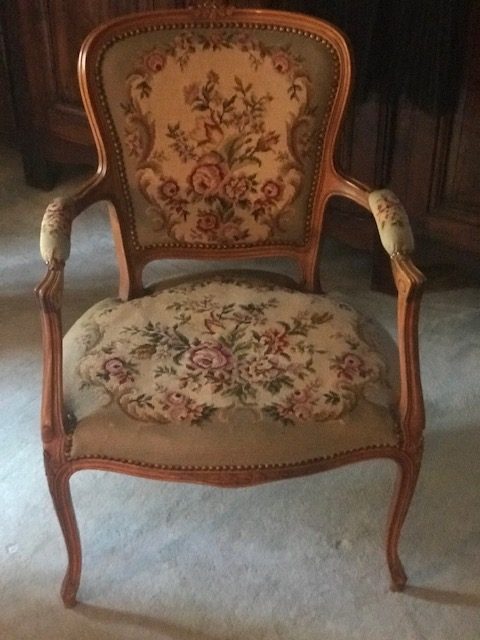
Mia embroiders a small Louis XV armchair in ‘petit point’.
CHARITY.
At the same time Mia and Frie take on numerous charitable works. They look after refugees after the Second World War, for example. A project of Father Pire. They financially support a poor family from Vienna. The children, Rössli and Robert Schwarz, come to Aarschot and Provence during the summer months. Father Schwartz is a sexton at the Peterskirche. Mia and Frie visit the Schwarz family several times. Even after the birth of Ilse, Pieter and Gert, Rössli and Robert will keep coming on holiday to Aarschot for many years.
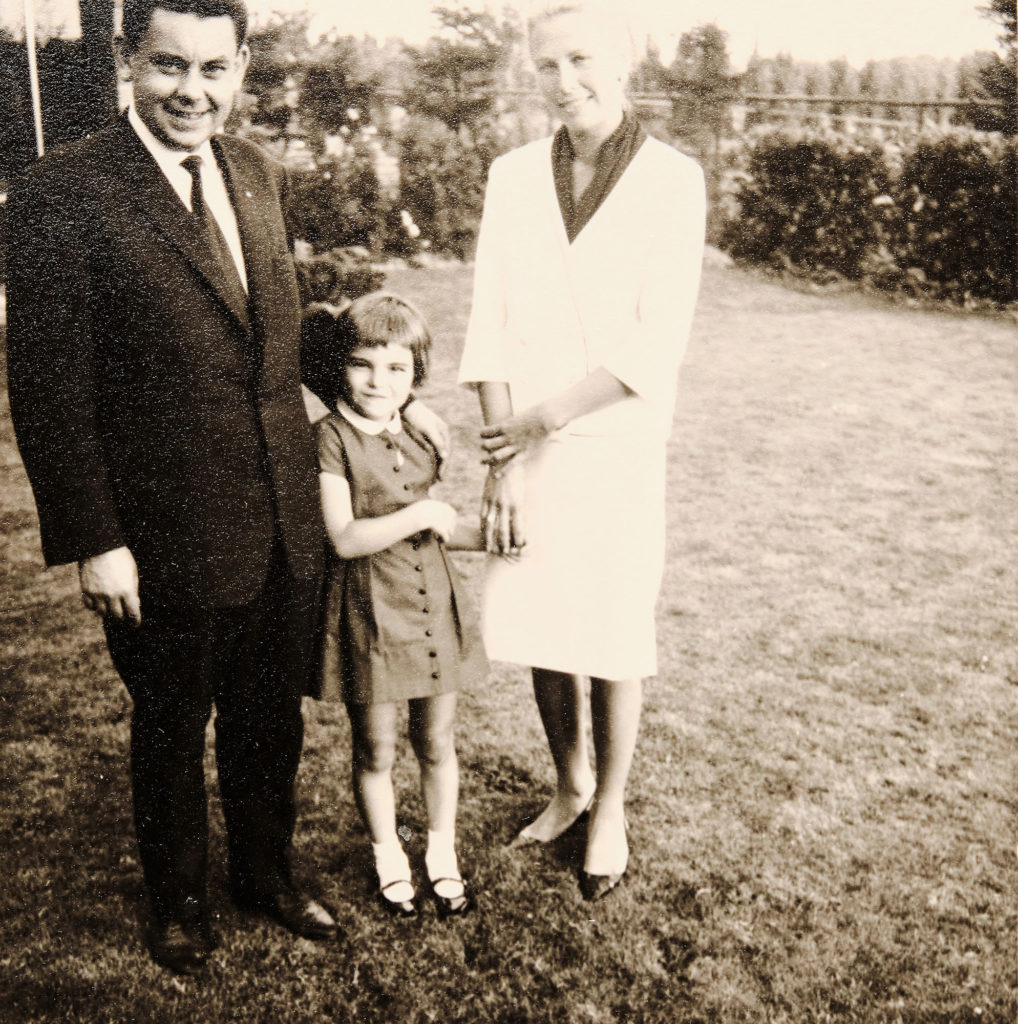
Frie – Rössli Schwarz – Mia
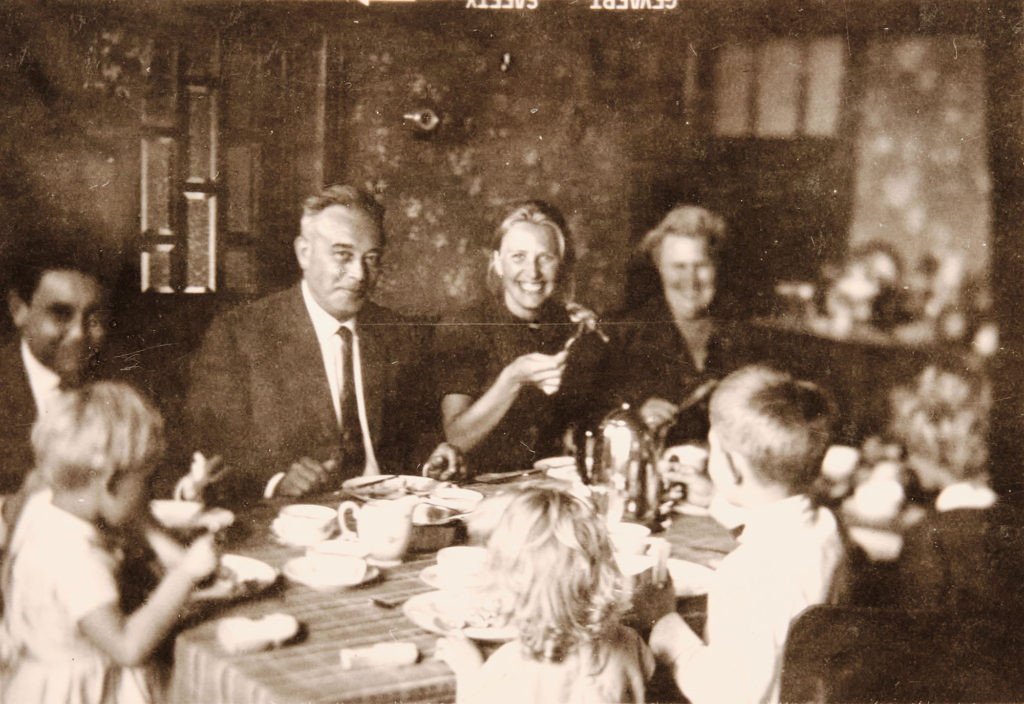
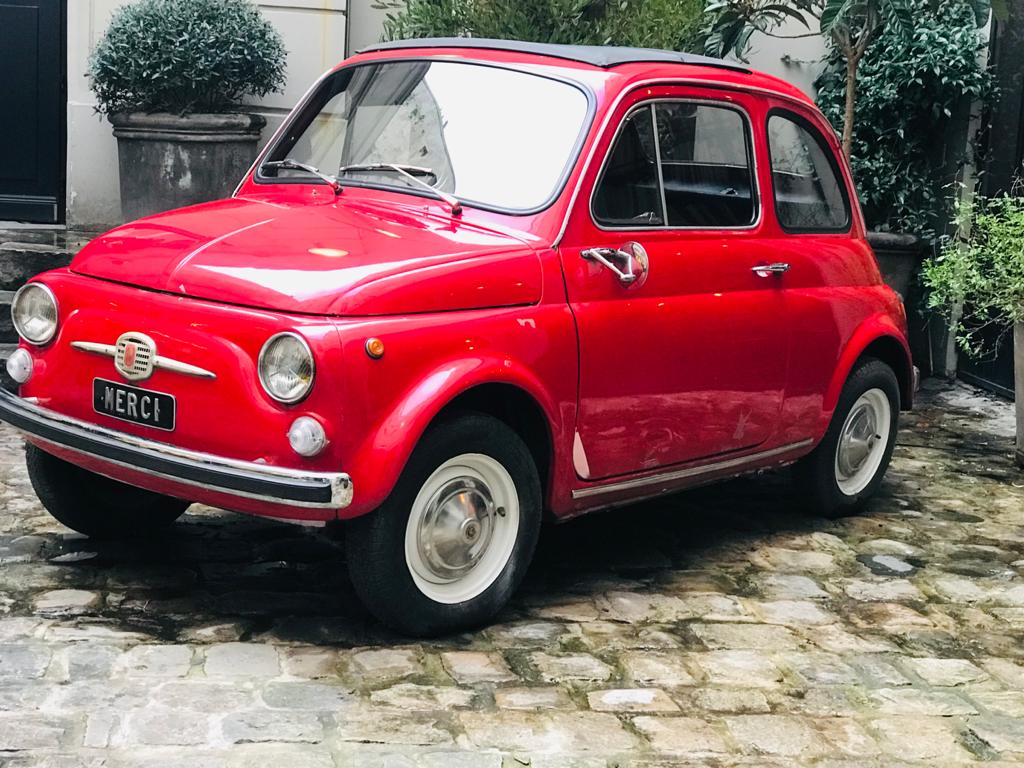
In adulthood Rössli and her two brothers Robert and Reinhard come on holiday to Langdorp every year, from Vienna in a red Fiat 500. Reinhard becomes manager of the world-famous Wiener Sängerknaben choir.
Frie, Clément Jamar, Mia, Colette Jamar Swerts.
XIII. FRIE AND MIA HAVE THREE CHILDREN.
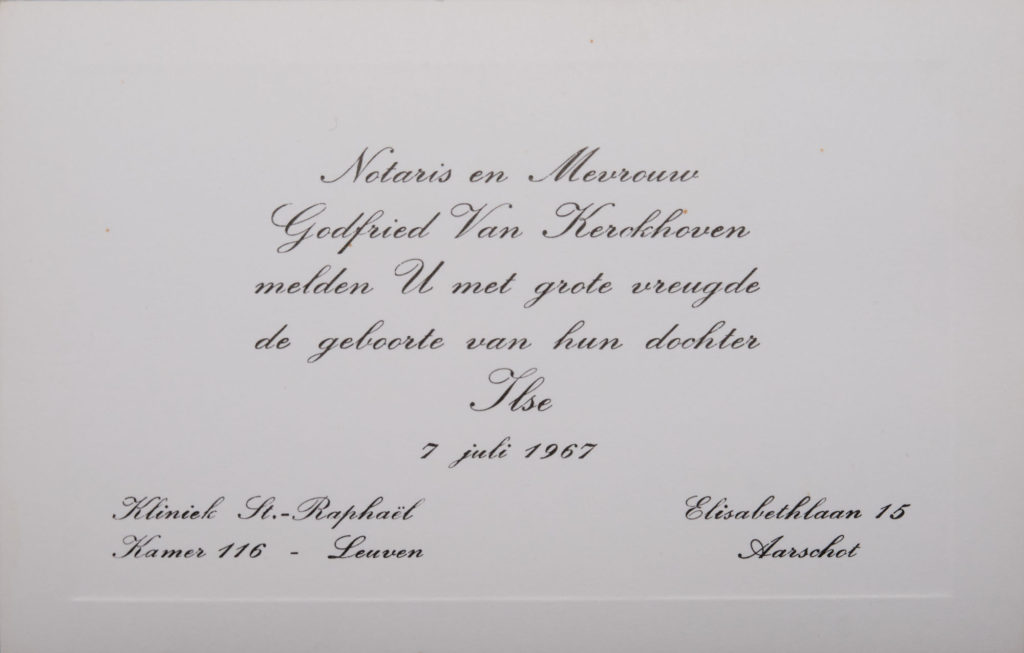
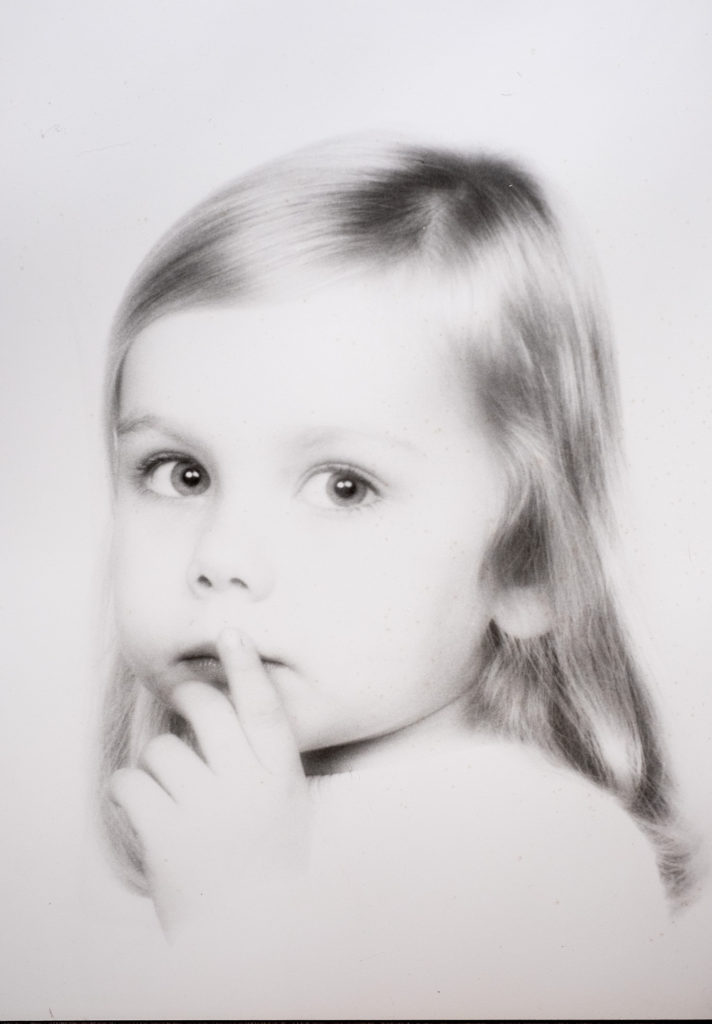
Ilse Van Kerckhoven
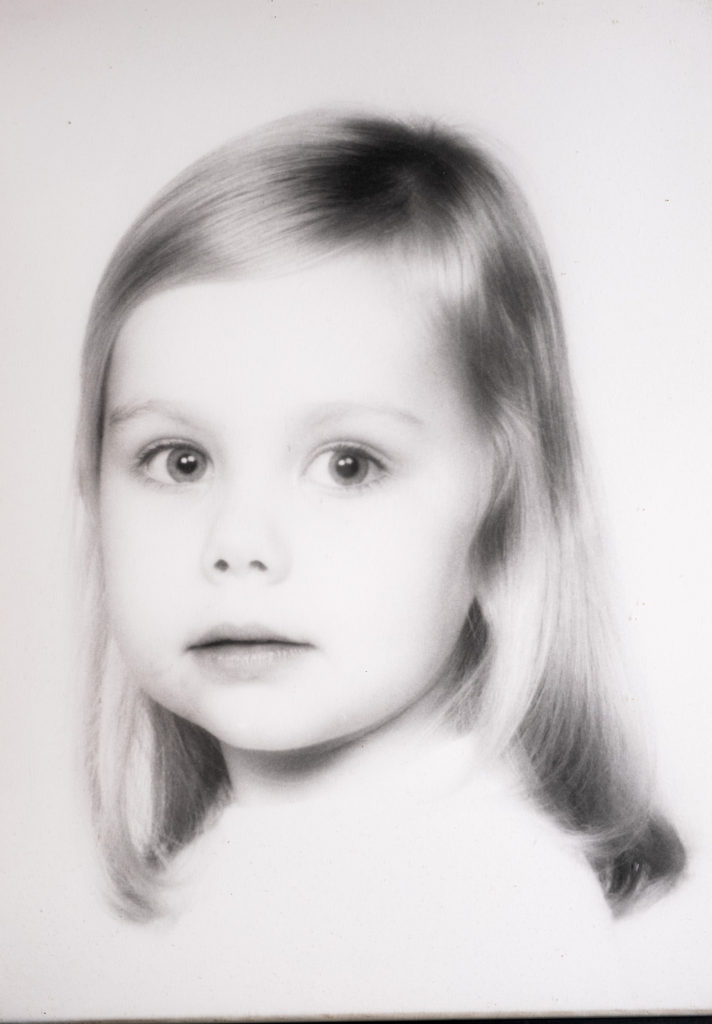
Ilse Van Kerckhoven
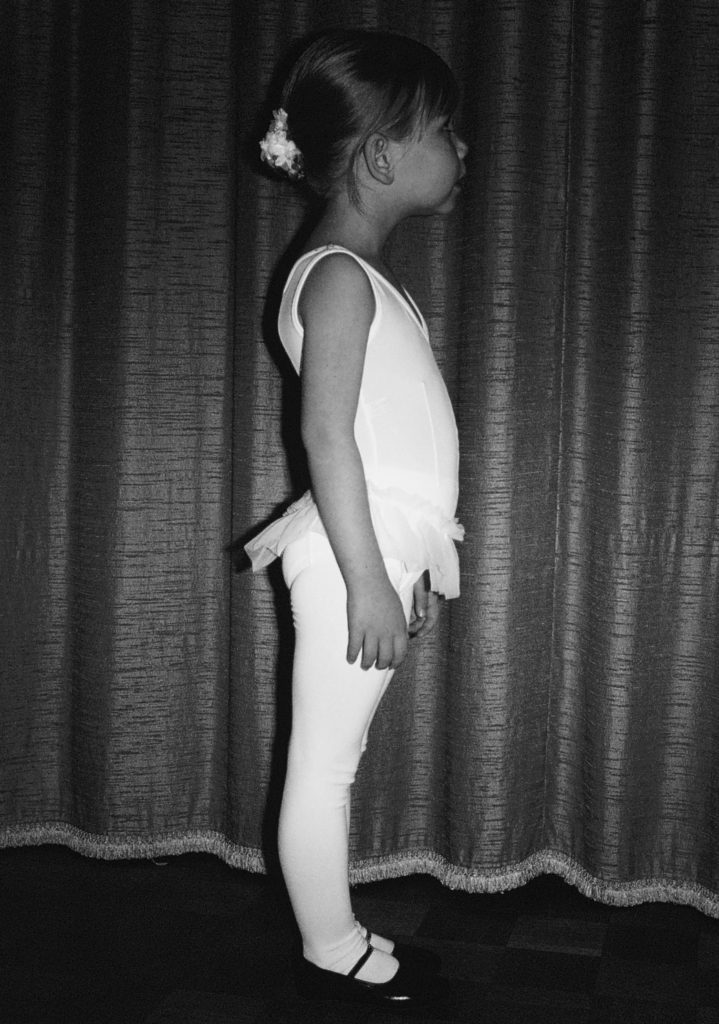
Ilse Van Kerckhoven (photo: 1973)
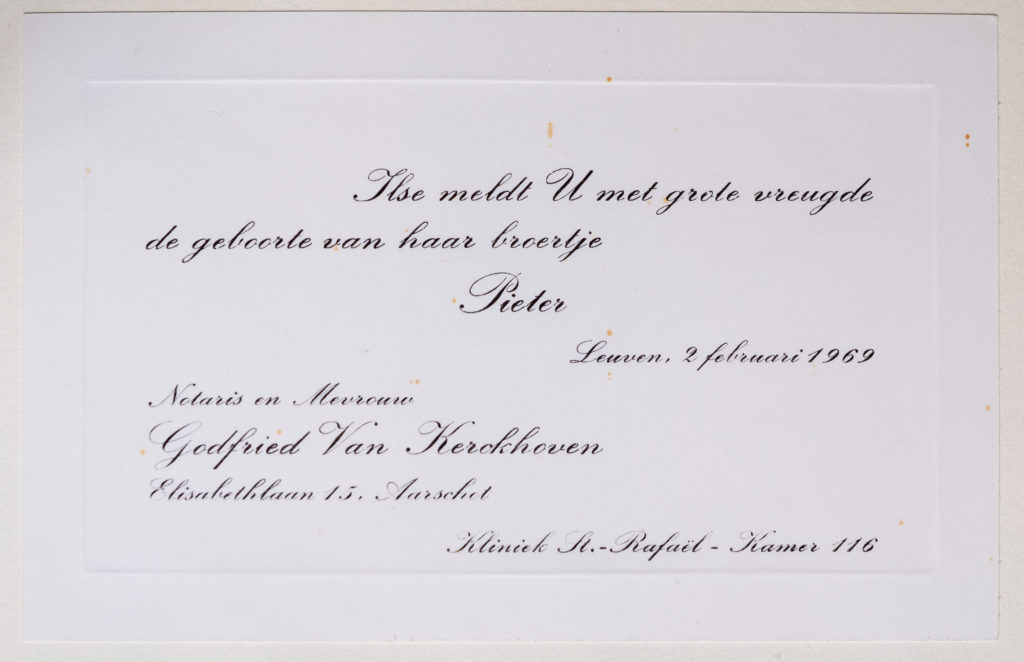
Frie wants to name his first son Hans, but Mia makes it Pieter, inspired by Prince Pieter van Vollenhoven.

Pieter and Mia. (photo: December 1969)
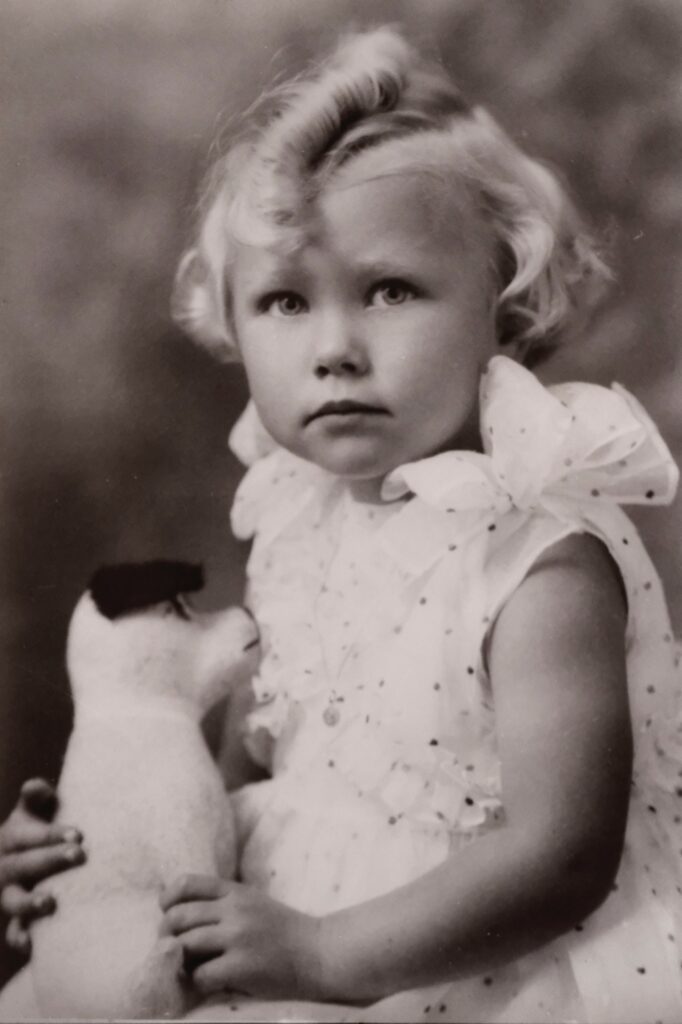
Mia Jamar
On Candlemas, Mia and Pieter celebrate their birthday together.
Mia’s parents wanted to register her as Monique, but the sisters of the maternity home in Heusden made it Maria.
“My first memory takes place during the Midnight Mass of Christmas 1944 in the temporary Sint-Lambertus church of the Houthalen housing estate Meulenberg. Whispering disturbed the performance of ‘Minuit Chrétien’. The magnificent voice belonged to mining engineer Mr Lavallée. He was awaited by the Gestapo for deportation. My mother drew the tenor’s attention. Lavallée understood her signal and escaped the concentration camp by the skin of his teeth. Afterwards Mr Lavallée gratefully gave me an antique plate.” – Mia
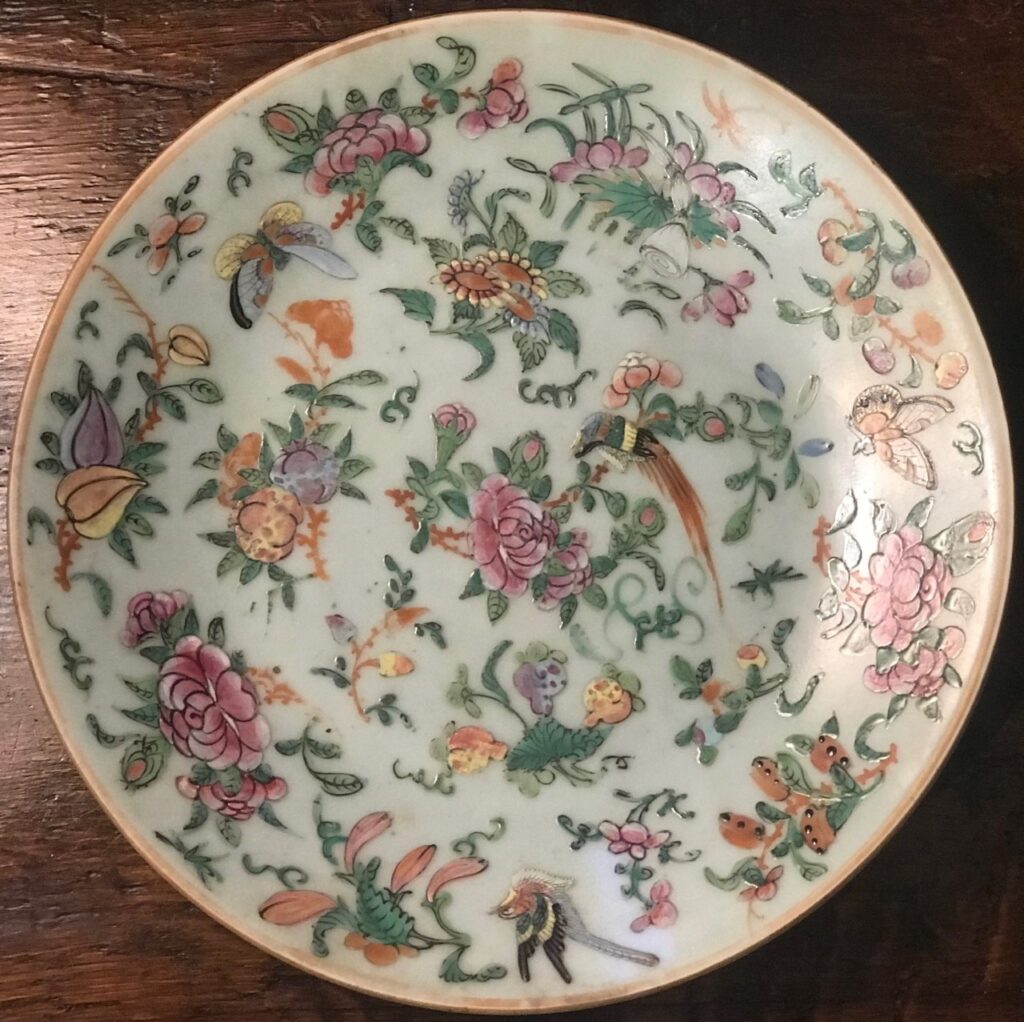
The antique plate that Mr Lavallée gave to Mia.
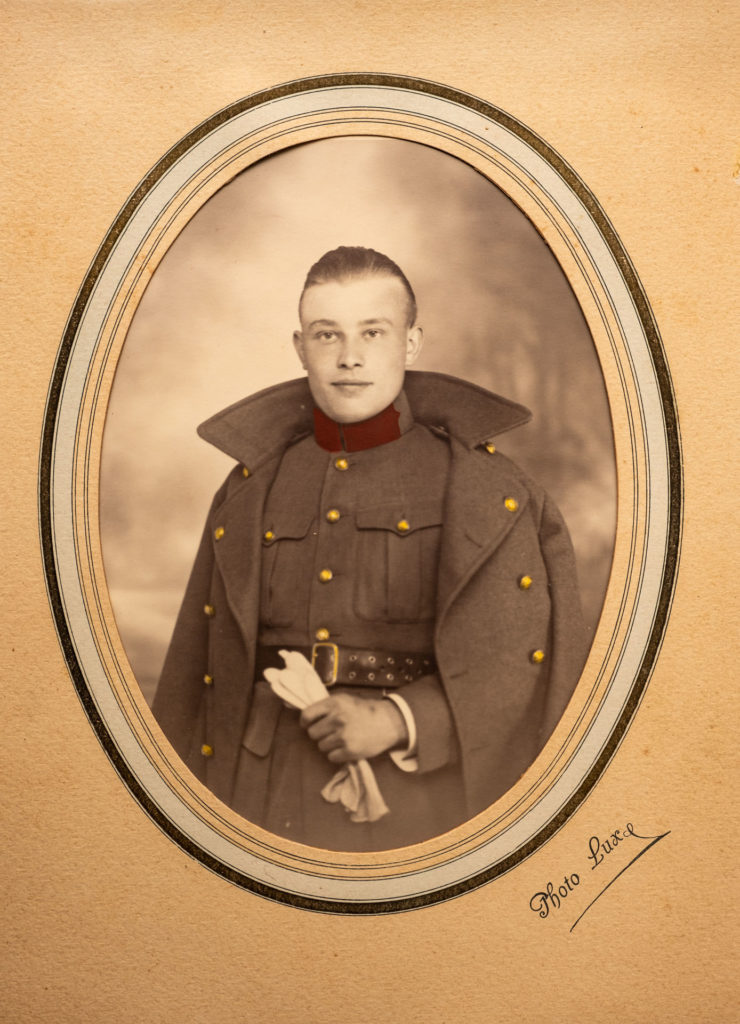
Clément Jamer was Pieter’s godfather but died a month after his birth. He had gone to war during the Second World War.
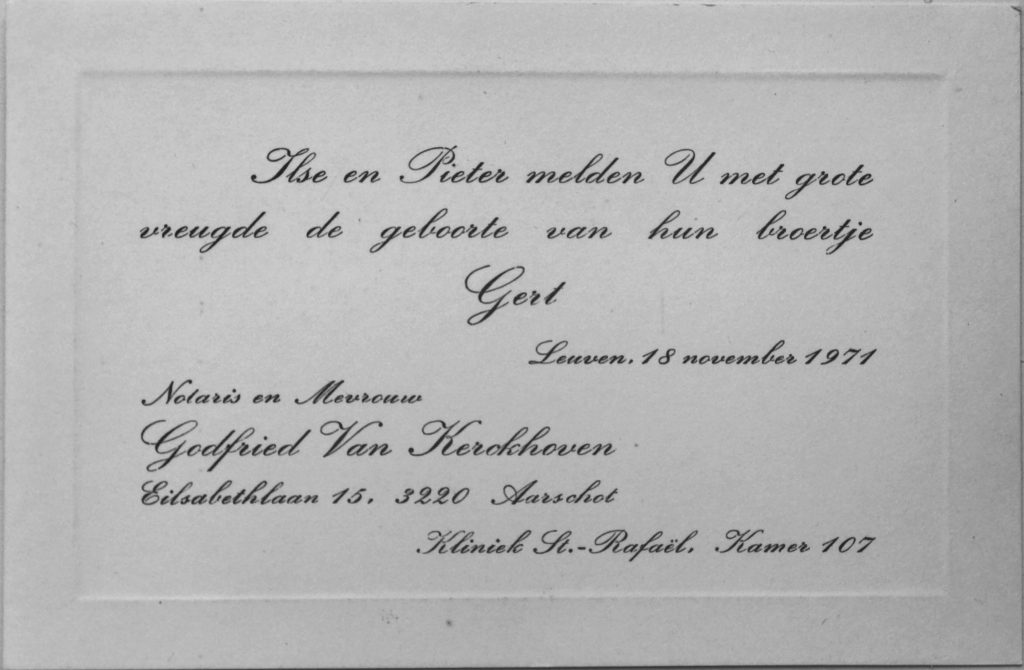
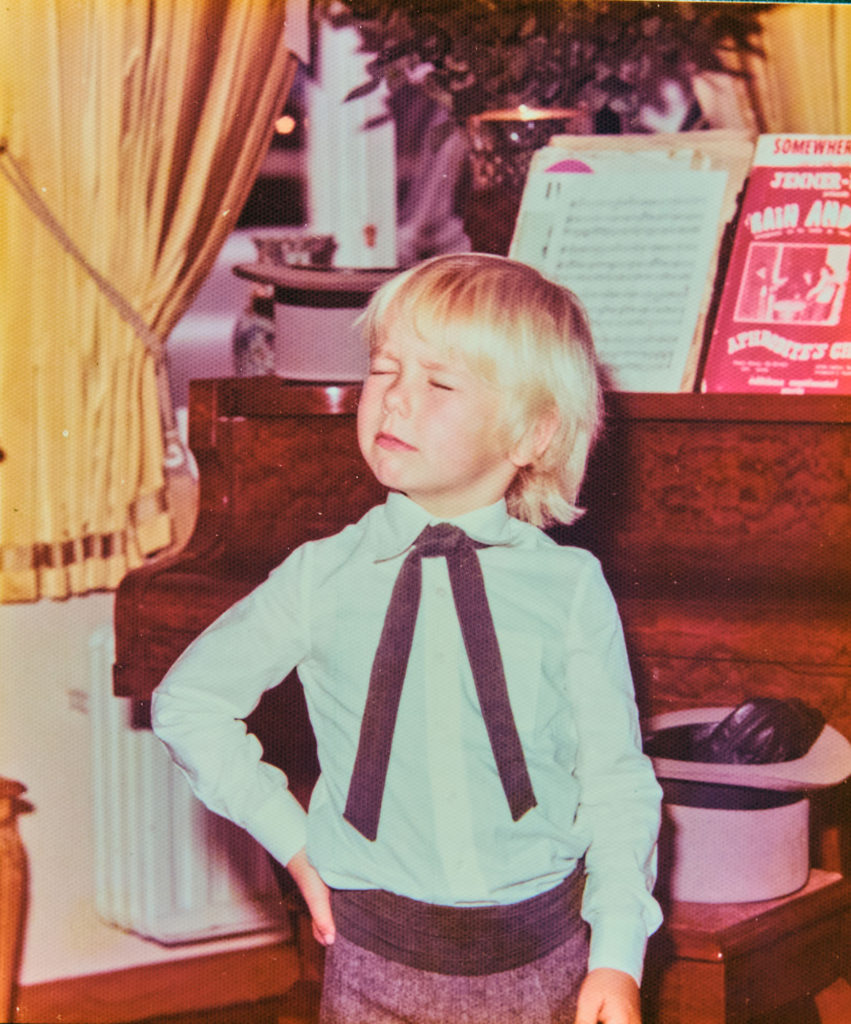
Gert Van Kerckhoven (photo: 1976)
Mia and Frie are a true jet-set couple in Aarschot.
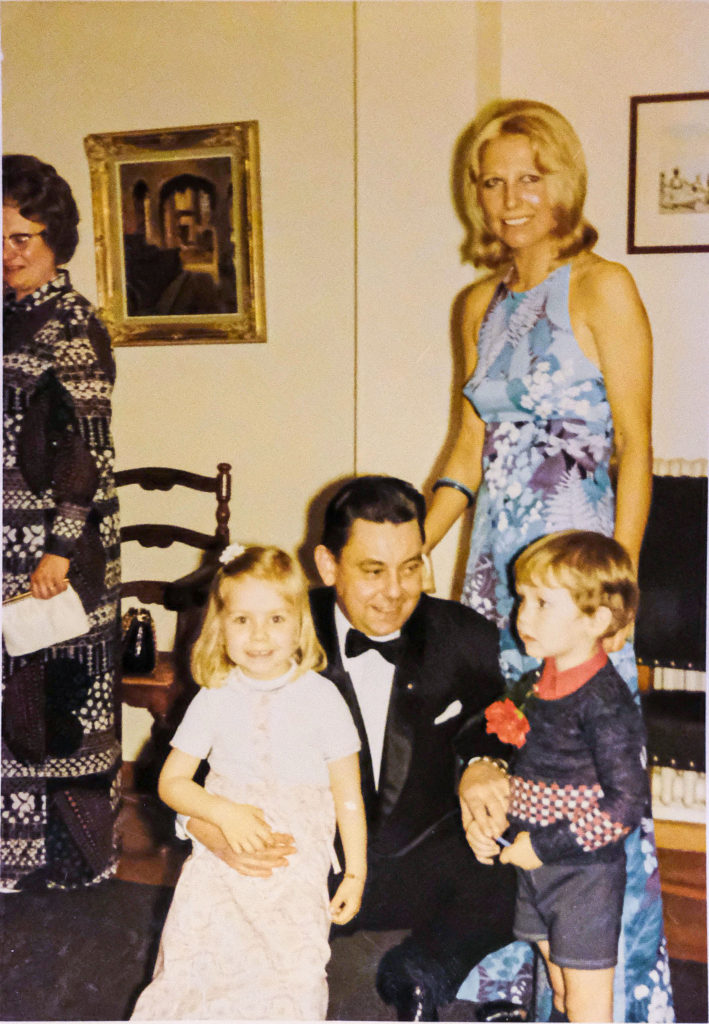
Clairette Macken Serneels*, Ilse, Frie, Mia and Pieter – Elisabethlaan 15 – Aarschot. (photo: May 1972)
The photo was taken at an evening party to mark their ten years of marriage. Ilske hands out gift boxes of soap for the gentlemen. The ladies receive a brooch from Pieterke. The painting on the wall is the interior view of the Onze-Lieve-Vrouwekerk of Aarschot by J. Tysmans. Frie invariably wears his Lions Club pin.
* “The Van Kerckhovens have all been the ‘pillar-biters’ (bigots, (self-styled) saints) of Aarschot.” – Clairette Macken Serneels
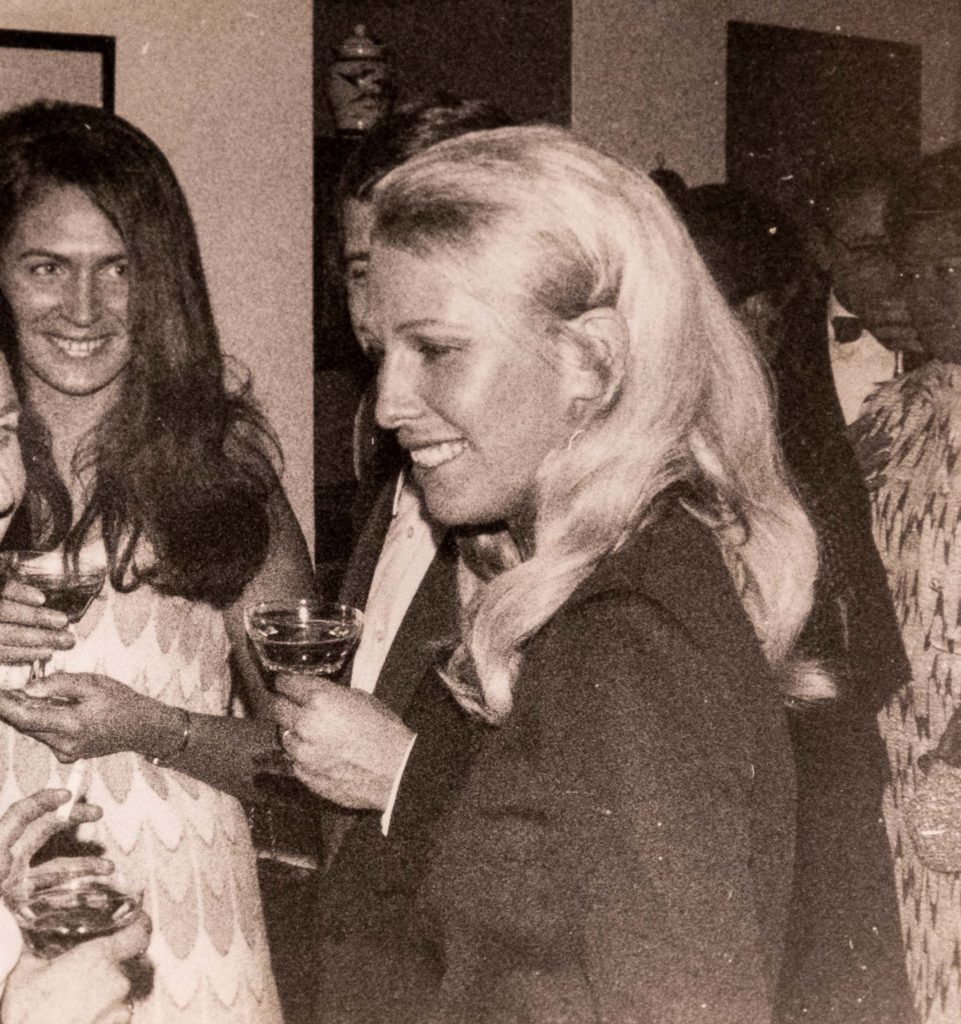
Mia Van Kerckhoven – evening party – Elisabethlaan 15 – Aarschot
Mia maintains a splendid lifestyle that dazzles some.
XIX STEENHEUVELS.
Procul negotiis (Lat.) far from (public) affairs (Horat., Epodes 2,1). Cf. Beatus ille etc.
In the early 1960s Frie and Mia enjoy the privilege of galloping through the woods of Baron de Troostenbergh in Sint-Pieters-Rode (at that time not yet open to the public).
The couple would like a country retreat and buy in Langdorp the farm “Het Sparrenhof”, where Sus and Melanie live and look after the horses. When it turns out that a campsite will be built next to ‘Het Sparrenhof’, the farm is sold to a restaurateur. Frie, however, has it included in the deed of sale that Sus and Melanie may go on living at ‘Het Sparrenhof’ free of charge for the rest of their lives. This is typical of him through and through.
In the mid-1970s the horses move a little further on to “De Steenheuvels”, this time together with Frie’s family. The official residence at a busy crossroads between two petrol stations moves to the healthy forest air of Langdorp.
Godfried is chairman of the ‘Bosruiters Langdorp’, a jury member for show jumping and dressage competitions, takes part in competitions and also teaches dressage riding himself. Horses are bred at home. Riders who do not have a horse of their own can borrow one from the stable of eight horses.
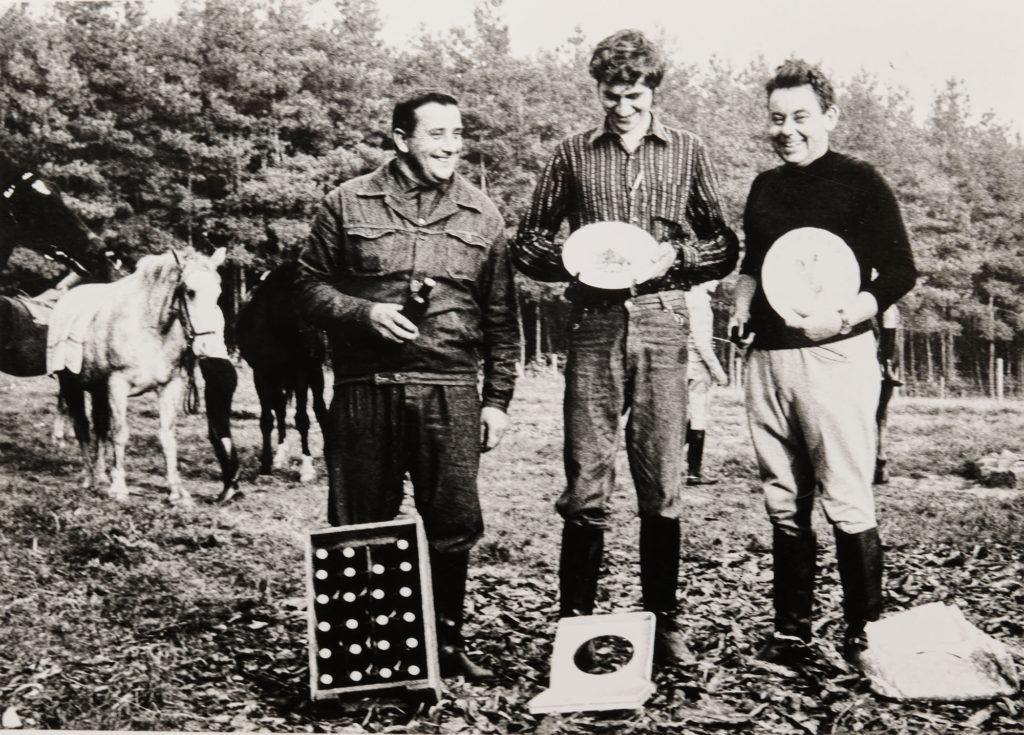
Gust, Staf and Frie won prizes. – Steenheuvels, Langdorp.
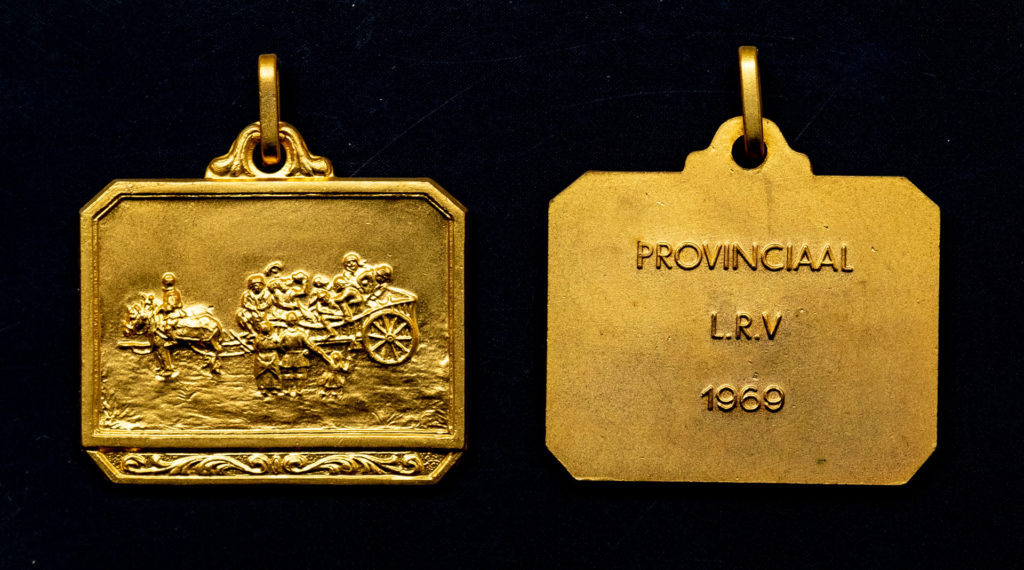
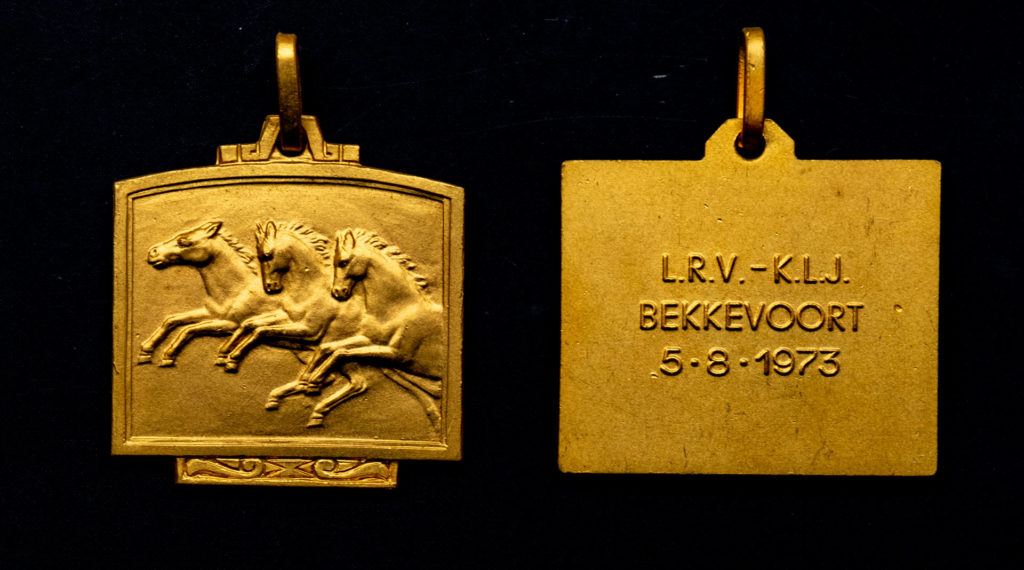
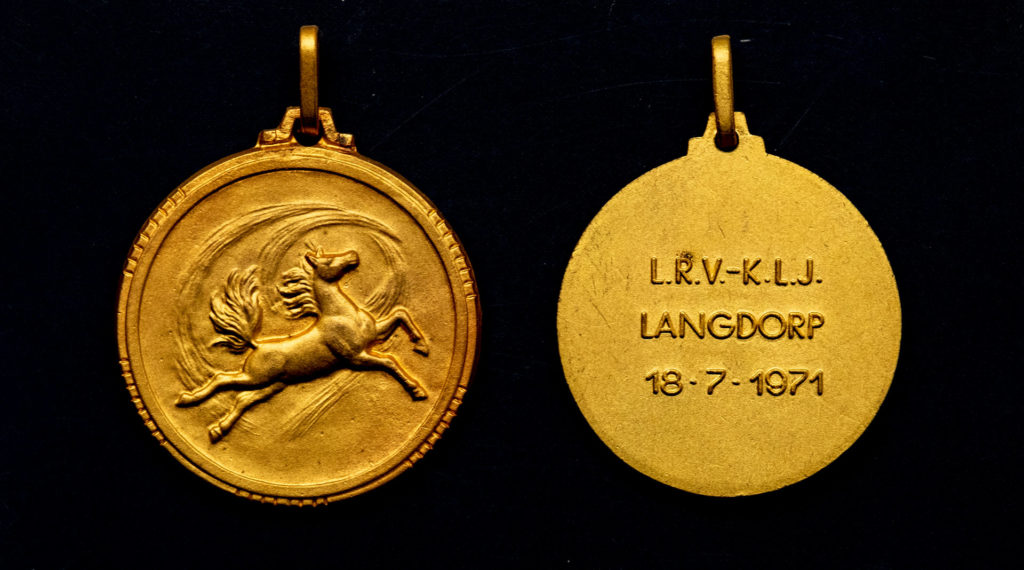
There is also a nice story about Staf and Nelly, the first caretakers at the Steenheuvels:
Mia drives the tractor herself with a hay tedder to dry the hay. Lending a hand is, for Mia, going a bit wild. Trendy Nelly in her white leather knee-high boots attracts the attention of passers-by. A walker addresses Mia: “That one there with her white boots, is that the notary’s wife?” No wonder the remark is only moderately appreciated by the notary’s wife concerned. She dismisses Staf and Nelly from the Steenheuvels on the spot.
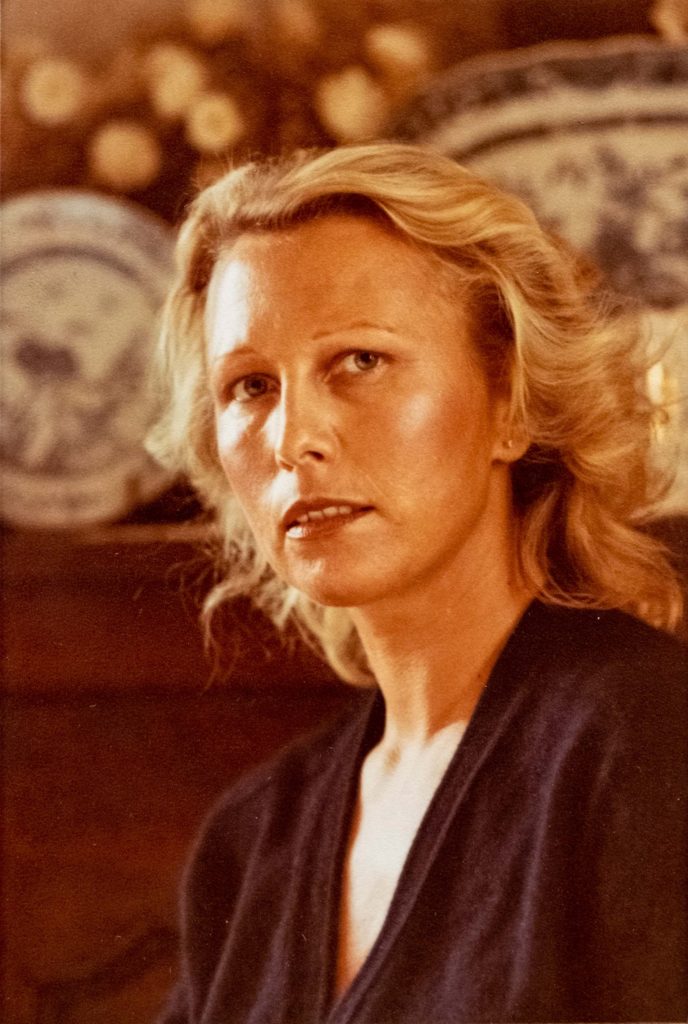
A stylish ride by Mia on her estate the Steenheuvels. (photo: 1982)
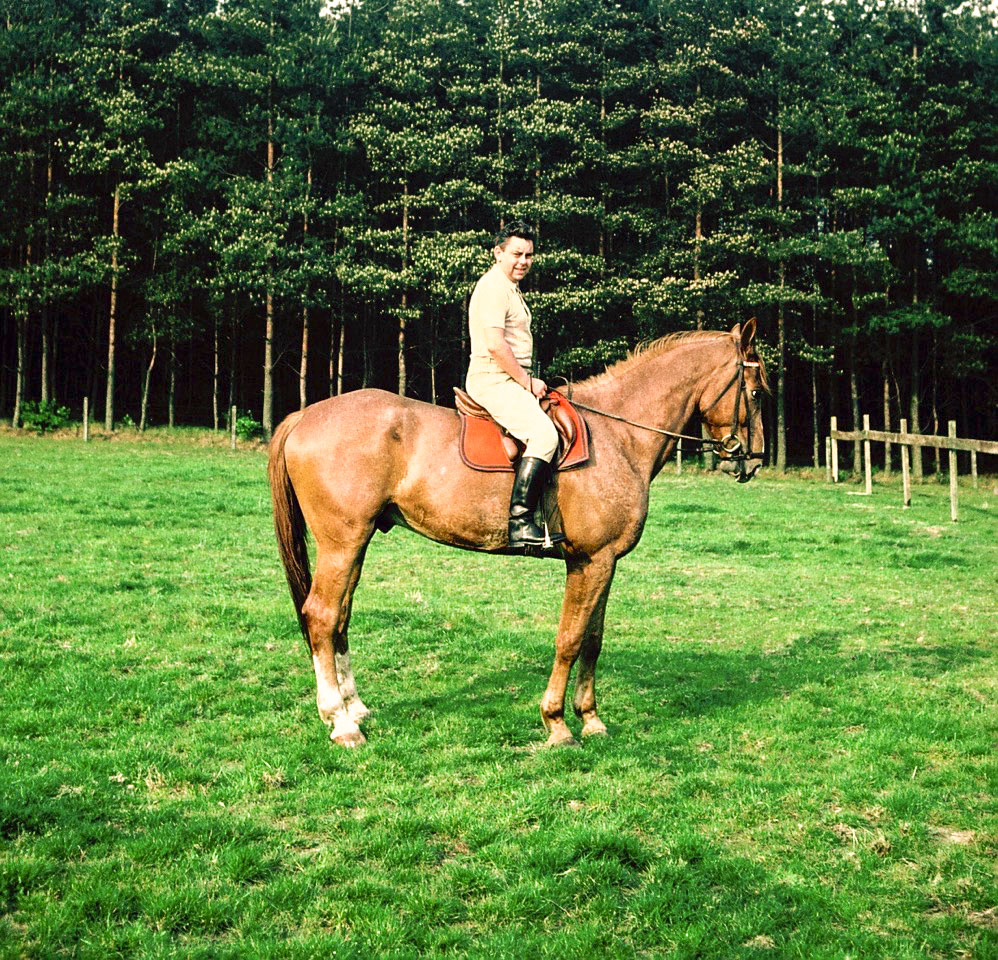
Frie with Robbie – Steenheuvels, Langdorp.
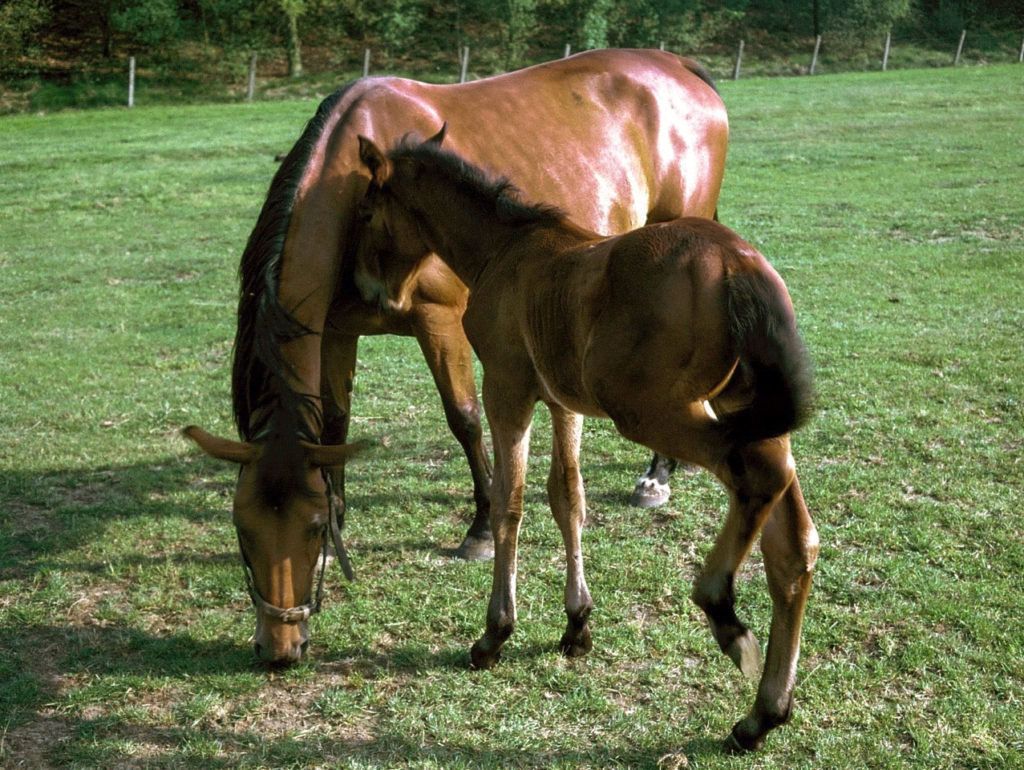
Pella with foal Willeke – Steenheuvels, Langdorp.
“My childhood memories of the Steenheuvels date from the mid-seventies. As a teenager and member of the ‘Bosruiters Langorp’, I learned to ride with notary Van Kerckhoven as instructor. To teach the correct posture, I was given a broomstick under my arms and a cigarette paper between my knees to get the right contact with the saddle. I can assure you, I could ride very fast.” – Eric Bergen (2020)
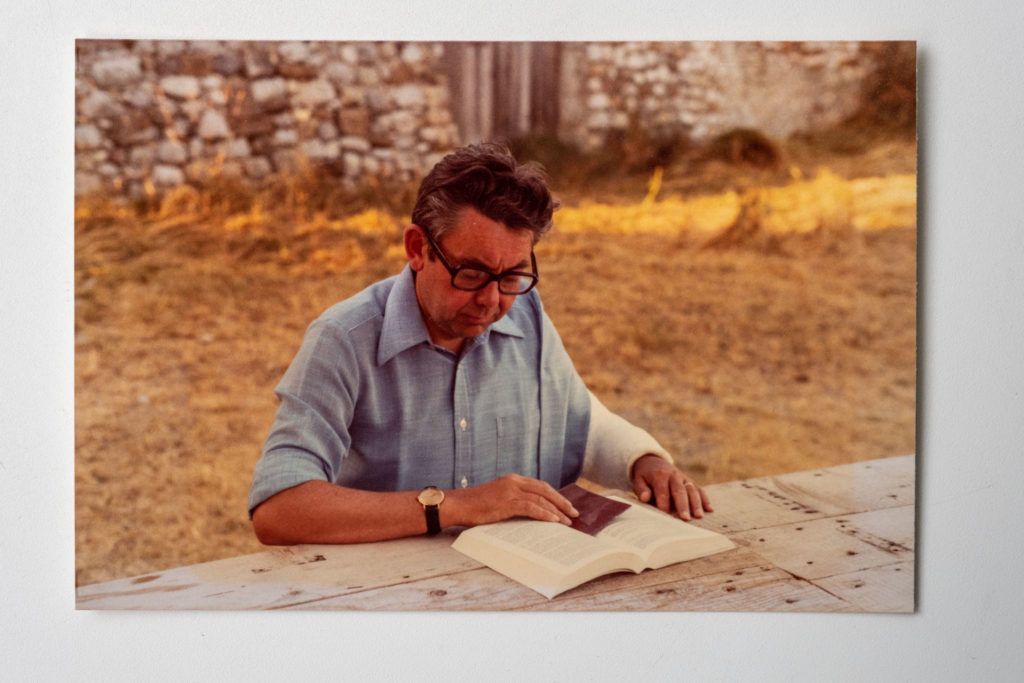
Frie with his arm in plaster after a fall from his horse. (photo: 1979)
May 1979: During a walk with an English thoroughbred, a group of riders gallops past. The stallion gives chase. Frie pulls the reins, Lord rears and Frie falls on the concrete road. His arm and upper body are in plaster for half a year.
NATURE CONSERVATION.
« Secundum naturam vivere » “To live in harmony with nature” Cicero
Frie experiences forest management at the Steenheuvels himself. In the first half of the twentieth century monotonous plots of conifers were planted everywhere, among other things to prop up the Limburg mines. Frie is not a modern nature manager who makes the woods more varied, more natural, more beautiful. Original pine trees are felled and cut into blocks by a whining chainsaw. All for the stove and the open fire.

A Daihatsu jeep for the maintenance of the woods. – Steenheuvels, Langdorp. (photo: 1985)
Nature tolerates your spying on her, not your unravelling her. Pythagoras
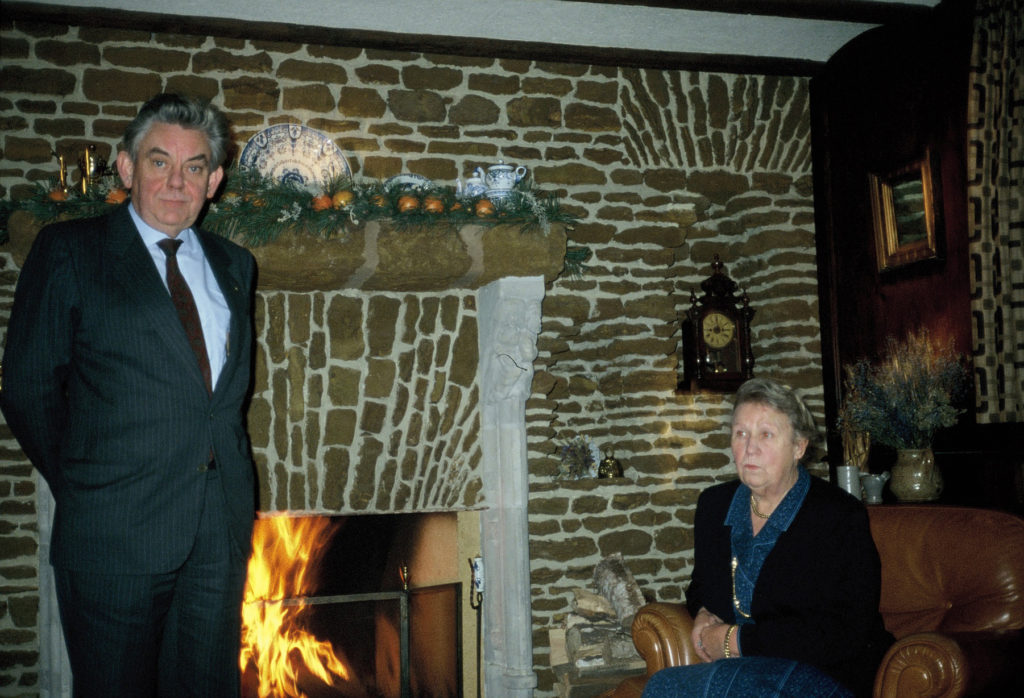
Frie and his mother-in-law – Steenheuvels, Langdorp (photo: 1987)
Colette sees the woman at the hearth and the man at work. She argues for a revaluation of the homemaker.
Let us pause at the house for a moment. Frie embellishes the house at the Steenheuvels with facade ornaments and decorative beams from a monastery near Leuven. The cobblestones around the house come from a military barracks. The roof tiles previously served on sheds of a former brickworks in Ramsel. Frie got them for a song. Note the open fireplace with early 16th-century sculpted fragments in blue limestone. On the right a dancing couple of humble origin, behind Frie noblemen dance. To every visitor Frie explains how he managed to snap up the blocks of rust-brown Diestian ironstone sandstone of the chimney breast. They come, in fact, from a dung heap at a neighbouring farmer’s.
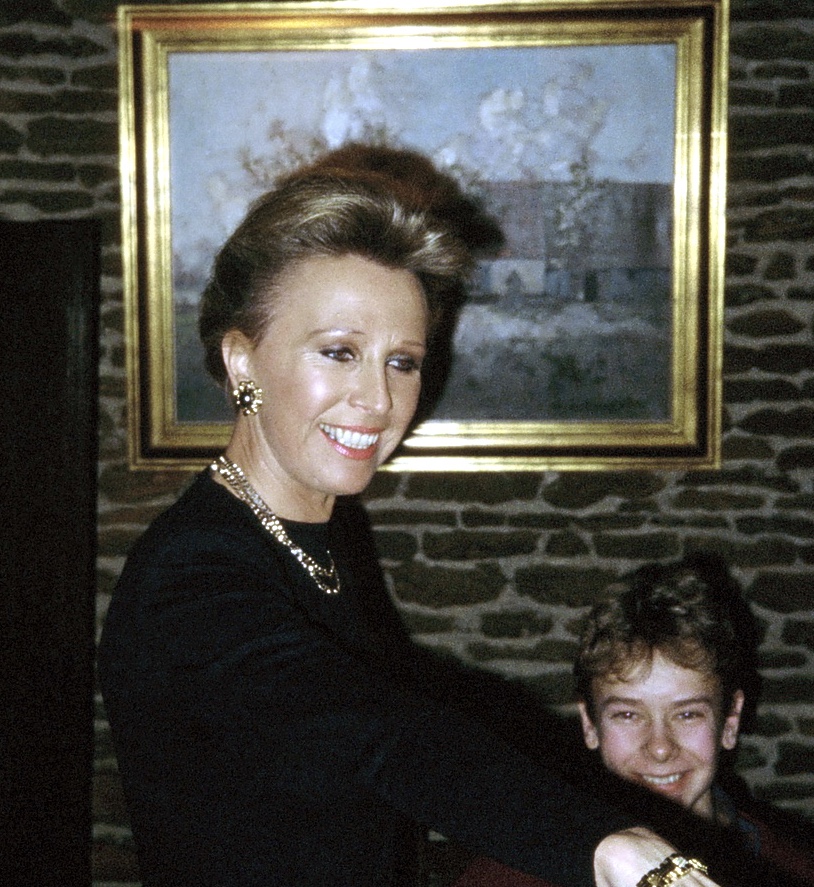
Mia and Gert (photo: 1987)
Falling back on old-fashioned habits and views, such as the woman’s role at the hearth, is not an option for Mia, so things sometimes crackle indoors. Frie loves Aarschot and the countryside, Mia the big city and shopping.
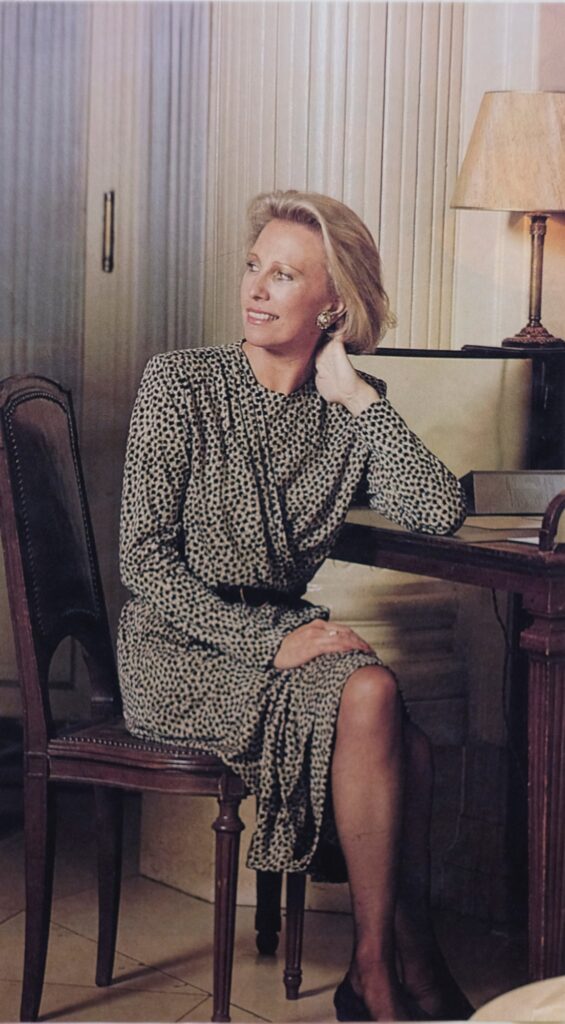
Mia during the election of the most beautiful woman over 50 in the kingdom. BRT radio interview:
« Horas non numero nisi serenas » “ I count only the happy hours ”
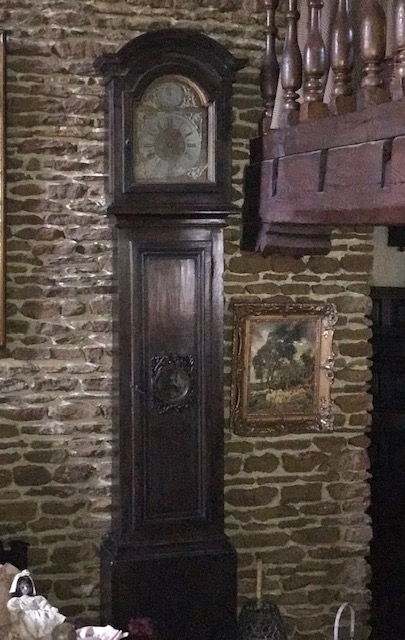
Grandfather clock – Henry Dille – Aerschot 1816.
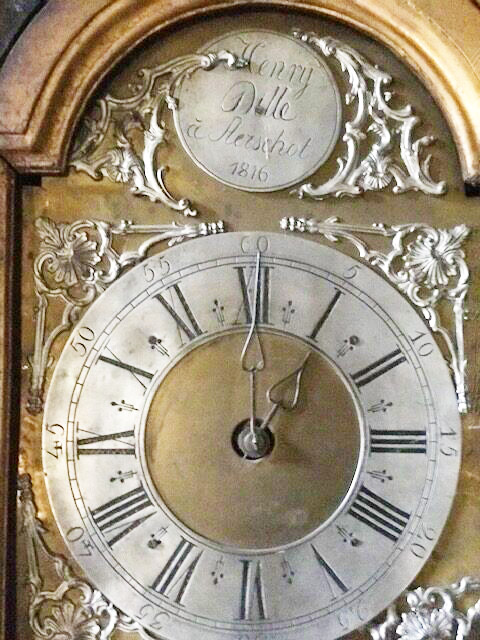
Year in, year out, before leaving for the office and before going to bed, the weight of the grandfather clock is wound up by Frie or Pieter. To the right of the clock hangs a small painting by the Aarschot artist Ernest Vanden Panhuysen.
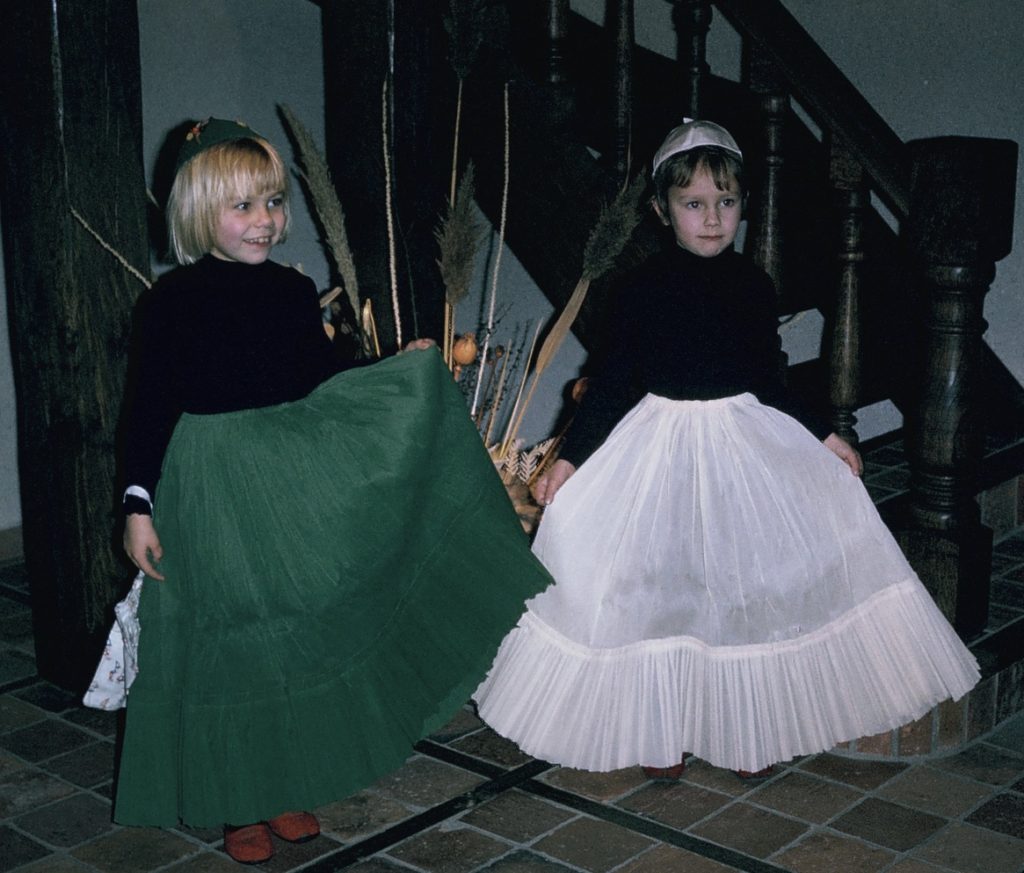
Ilse and Pieter – Steenheuvels, Langdorp (photo: 1975)
“From our grandma, Ilse and I received a skirt as a present. I knew my dad did not want that and kept my garment in a shoebox under my bed, but he once found the skirt and threw it into the open fire.” – Pieter
« Velle suum cuiqui est »
“ What a person wants is personal to each one ” Persius
Oh, little sheep and dwarf goats!
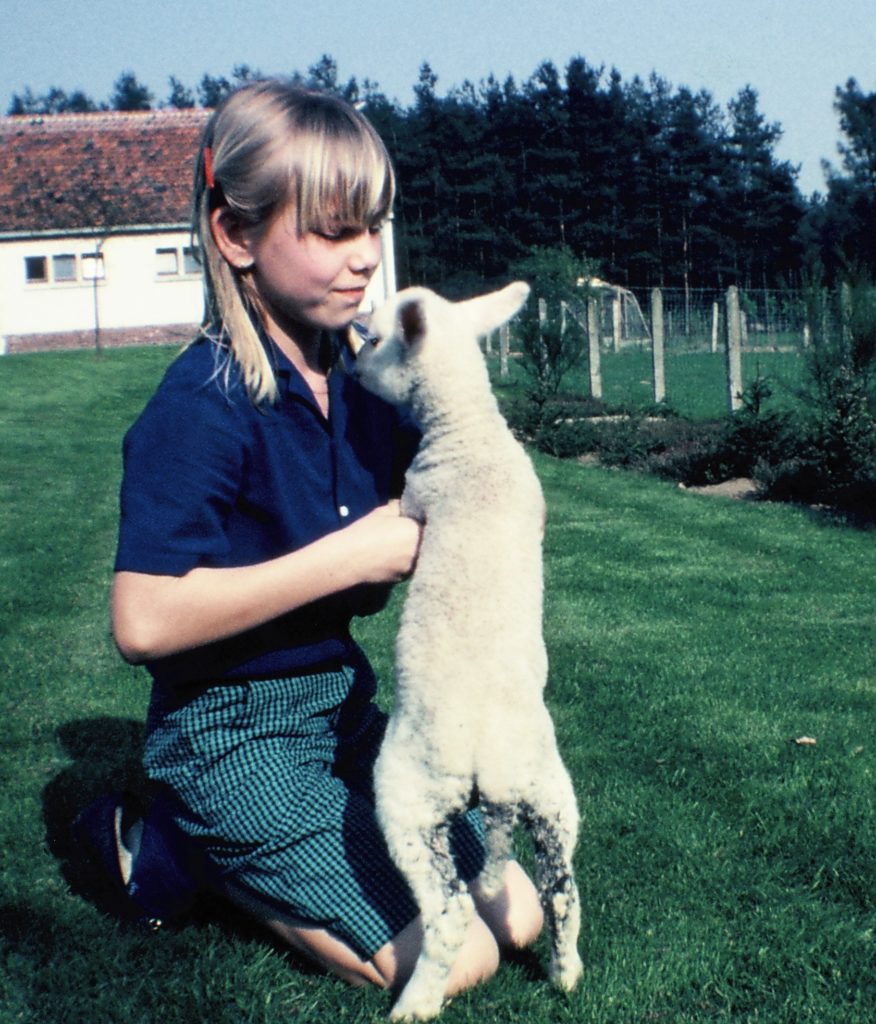
Ilse Van Kerckhoven – Steenheuvels, Langdorp.
Frie breeds Suffolk sheep with black heads, black legs and fine white wool. Mia and the children do not like mutton. One day Mia notices freezers full of sheep. Then you simply dig a big pit to dump the freezer bags in.
A distasteful episode is when Ilse gets dwarf goats at the animal market in Heist-op-den-Berg. On closer inspection Frie concludes that they are useless, money-wasting little creatures. Every other minute their horns get stuck in the fence wire, with endless screeching as a result. A neighbour slips Frie a recipe with goat meat. In the end the butcher “the drunk white Wuyts” comes to slit their throats. The habit of chatting cosily about the little goats with Ilse when she comes home from boarding school is over. Their little pelts now adorn her bedroom. This deeply affected Ilse. 35 years later those goat pelts lie over the arm of her armchair.
“Boni pastoris est tondere pecus, non deglubere” “A good shepherd shears his sheep, but does not skin them.”
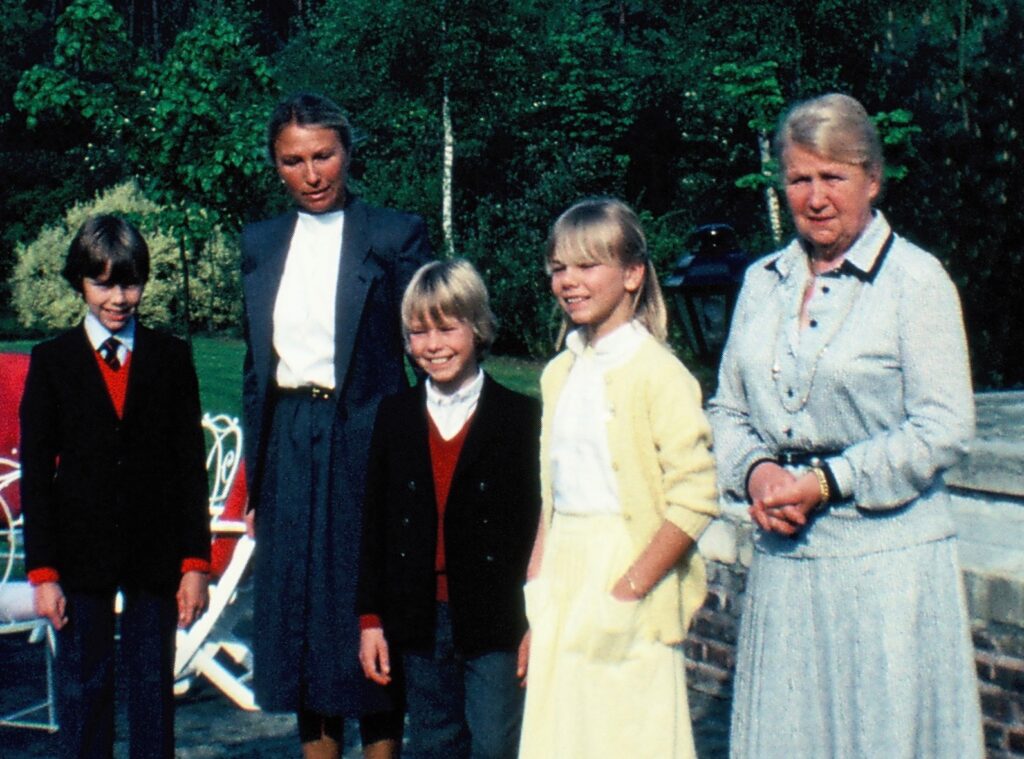
Pieter, Mia, Gert, Ilse, Colette.
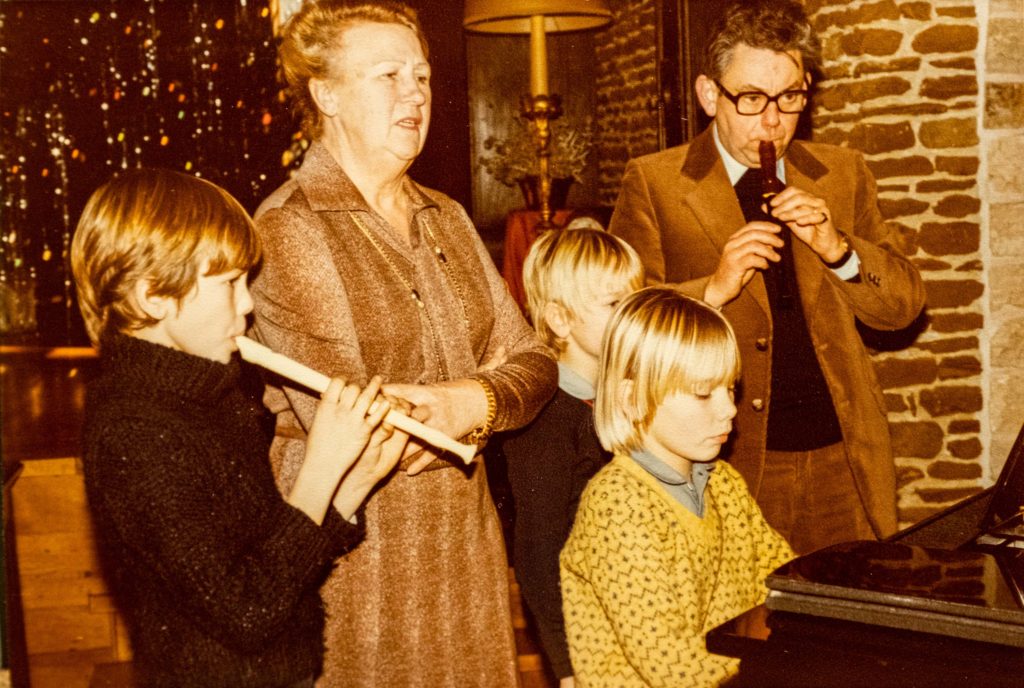
Pieter, grandma, Gert, Ilse and Frie. Steenheuvels, Langdorp.
”Every heart sings a song, incomplete, until another heart whispers back.” – wrote Plato.
Traditionally on Christmas Eve: ‘homard belle-vue’, one small present and Christmas carols. « The lobster doesn’t taste as good as at Sjoke’s on the Grecht in the old days. » Frie said at the time. (Sjoke had run a little fish shop in the Nieuwstraat “de Grecht” in Aarschot and never gave away the recipe.) The countless times Mia cooked well, Frie said: “Go and eat in Brussels, in a restaurant, you’ll have to pay quite a bit.” Asparagus is constantly on the menu during its season. Frie is extremely fussy and can tell from the taste whether the asparagus comes from the soil of Wolfsdonk or Herselt, whether it was grown in a greenhouse or in open ground. His favourite dessert is “two scoops of vanilla ice cream” from Averbode with a few strawberries or raspberries. Potatoes must be well cooked: “Potatoes must be floury, so that they fall apart. Then they are at their best.” – Frie and his brothers.
“Our father made us speak standard Dutch (ABN). To tease him I spoke Osschots and got a hiding for it.” – Pieter “Speak properly, boy. You’re just one of ‘de Grecht’ (old working-class district in Aarschot). Laugh about it. Wait until you have to plead in court. They’ll have a good laugh,” said Frie.
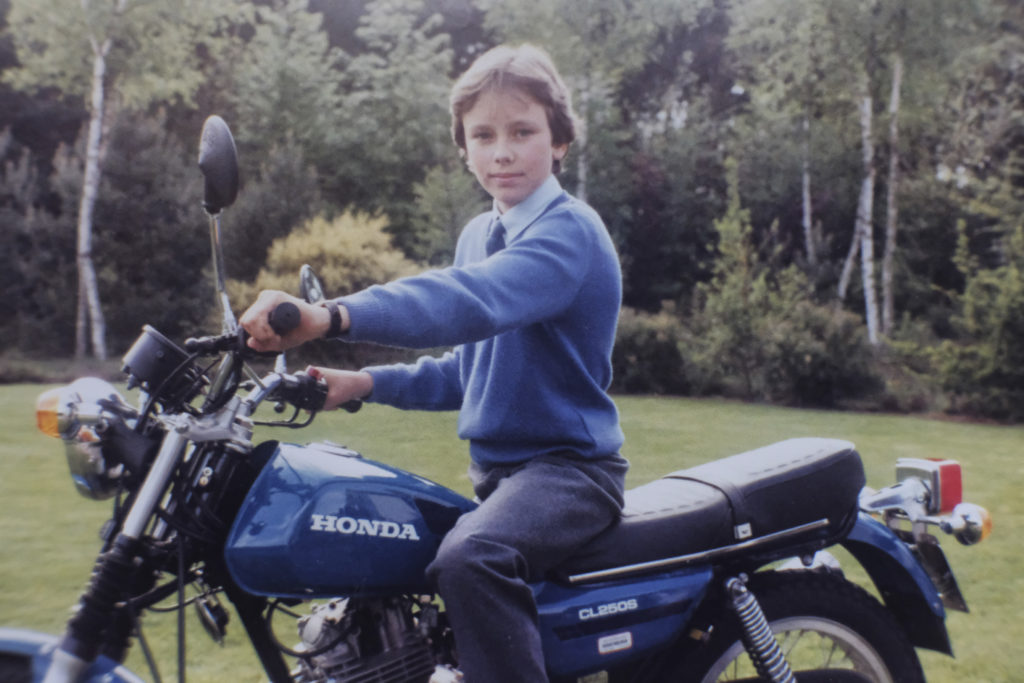
“I had a fascinating attraction to experimenting with Mum’s make-up, dressing up or cutting the hair of my sister’s dolls. Mum and Dad were not pleased with that and I got slapped for it. Riding motorbikes, though, was allowed!” – Pieter
“I have a lot of admiration for Pieterke, because it’s really not easy with your parents. And certainly not with just any mother. She should have thought better about where she came from! That’s it, isn’t it, Pieter! All the money comes from your father’s side anyway. Well, that one has it from his aunts, eh. He will have earned something himself, as a notary.” – Carla Serneels.
Well-known neighbour:
In the mid-1970s a well-known Fleming buys a bungalow and woods on the other side of the Oude-Mechelsebaan. It is Luc Delafortrie (1912-1999), organiser of the Verdinaso, editor of De Standaard, publicist of De Nieuwe Gids, writer, poet.
The author comes to visit Frie and urges him not to parcel out his many woods. He would file a report on suspicion of extortion and professional discrimination. Frie stresses that this is by no means his intention. Every year Frie receives a four-metre-high Christmas tree as a gift. Delafortrie and his wife come to admire the decorated tree and a toast is made with champagne. The neighbour always brings a volume of poetry. The then BRT (now VRT) comes to his home in 1982 to make recordings for Maurice Dewilde’s programme ‘The New Order’.
The neighbour’s success also has a less successful side (and I do not even mean the collaboration). The co-founder of the Priester Daensfonds moves away and leaves Frie bewildered when he has nevertheless converted his woodland into building plots, which he sells.
« With quite a few people the word precedes the thought. ” – quote Luc Delafortrie
Macadam:
“ At least as interesting is how I saved the Steenheuvels, a magnificent piece of landscape heritage, from being asphalted. My father hated driving through the puddles of the unpaved road. ‘A person always sits in a rattletrap of a car. And with all those holes, that’s not good for the shock absorbers, eh! A little macadam road, that would be a dream, wouldn’t it, eh’, said Frie. When Dad had convinced the town council to disturb the idyll with a road surface, I got involved. I rang the bell at the private residence of mayor Rik Daems and asked him to spare the centuries-old ‘pearl’ of the Langdorp landscape from asphalt. The mayor found my objection hilarious, pointed out that the application came from my father but promised to take it into account. The asphalting was struck from the budget. Dad all but jumped out of his skin over my intervention.” – Pieter
Always choose the road that seems best, however rough it may seem. Pythagoras
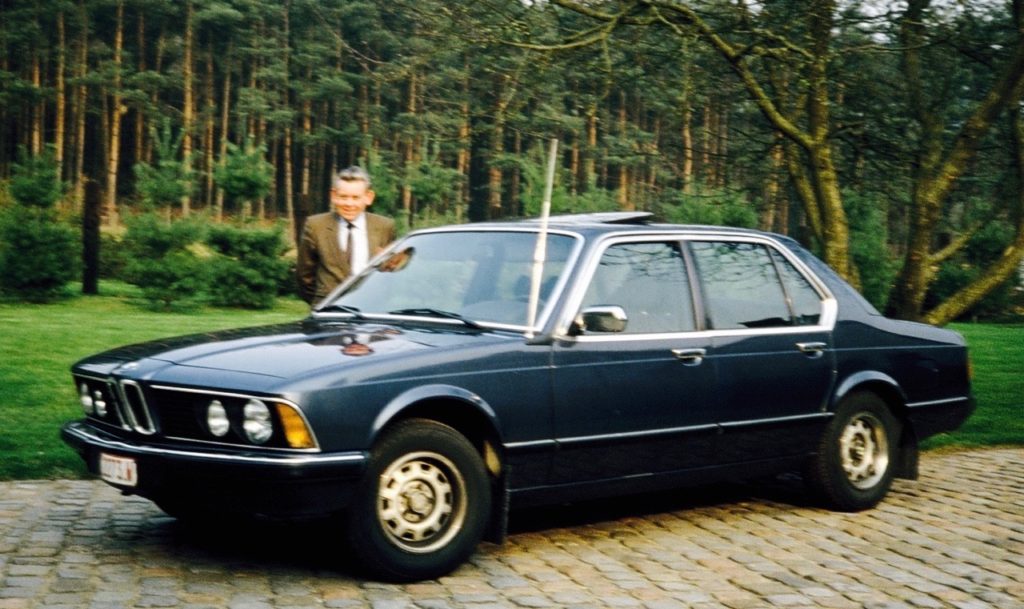
Frie with his status symbol, a BMW 7 Series – Steenheuvels, Langdorp (photo: 1985)
Mr Notary likes to admire new models at the local car dealers, where he is shown around with due ‘égards’.
“True car lovers do not like replacing their car. Signing an order form puts an end to dreaming of new cars. The pleasure of visiting you is then gone. I would rather have become a garage owner than a notary,” Frie said at the time.
A garage owner chimed in: “Come on, Mr Notary, as long as we can still do a little something together!”
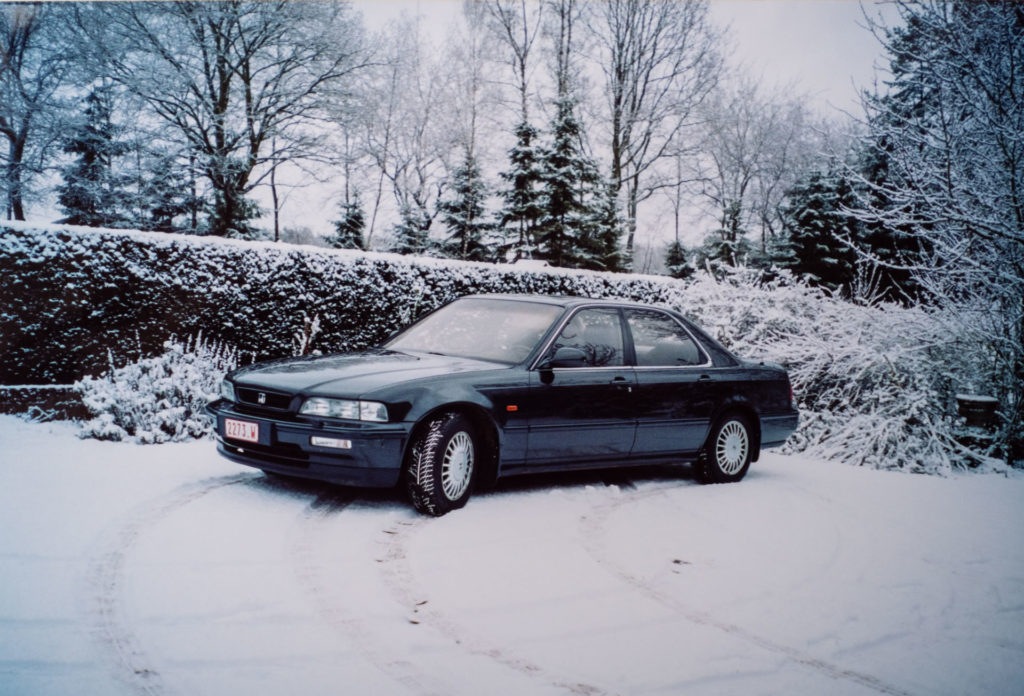
Frie’s car: Honda – Legend
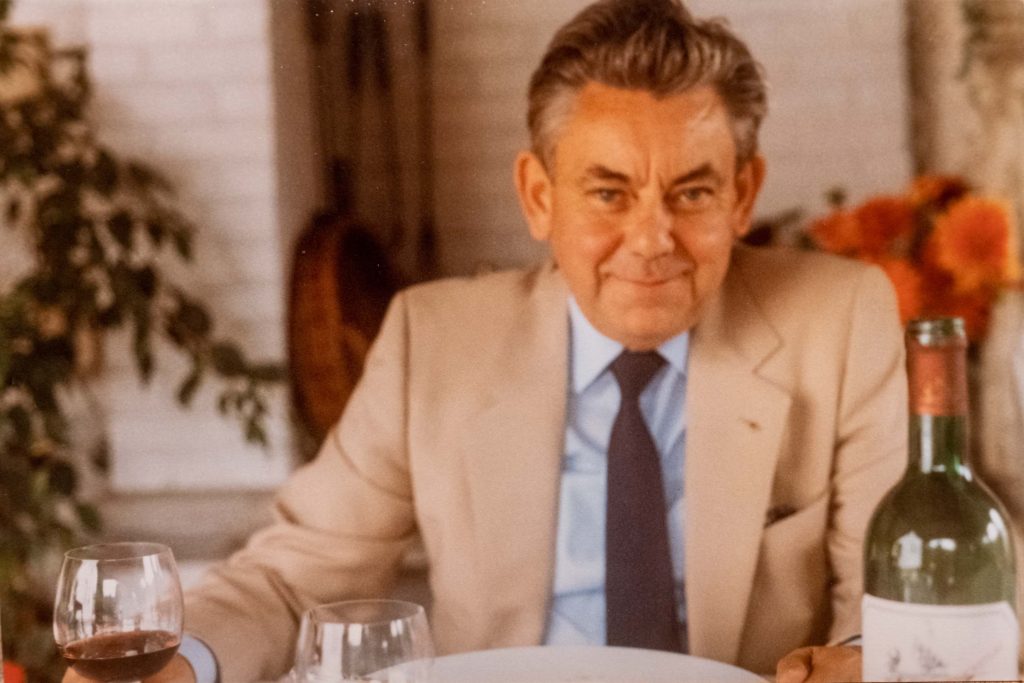
« Dum vivimus, vivamus »
“ Let us enjoy life while we live ”
XX. ANNA AND MARCEL, 39 YEARS IN THE SERVICE OF
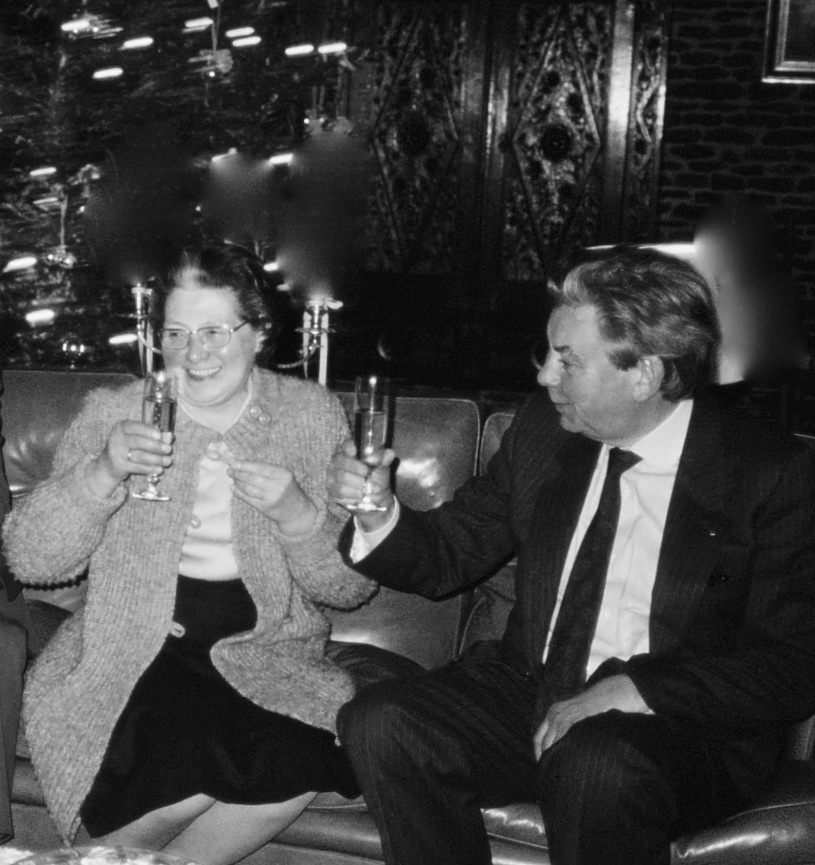
Anna and Frie raise a glass to the new year. (photo: 1987)
This episode is about Anna, who is hired shortly after the wedding of Frie and Mia, and subsequently her husband Marcel.
Anna (1926-2005), originally from Nieuwrode, lost her father early. Frie remembers Anna as a young girl who came to Aarschot on foot in all weathers. She brought a heavy cart with strawberries or eggs to sell at the Thursday market.
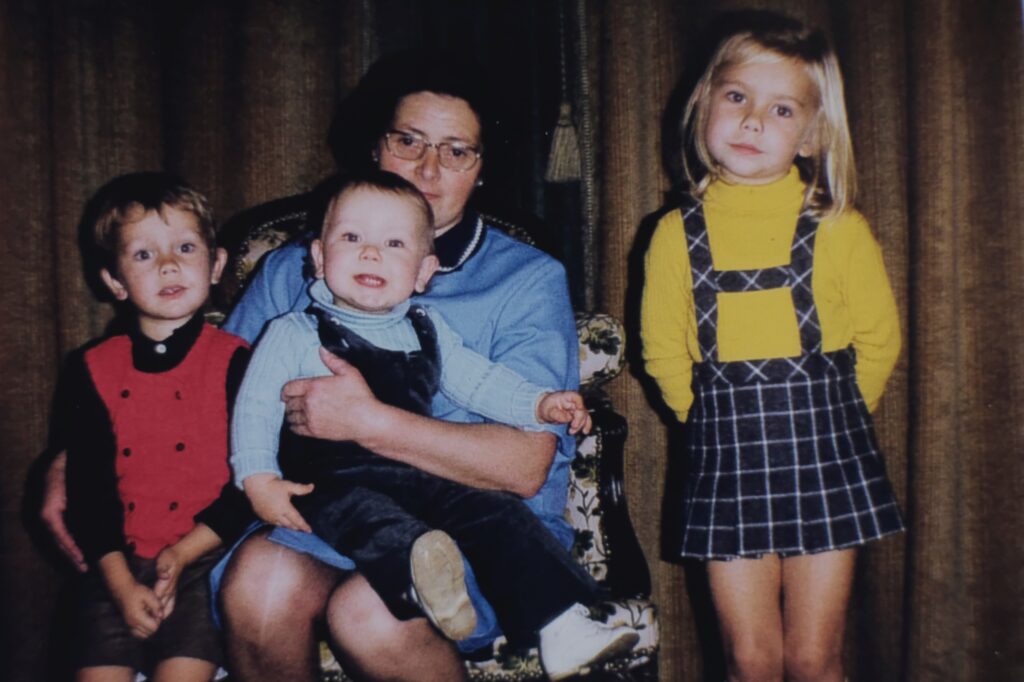
Through her permanent presence Anna plays a key role in the upbringing of Ilse, Pieter and Gert. Their upbringing is like a relic of the 19th century. They are attached to Anna and Marcel and enjoy every moment and the smallest things, such as helping to gather eggs. Anna sells those eggs to the milk woman. Several traders sell at the door. Proudly Anna hands the proceeds to ‘Mister Notary’. Difficult Mia claims that only old eggs are left over. The fresh ones are for the children of the staff and that milk woman.
Anna and Marcel never go on holiday. The only time they go to Brussels is to admire their son François, who stands guard at the Royal Palace. Once the national border is crossed to visit their son, soldier Michel, in Lüdenscheid.
They live in the caretaker’s house. Frie and Mia are addressed as ‘Mister Notary’ and ‘Madam’. Frie is very fond of Anna.
- „“Go and look for them! Such good and honest people, you won’t find those any more.” – Frie
- “Youwould have been better off marrying her, she’s totally your style!” – Mia
Frie drops in on Anna and Marcel every evening. When there is football on, Frie stays with them all evening.
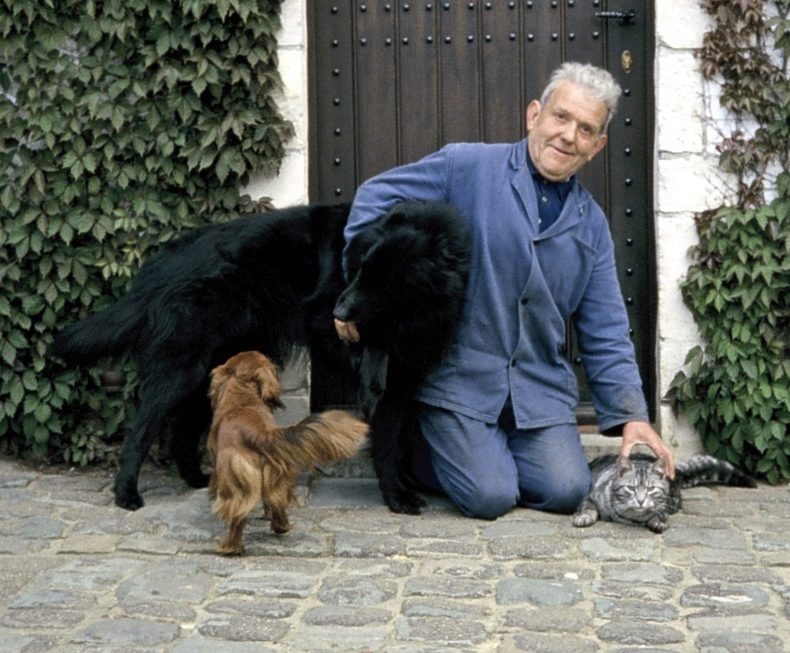
Marcel Verrijt (1924-2010) with the Groenendael Fidèle, the dachshund Nolleke and Minou.
Marcel, originally from Houwaart, gardens and looks after the animals at the Steenheuvels. Marcel wears wooden clogs. When Gert and Pieter watch Marcel working, he says: “Work ennobles, but nobility does not work”. The little brothers have understood the message and lend a hand mucking out stables, feeding the horses, splitting wood, lifting potatoes, etc. . Marcel explains that as a young lad he was summoned to the parish priest, who gave him a good dressing-down because he had refused to take off his cap and say “Bonjour monsieur le baron” when baron de Troostenbergh came riding past on horseback. Other philosophical sayings of Marcel were: “Live and let live.” (respect everyone’s way of life), « I don’t leave my food. » or “That one no longer has to go to work” (he has died). Frie makes sure there is always a glass of beer ready for Marcel. ‘E pi-jerreke’ (Horse-Ale) as he calls it.
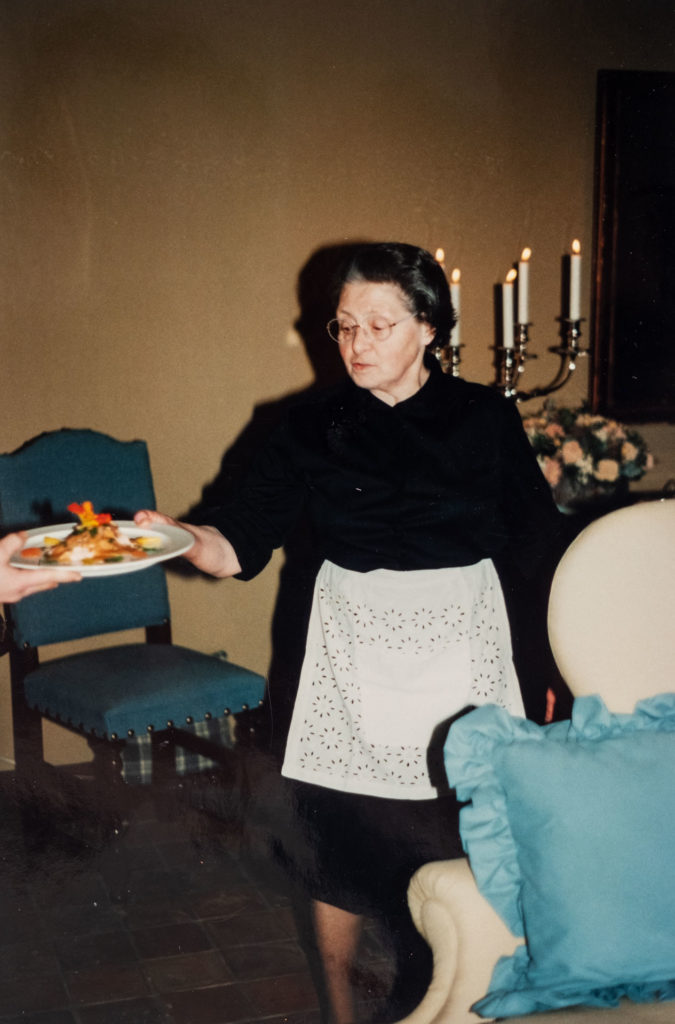
A toe-curling dialogue between Anna, Mia and Pieter: (around 1984)
Pieter: Anna! Anna!! Annaa!!!
Anna: Yes, Pieter.
Pieter: Where is our mum?
Anna: She’s off in Brussels again.
Pieter: What is she doing there?
Anna: Planting potatoes! Now she’s going on again about adding a gazebo in the garden. There’s enough work downstairs already. On Monday Mon is coming to break up the concrete. And the notary, he never knows anything. If it can all stay as it is, that’s not much either! The day will come when we are no longer here. Because would she herself ever have peeled a potato? Would she herself ever have put her hands in a washtub? I don’t think so. The dog is barking. A car is coming. There she is, your mum.
Mia: Ohh, what marvellous weather today! If it stays like this, I can have the aperitif for my Saturday dinner outside!
Anna: They’re forecasting rain though. And frost tonight. Then all her flowers will be ruined...
Most women are better at spending money than at making beds. Cees Buddingh, Dutch man of letters (1918-1985)
XXI. LIONS CLUB AARSCHOT.
As co-founder of Lions Club Aarschot, Frie makes contact with a French and a German family in order to give his children a knowledge of languages. So Pieter spends his youth holidays with the Pansieri family, main Renault dealer in the Alpes-de-Haute-Provence. Pieter has stayed in touch with them to this day.
Mr Winand Speckgens – Steenheuvels, Langdorp.
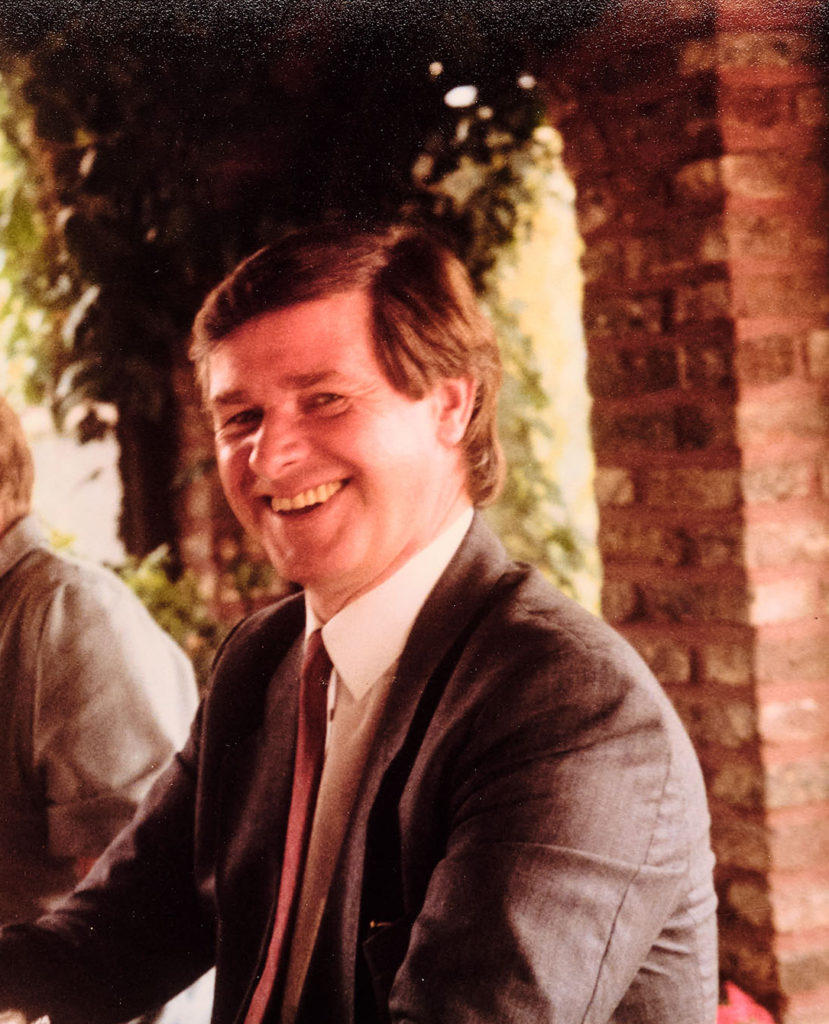
Winand is a member of Lions Club Würselen near Aachen. He is a good friend of Frie and the manager of a company that makes cigarette vending machines.
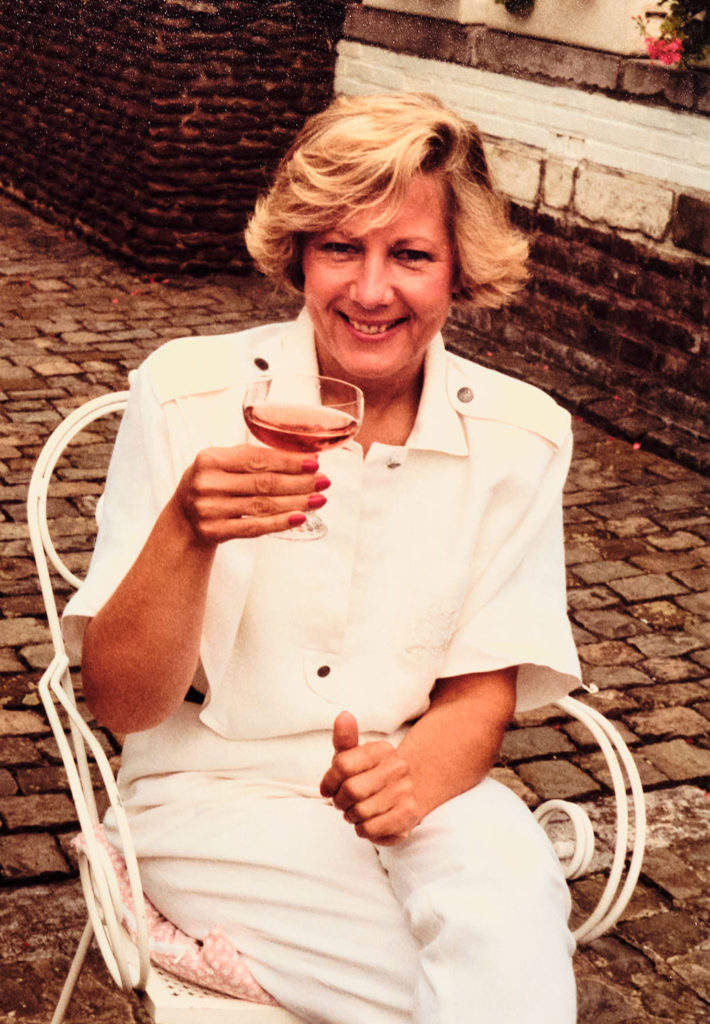
Mrs Erika Speckgens – Steenheuvels, Langdorp.
Winand’s wife raises her glass of ‘Comtes de champagne’. The Speckgens and Van Kerckhoven families visit each other regularly and enjoy wonderful winter sports holidays together in Obergurgl.
With household goods the newest is the best, with friendship the oldest. Pythagoras
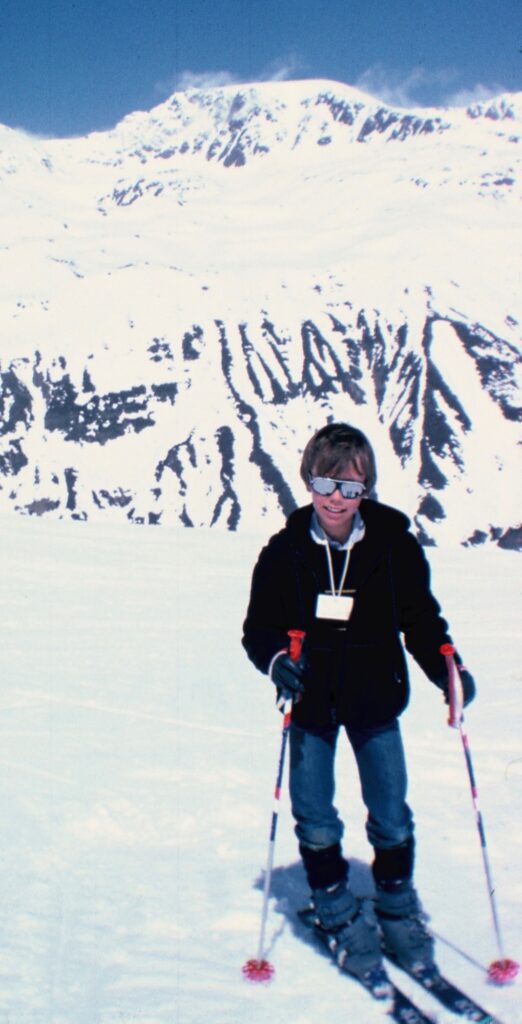
Pieter in Obergurgl.
City trip to Berlin:
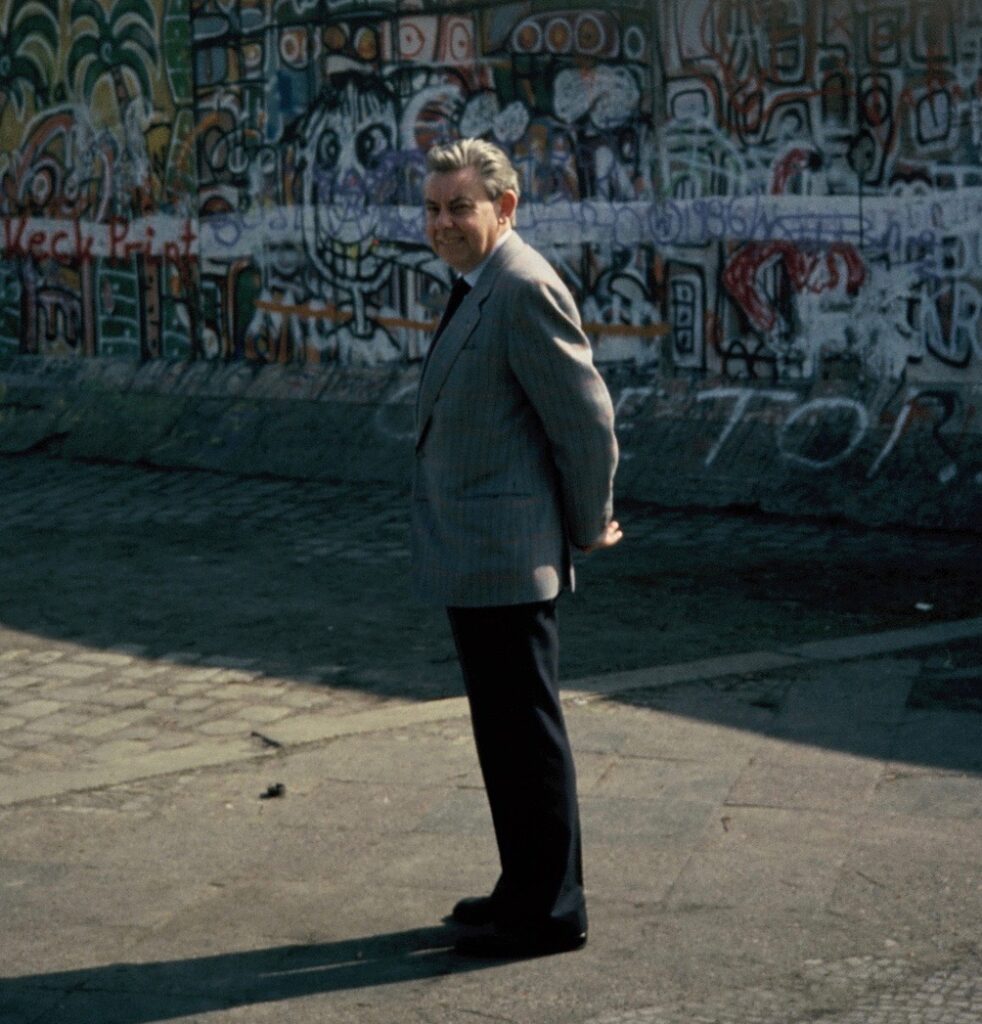
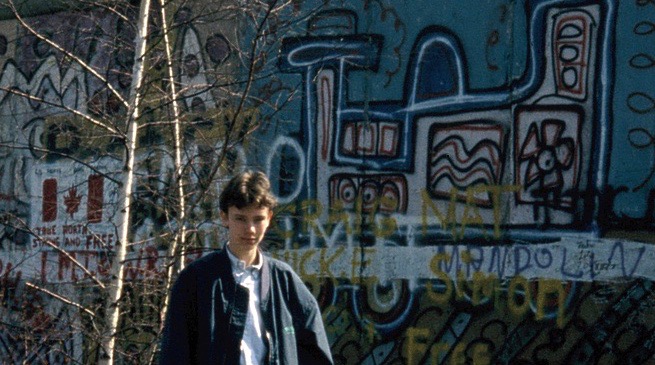
“A trip to Berlin with the Lions club became one of my fondest childhood memories. My father was the only one in the group who had gone through the administrative red tape to spend a day in the communist part of the city via the Checkpoint Charlie border crossing. In East Berlin we visited, among other things, the Fernsehturm. At midday we had a simple meal on the Alexanderplatz. Since the fall of the wall I stay in Berlin regularly. Then a lunch is invariably on the programme at the place my father took me to. ‘Restaurant Block House’ am Alexanderplatz it is called now. On the way back towards West Berlin I wanted to test whether I could outwit the border guards. In the maze of corridors I broke into a run towards West Berlin. A border guard bellowed ‘halt’ with his machine gun at the ready. My father shouted at the top of his voice for me to come back. The same evening, back in West Berlin, Dad and I dined at the restaurant ‘Weinrot’ of the Savoy in the Fasanenstraße. While I was tasting ‘Seeteufel mit Meerwasser, beurre blanc und grüne Erbsen’, two kissing men, dressed entirely in leather, walked past the window. Wow, I’ll be coming back here later, went through my mind!” – Pieter
Versailles:
“As a child I searched all the cupboards, chests of drawers, sideboards and drawers I came across. That is how, in the guest room of the house on the Elisabethlaan, in the bottom drawer of an Empire-style chest of drawers, I discovered an A5-format book with countless colour photos of a gigantic palace. The guest room had become forbidden territory for me because I had once been caught there playing with long blonde hairpieces and a wig that were also in that chest of drawers. For my wig experiments I had been severely punished by Mum. Afterwards I occasionally ventured quickly into the guest room and slipped the book out of the chest of drawers. I hid in the cubbyhole under the attic stairs where the floor polisher stood and admired the photos of the palace. Because I did not understand a word of French, there was no internet and I did not dare ask my mother where that palace was, it remained a great mystery and a dream to one day see that palace in real life. One day I summoned all my courage and spoke to my mother about the book in the chest of drawers. My mum explained with a laugh that it was Versailles and promised an outing there some day. For my sixteenth birthday the time had come. Dad and I planned a day trip to Versailles. The day before, I received a new outfit for the occasion from the menswear shop Helsen in Hasselt. During the enchanting visit my father explained the history of the place. He had once been there with Professor Jokke Devroey, a teacher at the SJC. At midday Dad treated us in a restaurant next to the chateau. I feasted on oysters and a fillet de bœuf. Afterwards, in central Paris, the Faubourg Saint-Honoré was on the programme. On the journey back Dad drove while asleep; I hung over the centre armrest and took over the wheel on the A1 and the E19. I gave Dad a nudge when he had to brake. Back home my father asked my mum, flabbergasted: ‘How come that boy knows all the shops on the Faubourg Saint-Honoré?’ Mum explained with a laugh that I was constantly leafing through Parisian fashion magazines.”
XXII: CHAMPTERCIER
At the Sint-Jozefscollege lives the priest Van Oeckel, originally from Brasschaat. He teaches French. Van Oeckel made a vow to become a priest if he survived the war. He is a bon vivant who owns a country house in Castelane. An acquaintance, a farmer with a drinking problem from Champtercier, asks him to help find a prospective buyer for his estate. Back in Aarschot, Van Oeckel buttonholes his contemporary and friend Jos Van Kerckhoven and his heavily pregnant wife Sidone at the doughnut stall at the Aarschot fair. He motivates the couple to buy the farm in Provence. Jos sends his brother Frie and Mia to reconnoitre. Van Oeckel helps with the negotiations and warmly receives Frie and Mia in Castelane. The table is laid in the middle of the road because no cars pass anyway. Against the rule of the Church, meat is barbecued on Friday. “That’s a thing from back home, that I won’t eat meat.” says the Reverend. As luck would have it an Ami6 comes driving up and the whole festive table has to shift. This is how Frie is warmed to Provence. Afterwards dentist Ackx took over Van Oeckel’s property.
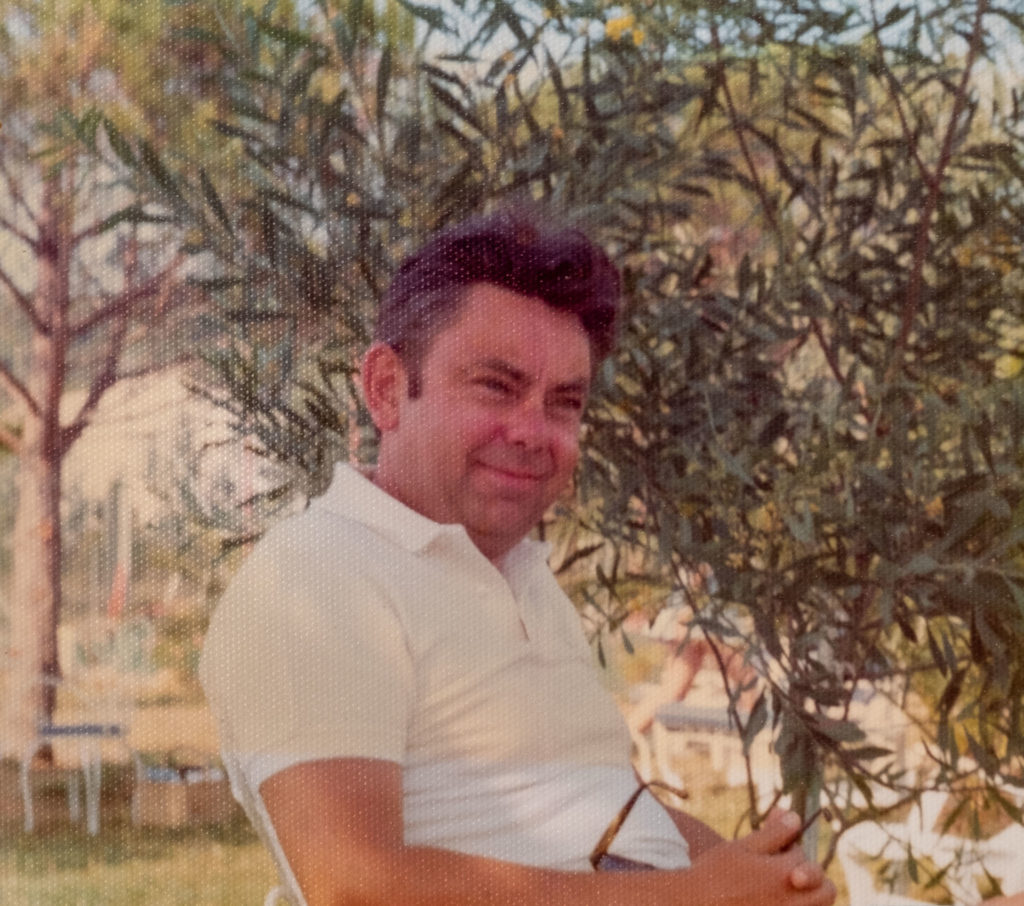
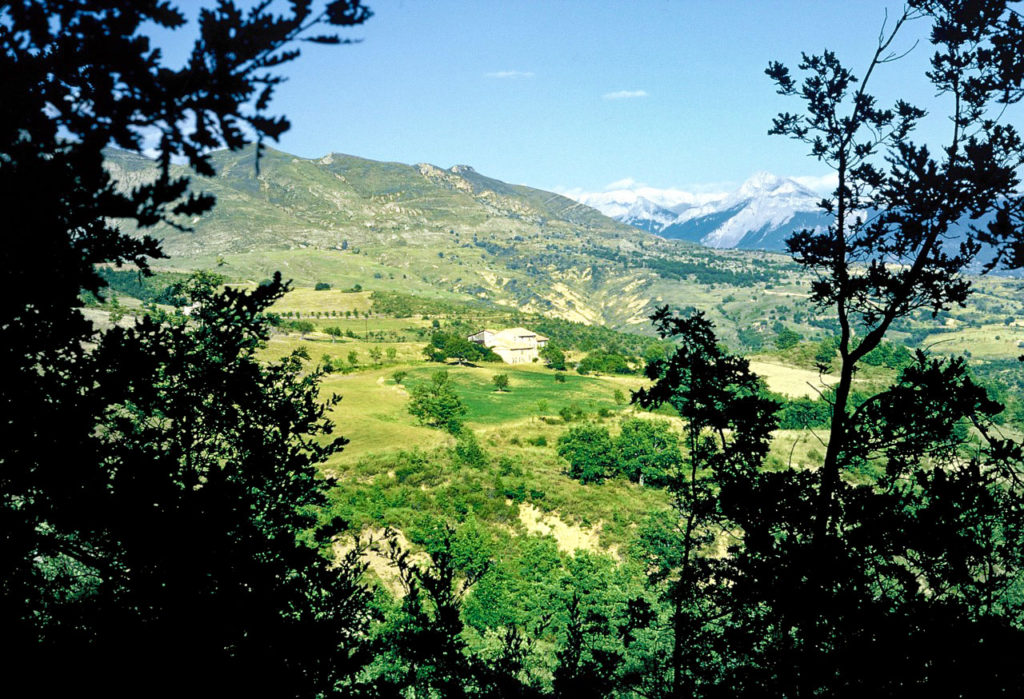
In 1963 Frie and his brother Jos buy the estate ‘Le plantier’ in Champtercier. Quite a few families from Aarschot and surroundings holiday there from the early 1960s until the 1990s.
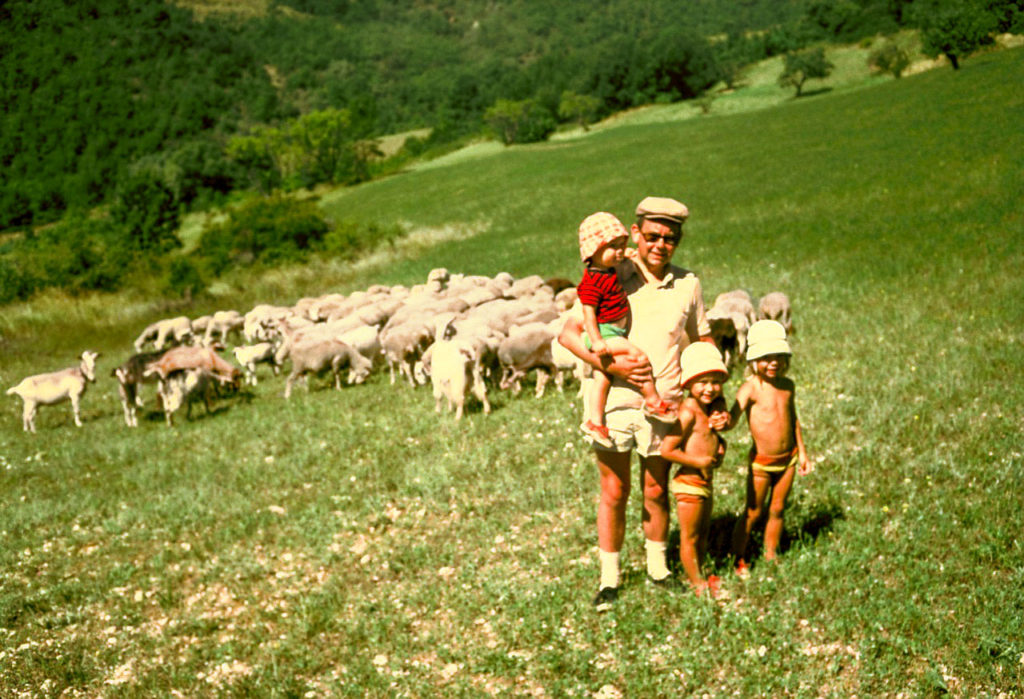
Gert, Frie, Pieter and Ilse – Champtercier. (photo: 1973)
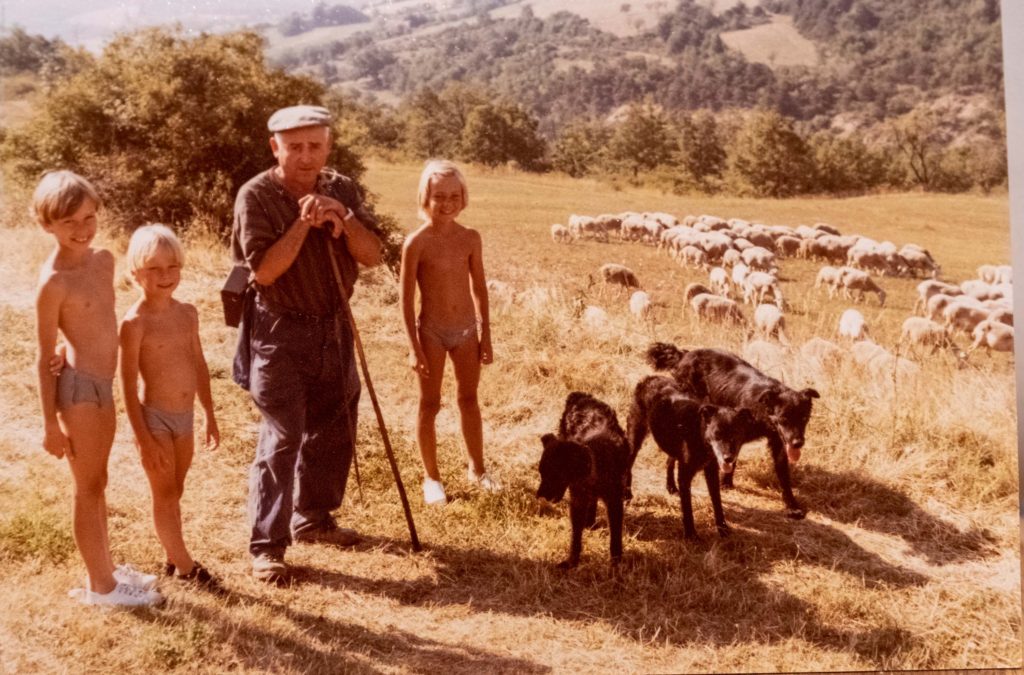
Pieter, Gert, shepherd Lydé and Ilse. The sheepdogs were called: Fidèle, Toulouse and Pan Pan.
Shepherd Lydé may use the 63-hectare estate for his flock of sheep. Out of gratitude the family is invited every year to a feast with produce from the farm.
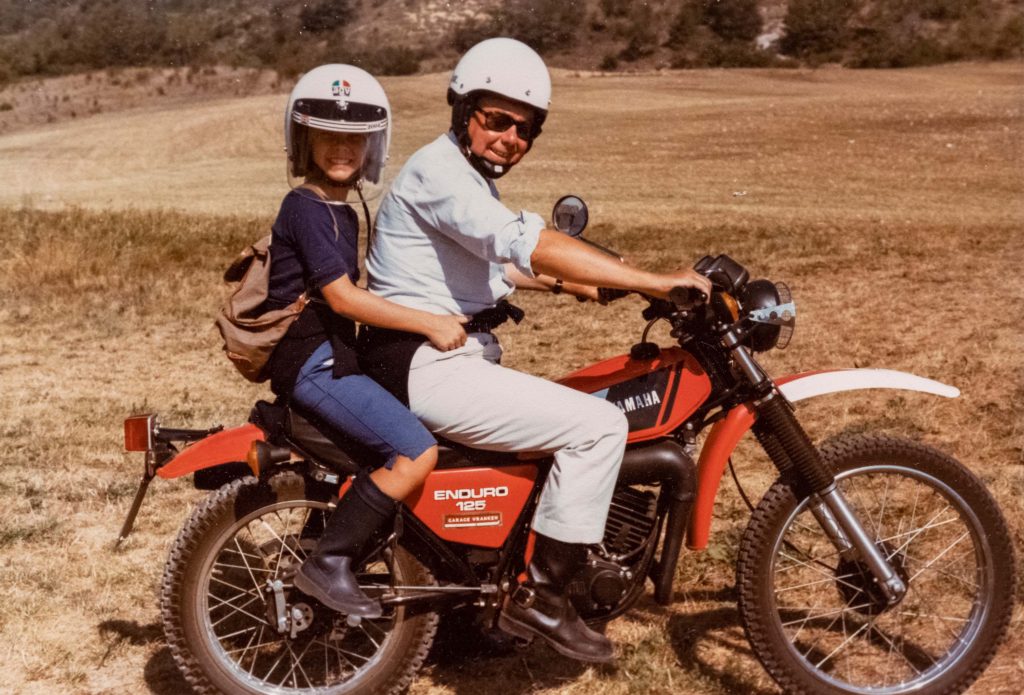
Ilse and Frie – Alpes de Haute Provence.
After an accident with his horse, Mia demands that the horses be sold. They are soon replaced by a road-racing bike, an enduro and an Italjet for the children.
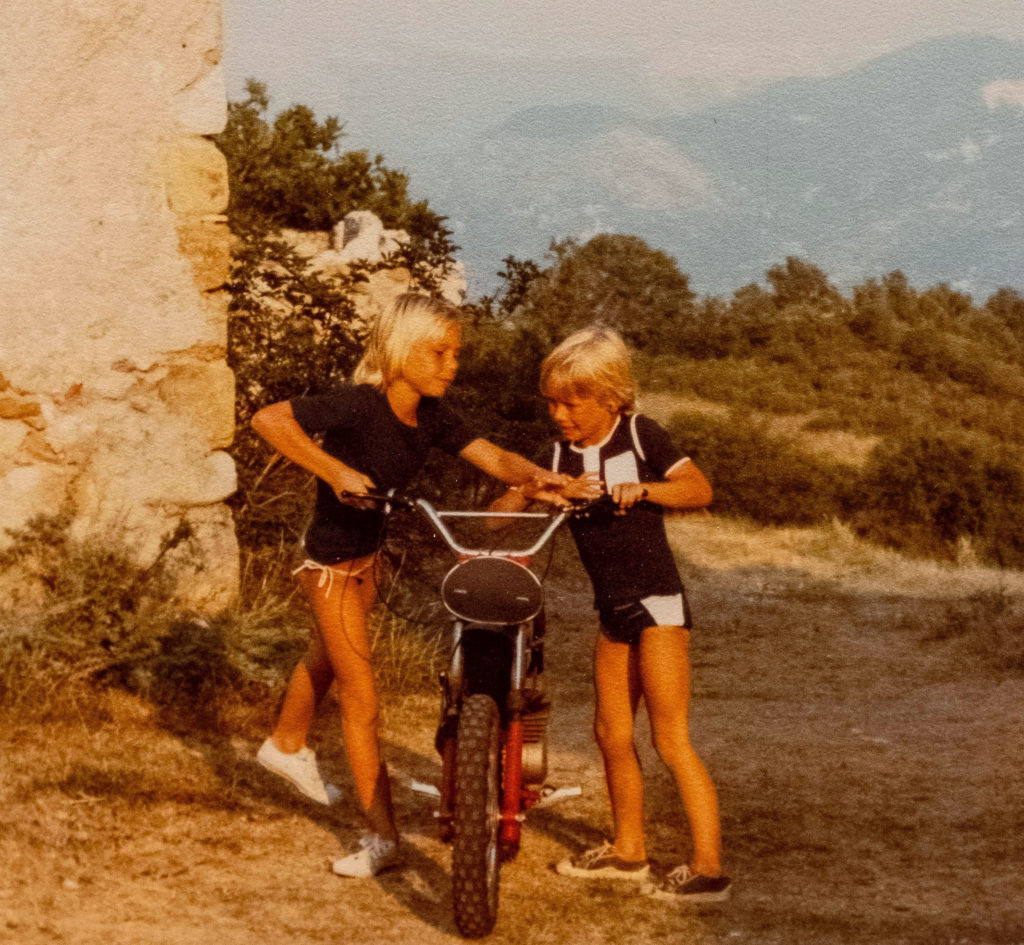
Ilse and Gert quarrel over the Italjet 50cc – Provence.
“At daybreak Dad and I set off to comb the Provence by motorbike. The motorbike and outfit resembled those of the ‘French motorcycle cops’. My father enjoyed seeing drivers slow down when he came riding up. At midday we stopped at a good restaurant. The journey continued after a nap on a bench under a tree.” – Pieter
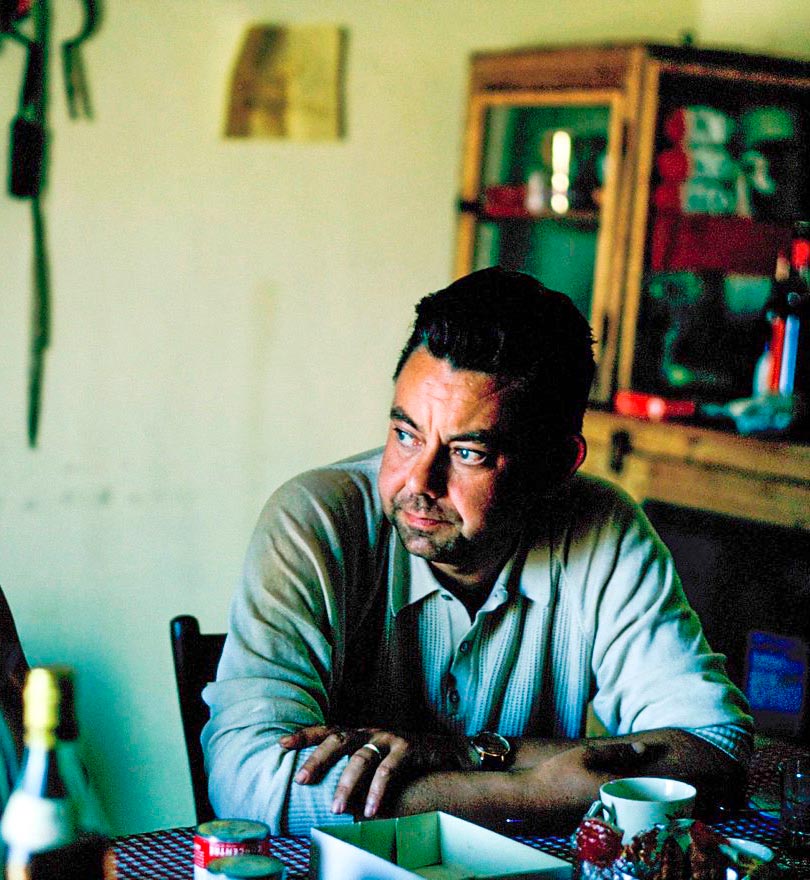
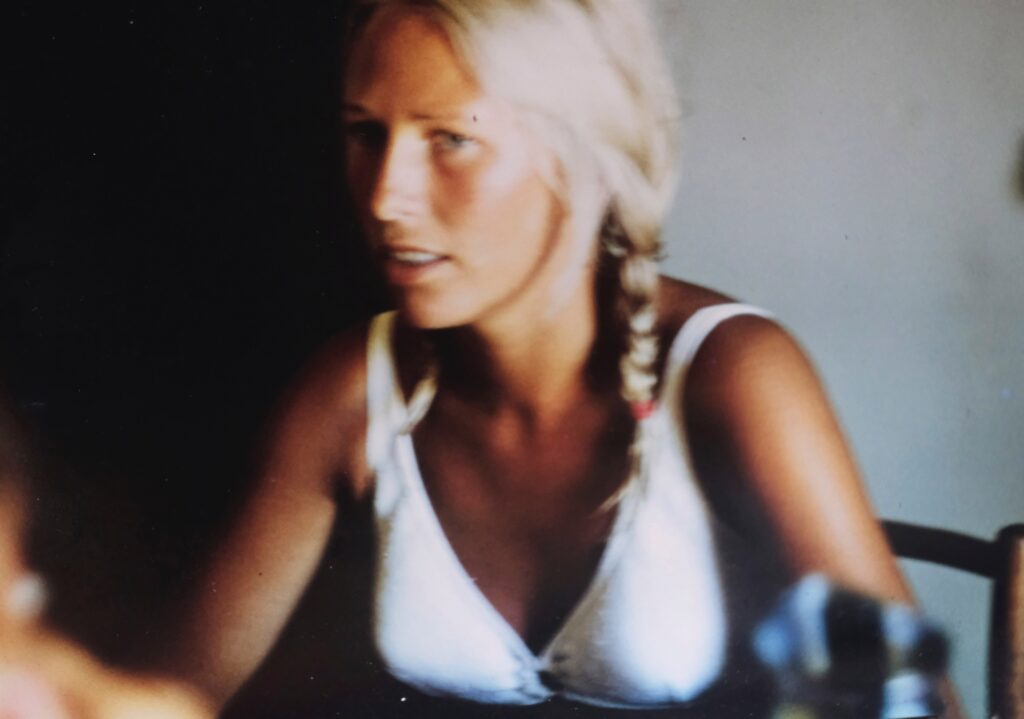
Frie and Mia in Provence (photos: 1973)
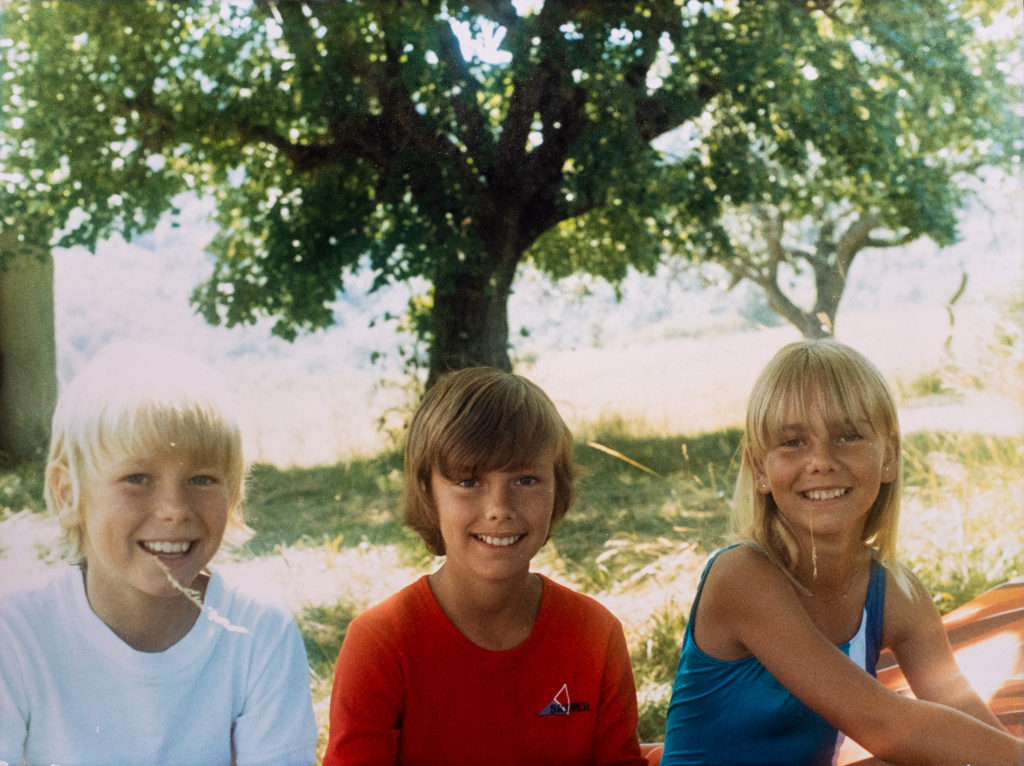
Gert, Pieter and Ilse under the lime tree.
Frie’s grandchildren .
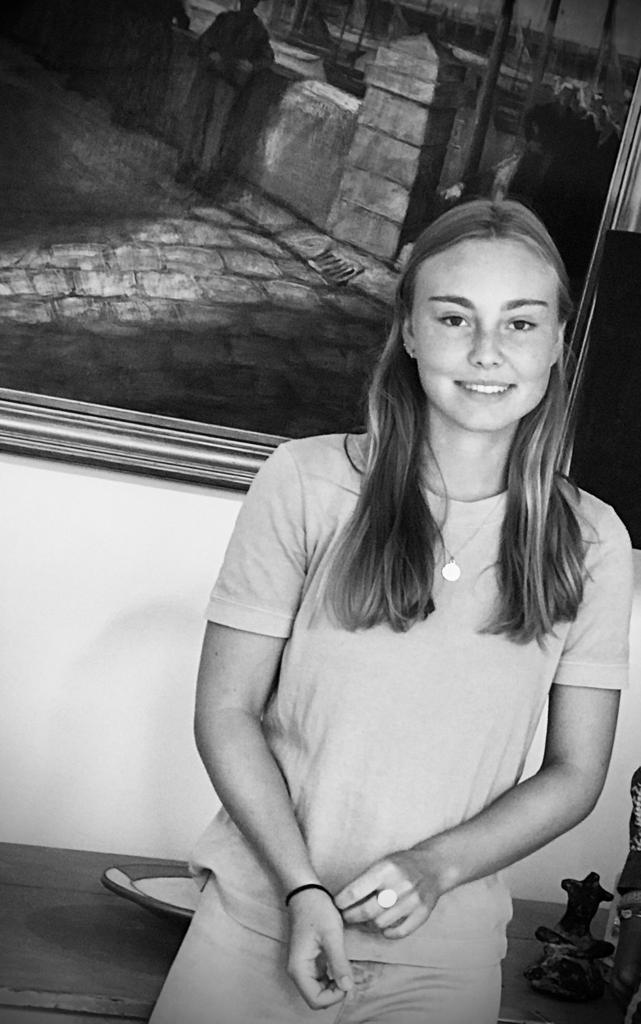
Roxane Gysel, Frie’s granddaughter. (photo: 2020)
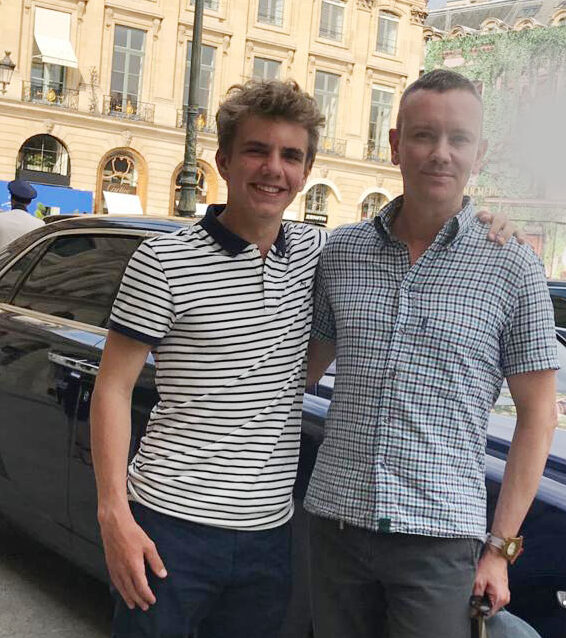
William Gysel, grandson of Frie and Pieter. (photo: 2018)
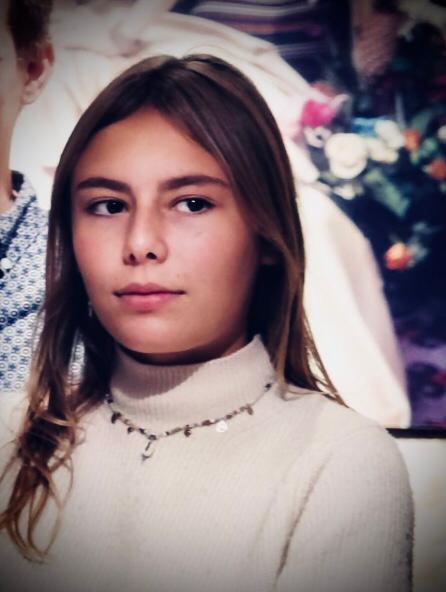
Marise Gysel, Frie’s granddaughter. (photo: 2019)
Clément Van Kerckhoven, Frie’s grandson.
Smoking: (under construction)
English soldiers who were billeted with my grandparents during the liberation taught Godfried to smoke. When “smoking damages your health” appeared on cigarette packets, my father stopped smoking for a while, then switched to cheap cigars. Cigars were not so harmful according to Frie.
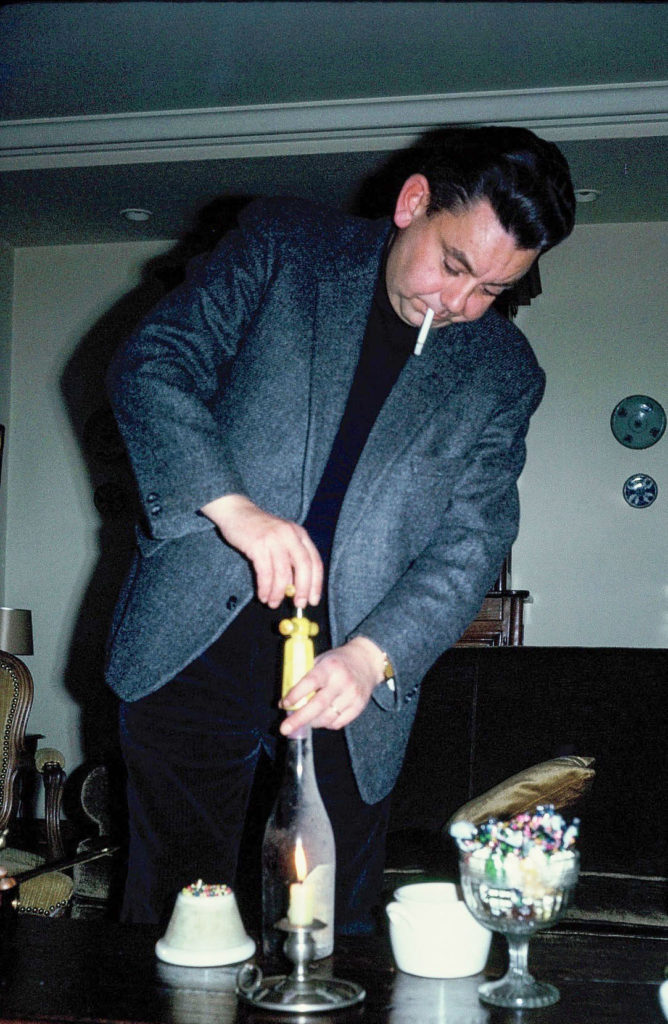
Frie – Elisabethlaan 15, Aarschot. (photo: December 1972)
« In vino veritas »
“When the wine is in the man, the wisdom is in the jug ”
“Distinguished gentlemen came to our home to taste my father’s wines and enjoy my mother’s cooking. They smoked Monte-Cristo cigars for which you need a cigar cutter. As a child I gave my dad a cigar cutter as a present. From that day on Dad enjoyed cigars rolled on the thighs of Cuban women.” – Pieter
_________________________________
XXIII. THE WORD OF GOD.
On the margin of his deceased little brother, Frie becomes a churchgoer from infancy. He has to pray a lot so that he too will not die. A brown leather case containing a rosary is put in his trouser pocket, which Frie will carry with him almost to the end of his life. Mia lets the rosary get lost at the dry cleaner’s.
Frie is a churchgoer at the Onze-Lieve-Vrouwekerk of Aarschot, at the little church ‘Ter Hoeve-Testelt’ where he helps distribute the host, in Wolfsdonk and at the abbey of Averbode, which is twinned with the Sint-Michielscollege where Frie went to school. When Frie recognises a former teacher, a prelate, by whom he was wrongly punished, the white canon hears: “But you have always been a bad egg, you will certainly not get into heaven.” Frie, who understands Latin, sings along with the Gregorian chants.
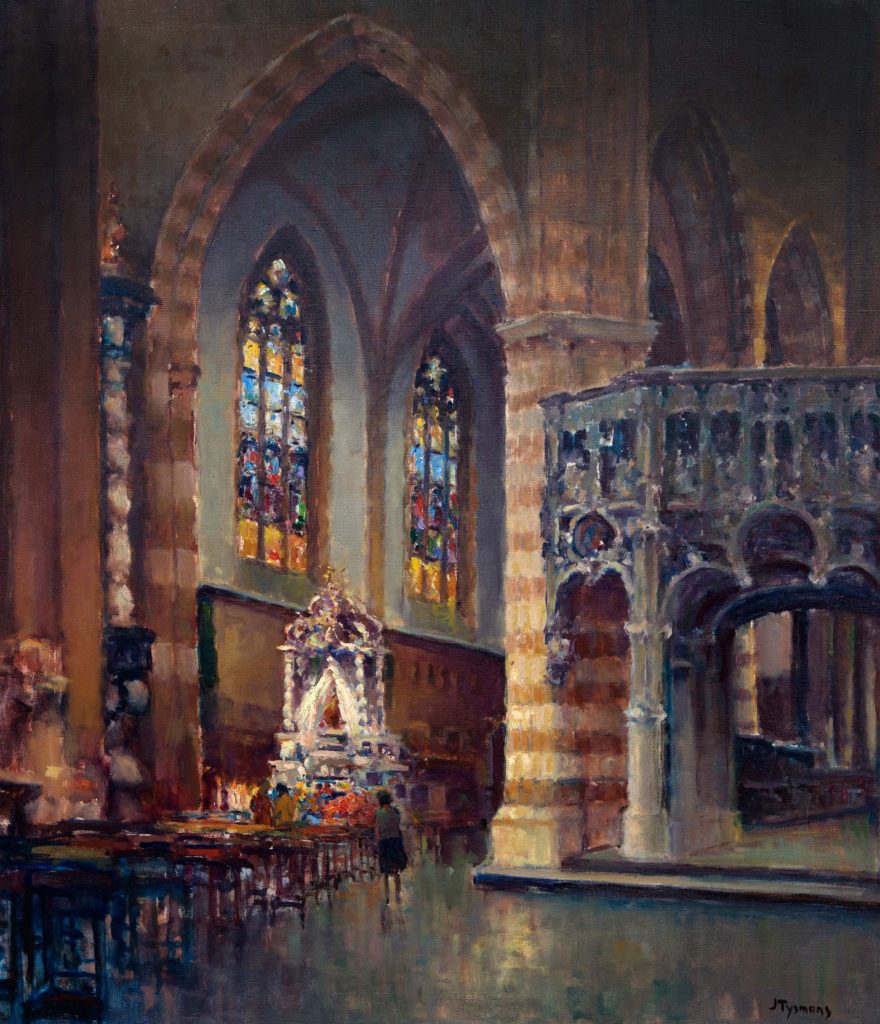
Onze-Lieve-Vrouwekerk Aarschot – oil on canvas – Jos Tysmans (1893-1974) – originally from Houthalen – commissioned by Frie.
« Adversae res admonent religionem » “ Adversity spurs one to religion. (Necessity teaches prayer.) »
The following text by His Excellency Gunnar Riebs.
I accompanied the late Very Reverend Jos Goor when he took communion to the sick. At first we went on foot. Later by car, and Notary Van Kerckhoven was the driver. It was a solemn moment every time.
“You are a priest forever”, says the psalmist. Something of that eternity always hung about Mijnheer Goor, as he was familiarly addressed.
For communion to the sick, Mijnheer Goor wore a cassock – which, incidentally, he wore every day of his life – as well as a surplice, stole, humeral veil and biretta. Under the humeral veil the Blessed Sacrament, kept in a pyx.
The priest sat next to the notary, I at the back with a corporal in a burse, ready to open the car door.
In the houses where we brought communion, the table was like an altar: a magnificent tablecloth, a crucifix with two burning candles.
Also two cups, a first with holy water and a palm branch. “Lord, bless this house and all its inhabitants” – so the priest began – and blessed with holy water.
The other cup with plain water for the ablution, after the distribution of communion.
On a dish lay a couple of fine cigars for Mijnheer Goor and – to my great delight – a coin for me.
Notary Van Kerckhoven had a list of the addresses, because out of reverence for the presence of God himself in the Blessed Sacrament, the whole journey was made in silence. I realise full well that – when one reads this today – it is a story from another century, literally and figuratively.
Gunnar Riebs, Consul General (H) of the Slovak Republic.
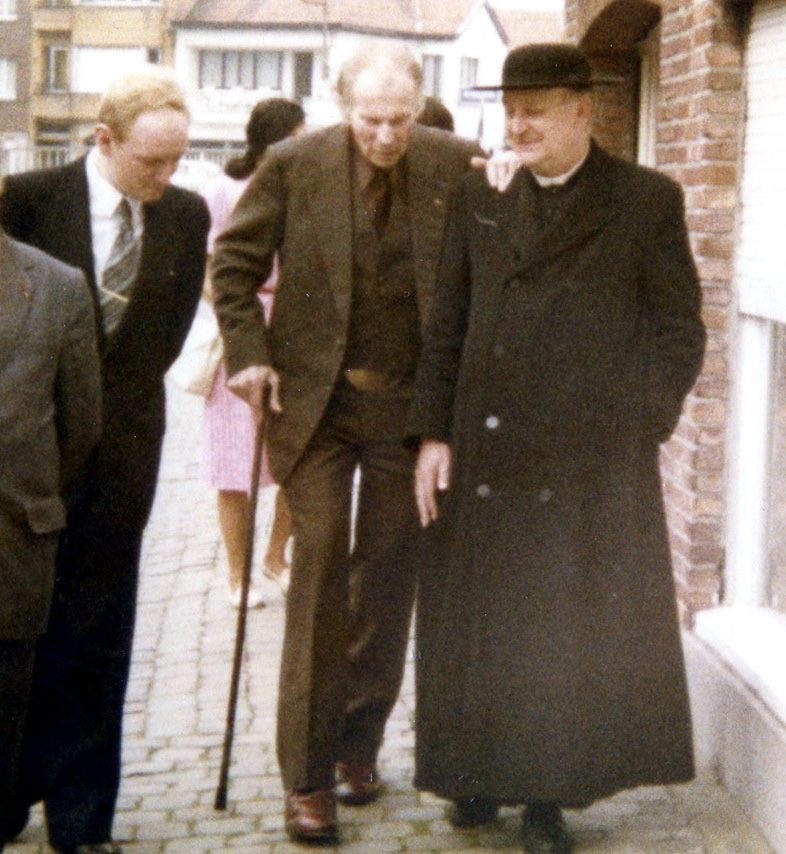
His Excellency Gunnar Riebs, Prince Charles Count of Flanders and Rev. Jos Goor. (photo: 1979)
Rev. Goor is a striking figure. In a black cassock and a large hat. The Reverend rides daily through Aarschot on a green moped (Honda with the petrol tank in the rear saddle) while smoking a cigar. Hence his nickname ‘the flying cigar’. He comes to Frie’s to take the pulse of the notary’s office and the family. He teaches Mia that her steak must first be seared for a moment before being salted, otherwise it loses half its value. The meat must also not go cold from the fridge into the pan. Frie, who addresses the Reverend as “Meniejer Goewer”, gives him a box of cigars.
His colleague Dean Berghmans receives cigars from Frie’s sugar aunt. This Reverend brings communion to the house every week. With the help of a pint of Tuborg, Elvire, with a gouty hand, takes the super-dry Body of Christ. Each time “meniejer den Deeke” receives for this 200 francs, a box of 25 Corps Diplomatique-Senator cigars at 16 francs apiece and 2 packs of Côte d’Or milk chocolate for the sisters of the Institute Sancta Maria.
Quand il s’agit d’argent, tout le monde est de la même religion. Voltaire (1694-1778)
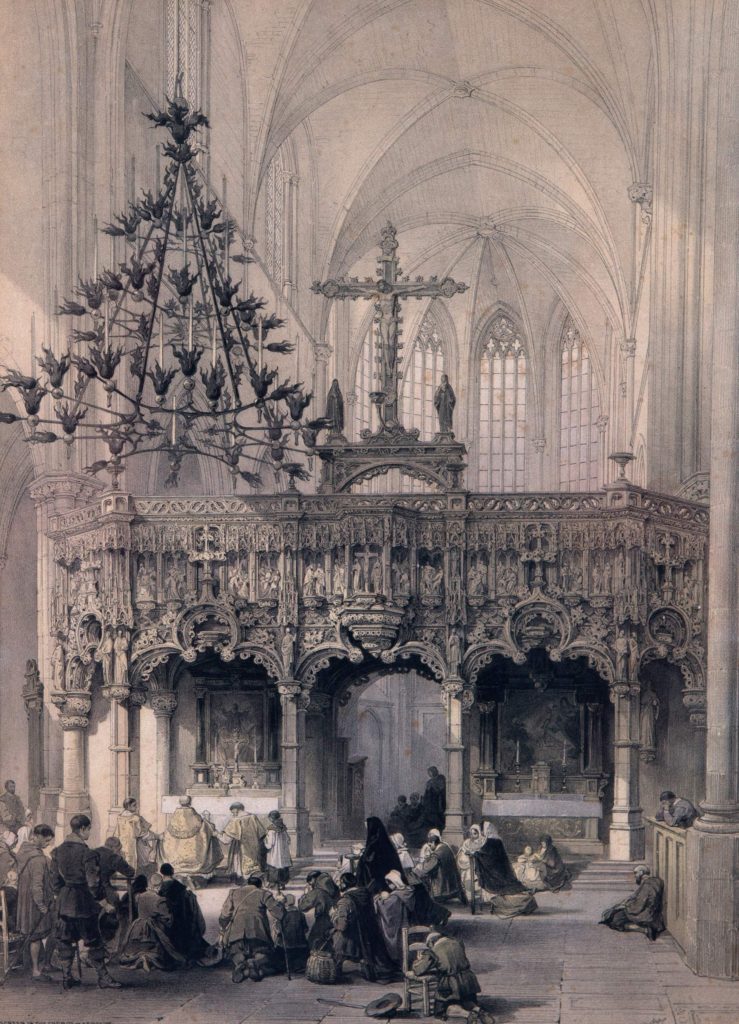
This 19th-century engraving of the Onze-Lieve-Vrouwekerk Aarschot hung in Frie’s office.
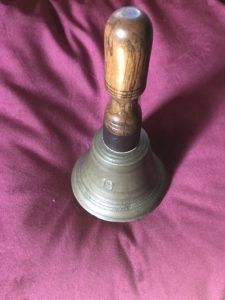
Frie’s death bell.
During his youth Frie accompanies the parish priest, Dean of Aarschot, to bless the deceased. For the last sacraments it is too late. God has meanwhile taken over. Frie symbolises God by ringing his death bell through the streets of Aarschot.
Towards the end Frie brings out this death bell again, to summon Mia when he needs something!
About Godfried Van Kerckhoven.
It is so beautiful. Almost a godsend. When you get a bit older, to be amazed by the encounters you have. The people you come across. And were allowed to come across. Fascinating young people from whom you can learn so much. But also older people whom you may get to know a little more closely. So it was very pleasant to run into notary Van Kerckhoven now and then. Often on the little path between the Demer valley and the Grote Markt. Both of us a bit rushed, and yet we stopped. There was always his gentle smile around his mouth. Soft and glad to see me. I too was glad to see him. Also a little surprised that he took the time to talk to me. I a simple soul, he a citizen of standing. And yet we found each other. I no longer remember when we first spoke and what it was about? It must undoubtedly have had to do with one artistic project or another. Or something with the church. Or something with both. The casting of bells for Sint-Pieter, for example. Whatever I discussed with him, however odd the idea, however peculiar the question, he always listened with full attention. The smile chiselled in place, the gaze serious as befits a notary. Not that he immediately dived into his purse. He first wanted to know all the ins and outs. What and how and why. He juggled sums expertly. Of course he knew the value of money. He understood like no one else what one had to do for it. And when all sides of the question had been discussed and it suited him, then he was generous and open-handed. But it did not stop there. At a next meeting he asked at length how things were, the state of affairs. With real interest in the project but above all in the people.
I consider it a privilege to have known him. I cherish our small, fleeting, precious moments. He was a great man!
Thank you, notary Van Kerckhoven. Thank you, Godfried.
Josée Lehon – art historian
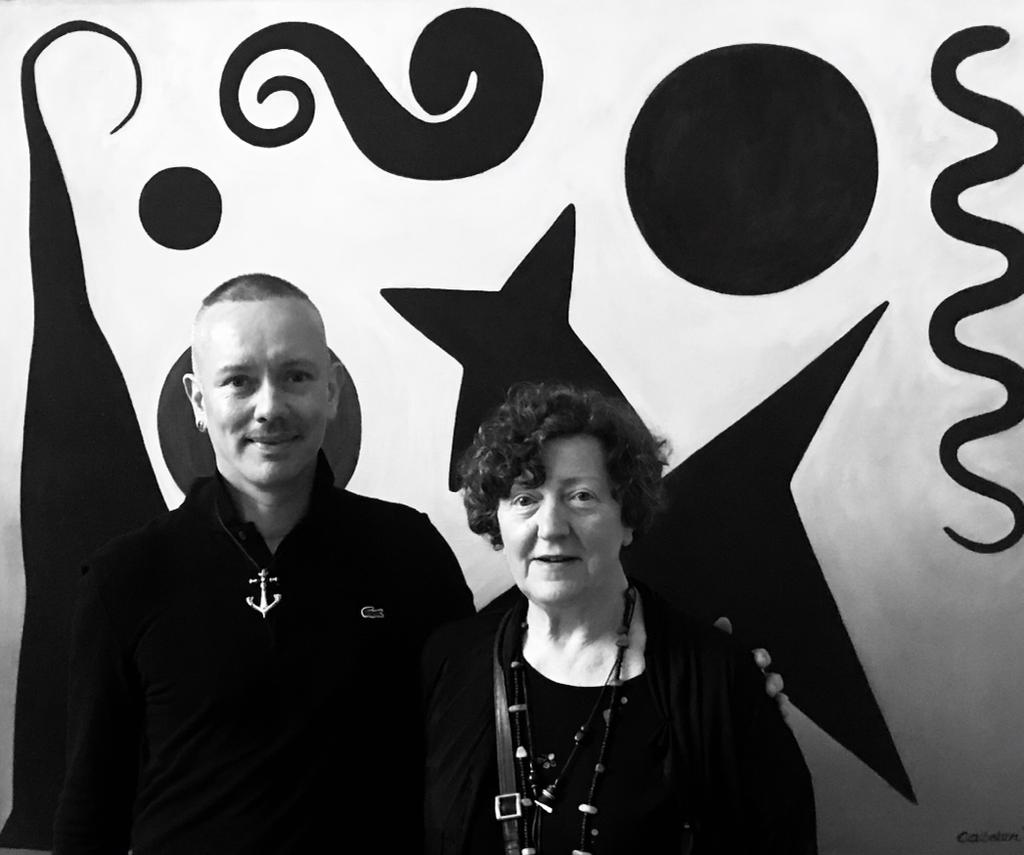
Josée Lehon – art historian and Pieter (photo: 2019 Paris Picasso Museum)
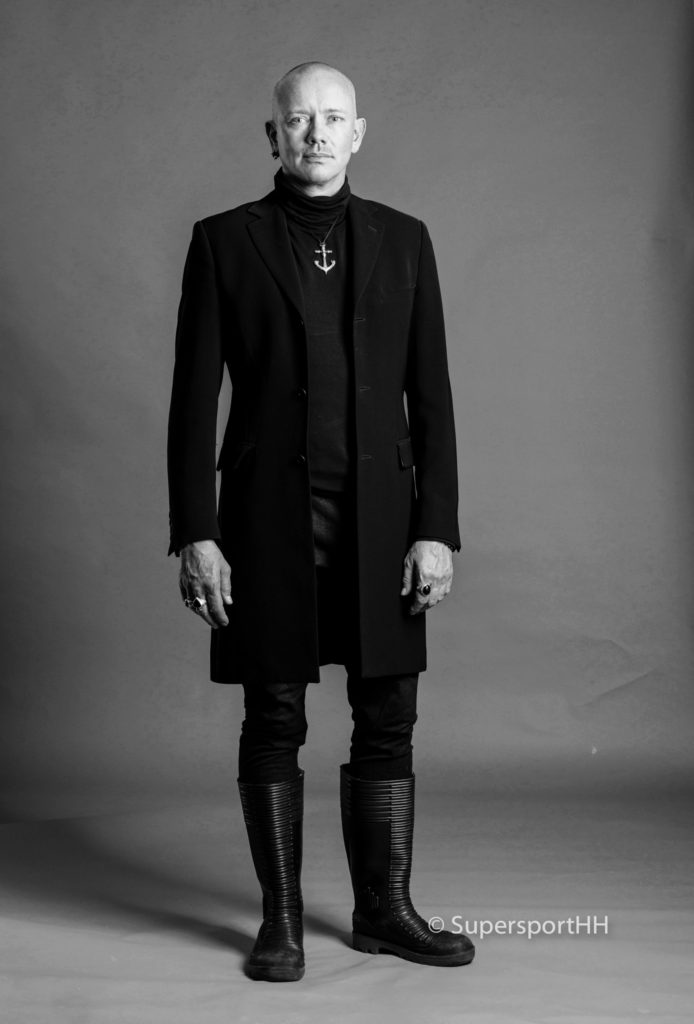
Pieter Van Kerckhoven (photo: 2020 – Hamburg)
“For generations the three pillars of the Van Kerckhoven family have been: working, saving and praying. You have never done a single one of the three!” – Frie
LGBT people are also children of God.
Son Pieter turns out to be the polar opposite of his father. Within the family an ‘omertà’ hangs over his homosexuality. Towards the end Frie’s ‘Umbruchkompetenz’ (ability to cope with far-reaching change) improves. He turns about and is ‘delighted’ about the relationship between his son Pieter and Christophe Coineau from Paris.
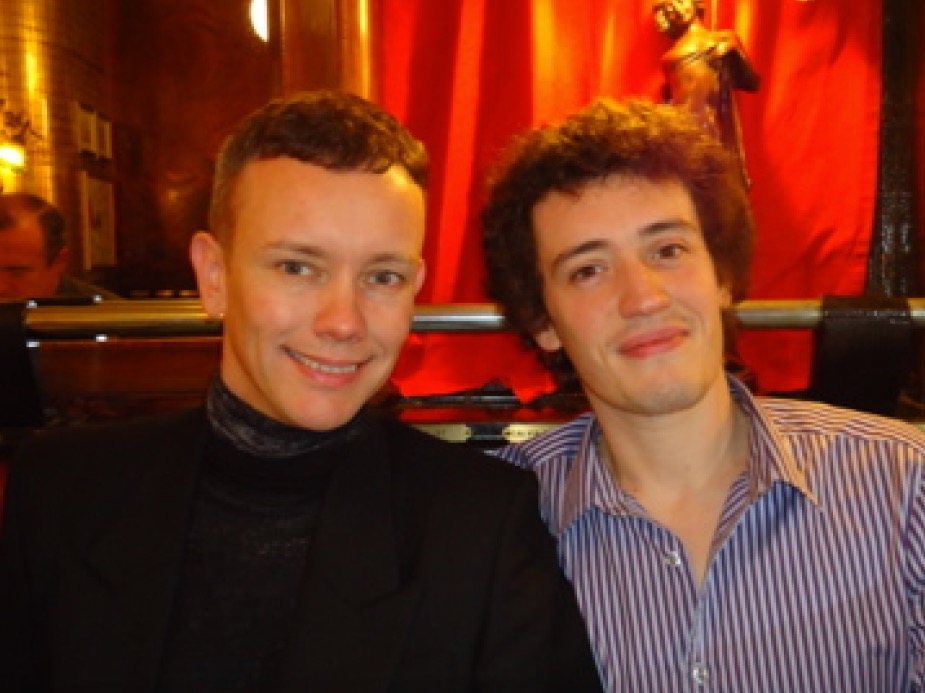
Pieter and Christophe. (photo: 2010)
« Vereri perdidit »
“ He has unlearned how to feel shame ” (Plautus)
“Whoever throws away the past impoverishes the present”