<< V Arthur and Tinneke

Paul, Godfried’s eldest brother
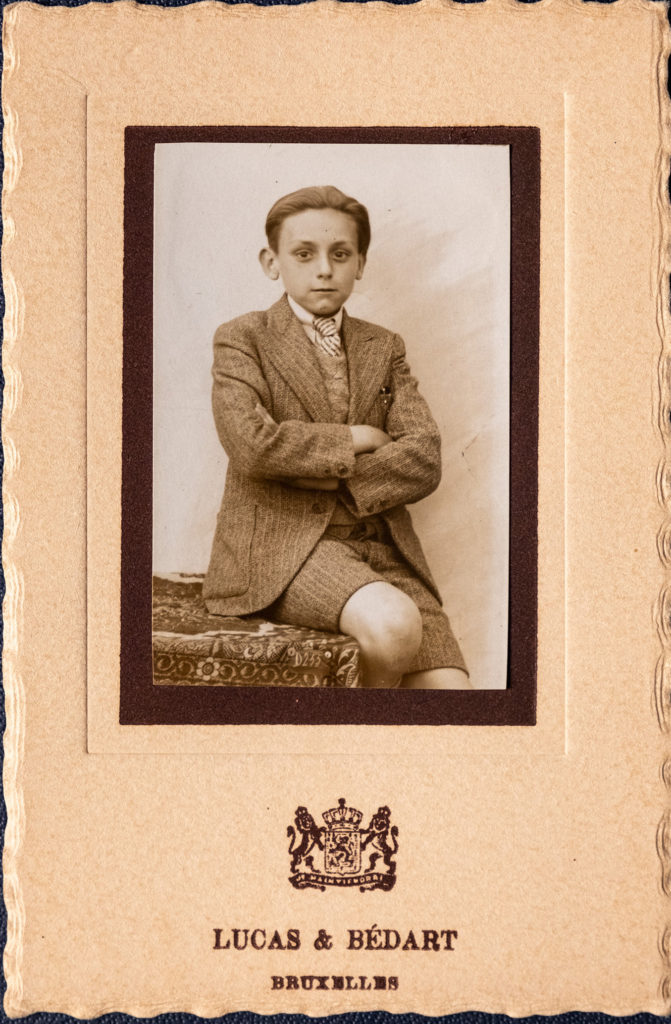
Paul Van Kerckhoven (1922-2011)
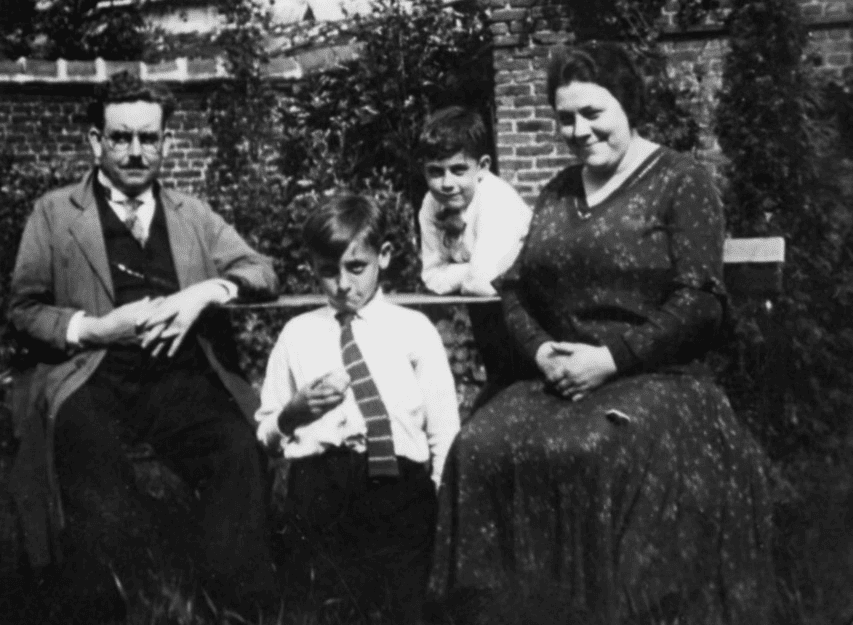
Arthur, Paul, Jos, Tineke
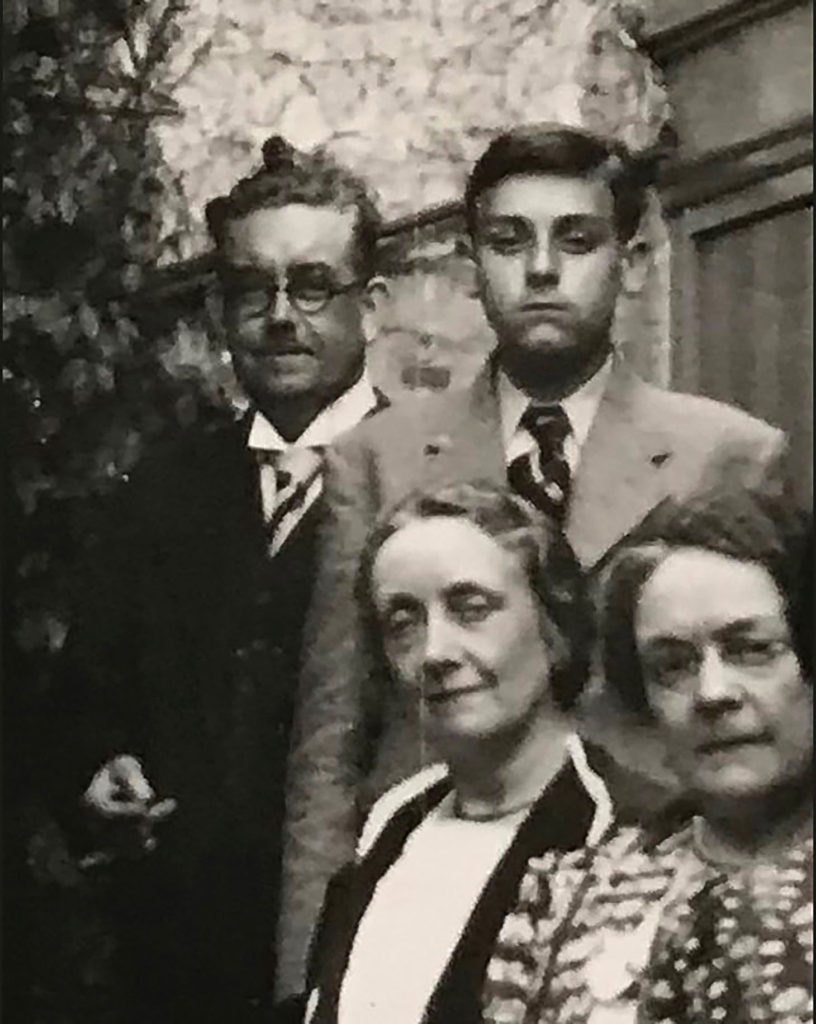
L to R: Arthur, Clara, Paul, Margaretha
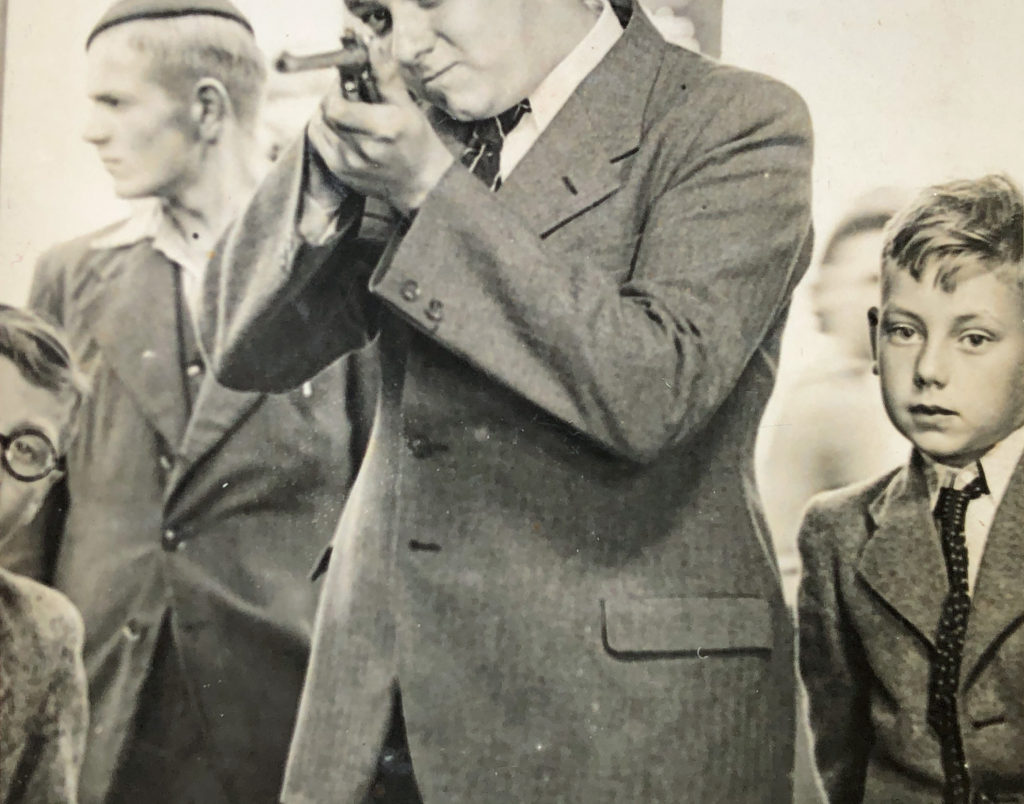
Paul and Frie
Arthur subscribes to De Standaard and, for language training, the French newspaper Le Monde. Paul reads De Standaard, La Libre Belgique and, from ’68, the Flemish business paper De Tijd.
Paul sheds light on the Flemish doctors’ family of the Grote Markt
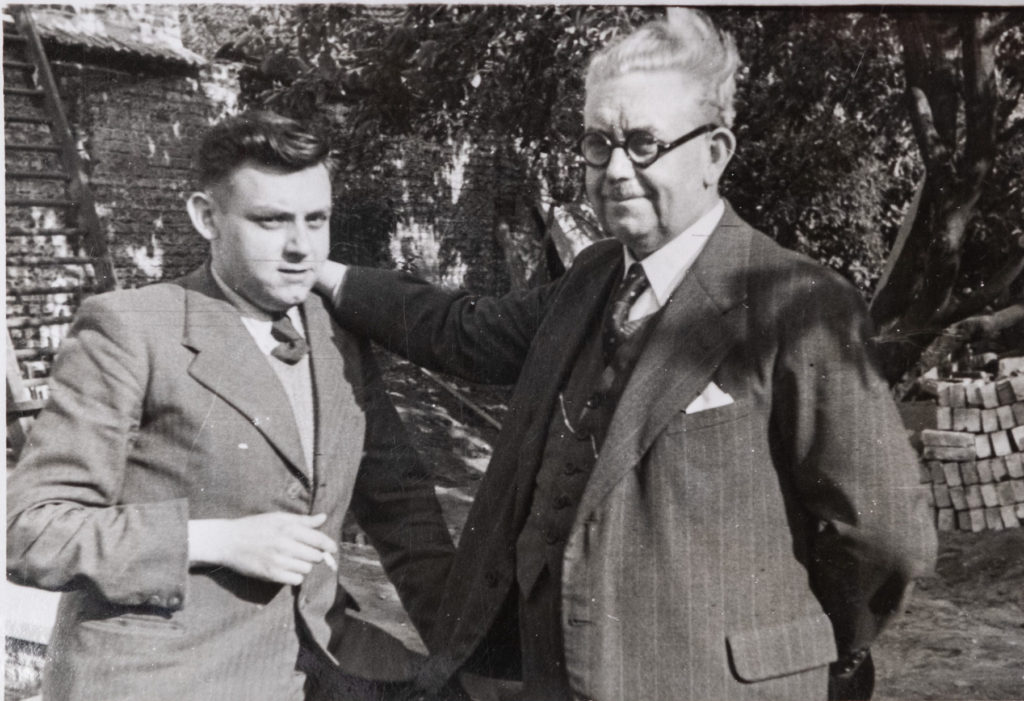
In 1949 Arthur and Clementina give Paul permission to marry Leentje, the daughter of Doctor Marcel Gybels, who lives on the Grote Markt in Aarschot (today the ING bank branch).
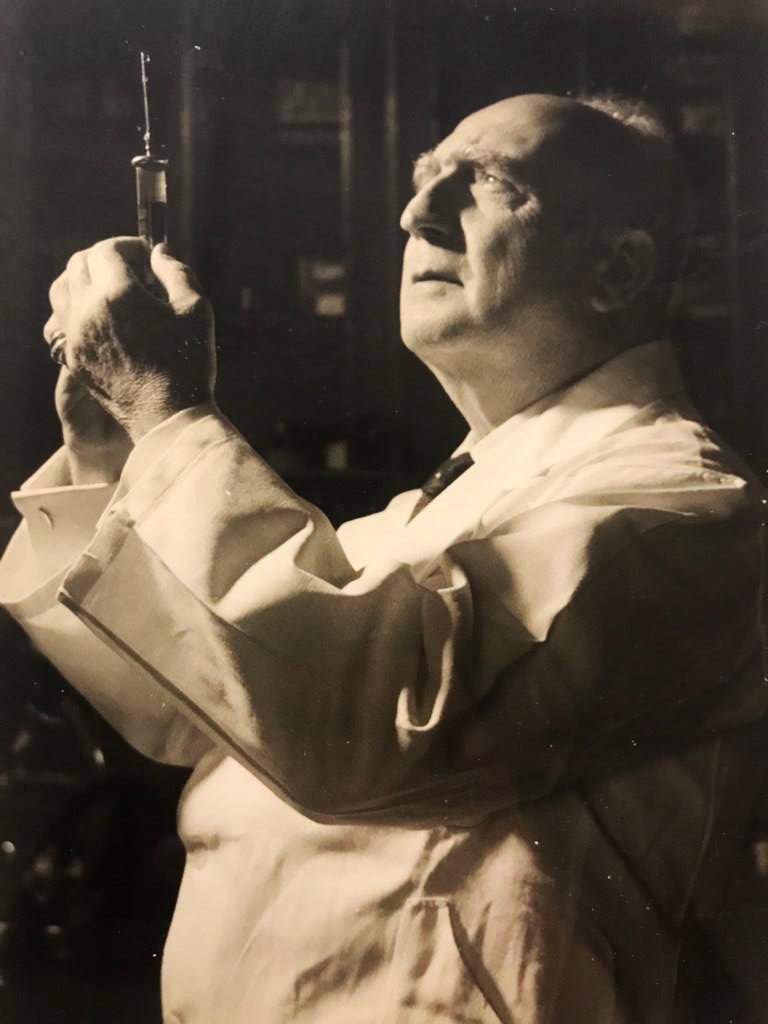
Doctor Marcel Gybels (1892-1976) Paul’s father-in-law
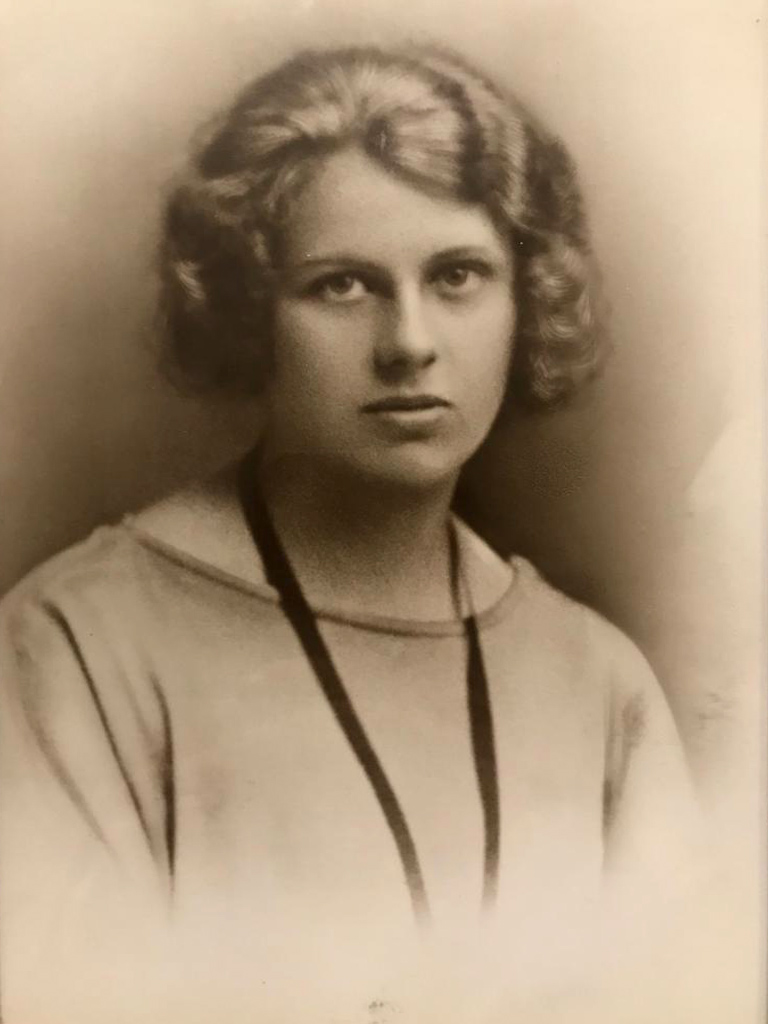
Magdalena Sallets (1900-1968) Paul’s mother-in-law
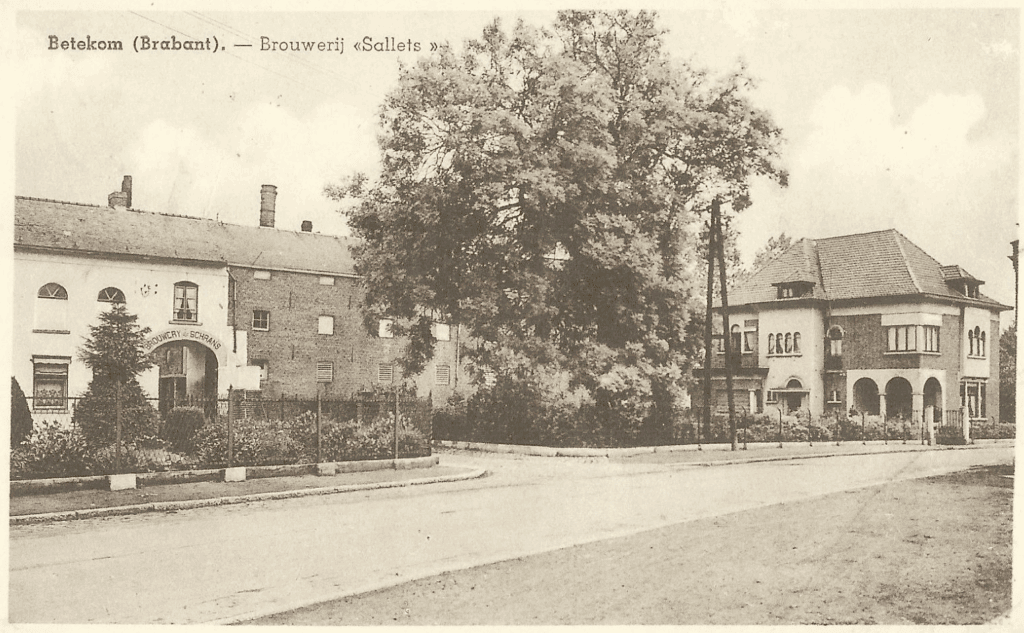
Magdalena is the daughter of a brewer from Betekom. On the postcard you see on the left the brewery and malthouse ‘De Schrans’ and on the right the parental home.
Who exactly is Doctor Marcel Gybels?
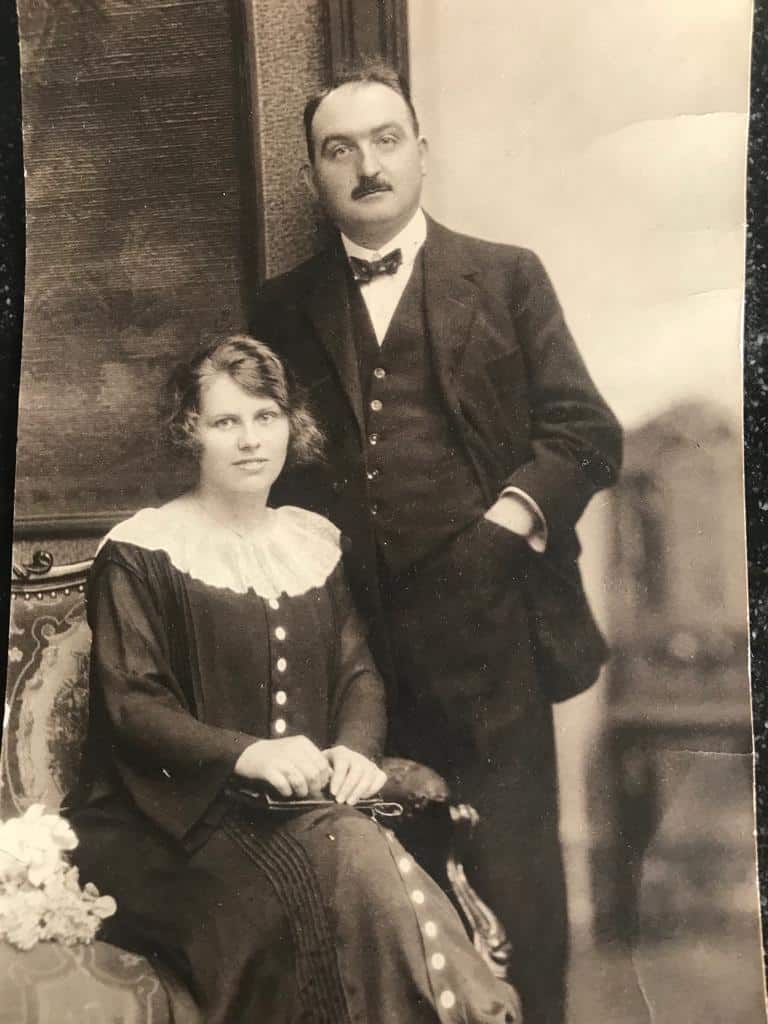
Doctor Marcel and Magdalena Gybels Sallets
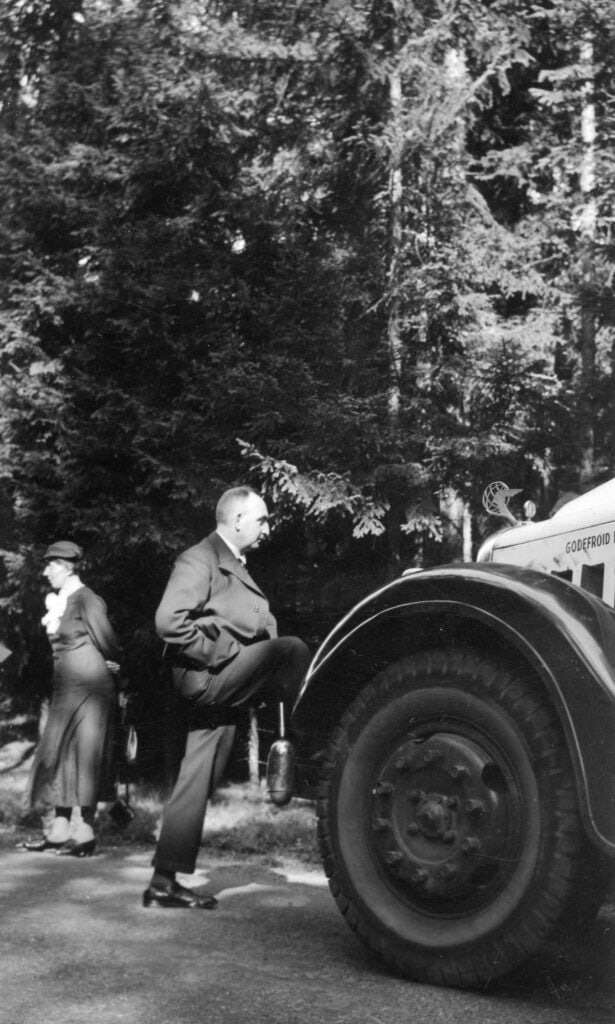
Doctor Marcel Gybels is a member of the Front Movement. During the First World War he is at the front on the Yser. Because of the enormous demand for care, soldier patients no longer receive all possible treatments. In the trenches the medical student has to choose whom he treats and whom he does not. Doctor Gybels is commanded by French speakers. This is where the Flemish Movement arises, a kind of uprising against that cultural oppression. When front-line soldier Marcel Gybels returns from the war he is at the origin of the Flemish Movement and the Volksunie. The Flemish hardliner sets fire to a French-language kiosk in Leuven and is suspended from the university for three days for it. Doctor Gybels is also an important activist for the linguistic split of the Catholic University of Leuven. In Aarschot on the Grote Markt he hangs the Flemish Lion out in front of his facade.
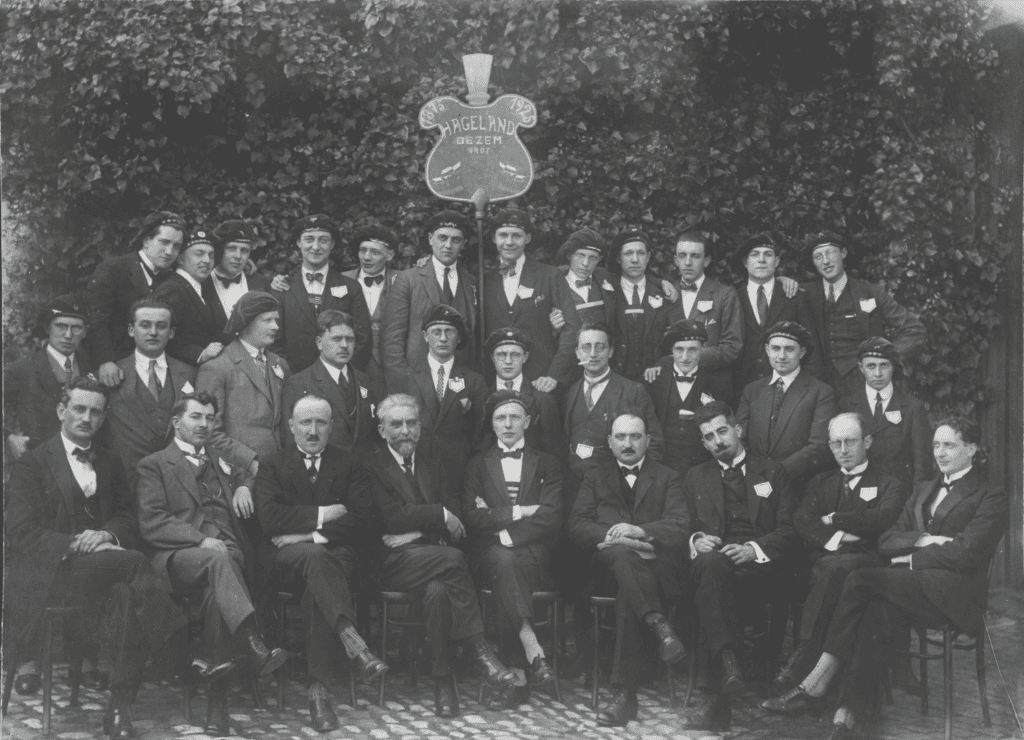
The student club Ons Hageland – Bessemclub (Bezem) in Leuven. Marcel Gybels in the front row, in front of the man with the cigarette.
Guy and Mieke Van Kerckhoven Fannes talk about Doctor Marcel Gybels (recording: 2024)
“… It was an association of students from the Hageland who studied in Leuven.
Ons Hageland was founded in 1874-75. It was mainly a club of friends.
As regards ideology: in the early years the Catholic cause was the main issue, later the emphasis came to lie on the Flemish cause.
The photos date from the 1920s and were presumably taken in the town park of Leuven on the occasion of the Dies Natalis (the annual club anniversary).
In the front row there usually sit former members and/or prominent guests. The preses of the active club usually sits in the middle of the front row. …” – Kristof Debecker
“What people say about you is not important – when they no longer talk about you: that is what is truly worrying! – Doctor Marcel Gybels
Marcel Gybels and Magdalena Sallets have four children together: Godelieve, Jan, Neleke and Leentje; Godfried’s sister-in-law.
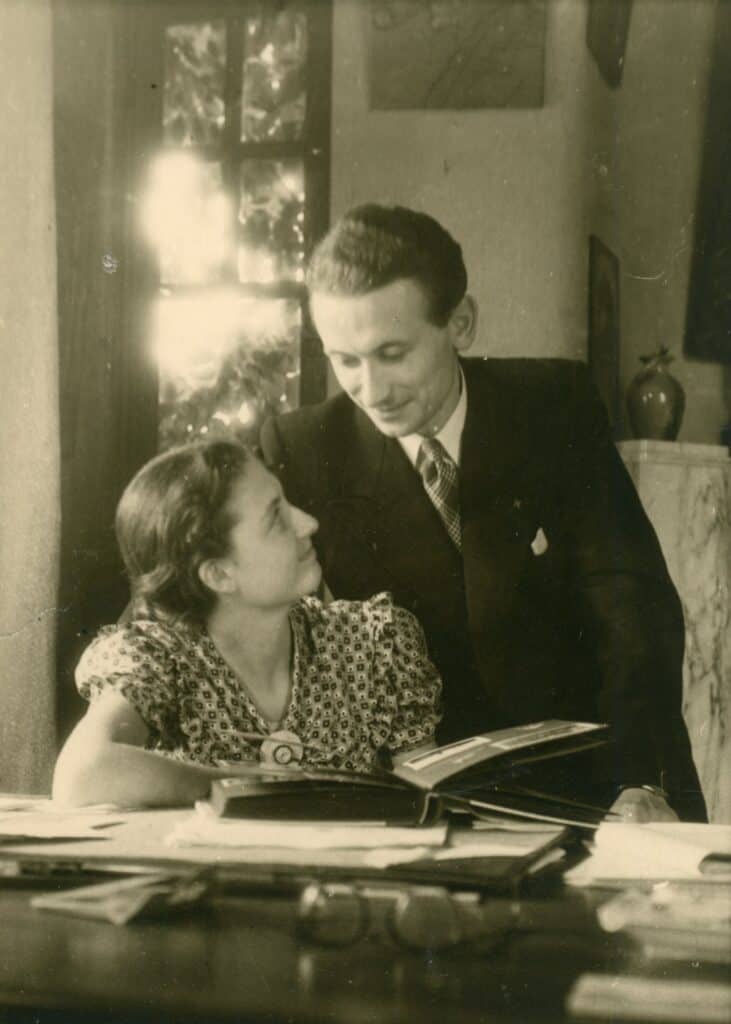
Jos and Lieve Torfs Gybels, the brother-in-law and the sister of Leentje
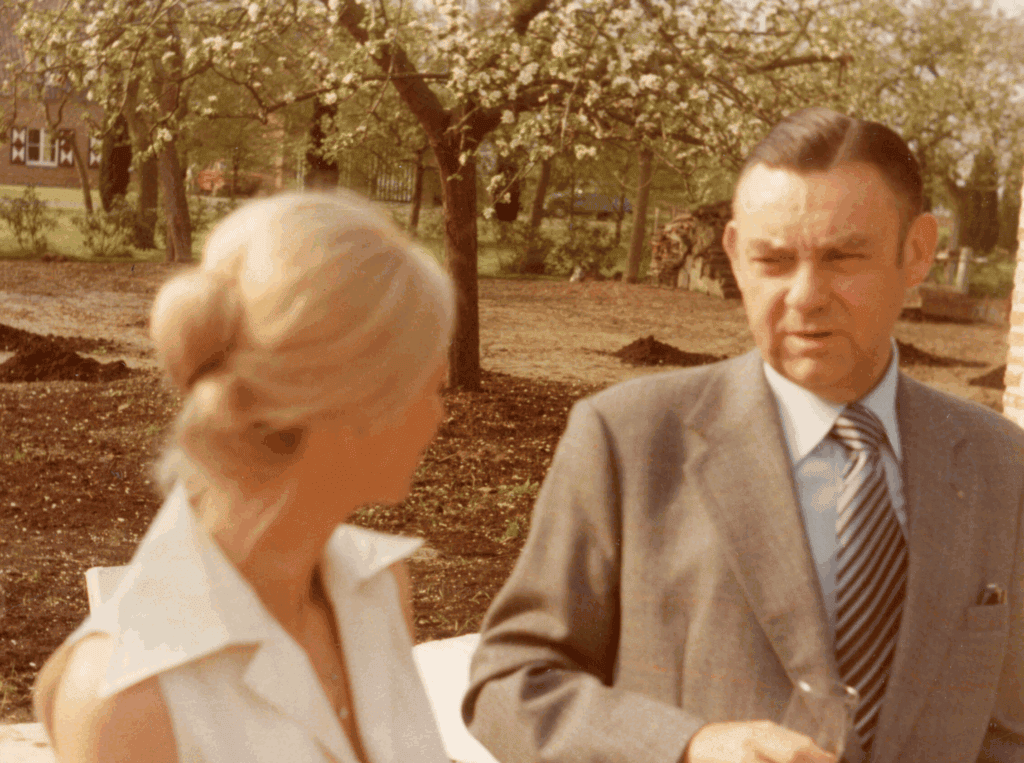
Paul Van Kerckhoven and Neleke Gybels (1933-2025), Leentje’s younger sister
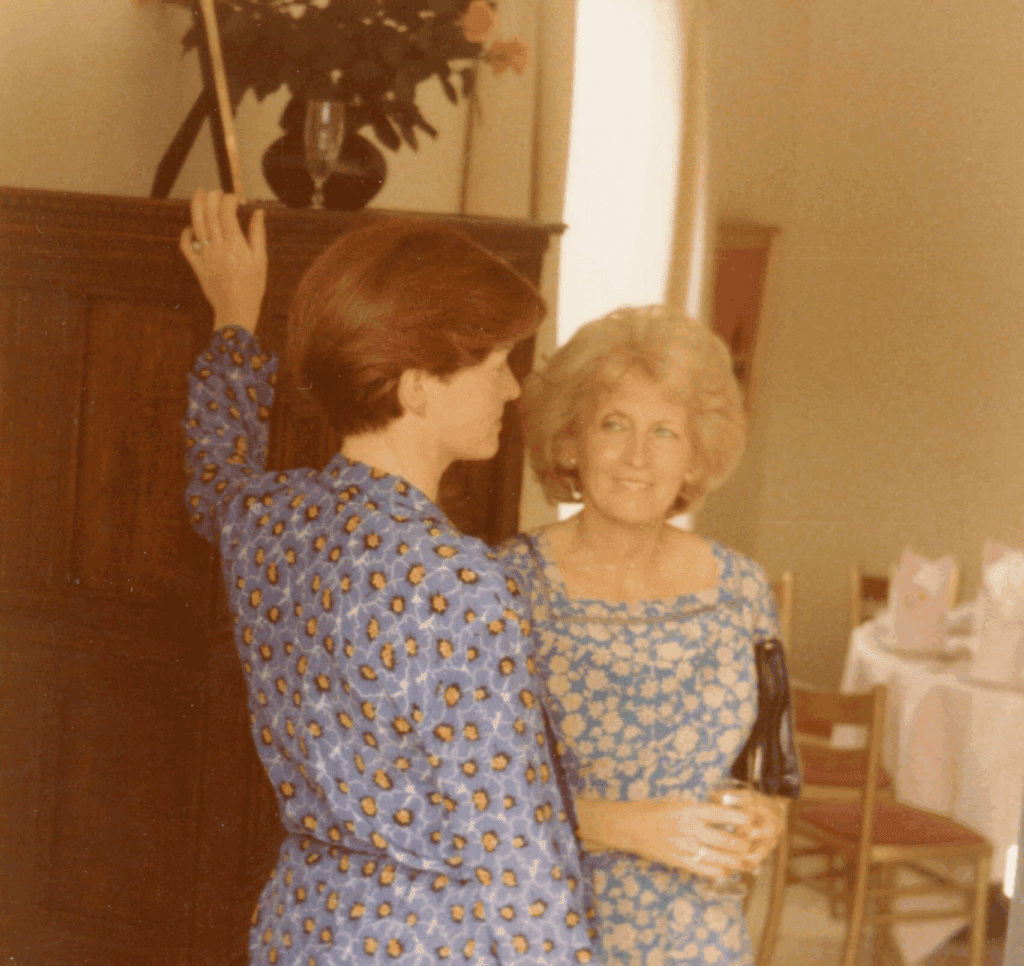
Leentje Van Kerckhoven Gybels and her sister-in-law, the lawyer Hélène Delperdange, married to Doctor Jan Gybels.
“… The world-famous professor Jan Gybels (1928-2011) was a neurosurgeon and professor of neurology at KU Leuven. …” – De Standaard, 31 May 2011
“On May 29, 2011, Jan Gybels, co-founder of the International Association for the Study of Pain, ex-president of the Belgian Royal Academy of Medicine, and world authority in pain research and pain treatment, suddenly passed away at the age of 82. … With his death, we lose one of the most ”human” of professors, one of the most scientific of neurosurgeons. Jan Gybels was born in 1928, in a small city in Flanders, not far from the university city of Leuven. His father was a highly respected physician, and it is likely that Jan inherited his interest in medicine and science from his father, of whom Jan always spoke in the most respectful terms. In the course of basic medical training at the University of Leuven, he also made his first steps towards neurophysiological research. … ” – Ron Kupers, Academia
(around 1942) The physician needed the identity card of his daughter Leentje. While looking in Leentje’s wallet he comes across a photo of Jos Van Kerckhoven, which he immediately tears up. That this scratches Leentje’s soul is beyond doubt: “Look father, you can tear up this photo now but my heart, the love for Jos, you will never be able to tear up” she reacts, terribly nervous about everything that is to come. Doctor Gybels has no intention whatsoever of marrying his daughter off to Jos. The lovers can conclude this after a talk with their fathers. His brother, the future physician Paul, does come into consideration. Paul and Jos become neighbours across the street but will not cross each other’s threshold at that time.
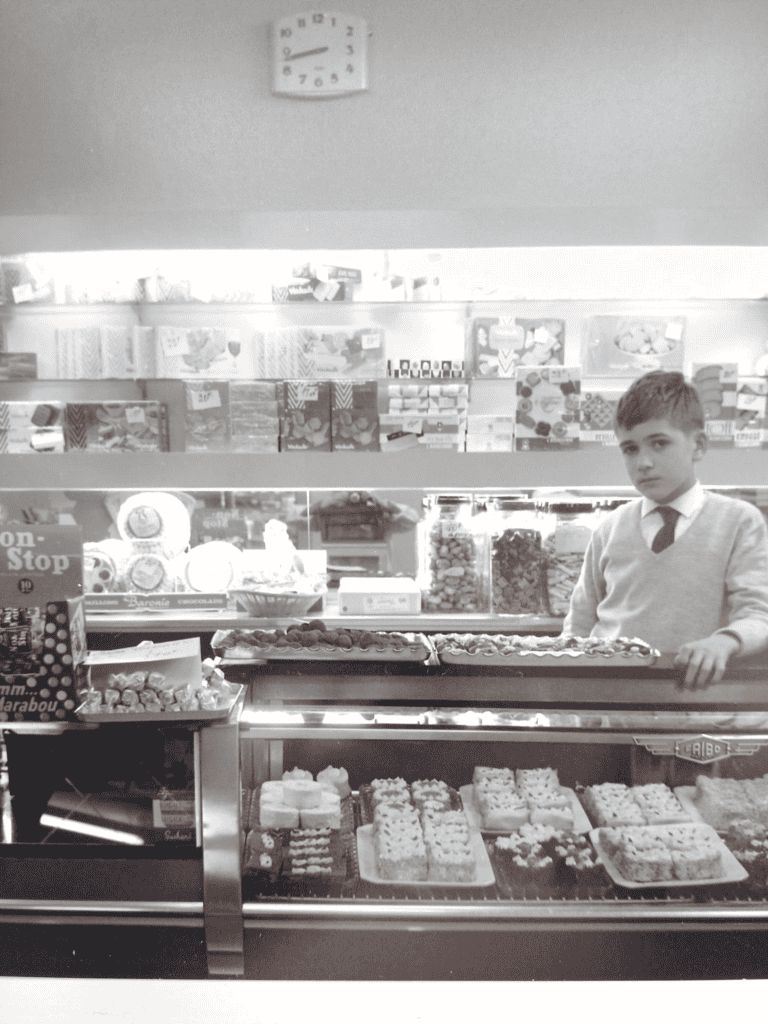
Eric B., the son of the pastry cook Delécta on the Grote Markt in Aarschot (photo: 1962) Listen to Eric B. talking about doctor and Mrs Gybels. (recording: 2024)
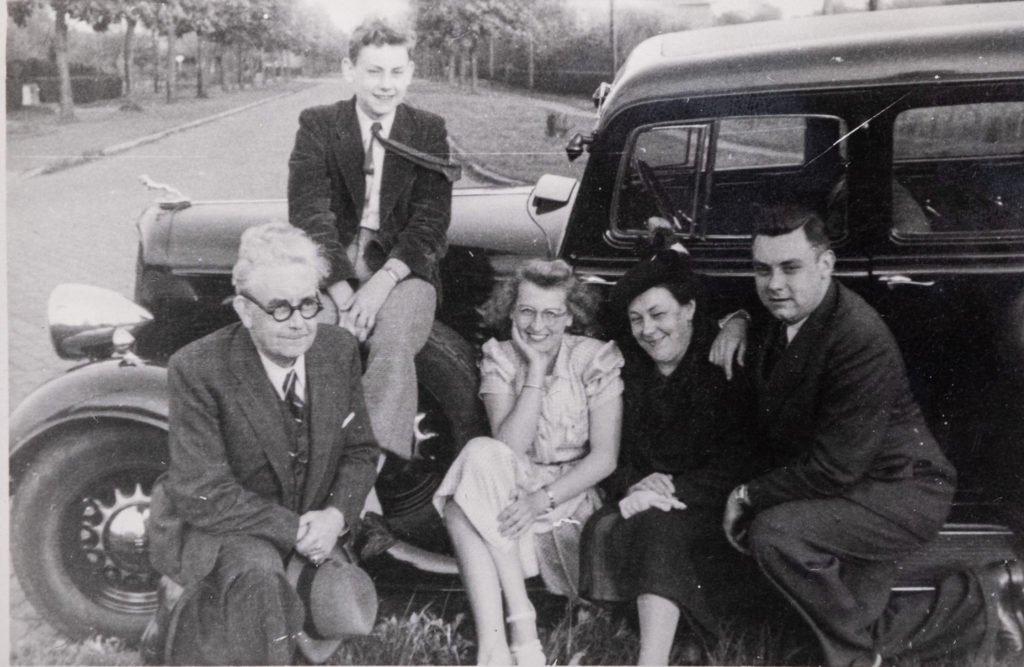
L to R: Arthur, Frie, Leentje, Clementina, Paul
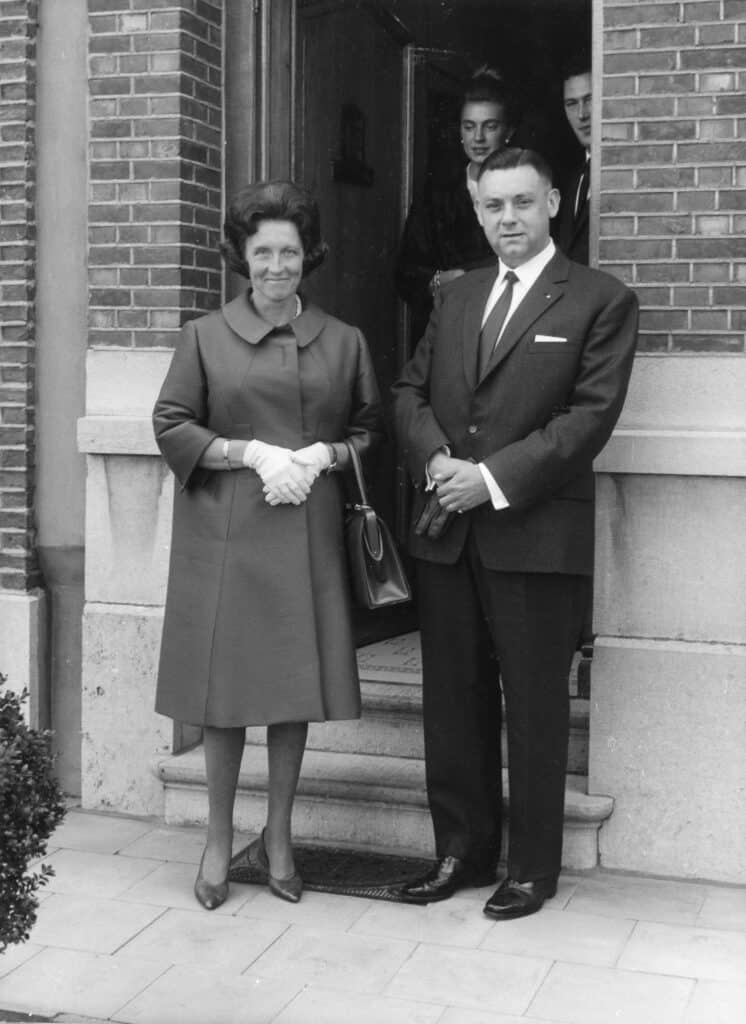
Leentje and Paul (photo: 1964)
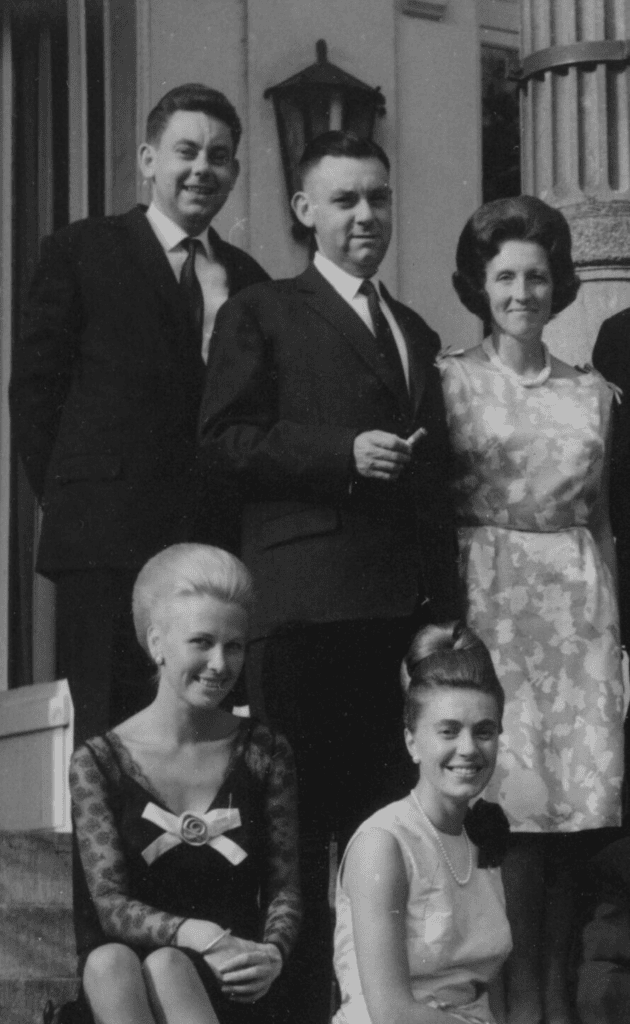
Frie, Paul, Leentje, Mia, Vera (photo: 1964)
“In the past, people went into politics for whom it was an honour to serve the community. They did not ask for money for it. Nowadays politicians work only in their own interest and for their own pocket.” – Dr. Paul
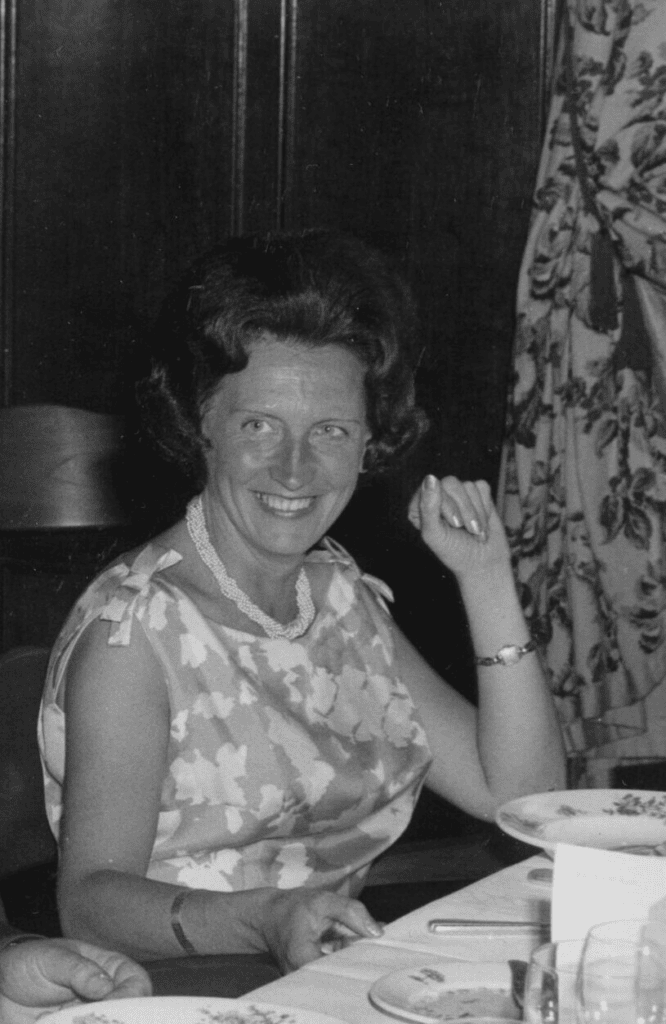
Leentje (photo: 1964)
“Le luxe est une affaire d’argent. L’élégance est une question d’éducation.” – Sacha Guitry
Paul and Leentje go to live in the Belle Époque style manor “Les anges gardiens” in Watermael-Boitsfort .
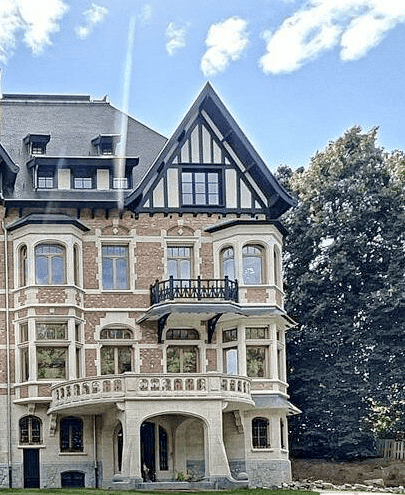
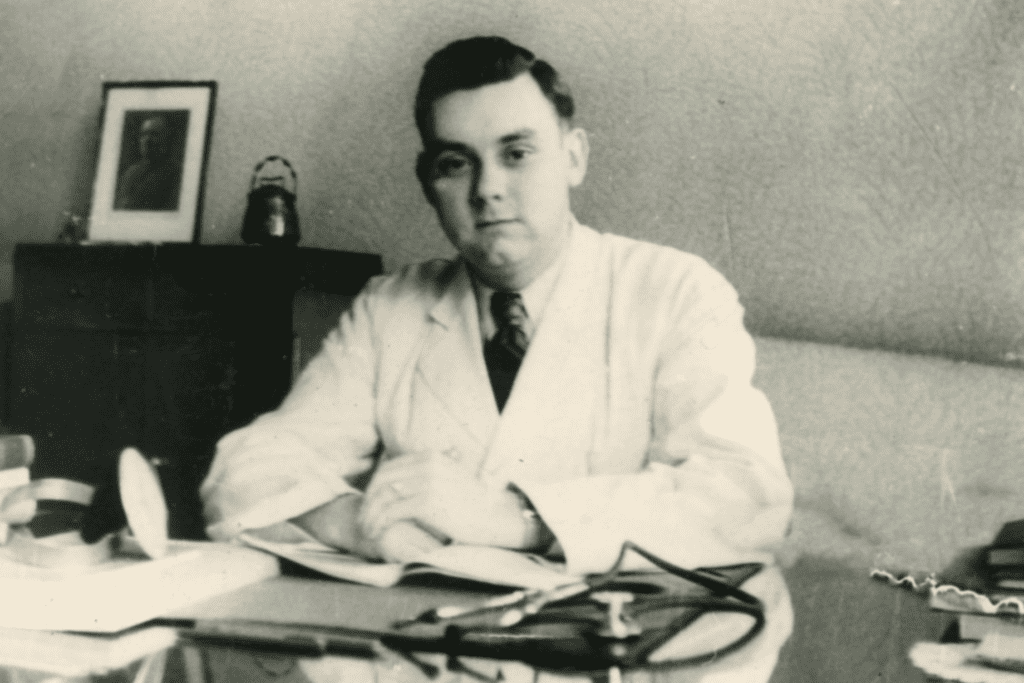
( around 1949 ) Paul starts his career as a physician in Watermael-Boitsfort, where he builds up a happy and sociable life with Leentje. Paul has even obtained a certificate that allows him to take X-rays.
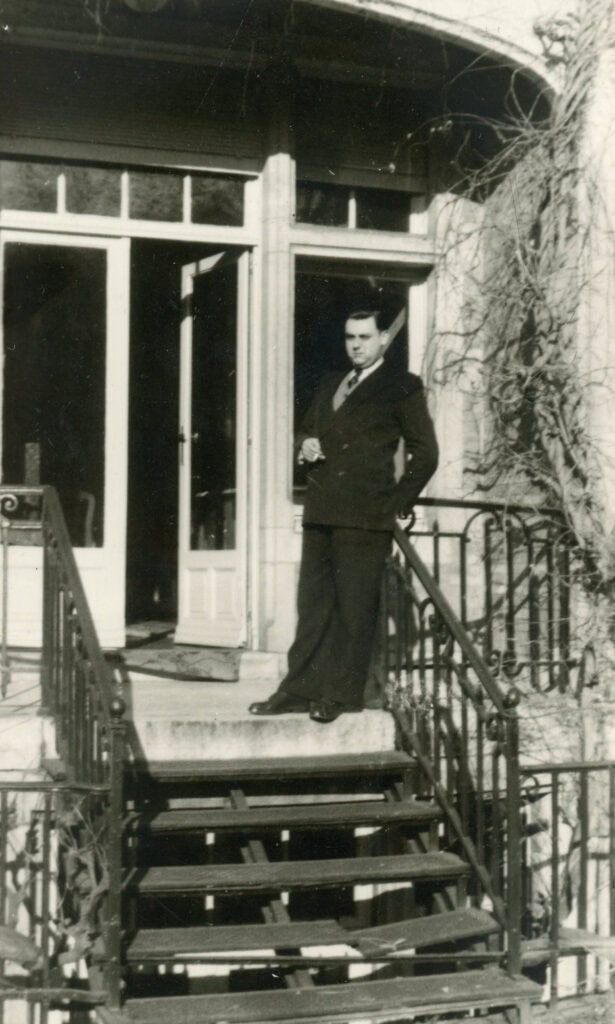
Doctor Paul Van Kerckhoven in Watermael-Boitsfort
Father Arthur drops a bombshell on Paul and Leentje’s happy life. He obliges them to return to Aarschot. In this way the financial interests of the Van Kerckhoven family stay based in Aarschot. There is support (and opposition) from the team of sugar aunts. They buy for the couple the town house in Aarschot, where Doctor Liekens has his flourishing practice. Liekens is evicted by Paul’s sugar aunts. Paul submits to his father’s wish. He turns round, back towards Aarschot. It is a return with which the couple will have a hard time for the rest of their lives. Their children bring the rent in cash personally to the aunts every month. Naturally this causes internal tensions. Paul and Leentje have to get through it together and they can take a knock. Leentje believes in her children: “I want to get ahead and we are getting ahead.”
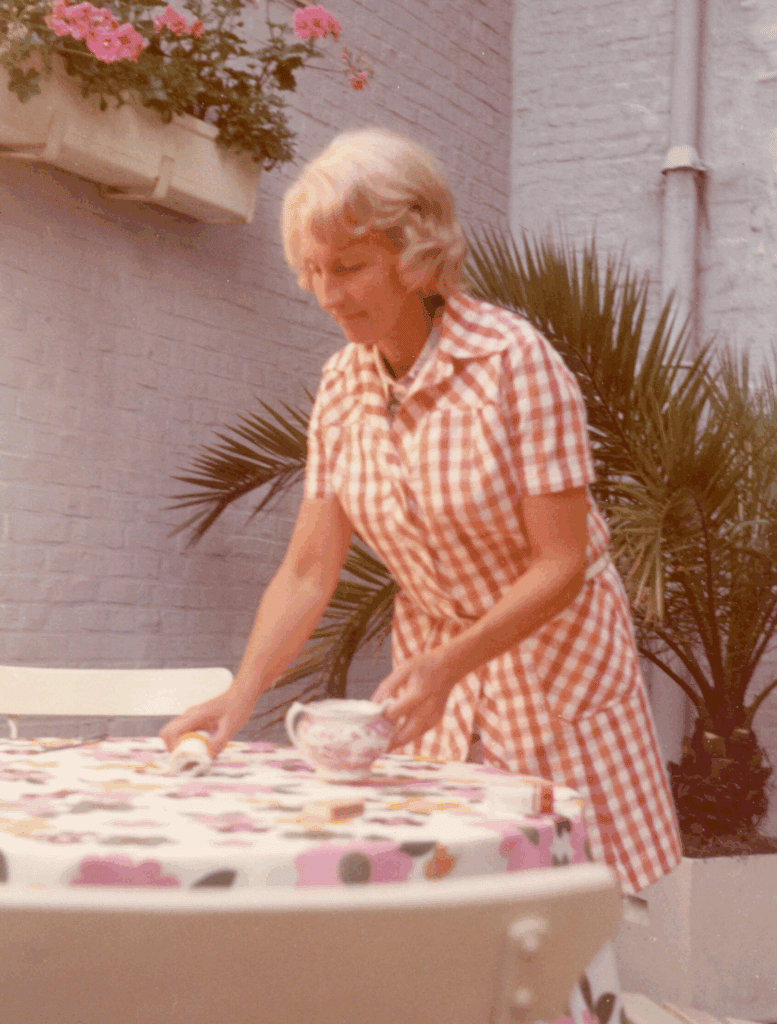
Leentje
Paul is a horse lover and a valued pianist. The virtuoso plays the organ of the Church of Our Lady in Aarschot. “In my childhood I always listened spellbound to his improvisations and interpretations of Brahms, Beethoven and Chopin.” – Pieter
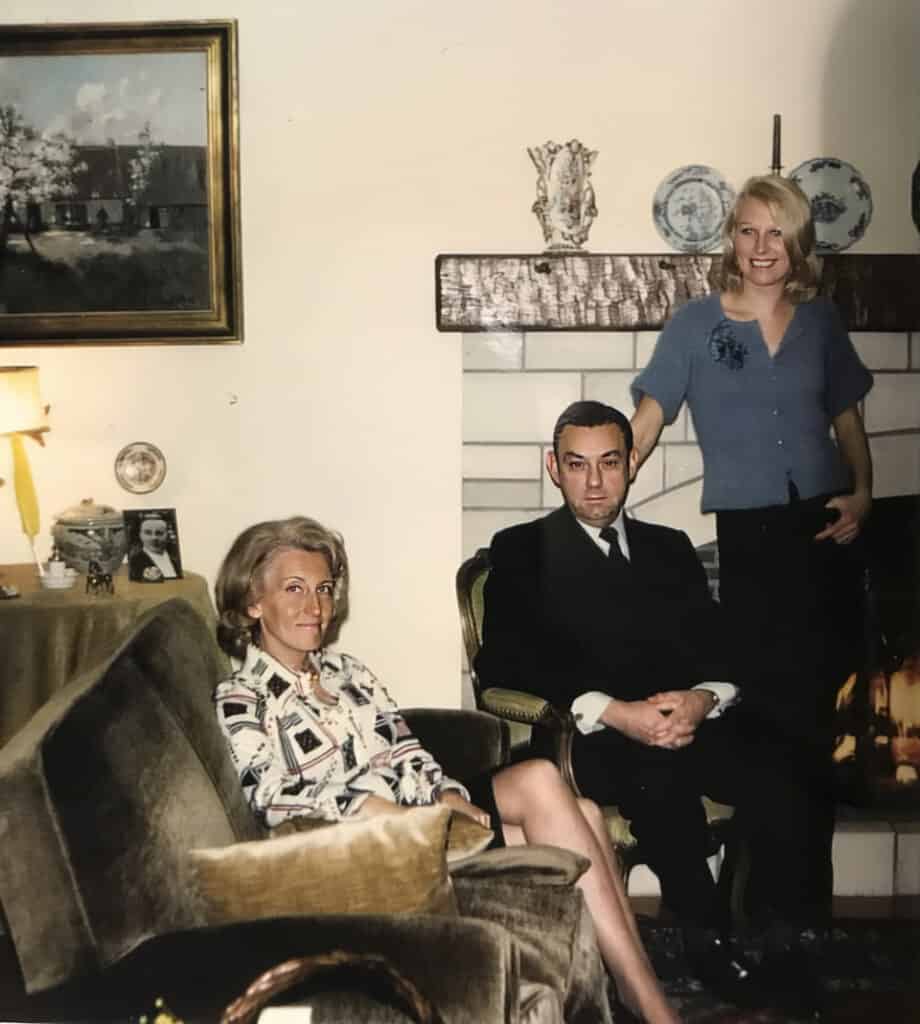
Paul and Leentje as guests of Mia and Godfried (photo: 1973)
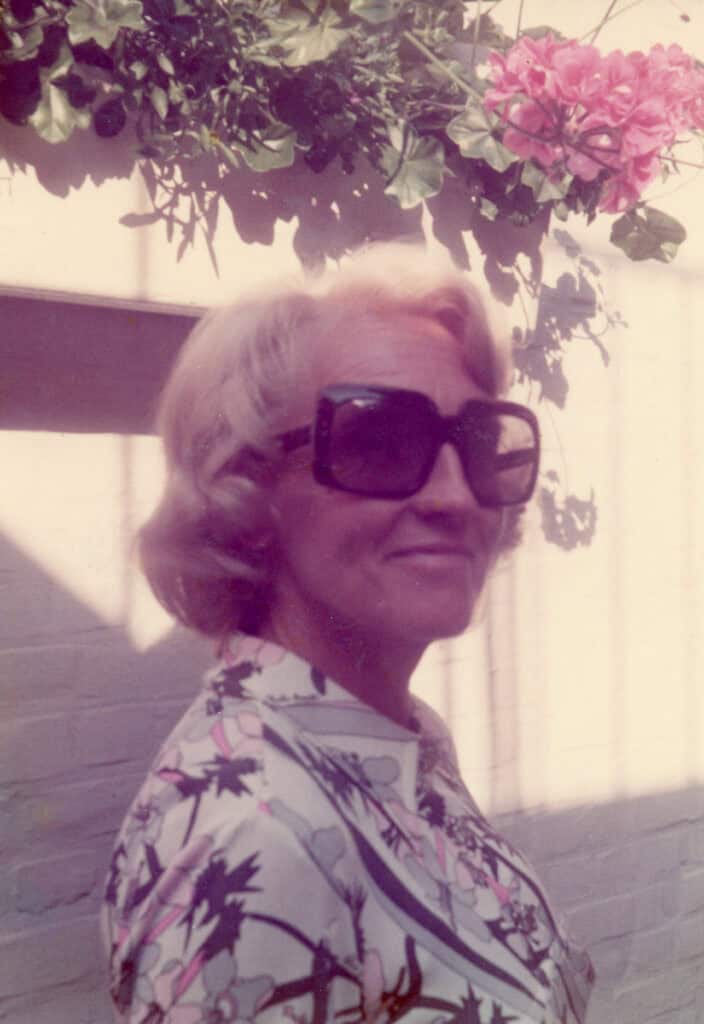
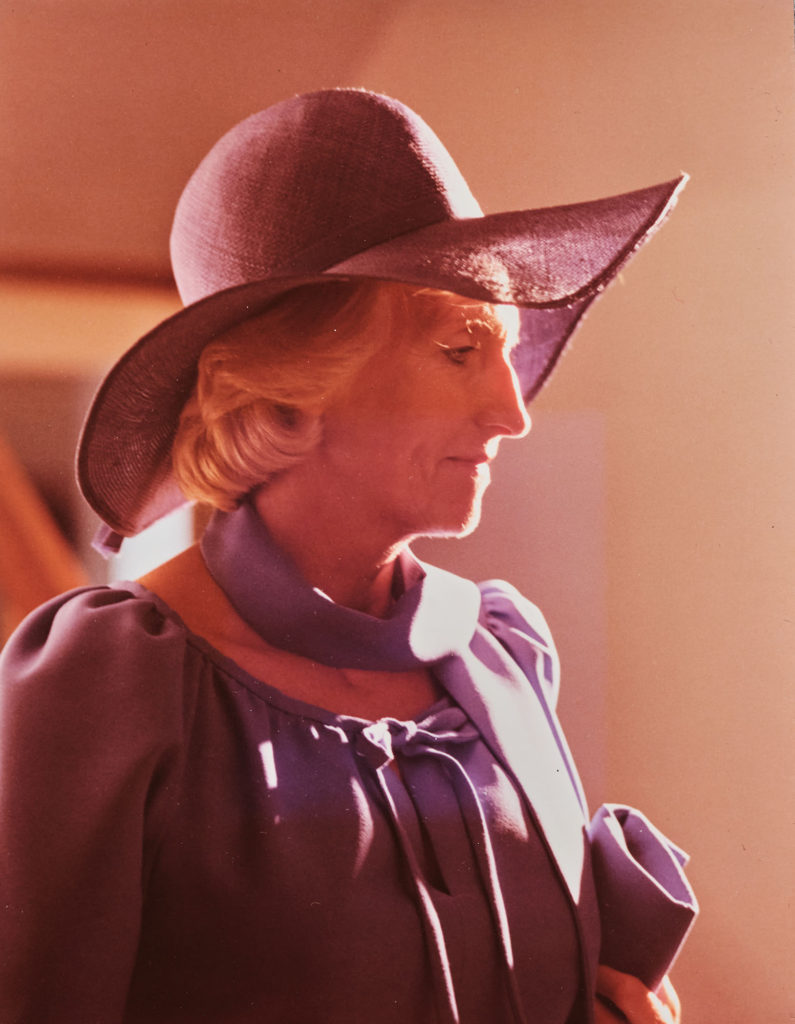
Leentje (1925-2014) (photo: 1976)
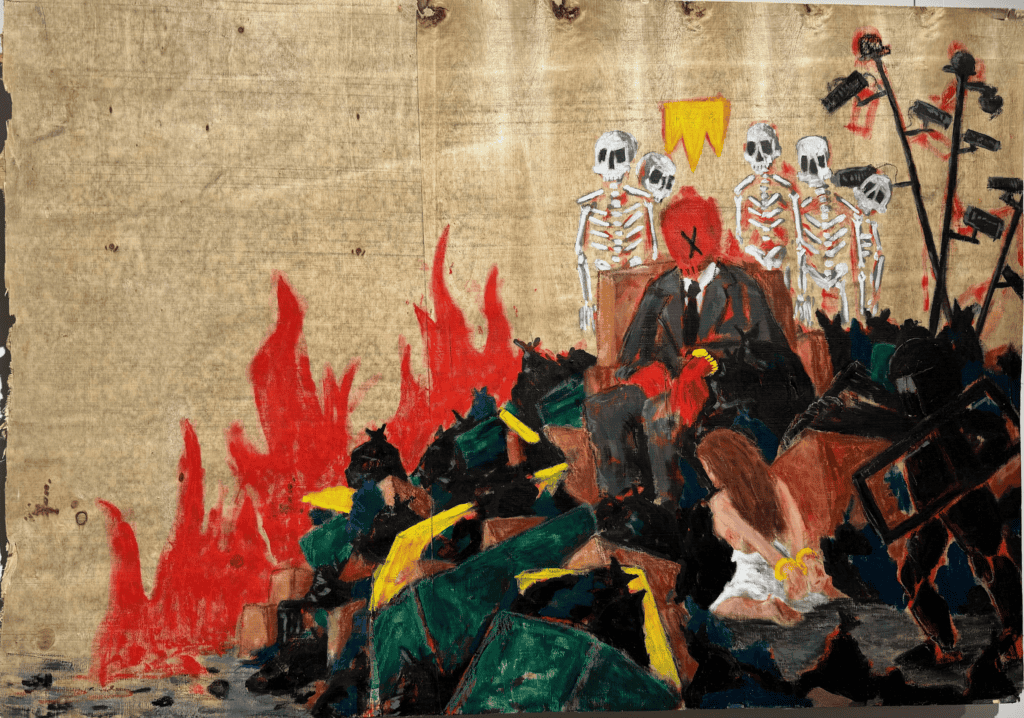
Les plus riches du cimetière – Alpha Wann – Piège – acrylic, dry pastels, spray paint on board – 2020
According to Leentje, the origin of our surname is fitting, and we are named after a trait of a lineage that hauls its patrimony along to the cemetery.
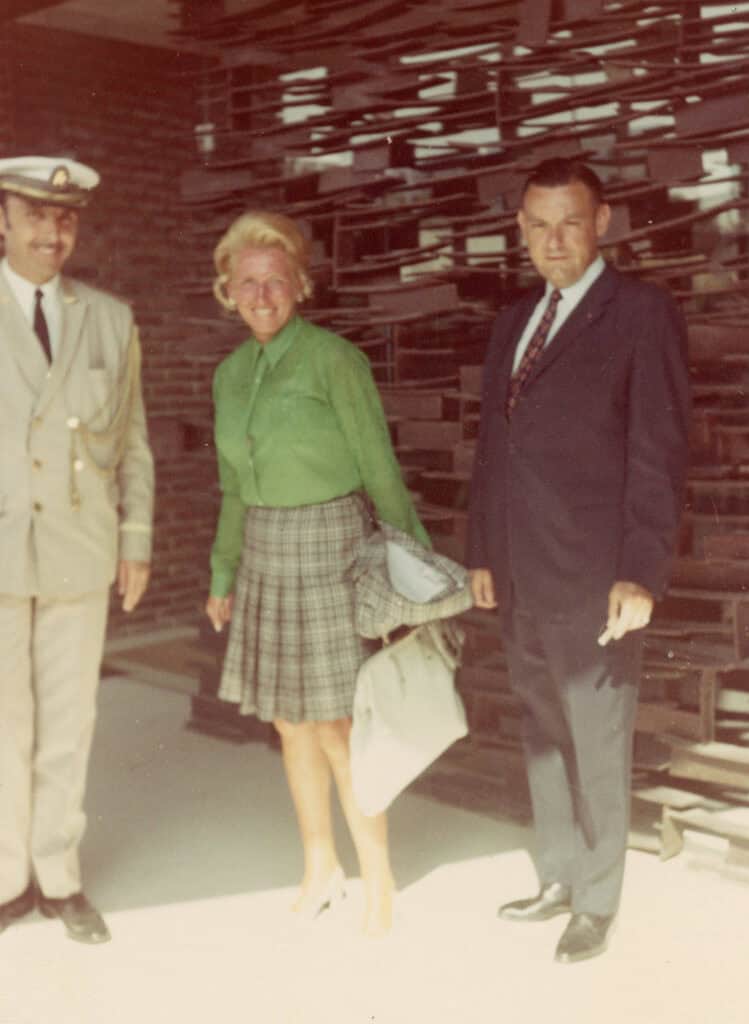
Paul and Leentje set the bar high for their family, as is usual among the notables of Aarschot: there must be discipline and there must be study.
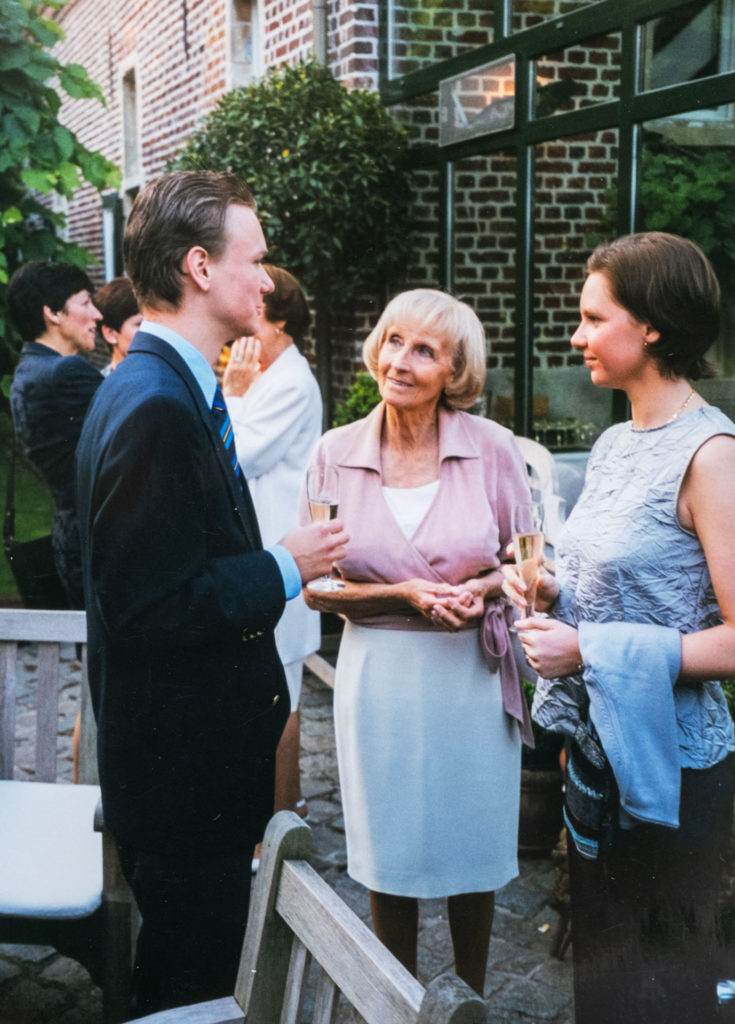
Gert, Leentje and Joke (photo: 2000)
Four children are born from the marriage.
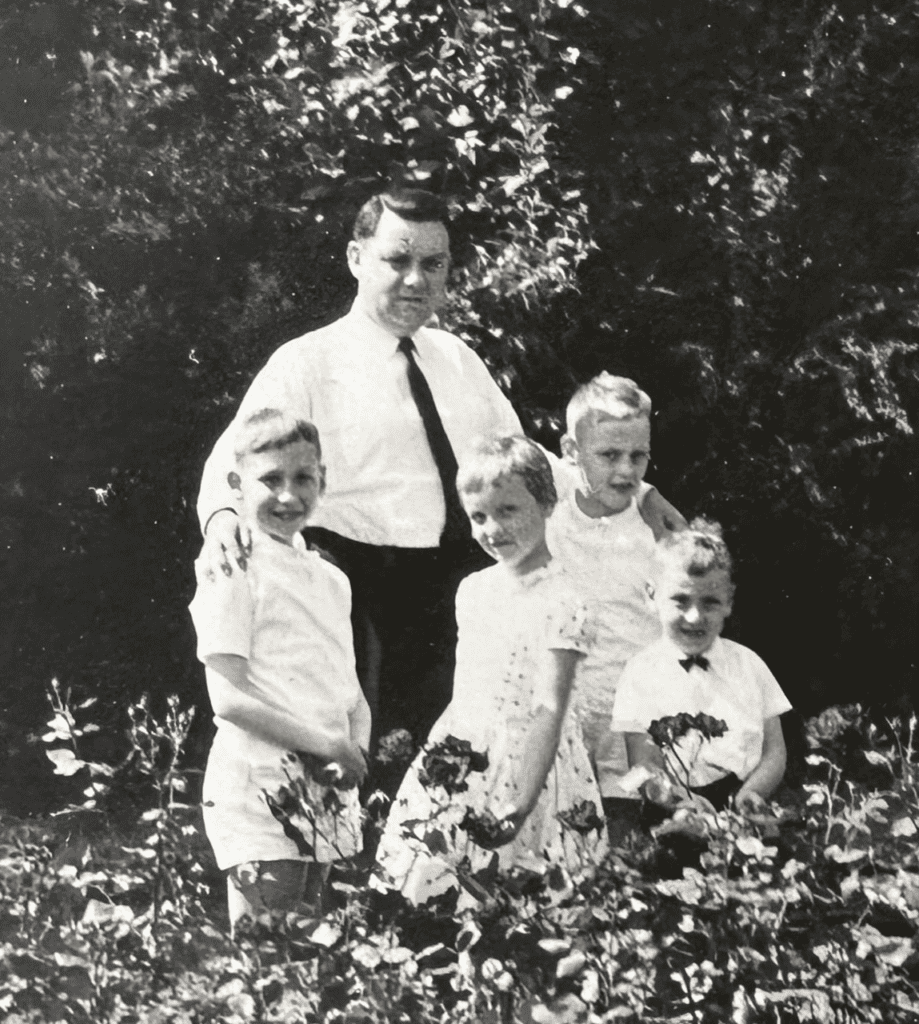
Luc, Geertrui, Guy, Karl
Luc (*1949)
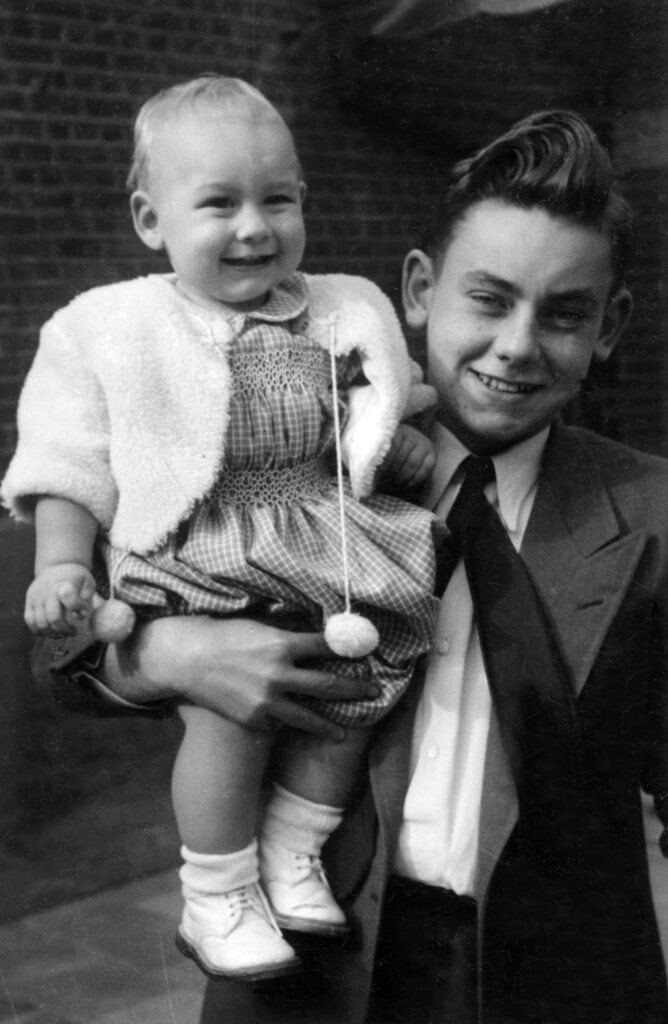
Godfried with his little nephew Luc
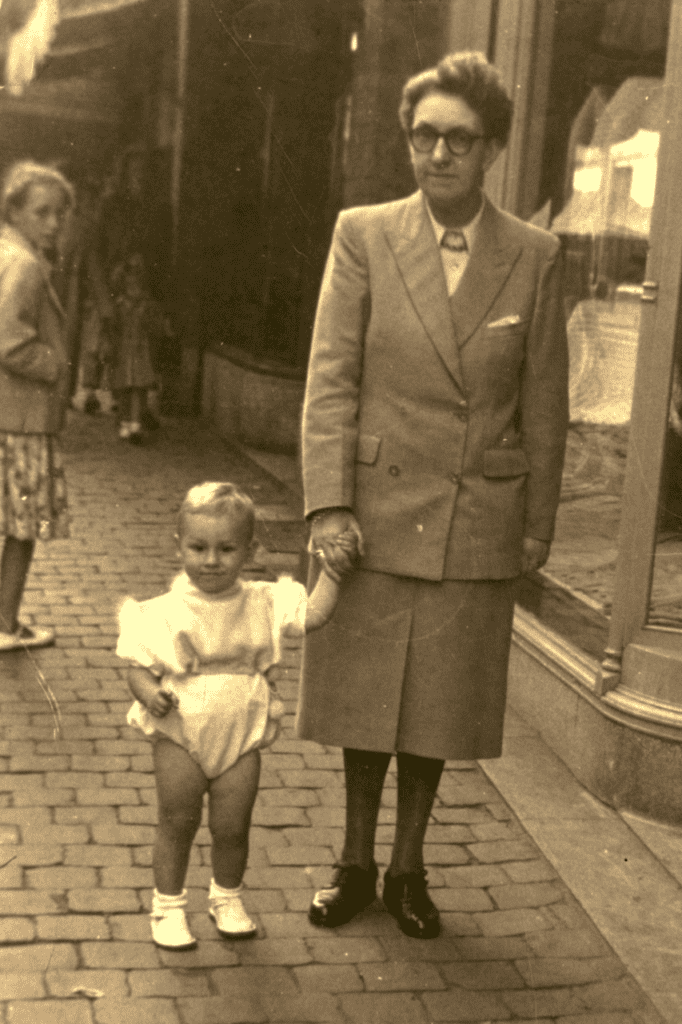
Luc and sugar aunt Josse
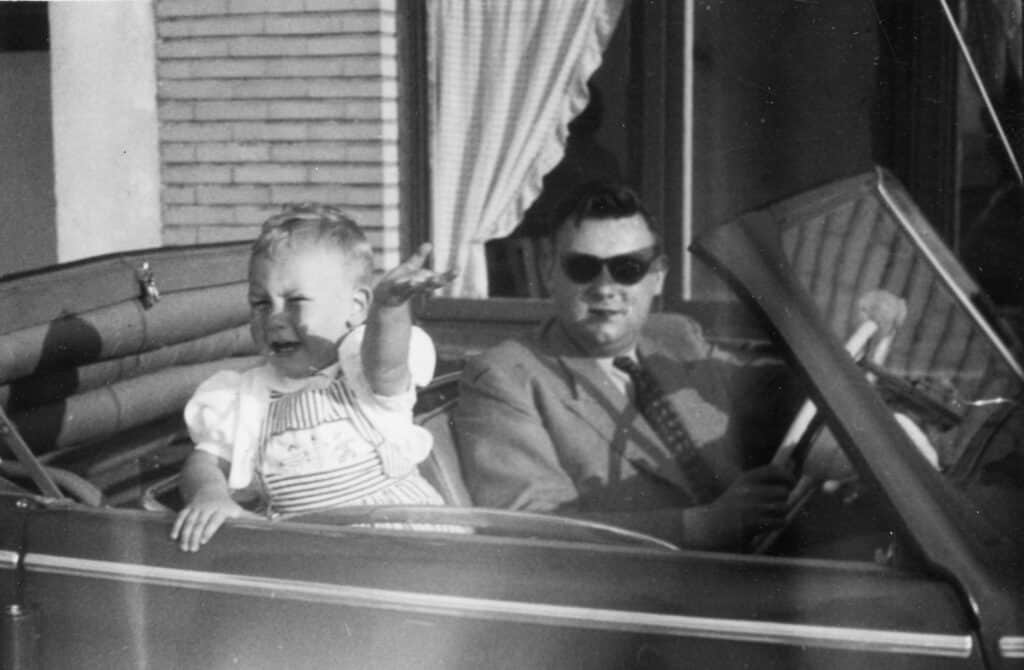
father and little son Luc
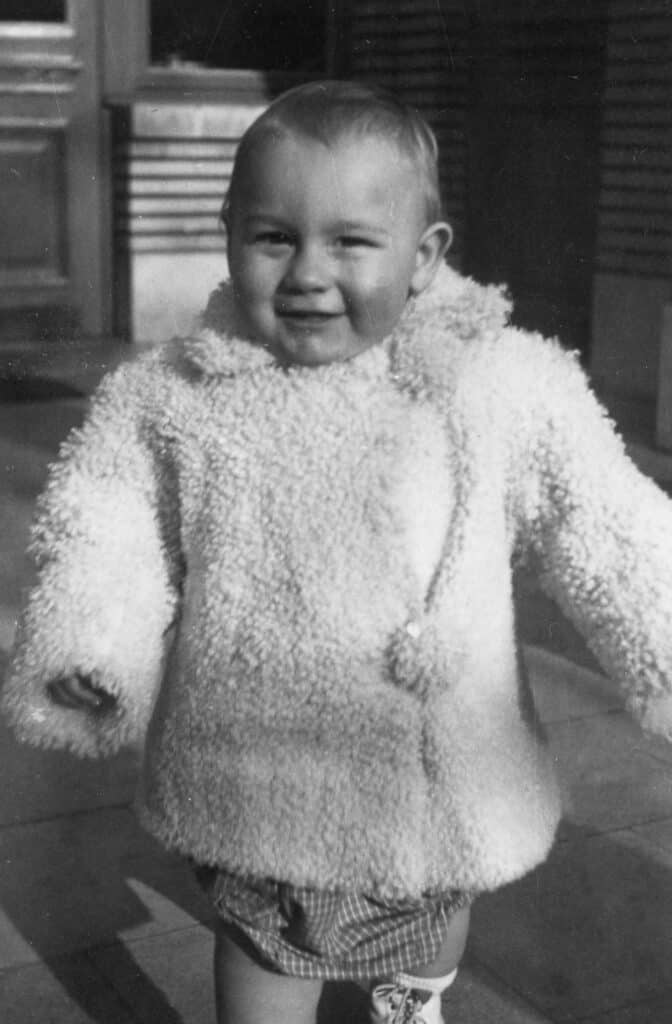
Luc
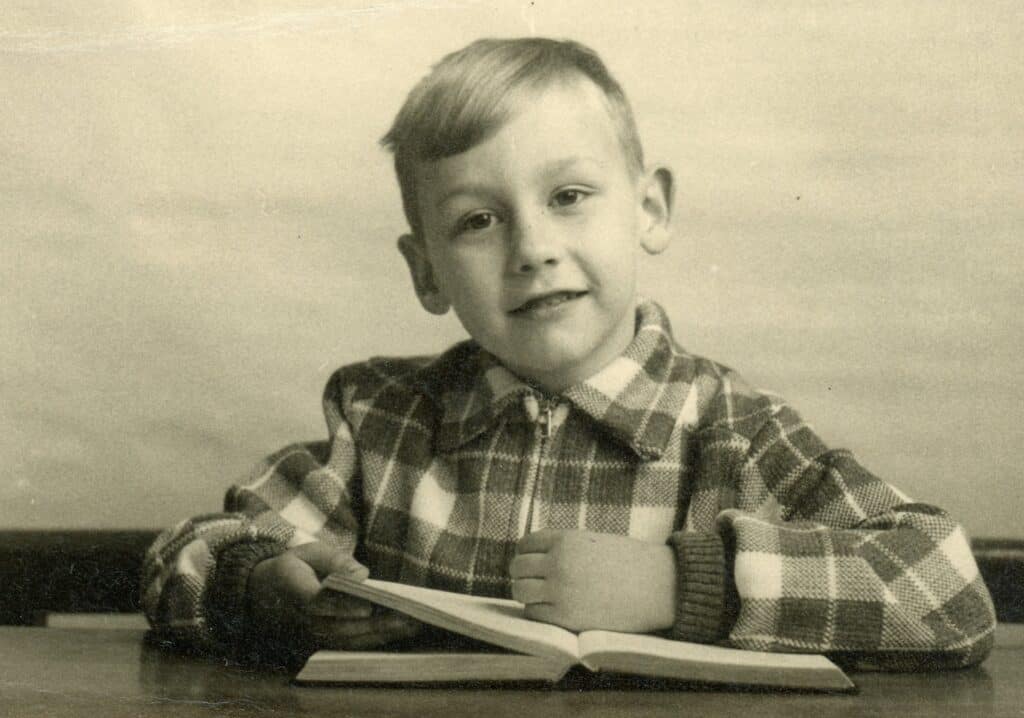
Luc
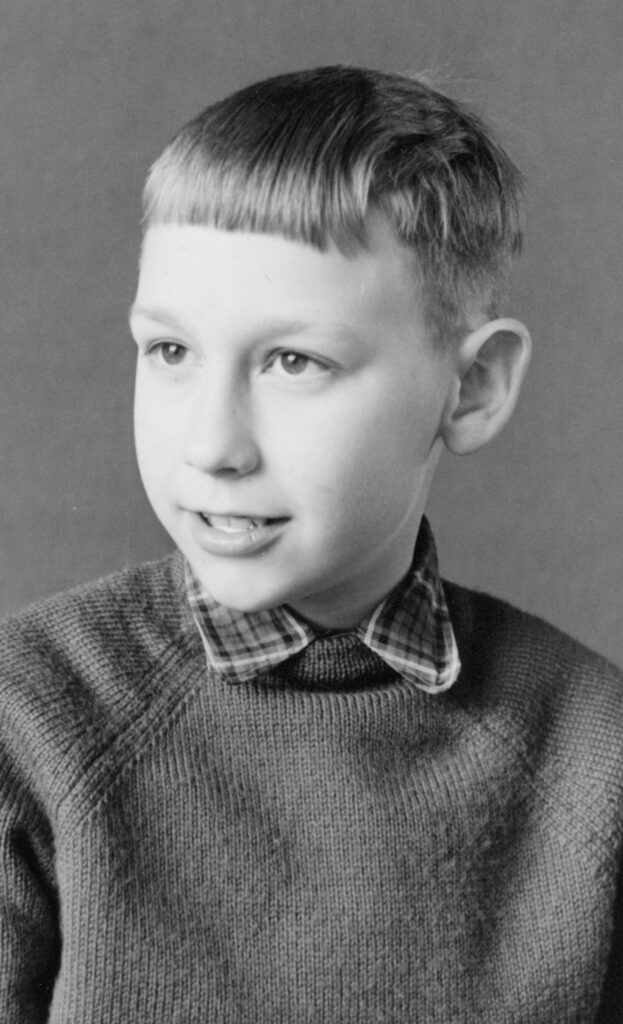
Luc
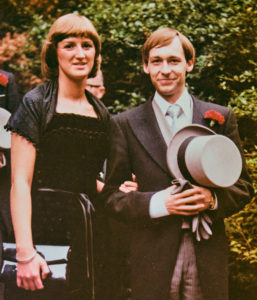
Lawyer Luc Van Kerckhoven together with his wife and fellow lawyer Marietje Rutten (photo: 1976)
Guy (*1951)
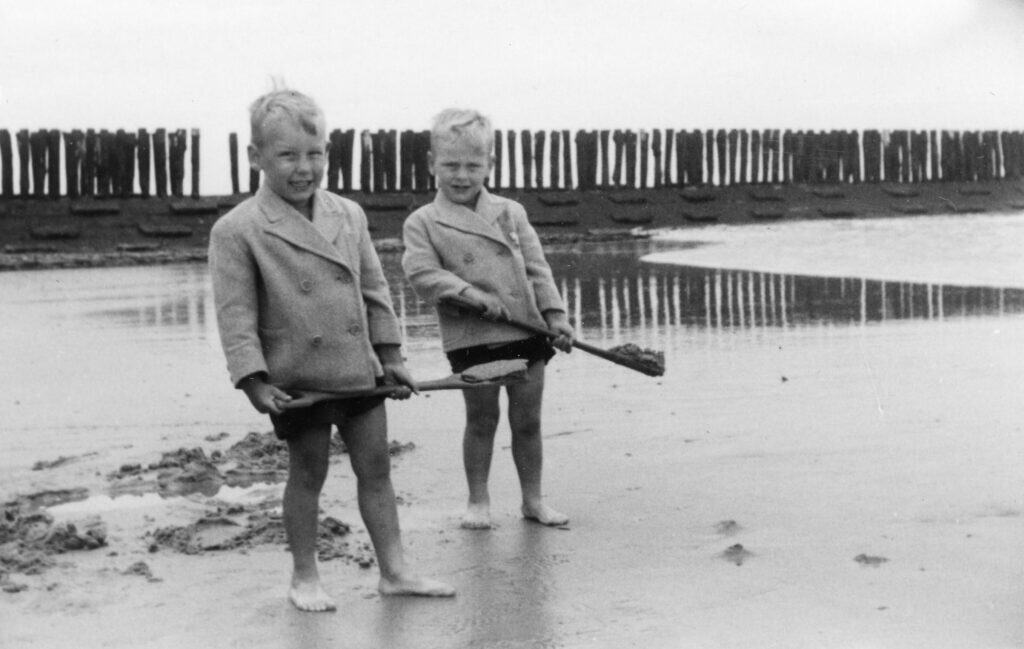
Luc and Guy
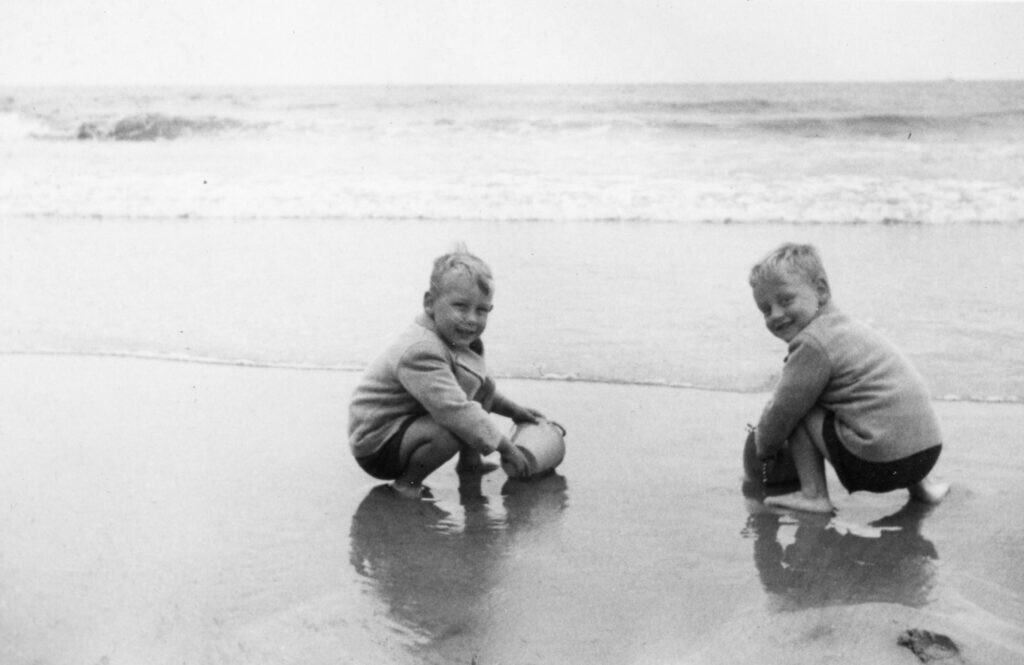
Luc and Guy
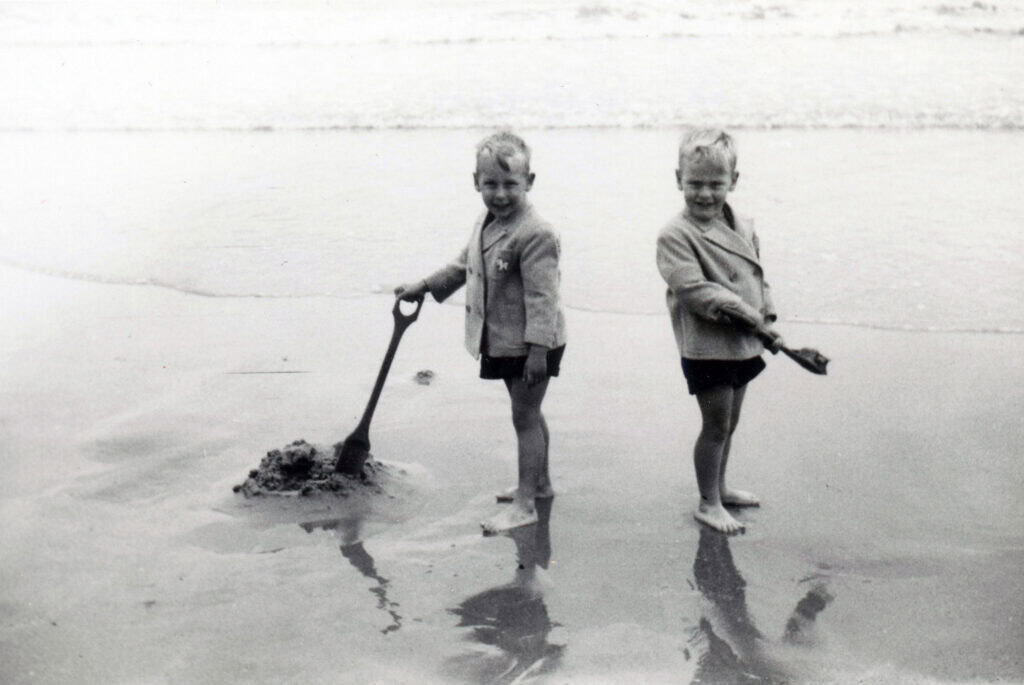
Luc and Guy
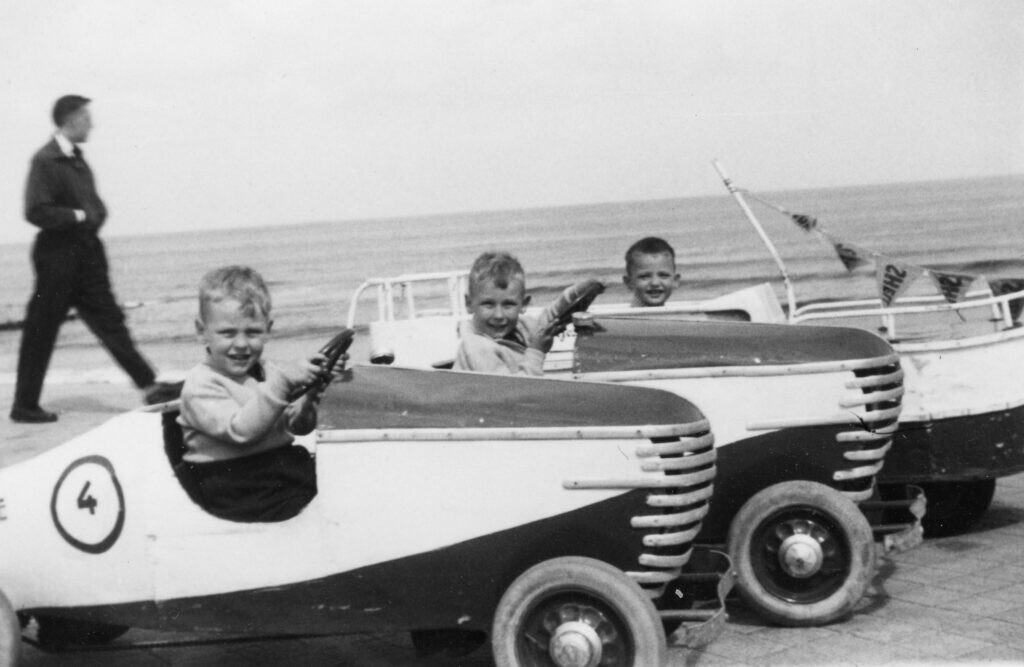
Guy, Luc and Eric Torfs
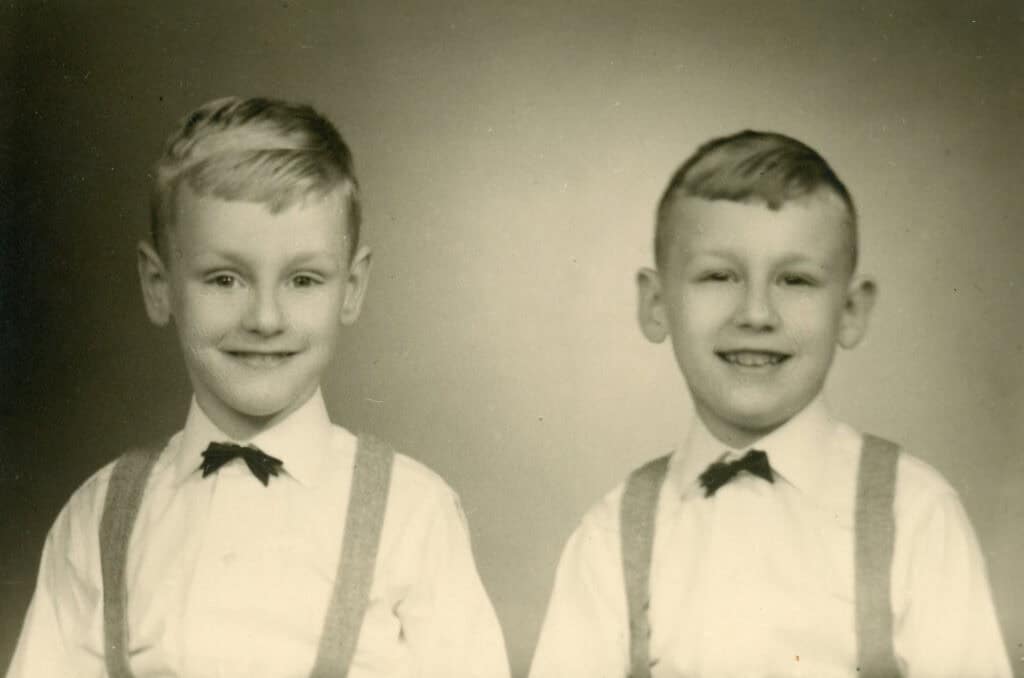
Guy and Luc
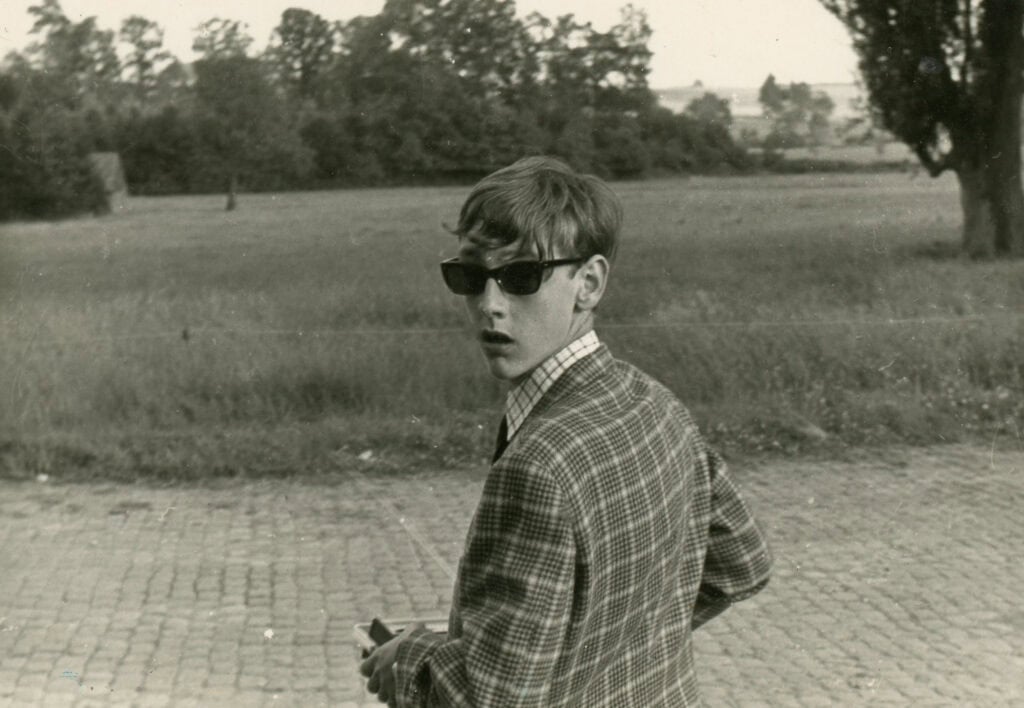
Guy
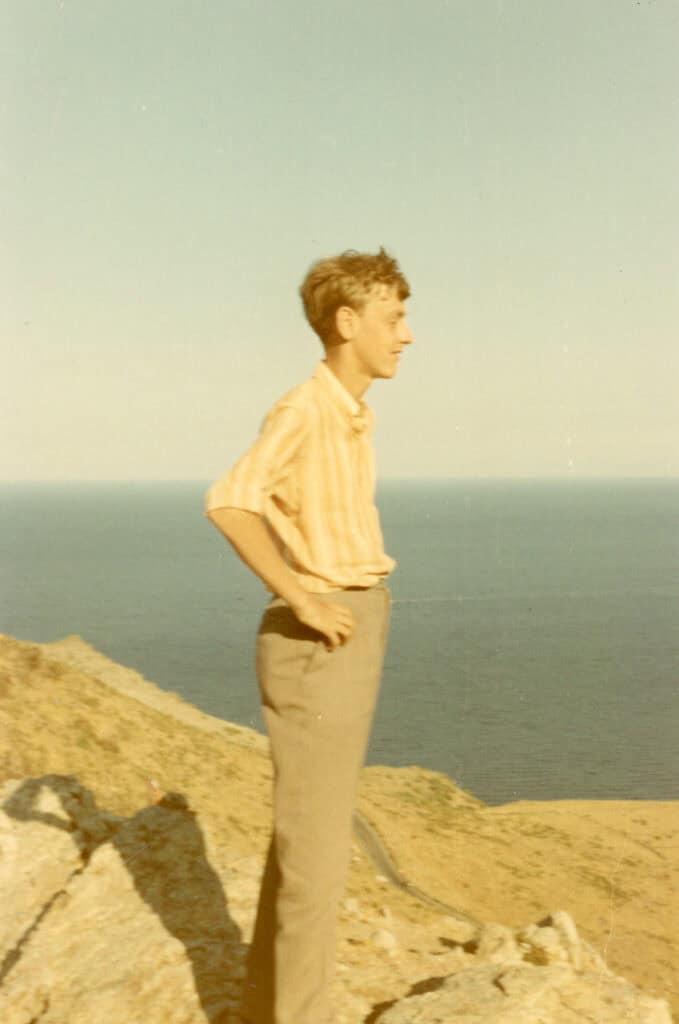
Guy
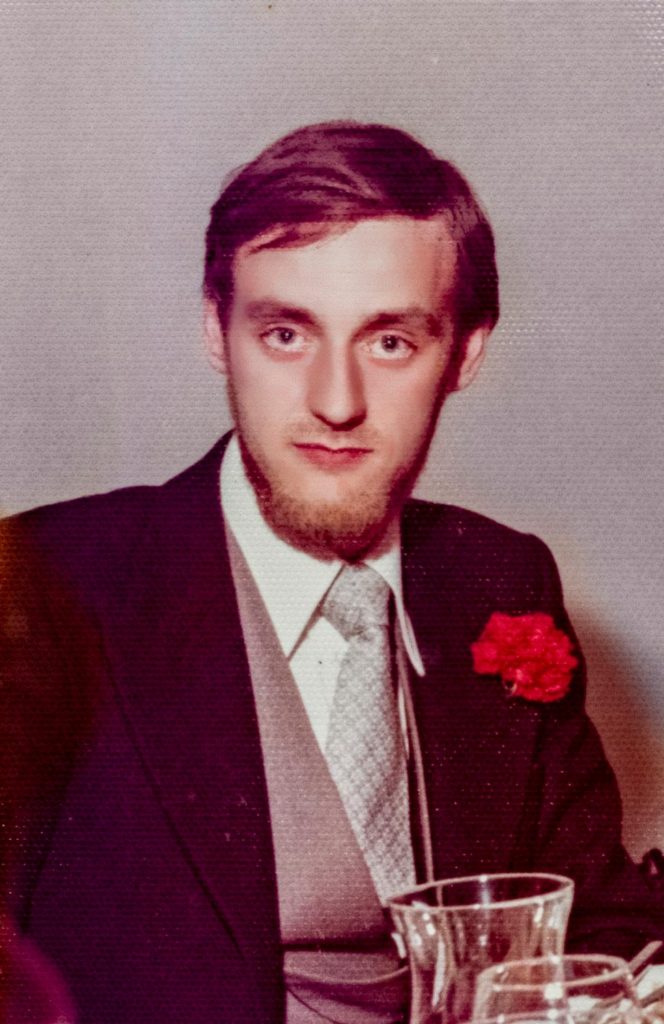
Prof. Dr. Guy Van Kerckhoven (photo: 1976)
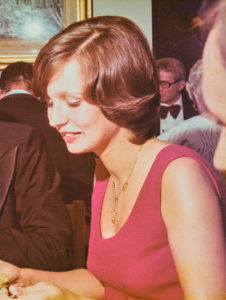
Mieke Fannes, the wife of Prof. Dr. Guy Van Kerckhoven (photo: 1976)
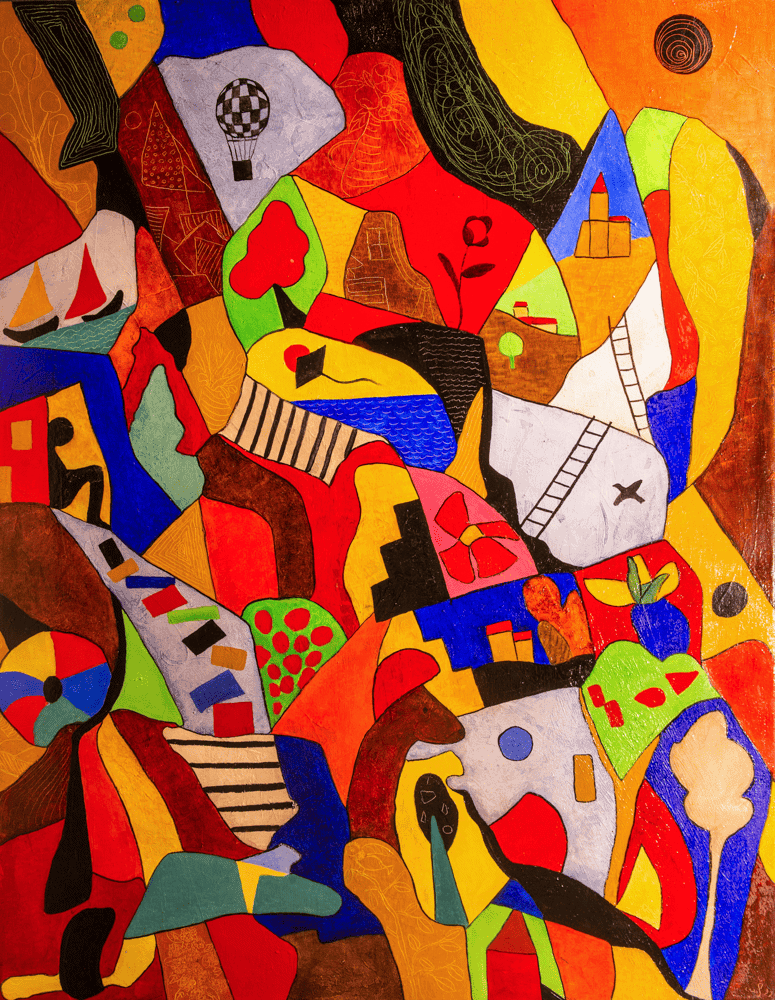
Mieke Fannes – untitled – oil on canvas – 90×70 cm – www.miekefannes.be “Der gerade Linie führt zum Untergang der Menschheit.” – Friedensreich Hundertwasser (1928-2000)
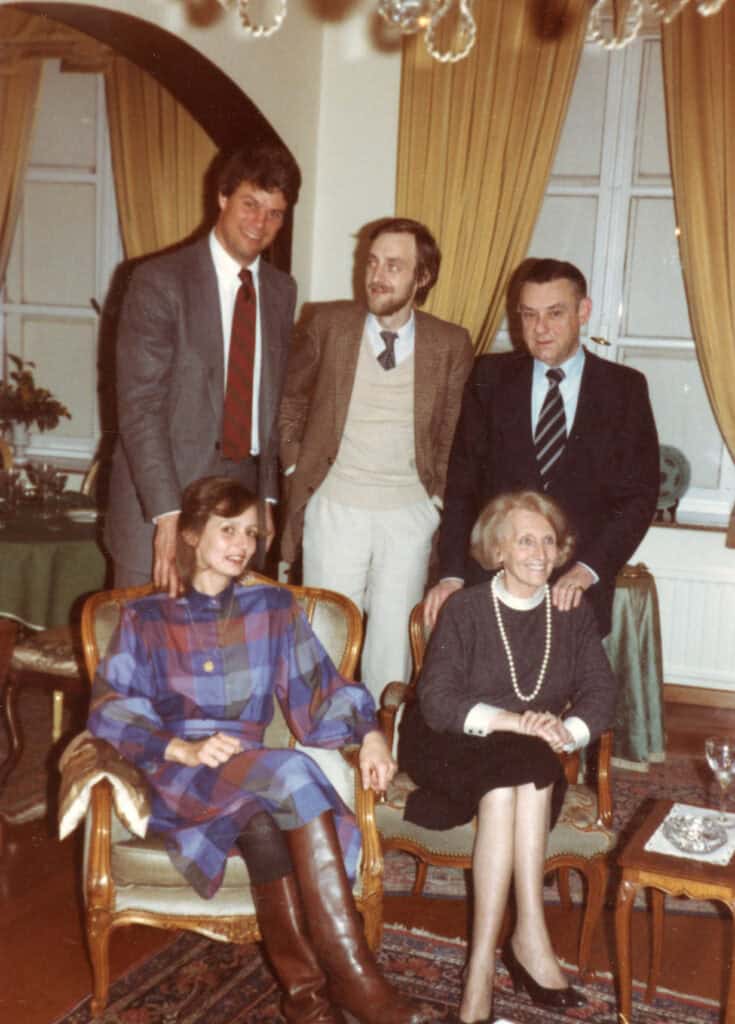
Vincent Lockner, Guy, Paul, Mieke Fannes, Leentje
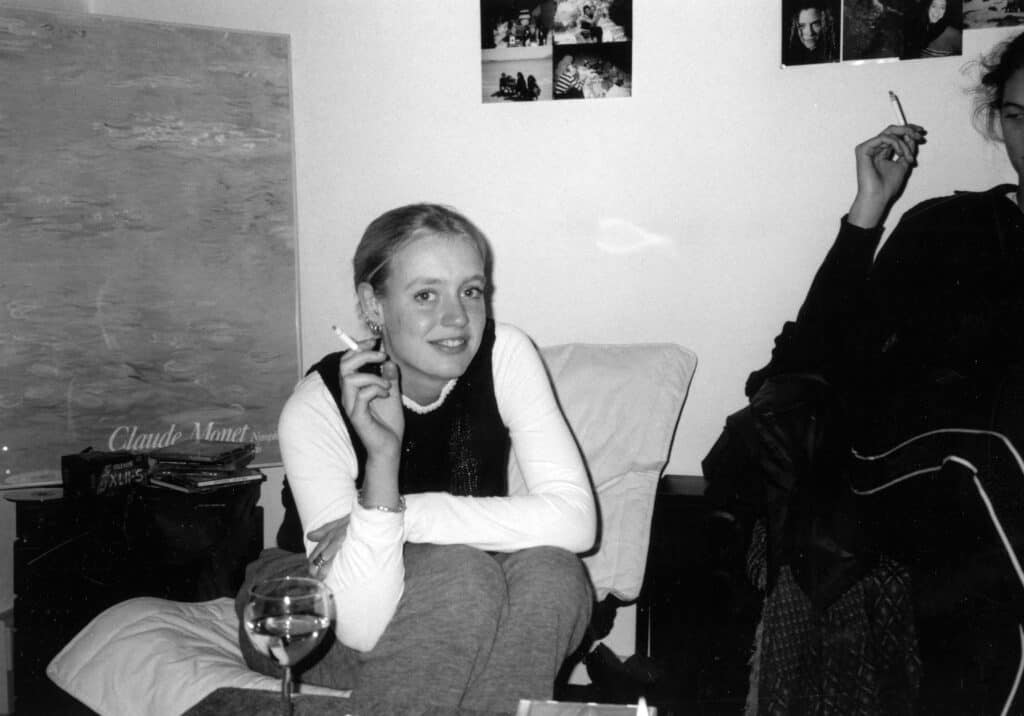
Klaartje, granddaughter of Paul and Leentje
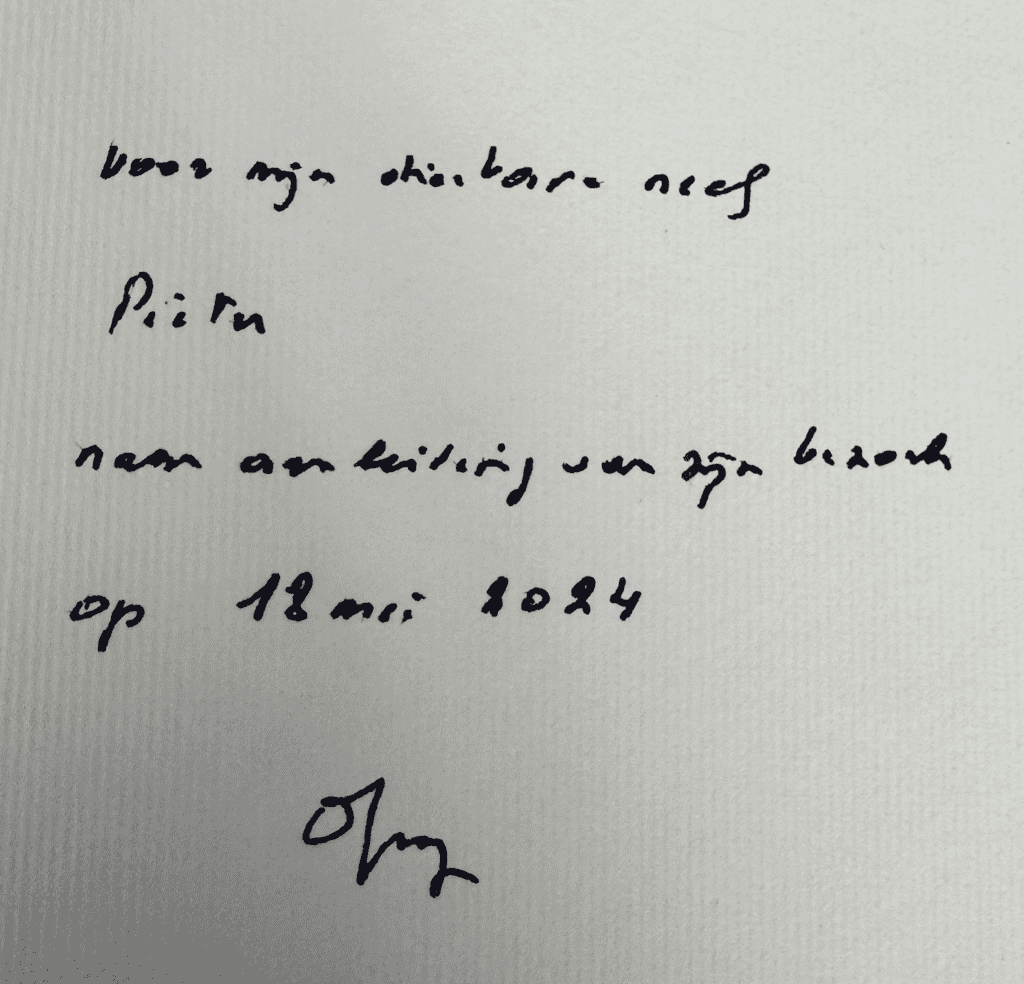
Geertrui (*1953)
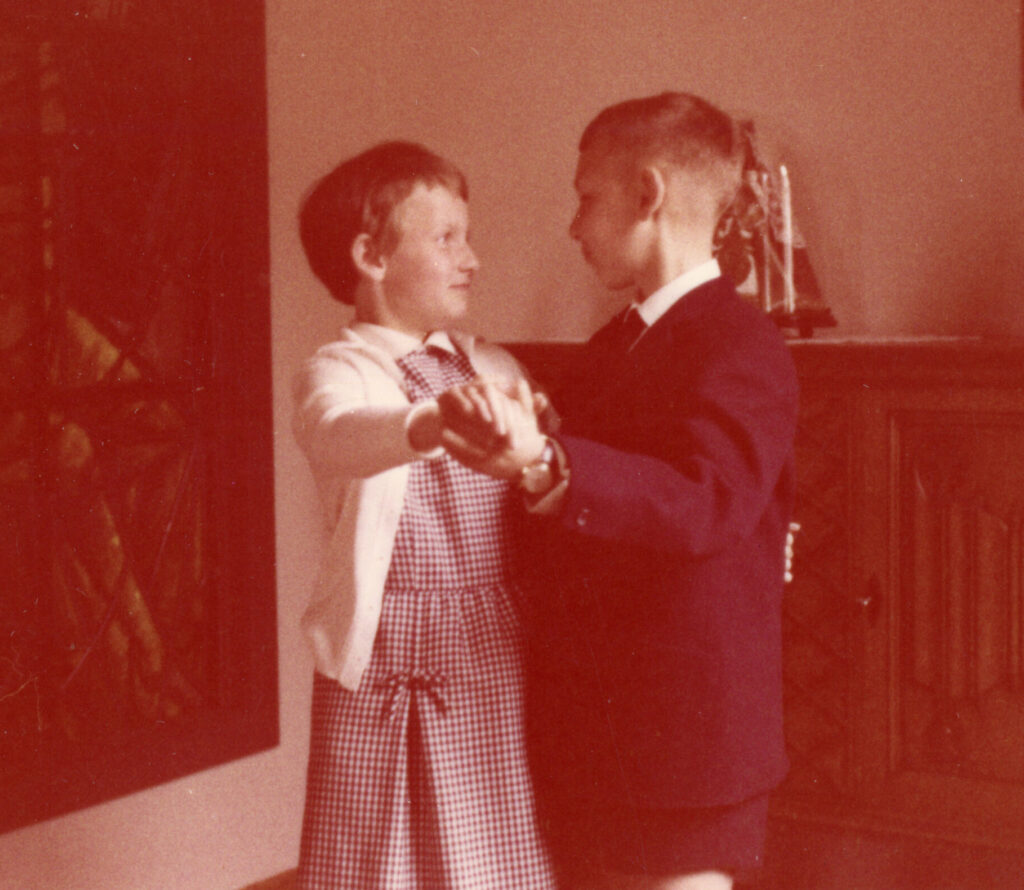
Geertrui and Luc
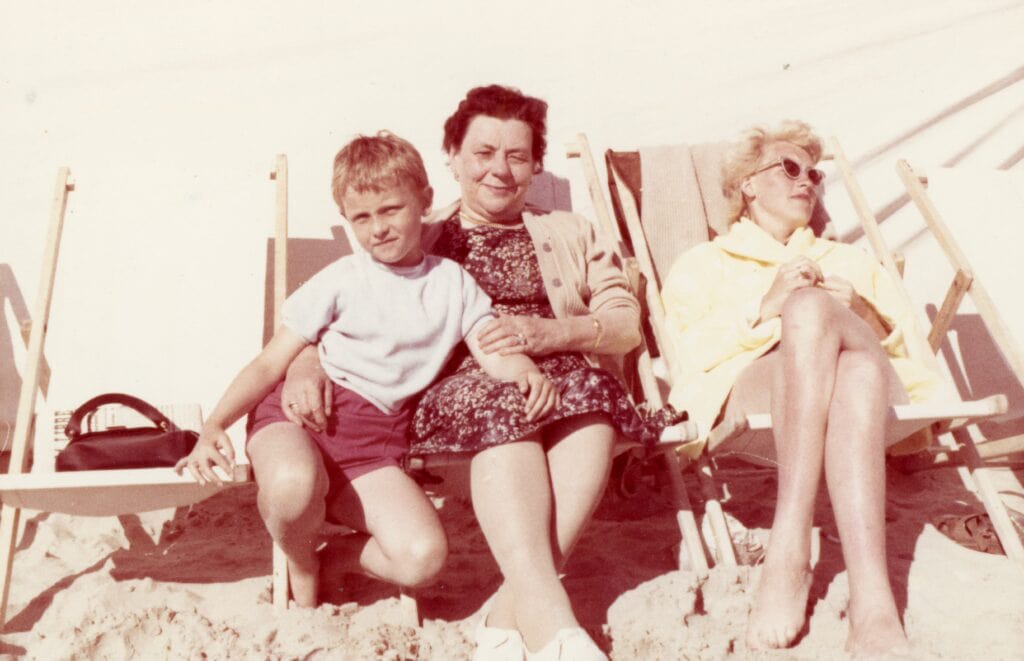
Geertrui, grandma Tineke, Leentje
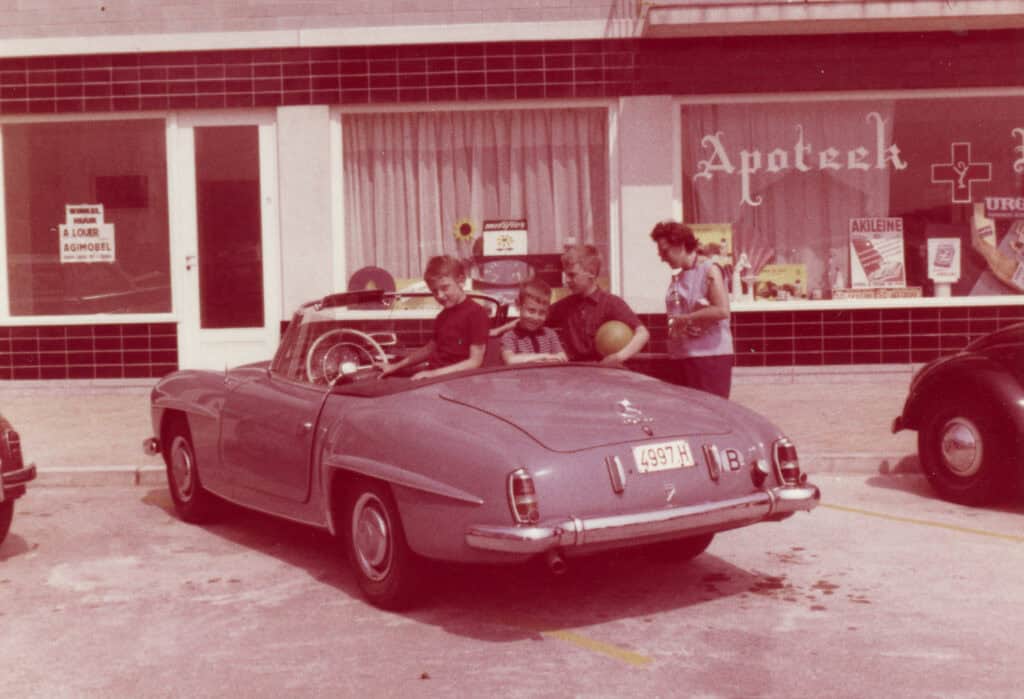
Geertrui, Karl, Guy and Leentje
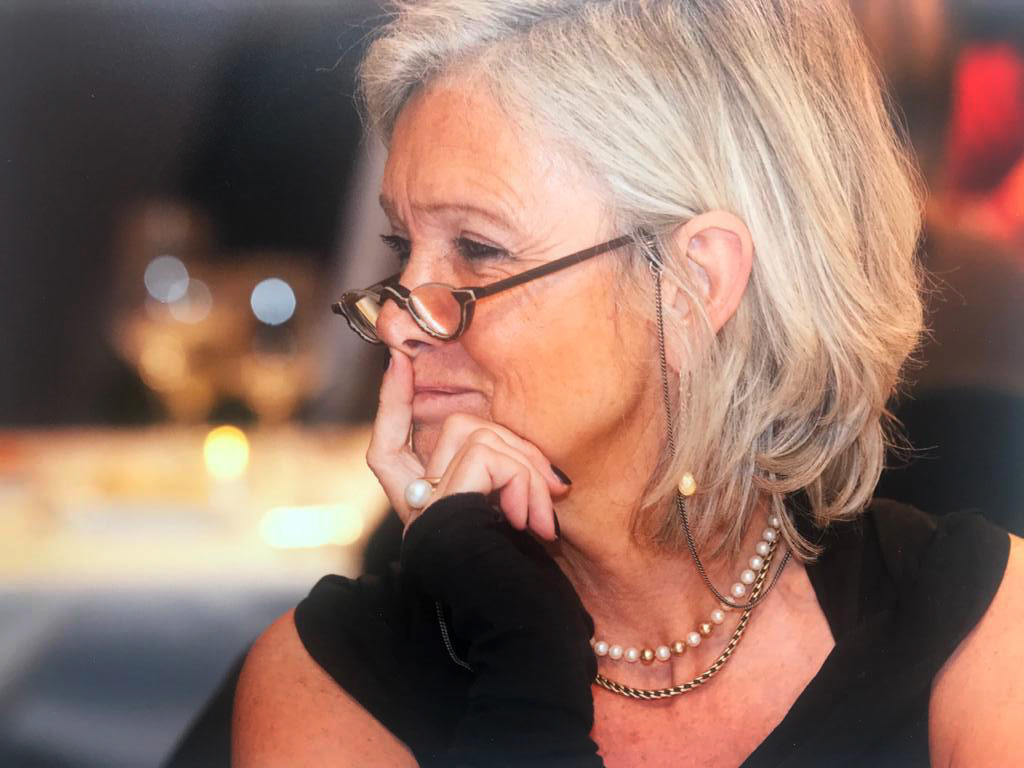
Geertrui builds up a philanthropic reputation. The many “good works” that Geertrui takes on worry her father: “Mind that you don’t end up in the ditch with all your antics.” – Dr. Paul “He was a physician such as one dreams of, his dedication was incredible”, says his daughter.
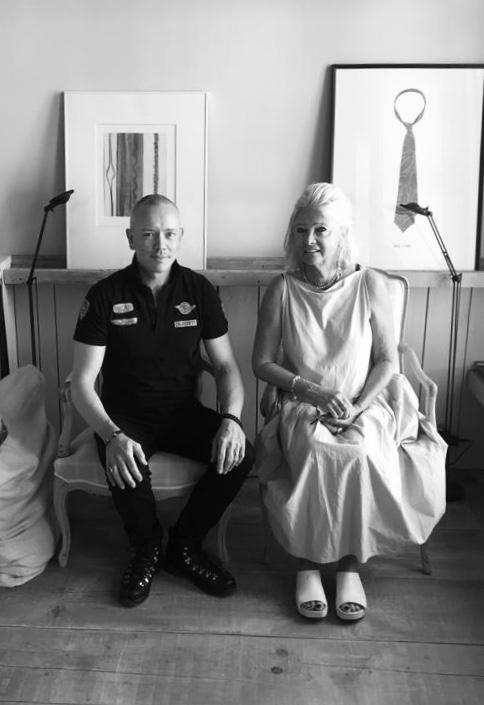
cousins (photo: 2020)
Geertrui and Pieter share a few points of contact such as their pacifism, love of art, music and charity work. They dream of one day returning to their native region, the Hageland that belongs to them. “Whether I will live to see that, God only knows. But I hope so with all my heart.” She sighs, smiles and looks away. “We are the gentler flank in our family.” – Geertrui
“Tendre Amour” Rameau – Les Indes galantes
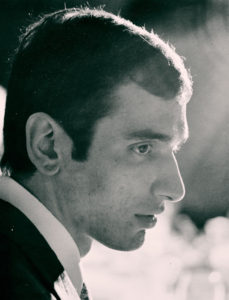
Paul Lommée – notary – husband of Geertrui (photo: 1976)
Fragments from the film on the occasion of Geertrui’s wedding to Paul Lommée (1976)
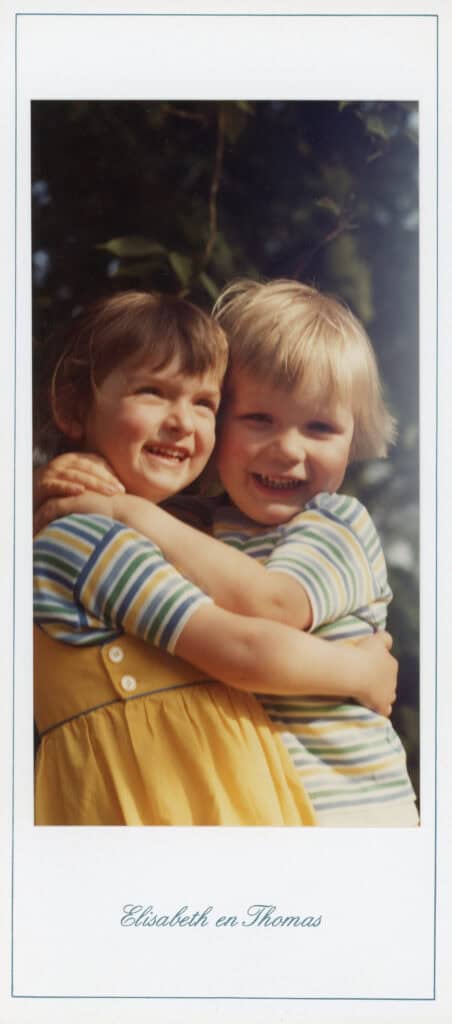
grandchildren of Paul and Leentje
Karl (*1956)
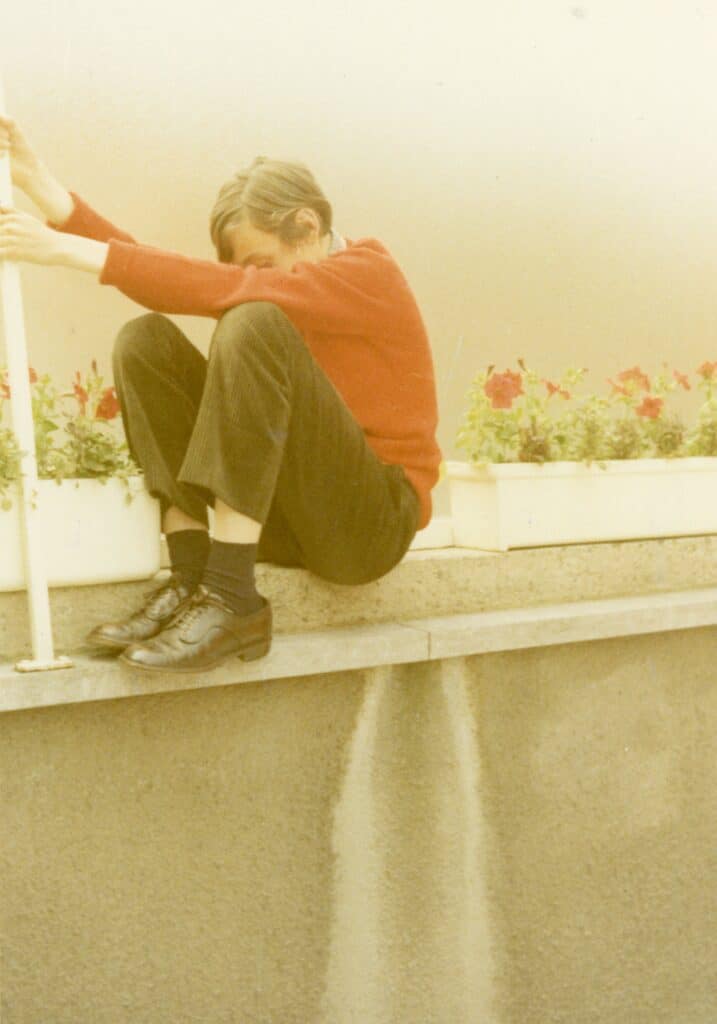
Karl
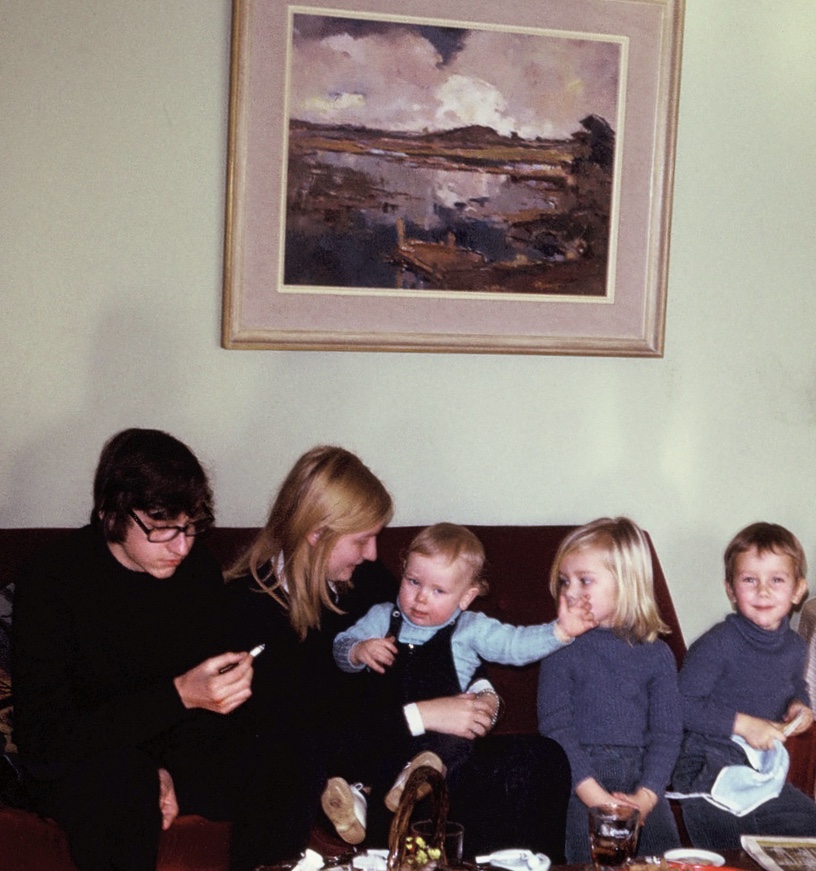
L to R: Karl; the youngest son of Paul and Leentje with Geertrui, Gert, Ilse and Pieter Note the painting by Jos Tysmans, which is described further on in this section. (photo: 1973)
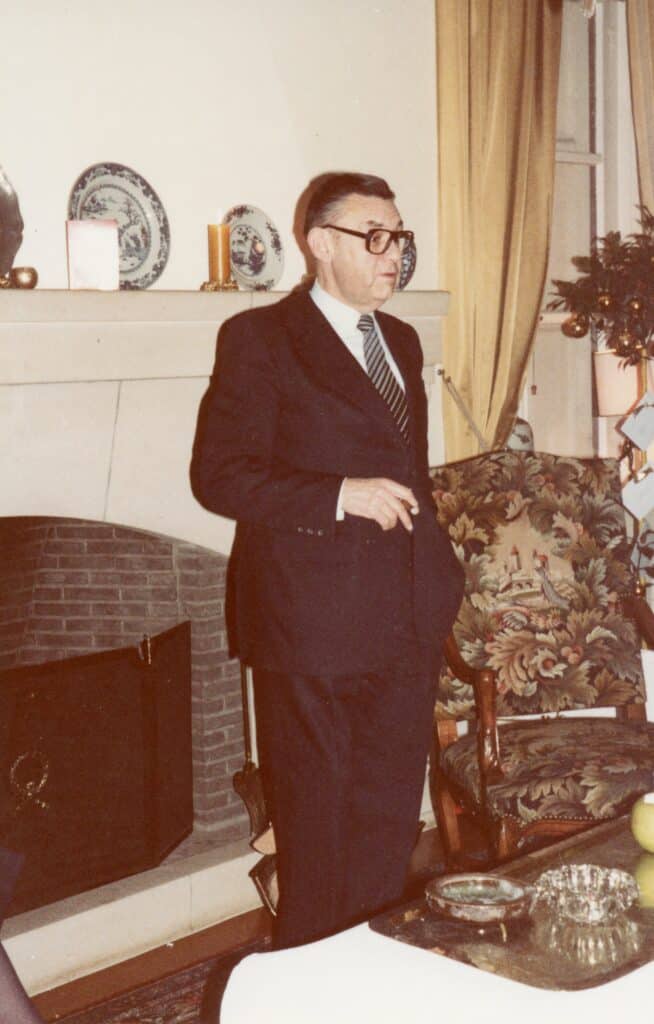
Doctor Paul Van Kerckhoven
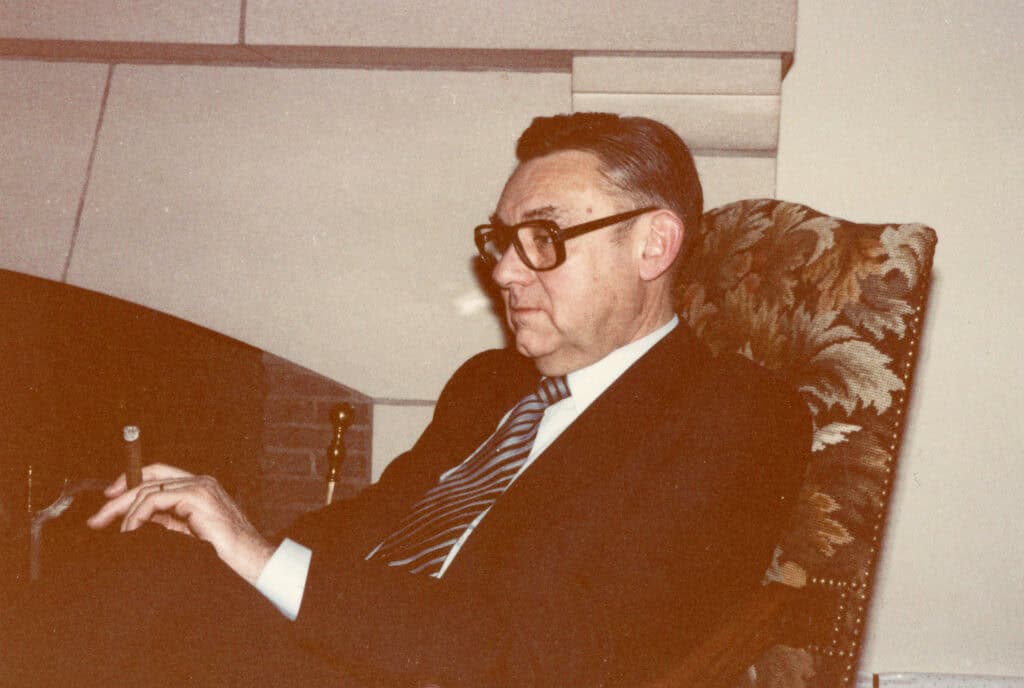
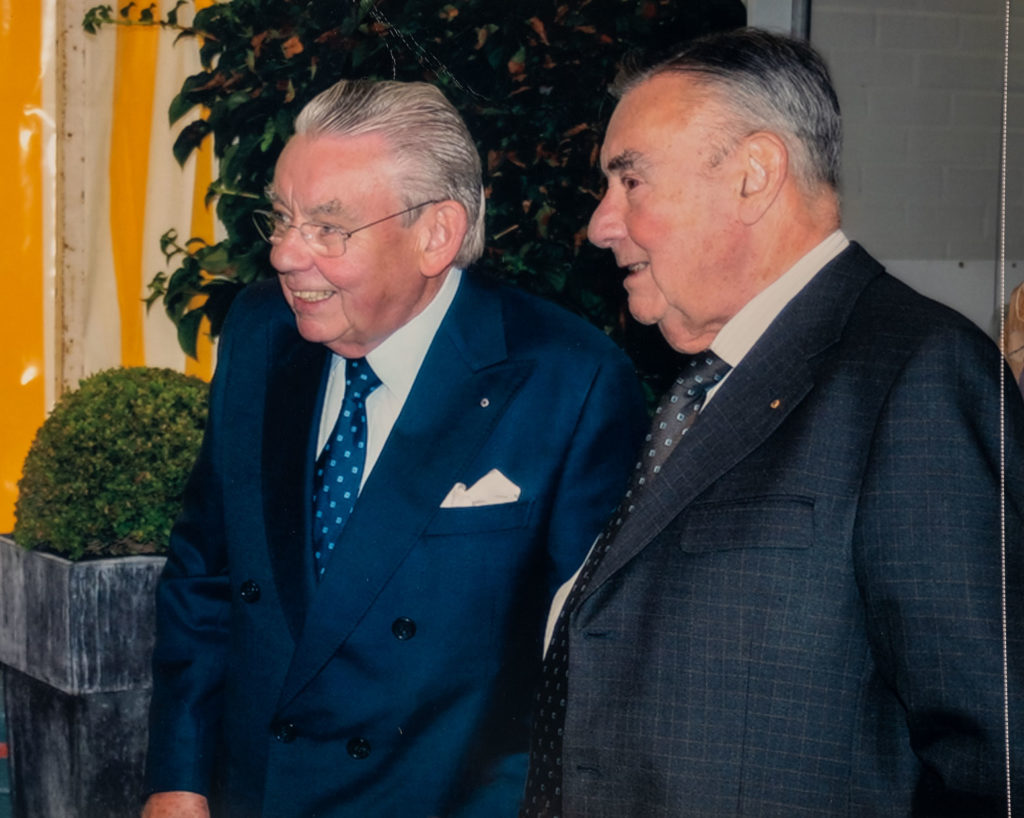
Godfried and Paul (photo: 2005)
“Do not simply give away the advantages you receive at birth. Others who did not receive these advantages will only too gladly take them over.” – Paul Van Kerckhoven

Paul’s classic masculine scent. A mix of woody and spicy notes: coriander, bergamot, Brazilian rosewood and lemon.
“Perfume is the most intense form of memory.” – Jean-Paul Guerlain
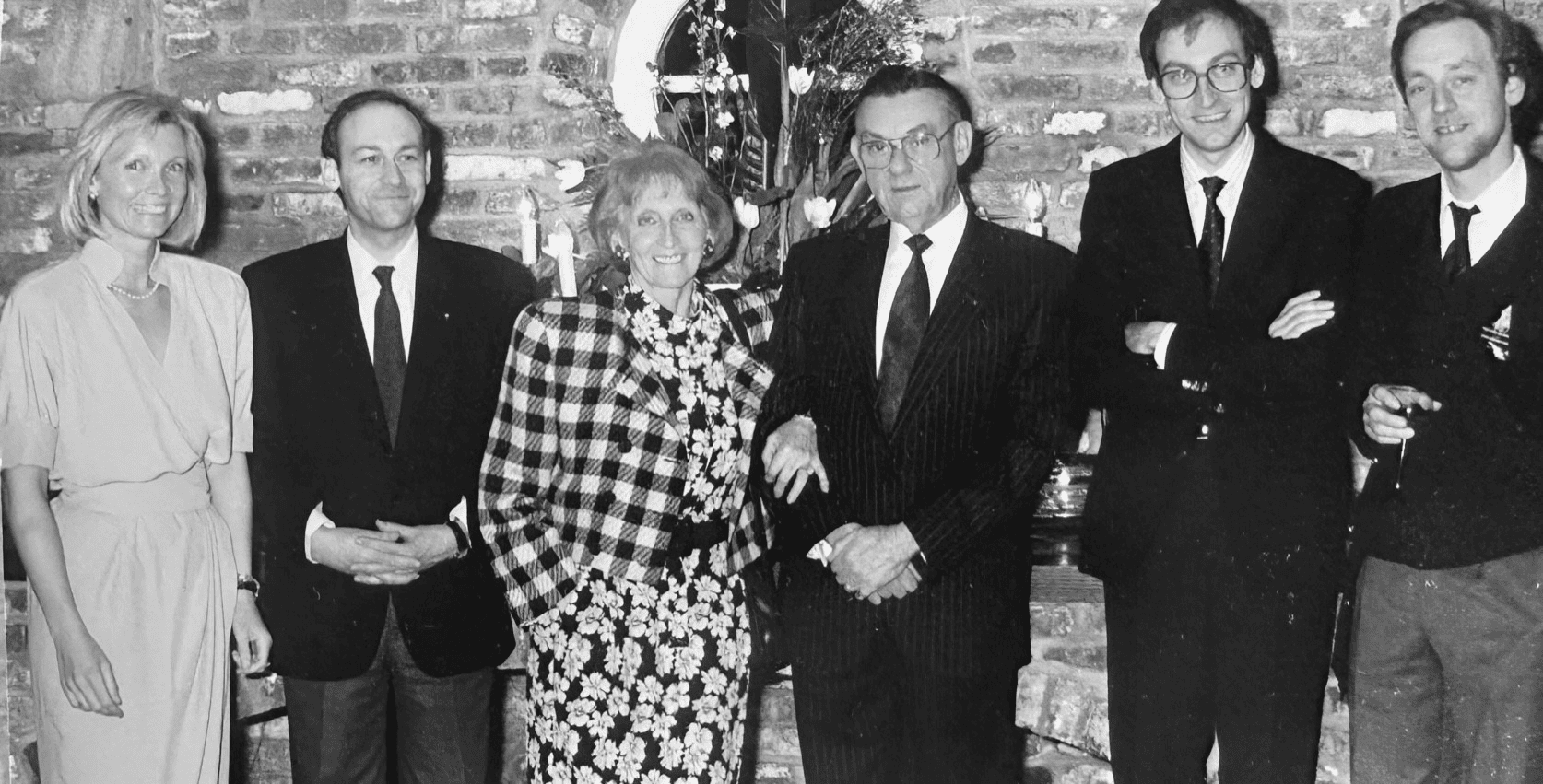
Geertrui, Luc, Leentje, Paul, Karl and Guy
“WELLE” (that is what Paul calls his family)

(around 1960) Their substantial house has sixteen bedrooms and two live-in maids belonging to the grey generation. Leentje, perfectionist that she is, recruits a third one: a young lady from Leuven. But soon the alert eldest maid Martha from Betekom recognises that the young thing shows symptoms of pregnancy and reports it to Madame. With much drama the maid confesses, does not want her parents to find out and refuses to name the father-to-be. Paul and Leentje decide nevertheless to inform her parents. The furious father claims that before entering service in Aarschot his daughter worked as a maid for a Leuven professor where Prince Alexander stayed overnight. He wants nothing more to do with her and threatens to kill her. The expectant girl keeps her lips tight. Leentje suggests keeping the young girl in service and looking after her, at least until after the child is born. After the birth Leentje and the parish priest have found a husband for the servant who will adopt the child.
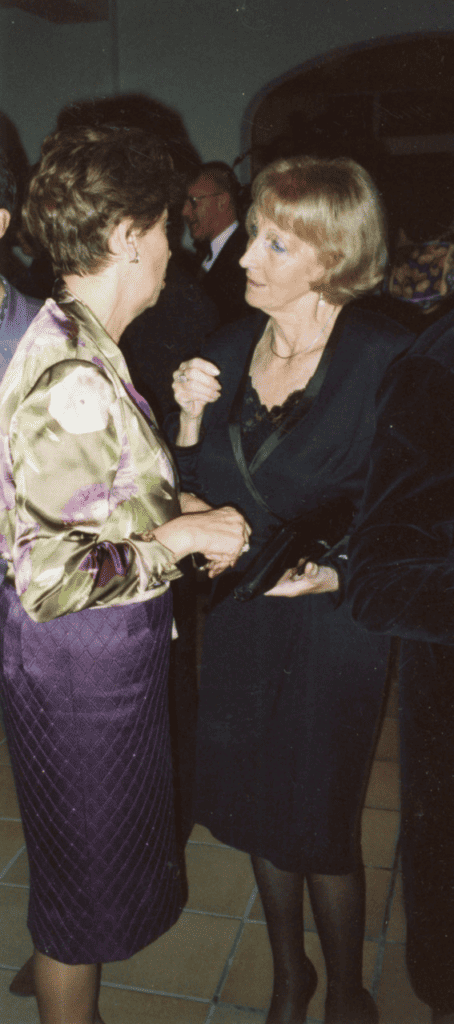
Leentje in conversation with her sister-in-law Sidone (photo: 1992)
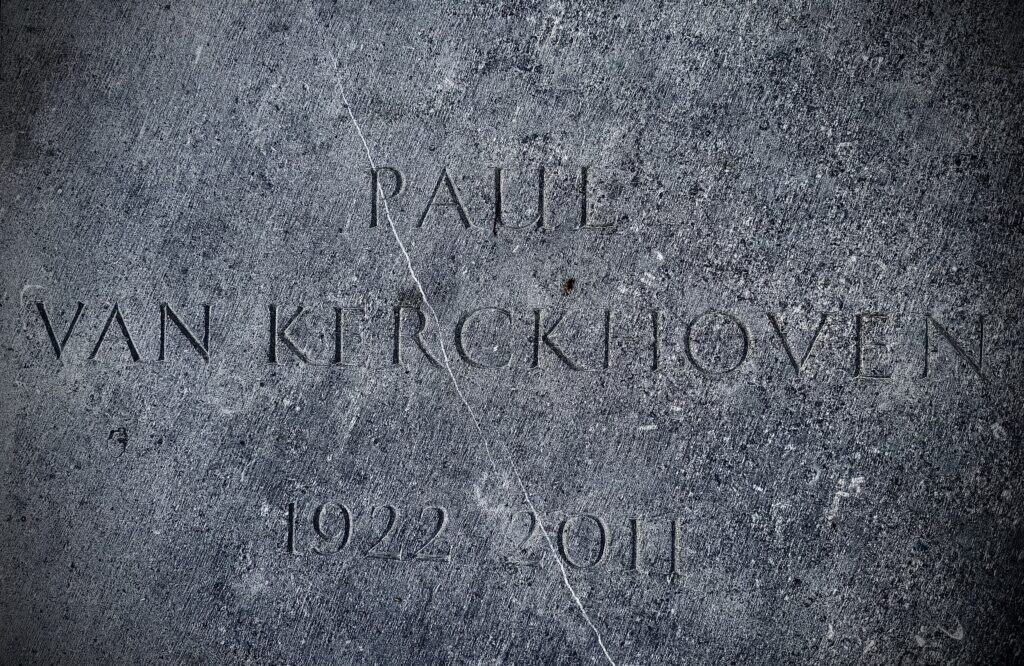
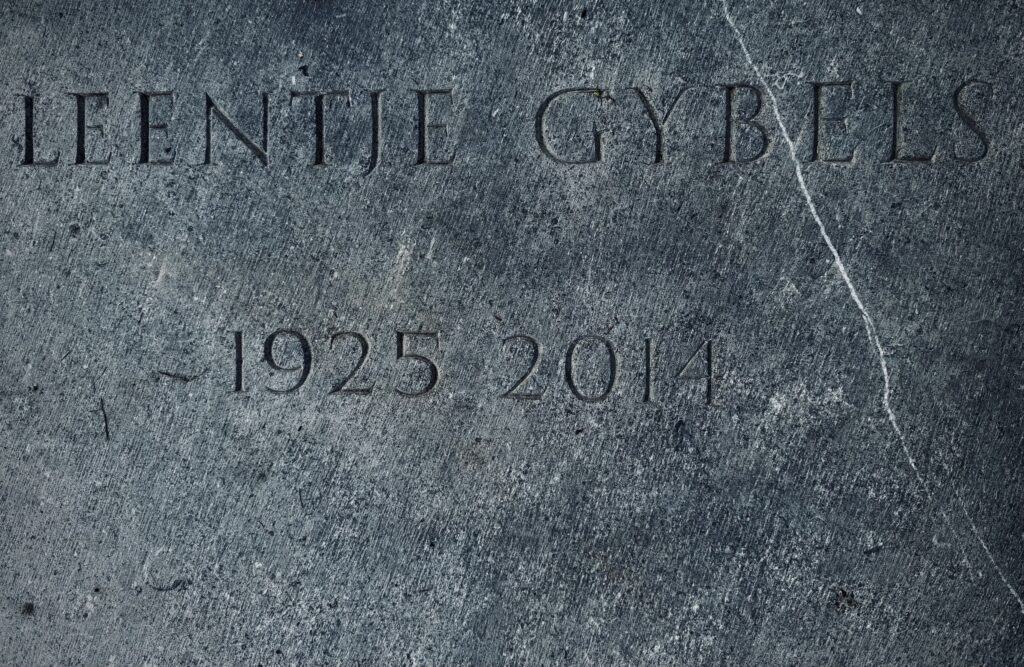
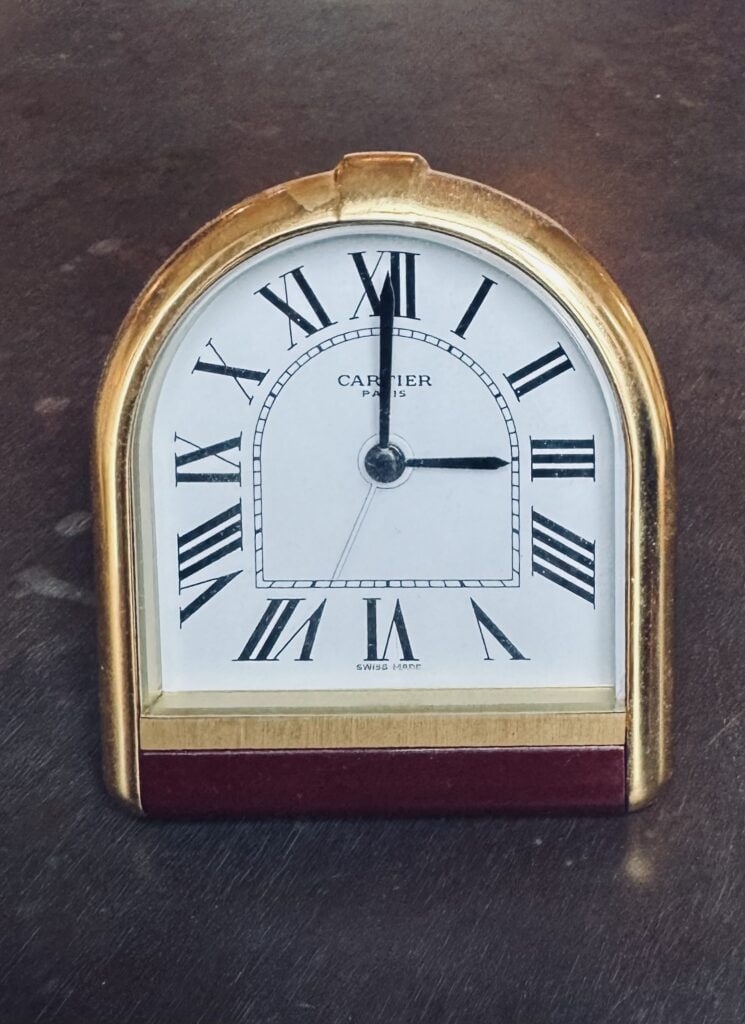
“This is the alarm clock of my godmother Leentje.” – Pieter
“Il faut donner du temps au temps.” – Miguel de Cervantès
VII Brother Jos >>>