Recipe from the bomma of Dr Hans Dehond from Langdorp: Margaretha Kennes. Her nickname was Klein Mesteske (=little mistress).
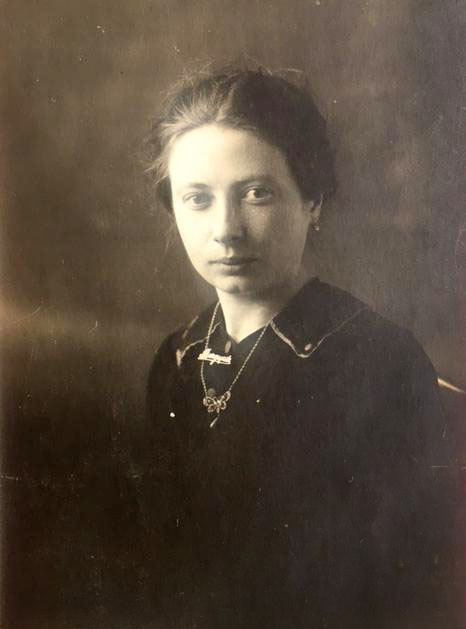
“We visited my maternal grandparents most Sunday afternoons. My mum was one of seven, and on Sunday afternoons the cousins played in the big garden or, if the weather was bad, in the attic or the billiard room and the ‘front’ room (‘de vuigste ploats’). The men played cards and many a pint was drunk. At exactly half past four my grandmother put two big pans on the fire to fry the meatballs. On average 20 to 25 people were present and my grandma counted on 5 meatballs for the grown-ups and 3 to 4 for the little ones: so that was a lot of meatballs!” – Hans Dehond (1950-2021)
Here is the recipe for meatballs with sour cherries for 4 people:
ingredients for 4 to 5 people:
- 250 g minced pork
- 250 g minced veal
- a few shallots
- 2 tablespoons fresh chopped curly parsley
- 4 slices of a square white loaf
- milk
- 2 egg yolks
- breadcrumbs
- pepper and salt
- butter
- a jar of preserved sour cherries or a jar of Liège syrup
- sugar
- cornflour
- Preparation:
- Put 250 g minced pork and 250 g minced veal in a bowl and season with salt and pepper. Check the taste! Sweat 2 finely chopped shallots in a knob of butter until translucent. Do not let them brown! Add this to the mince. Soak 4 slices of white bread (without crusts), cut into cubes, in cold milk. Squeeze out and add to the bowl with the mince. Add 2 tablespoons of finely chopped parsley and 2 egg yolks. Mix everything well and check the taste again. Roll meatballs of about 4 cm in diameter between your two clean, washed hands. If the mixture still sticks too much, add a little breadcrumbs to the bowl and mix everything well again. You have now rolled about 20 balls. Take a pan half filled with water with a teaspoon of salt and half a teaspoon of ground pepper. When the water boils, drop the balls in. As soon as all the meatballs float to the surface, you can pour off the water and let the balls cool before storing them in the fridge or in a cool place. Before use, fry them in ‘good’ butter over a medium heat, turning them regularly so that they brown lightly on all sides. Sour cherries are the traditional accompaniment. It is best to use preserved sour cherries for this. Pour the entire contents of a jar into a small saucepan, but set a little juice aside. Dissolve a few tablespoons of cornflour in this cold juice and, as soon as the cherries are warm, add the dissolved cornflour while stirring gently to thicken. Do not add more than is needed to reach the desired consistency. Serve with fresh wheat bread and butter.
Personally, with these meatballs I prefer a tasty pear or beet syrup from Haspengouw, of the ‘Sirop de Liège’ type.” Grandson Dr Hans Dehond (1950-2021)
recipe No. 2: Le Chapon farci: boiled and roasted in the oven“Chapon farci” is best translated as “stuffed capon”. As you probably know, a capon is a castrated rooster. As a result it grows much larger and its meat nevertheless remains very tender, like that of a hen. You can compare it a little to the castrato singers of the Baroque.
Preparing the ‘farce’ (stuffing)
Cut a thick slice of white bread into large cubes and soak them in cold milk.
Then cut the foie gras (preferably duck) into large cubes and keep in the fridge.
Then finely chop a few shallots and sweat them in the pan with a little butter; do not brown! Add a few whole morels, let them stew along briefly and add a bay leaf, a sprig of thyme, salt, pepper and a splash of Armagnac (or Cognac).
In a large bowl, season the good-quality minced meat with salt and pepper and add the soaked and well squeezed-out bread cubes, a whole egg and about 20 g chopped parsley, as well as the entire contents of the small pan with the shallots, and mix everything well. Then gently fold the chilled foie gras cubes into the stuffing, taking care not to damage the cubes too much. The stuffing is now ready.
P.S.: of course many variations of the stuffing are possible; for instance you can replace the morels with raisins soaked in Port or Armagnac or add other ingredients: pieces of fresh truffle (never preserved flakes or truffle oil and the like… yuck!), chopped chicken livers, boiled chestnuts, chopped mushrooms and so on.
Preparing the capon
Check that the capon is completely empty inside and sprinkle the inside well with salt and pepper. It is best to do this by holding it slanted upright so that you can sprinkle the inside.
Then fill the cavity completely with the stuffing and sew the opening shut with a thick sturdy needle and thread. Fasten with a few firm knots. Then truss the bird well (“brider”). It is best to do this as follows: with a long needle and thread, pass sideways through the ‘knee’ and through the body to the other side and then on through the other ‘knee’. Leave a long end when cutting. Then pull the skin of the neck from the back side to the breast side and pass the needle with another thread through the 2 parts of the folded wing, then prick the needle into the flap of skin of the neck pulled forward and continue through the upper part of the breast, to come out again at the surface with the needle through the neck skin, and then pass through the other wing (both bones). Again leave a longer end when cutting. Now pull the long ends of string on each side towards each other and knot them firmly together.
Now rub the stuffed capon with salt and ground pepper. Pour a little cold stock into a casserole and only then lay the capon in it (this way it will not stick to the bottom when heating). Then top up with stock to about the height of the thighs and wings. It is best to use a vegetable stock or a freshly made chicken stock or even a veal stock. Cover the capon with greaseproof paper, turn on the heat until the stock bubbles very lightly and pour stock over the paper regularly. Cook very gently, barely simmering, for an hour and a half. After that, take the capon out of the casserole and place it on a rack in a preheated oven at 180° for 45 to 60 minutes to obtain a nice crust.
Carve and add a spoonful of stuffing to each piece of meat on the plate.
I myself make a sauce with some cooking liquid, some orange syrup (see my preparation of the tiramisu) and some ‘glace de viande’. Garnish with fresh pitted half-moons of orange or candied orange peel, some garden cress and ‘pommes Parisiennes’ (small potato choux puffs).
as a reminder:
1. orange syrup: scrape the zest of 2 oranges with a special zester and sweat it in a knob of butter; as soon as a few dark browned pieces of zest can be seen, immediately add the juice of the 2 zested oranges and 4 generous tablespoons of sugar and let it boil over a high heat to a thick, runny syrup.
2. potato choux puffs (“pommes Parisiennes”): boil 25 cl (= 1/4 l) water with a pinch of salt and pepper and 100 g butter. Take off the heat and add 150 g flour all at once and mix firmly until a homogeneous dough. Beat in 4 whole eggs one by one, beating firmly until the dough is nicely homogeneous again. Then add 200 g sieved potato (= mashed boiled potatoes). With two teaspoons, deep-fry small heaps of dough in the fryer.
note: for some, Parisian potatoes are simply round potato balls, scooped out, briefly boiled and then fried. In France this is called
‘noisettes Parisiennes’ and the choux puffs described above are ‘pommes
Parisiennes’. Not to be confused either with ‘pommes duchesse’: these are elegantly piped tufts of mashed potato baked in the oven. “Tout va très bien, madame la marquise … tout va très bien!!!”.
Ingredients for 4 people:
- 4 to 5 skinned eels
- fish scraps (= heads, bones, skin; preferably not from salmon)
- 3 shallots
- 100 g butter
- 3 sprigs of thyme
- 3 bay leaves
- about 10 sorrel leaves
- 3 sage leaves
- about 5 peppercorns
- a clove of garlic
- pepper and salt
- a glass of dry vermouth (Noilly Prat)
- dry white wine
- fresh green herbs: chervil (a big handful)
- parsley (a whole bunch)
- 5 sprigs of marjoram
- 8 spinach leaves
- 4 sprigs of fresh tarragon
- 3 sprigs of coriander
- 5 sprigs of lemon balm
- 5 sprigs of nettle (optional)
- a few mint leaves
- 1 lemon
2nd preparation;
- 4 to 5 skinned eels
- 3 shallots
- 100 g butter
- a vegetable bouquet: one large carrot, one large onion, a celery
- a bouquet garni = tied-together parsley, chervil, sorrel, tarragon, basil, marjoram, sage.
- garlic
- pepper and salt
- peppercorns
- dry white wine
- cornflour
1st preparation (classic thick, intensely green sauce)
Clean the skinned eel well along the vertebrae to remove all traces of blood. You can do this easily under a thin stream of running water while scraping off all traces of blood with your thumbnail. Then, with scissors, cut off the piece of tail fin and snip off all the small dorsal fins along the back, preferably working against the grain. Optionally cut off the head and the last piece of tail.
Then cut the eel into pieces of about 7 cm.
Chop a few shallots very finely and sweat them lightly in a large pan. When they are translucent, spread the pieces of eel over the pan and season with pepper and salt.
Then add the seasoning: thyme, bay, a few sorrel leaves, a sage leaf, a few peppercorns and a clove of garlic. Let everything stew briefly and then moisten with a small glass of dry vermouth (type Noilly Prat or a Martini dry).
Then add white wine until the pieces of eel are almost submerged. Then briefly bring to cooking temperature and cover the surface with a sheet of baking paper so that all the flavours stay in the pot. Then put the pan in the oven for 20 minutes.
Meanwhile wash all the green herbs carefully and remove hard stalks or ribs: fresh tarragon, chervil, a few sprigs of coriander, a couple of bunches of curly parsley, a few sprigs of sage, a few sprigs of marjoram, lemon balm and about 8 spinach leaves with the largest ribs removed. Throw all this into boiling water and blanch for one minute. Then remove the blanched herbs with a slotted spoon and put them in a large bowl of iced water. Through this “shocking” the herbs stay nicely green.
Drain the cooled, blanched herbs, then squeeze them out a little and put them in a mixer-blender. Meanwhile the eel is done. Check that the eel meat comes away well from the bone. Take the pan out of the oven and use a slotted spoon to take out all the pieces of eel and set them aside. Also remove the bay leaves, the sorrel (which has turned brown in the meantime), the sprigs of thyme, the sage and the garlic clove. Now pour all the liquid into the mixer-blender, add also a few sorrel leaves cut into pieces, about 5 mint leaves and a few basil leaves and blend everything into a green sauce. Now pour the sauce into a pan, add the juice of half or a whole lemon (taste!), check the salt and pepper and add if necessary.
(Normally the sauce has a perfect consistency in this preparation. If you would still like it a little firmer, you can always thicken it with cornflour). Now bring the sauce to the boil, but as soon as it starts to boil take it off the heat immediately and add the pieces of eel. Do not let it cook any longer so that the sauce stays nicely green. If you do not want to eat the eel immediately, wait to bring the sauce to cooking temperature and to add the eel until the moment of serving.
Serve in a deep plate with fresh chips or sourdough bread, optionally with a small salad of a mix of herbs with a vinaigrette of olive oil, lemon, pepper and salt.
Preparation 2. (i.e. a lighter and less intensely green sauce; extremely suitable to eat cold as well)
Chop a few shallots very finely and sweat them in butter in a wide frying pan until translucent without letting them brown, then add the pieces of eel (about 7 cm) and let them stew for a few minutes in the pan. Then take them out of the pan, set them aside and also keep the contents of the pan.
Eel in green sauce by grandson Dr Hans Dehondt (+2021)
Make a stock of vegetables and herbs (optionally also with fish scraps):
In a large pan bring 2 litres of water to the boil (this for 4 to 5 eels; for 8 eels one litre of water more) with a thick carrot, a celery, an onion, a few bay leaves, a couple of sprigs of thyme, parsley, a piece of fresh fennel (or seeds), some tarragon (fresh or dried), lemon balm, nettle (optional), dill, and fresh or dried marjoram, a couple of unpeeled cloves of garlic, a few sprigs of fresh basil (or dried), a few sage leaves, a few peppercorns (5 to 10) and a level tablespoon of salt. Bring all this to the boil, then optionally add fish scraps (bones and heads) and let it steep for another 20 minutes or so over a very low heat. Take off the heat and add half a bottle of dry white wine and strain the stock (= ‘fish fumet’). Bring the fumet back to the boil and then turn the heat low again to keep it at temperature.
Now add the pieces of stewed eel and let them steep for about 15 minutes in the hot stock. Check whether the eel is done: if the meat comes away from the bone, it is just right
(if not, let it steep a few minutes longer). Take care not to overcook it, otherwise the eel meat will be too flat; so check in good time! Now take the pieces of eel out of the stock and set aside. Chop a few sprigs of fresh curly parsley very finely, and do the same with fresh chervil and a few sorrel leaves. Season the stock with pepper and salt and lemon juice (taste!), add a little dried marjoram and the contents of the frying pan (shallots in the butter) and thicken with cornflour. Add the finely chopped herbs and take off the heat immediately. Do not cook any further, otherwise the herbs will not stay nicely green. Now add the pieces of eel again.
This preparation is less intense and less thick green and is also very tasty as a cold dish with fresh buttered slices of rye bread!