<< IX Husbands are so time-consuming
“Do your best, because God hasn’t done the rest for a long time” – Koen Geens

“In my day, the professor-priests rode around Aarschot on bicycles to check that the students weren’t sitting in cafes. Now the teachers themselves sit in cafes. Or even worse, they run a cafe themselves.” – Godfried

Fourth Latin class at the Sint-Jozefscollege in Aarschot (1945-1946)
Godfried, a naughty but charismatic boy growing up in Aarschot, nicknamed ‘Frie’, goes to school at the Sint-Jozefscollege, but is not really a good pupil. Frie is known for his pranks and jokes. He does not keep to agreements but has a heart of gold. Neither his parents, nor his priest-teachers, nor seven sugar aunts can get a grip on his boyish pranks.
“Bloaters! Like bacon, white inside and black outside!”

Justina Matthijs ‘Stiene Fouche’ (1878-1959) She married Theodorus Leemans (1881-1919) in 1904. The boy on the left of the picture is Fransiscus Leemans (1904-1968). The girl sitting on the far right died at the age of 12.
The neighbour “Stiene Fouche” sets up her fish stall on the triangular square opposite the parental home. Without pause she drones: “Bloaters! Like bacon, white inside and black outside!” The teenager Frie: “I can’t stand hearing Stiene Fouche any more. I. Can’t. Stand. Hearing. Her.” He plants himself in front of her stall and screams: “You fat fishwife! Your fish is black inside and rotten outside!” Stiene Fouche tries to chase Frie to give him a good thrashing. Tineke and Arthur witness the incident with shame and are at their wits’ end. This time their youngest son has gone too far. It is decided to send him to a strict boarding school.
A conversation about Stiene Fouche with her granddaughter Justine Leemans and great-granddaughter Suzy Van Meensel. (recording: Aarschot, 2021)
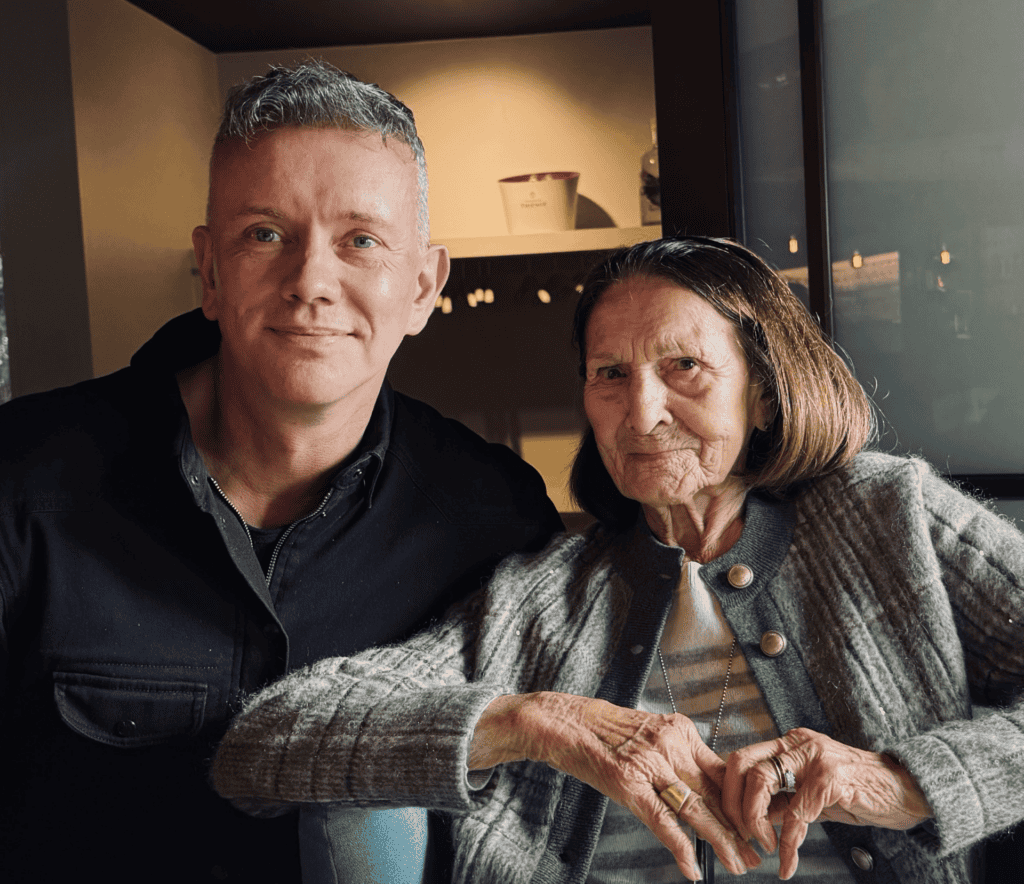
Justine Leemans and Pieter (Aarschot, 2026)
“ L’oubli est un puissant instrument d’adaptation à la réalité parce qu’il détruit peu à peu en nous le passé survivant qui est en constante contradiction avec elle. ” – Marcel Proust
Listen to Mia again (recording 2026)

The abbey school in Brasschaat, where they quickly brought Godfried back down to earth.
Godfried’s antics: they do not laugh about them at the Sint-Michielscollege, founded in 1931 by the Norbertine fathers of Averbode. The elitist college in Brasschaat where, besides CEOs and doctors, lawyers too spend their young days in the spirit of the Norbertines: discipline and hard work. Arthur and Tineke applaud the fact that they apply the rules consistently. As a dedicated student of Latin-Greek, Godfried comes into contact with the foundations of our civilisation. He gets to know inspired poets, interesting philosophers and critical historians. Godfried knows many Latin and Greek sayings and wisdoms by heart. He always has a little notebook in his pocket in which he notes down sayings.

Rhetoric Latin-Greek at the Sint-Michielscollege in Brasschaat
It is 1949. Godfried obtains his secondary school diploma and goes to enrol in Commercial Sciences at KU Leuven. It is his parents’ wish that he continue the fabric shop. But when Frie thinks that there is little to choose without his aunts, he is completely right. The aunts interfere there too. Frie is waylaid at the enrolment desk and has to go for law.

In this corner house on the Oude Markt in Leuven, which leads via the Lavorenberg into the Parijsstraat, Frie lodges with his aunts. It is mainly medical students who stay there in spacious, well-kept rooms. Christmas and New Year are celebrated among life-size nativity figures. The aunts play creamy Belle Époque melodies on a Pleyel piano. Margaretha plays ‘Prière d’une vierge’.

Margaretha, one of Godfried’s seven sugar aunts, has a positive influence on his studies at KU Leuven that should not be underestimated. She determines and limits his student life: going to lectures, cramming and praying is the unchanging message. “Being strict is also a form of love.”
“ L’homme, plus il étudie, plus il devient humble, car à mesure qu’il apprend, il découvre l’immensité de son ignorance. ” – Aristotle
This is what Mia Jamar’s school days look like!

Mia sits at the back, to the right of the sister, in the nursery school of Meulenberg-Houthalen.

“ Après le pain, l’éducation est le premier besoin d’un peuple. ” – G. Danton (1759-1794)

Mia is raised in Dutch at home and from the age of eleven goes to the Brussels boarding school ‘les Dames de Marie’, where she learns French. Mia also speaks quite a bit of German and English and is allowed home for a weekend every three weeks. “The pupils of the Institut des Dames de Marie are destined to be good wives: they learn household tasks, to study art and music. The pupils are made up of the daughters of the bourgeoisie or the aristocracy.” An anecdote told by Mia: “On a Friday evening I could not get home any more because I had spent all my pocket money on a pair of shoes in the Naamsestraat. Hesitantly I explained my predicament to the ticket clerk at Brussels-North. The kindly gentleman got me a free train ticket. The following week I gave the ticket clerk an envelope with the fare, a thank-you card and a box of Corps-Diplomatique cigars.” – Mia
At the age of 20 Mia obtains her diploma as executive secretary at the Institut Saint-Jean. Mia loves modern and light classical music, and yodelling. Piano above all plays an important role in the family. At every party Mia plays the piano and yodels.

Portrait of Erasmus 1528 – Hans Holbein the Younger (1497-1543)
“ C’est bien la pire folie que de vouloir être sage dans un monde de fous. ” – Erasmus
Getting to know Pieter’s school days
“No top marks, all along the line. An empty head.” – Mia “Make sure you can add and subtract well. That’s the most important thing” – Frie to Pieter

“Our Pieter had to tick off the mums’ daily tasks on pictures: cleaning, cooking, washing, going to the market, plants. He pointed out that his mum only goes shopping in Brussels. She earns a lot of money because our drawers are full of money. I had to come to the nursery school to explain it.” – Mia It is Anna who mostly takes the children to school and picks them up. At Easter the toddlers are given the task of bringing a plastic tub of Planta butter. Ventilation holes are cut into it. The children take a coloured chick home with them. They all die quickly from the paint on their feathers. Can Pieter finish his studies at nursery school? “Looks good”
Westende, the pearl of the coast

En vacances avec l’association ‘Au petit Lorain’? Trouvez ci-dessous la colonie de vacances sur la côte qui convient à votre enfant.
(around 1974) Ilse and Pieter are sent for a month to a holiday camp in Middelkerke-Westende, in the villa Chanteclair, ‘Au petit Lorrain’. Madame Allard de Bihl runs the institution to teach children French and discipline. She is the widow of a French Jew and had emigrated in 1948 from Lorraine (La Lorraine) to Middelkerke because of her asthmatic son, hence the name ‘Au petit Lorrain’. Madame Allard is an elderly, distinguished lady who speaks only French. Ilse is already in the first grade and is allowed to sit at the table with the older children. Pieter, who is still in nursery school, takes a seat at a table with children’s chairs among the other toddlers. For both it becomes a traumatising experience. Pieter is beaten a lot there. He runs away, is caught and gets a serious beating for it. “A supervisor always put me in a far too hot bath. I screamed and hit the supervisor, who had a Mireille Mathieu hairstyle. Then she beat me in the bath. She turned the shower head with even more hot water on me. Every evening it was a fight with that supervisor. Then I was handed over to an older leader who comforted me, stroked and cuddled me all over to calm me down. He would finally put me in my bed.” – Pieter “We got bread and butter and jam the whole time, and I don’t like butter and I had to eat it like that. For the rest it was horror, everything was terrible. I can still remember the smell of the place. It is a very serious life trauma. Why bring that up again?” – Ilse

“I have always felt different, but could never put my finger on what it was. Why I did not keep up at school. Had trouble making friends.” – Pieter
For an essay in primary school Pieter lets his father choose the title. It becomes “The murder in the table drawer” and Pieter gets 8/10.
Pieter spends the sixth school year as a boarder with the Jesuits in Turnhout. “We wrote with a fountain pen and royal blue ink but I put purple ink in it, and for that the teacher deducted a point for every task and test.” – Pieter After a year with the Jesuits Pieter returns to Aarschot.
“ Il n’y a pas de réussite facile ni d’échecs définitifs. ” – Marcel Proust

notaries became victims of the guillotine (1793-1794)
At the college, in history class, it is taught with jubilation that the French royal family and its entourage, to which notaries belonged, passed under the guillotine. In religion class Pieter is asked to read out a text stating that it is unfair that a notary earns so much more than a cleaning lady. Pieter withdraws more and more from school life and tries to educate himself a little. In the library of Aarschot he comes across the tsars, who in the end were fated the same lot as the French crown bearers. Even so, Russia will continue to fascinate Pieter.
“ When there is revolution again, they will come for me first. ” – Frie

Alfons Van Hool (1929-2013), Mia, Irène Valkeniers
Frie prides himself on having been at boarding school with Fons Van Hool from the bus village, Koningshooikt. In 1947 Fons was taken out of class to assist the patriarch Bernard (1902-1974), an inventive coachbuilder of buses and commercial transport. Fons helped his father’s company evolve from a small coachbuilder into a fully fledged, innovative bus manufacturer with enormous growth. The beginning of an international success story.
Godfried sponsors Pieter’s dream of a truck and coach driving licence. “Then go quickly drive a lorry in Iraq, where the cannonballs fly.” – Frie His first and last tour takes carefree coach driver Pieter to Paris with Chinese tourists. “Pieter, you don’t look and don’t behave like a busdriver…” In the evening the Chinese tourists and Pieter arrange to enjoy the City of Light by coach without the guide. On returning home Pieter has to hand in the ignition key for good. Mia sends Pieter to the Van Hool factory to show brand-new coaches to foreign customers. Van Hool shows Pieter around his production plant but decides that Pieter would do better in the creative sector. Frie repeats not to give up, that being a brilliant student is no guarantee of a top career. The present upper class were often mediocre students.

“ You would have done better to study when you had to go to school. What are you going to do now. ” – Mia

After a two-year course in Russian, Pieter works for a few months at the Hermitage in St Petersburg. (2015)

Please don’t send me back to the wolves but feed me to the bears. (photo: St Petersburg, 2015)

‘New symbollism’ – Innocent Dreams of a red settee – a few scenes from the life of Minotaur – Anastasia Neliubina – St. Petersburg (1997)
(2014-2016) Pieter stays for a month and a half at Anastasia’s home in St Petersburg. Every day the artist lies stretched out on her red chaise longue, so focused on goals that, according to her, they are achieved without batting an eyelid. The artist urges Pieter to embrace the noble art of doing nothing.

Anastasia is the daughter of Fjodor Fjodorowitsch Neljubin (Фёдор Фёдорович Нелюбин, 1931–2015). He was a well-known Soviet graphic artist, caricaturist and poster artist who lived and worked in Leningrad (today St Petersburg). Neljubin was among the most active draughtsmen of the famous Leningrad artists’ collective “Bojewoi Karandasch” (Боевой карандаш – translated “The Fighting Pencil” or “The Militant Pencil”). This association was known for its biting political satire and propaganda.
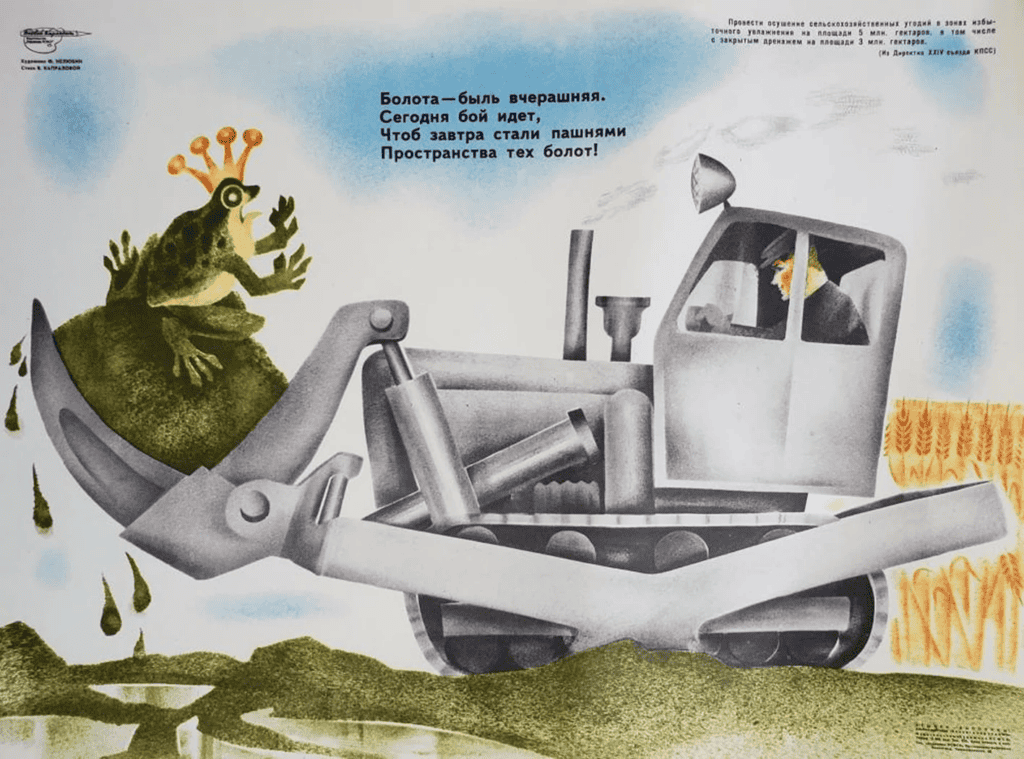
Over the course of his life Neljubin created around 500 posters. His works can essentially be divided into two categories:
Anti-American and anti-Western propaganda: During the Cold War he drew numerous satirical posters against the USA, NATO and Western imperialism. Frequent motifs were criticism of American armaments policy (e.g. the “Star Wars” programme), the depiction of US soldiers as a threat to world peace, or the mocking of Western-backed dictators (such as Augusto Pinochet).
Anastasia Neliubina takes Pieter several times to the apartment and studio where her father lived. She explains that thanks to her father’s position she enjoyed a privileged life during the communist regime. Anastasia gives Pieter an authentic poster as a gift. Pieter then gives it to his nephew William.
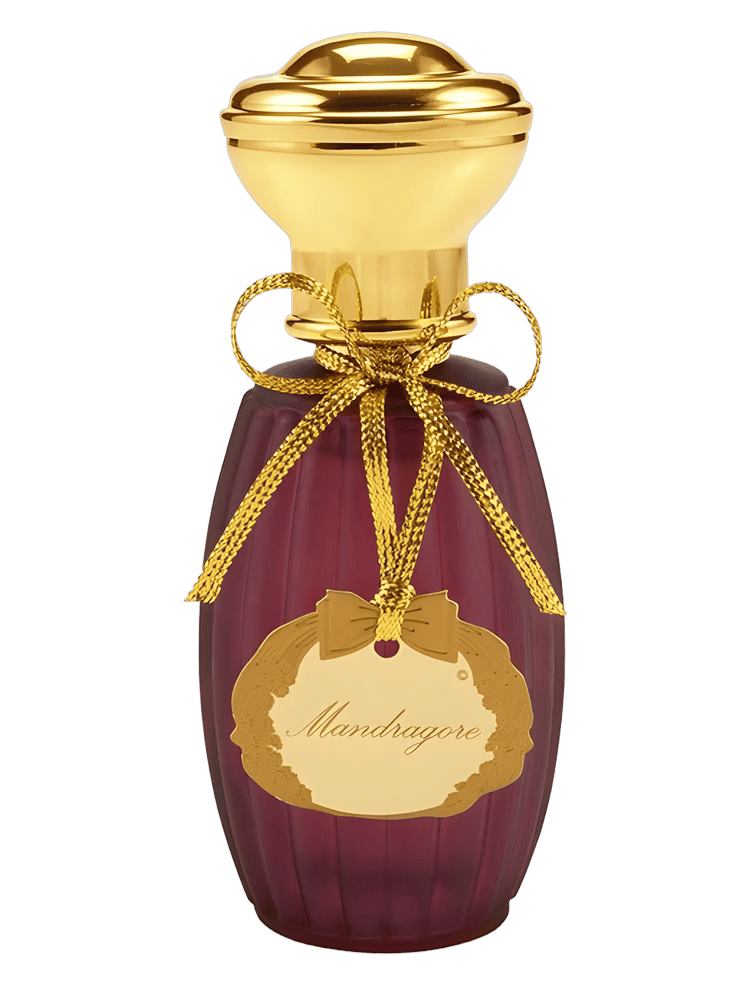
(2015) To make sure of a good reception at Anastasia’s in St Petersburg, Pieter sends her an e-mail before his arrival asking which perfume she prefers.
Anastasia prefers Mandragore by Annick Goethal and explains: “The legend of the mandrake links the plant directly to executed men and their last ejaculation, and was the inspiration for Annick Gouthal’s perfume. The mandrake is a plant with a thick, forked root that often strikingly resembles a human figure. According to medieval folklore, the mandrake could only grow in specific, macabre places, such as directly beneath the gallows. It was believed that when a criminal was hanged, the breaking of the neck vertebrae caused a reflex erection and subsequent ejaculation at the moment of death.”
(1980s) Godfried and Mia are very worried about Pieter because during his secondary school he has to repeat the third year and again the fifth. He never gets into an argument over it. His parents encourage him not to give up, that he must in any case obtain his secondary school diploma. Mia says each time that he has the best memory of her three children. She does not understand why it goes so laboriously at school. Pieter gets private lessons at home in mathematics, physics, Dutch and English. One of the private teachers is the well-known Aarschot native His Excellency Gunnar Riebs.
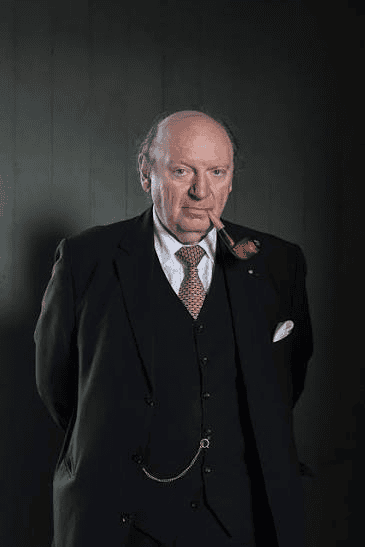
Mr Riebs teaches Pieter a beautiful handwriting and to take an interest in literature.
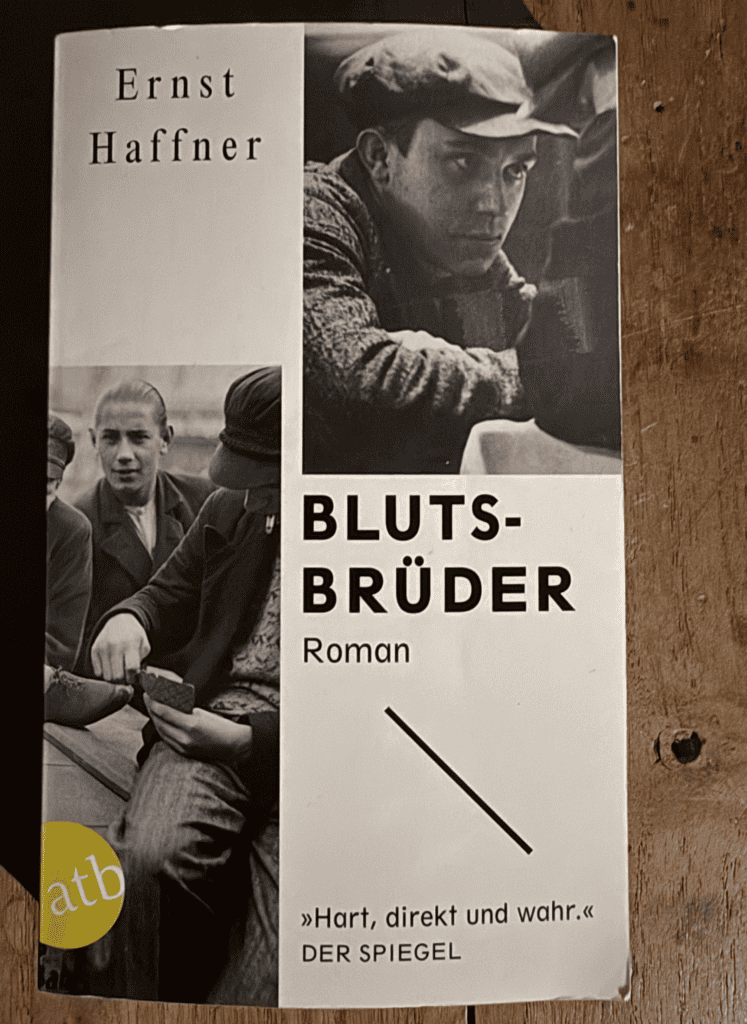
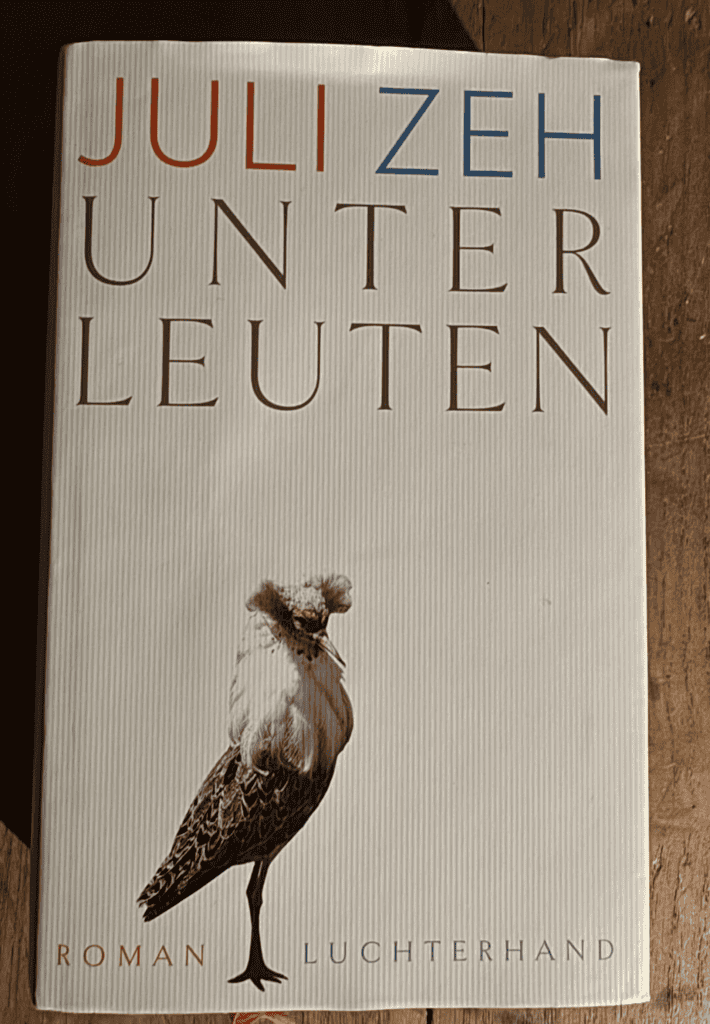
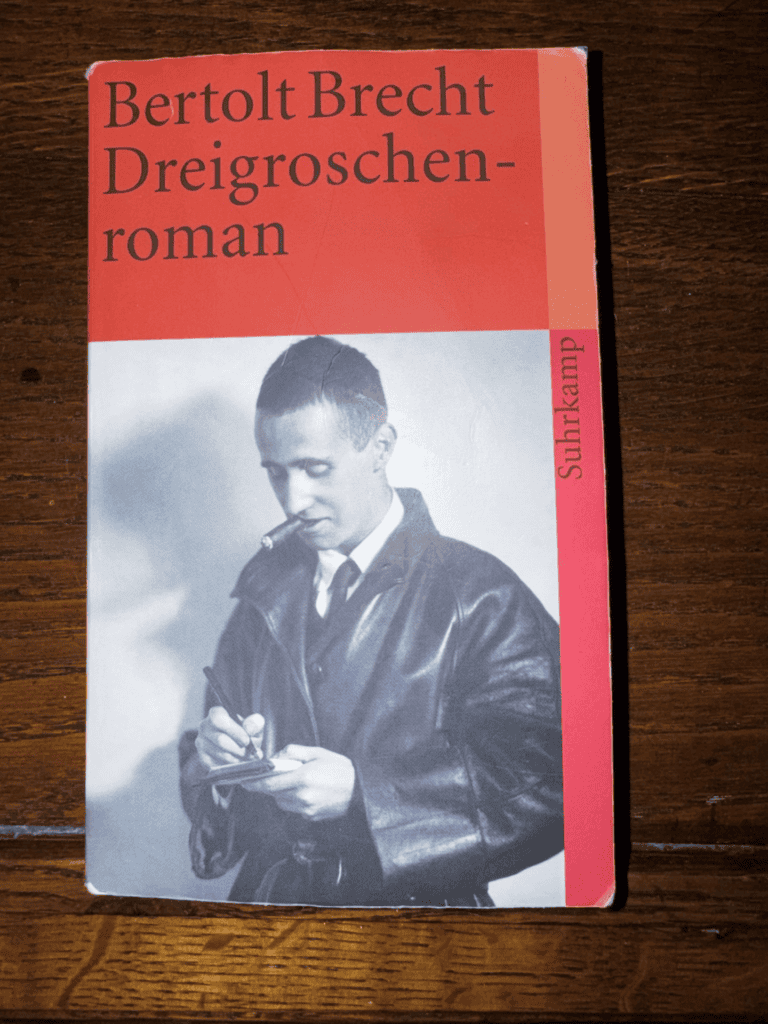
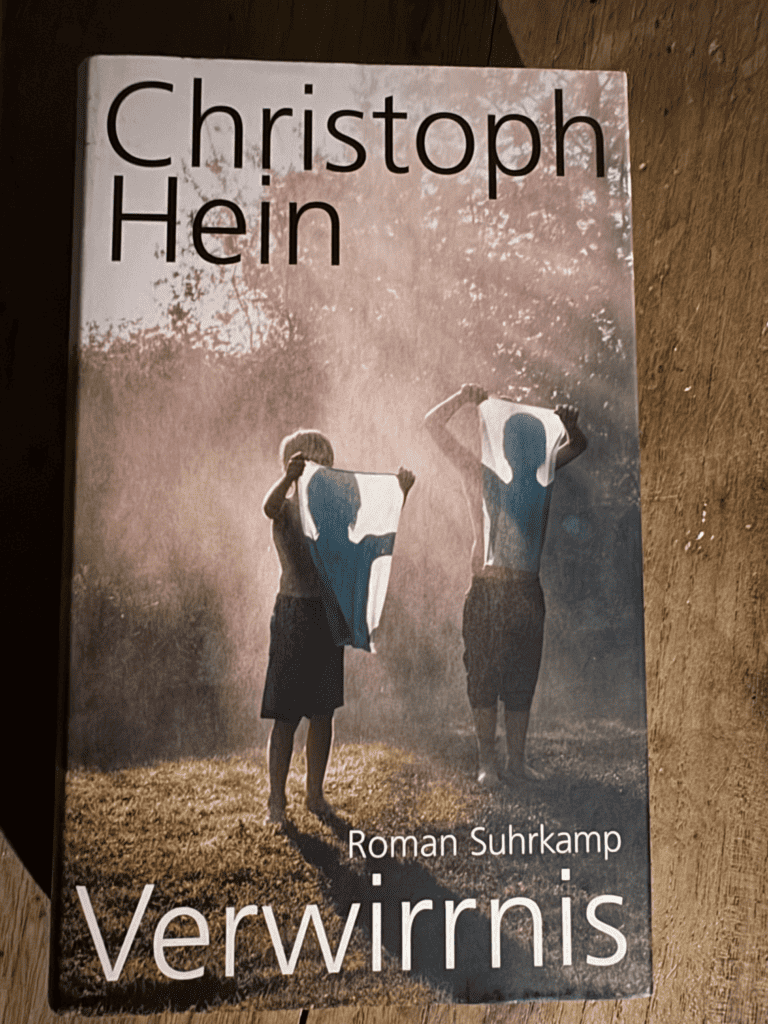
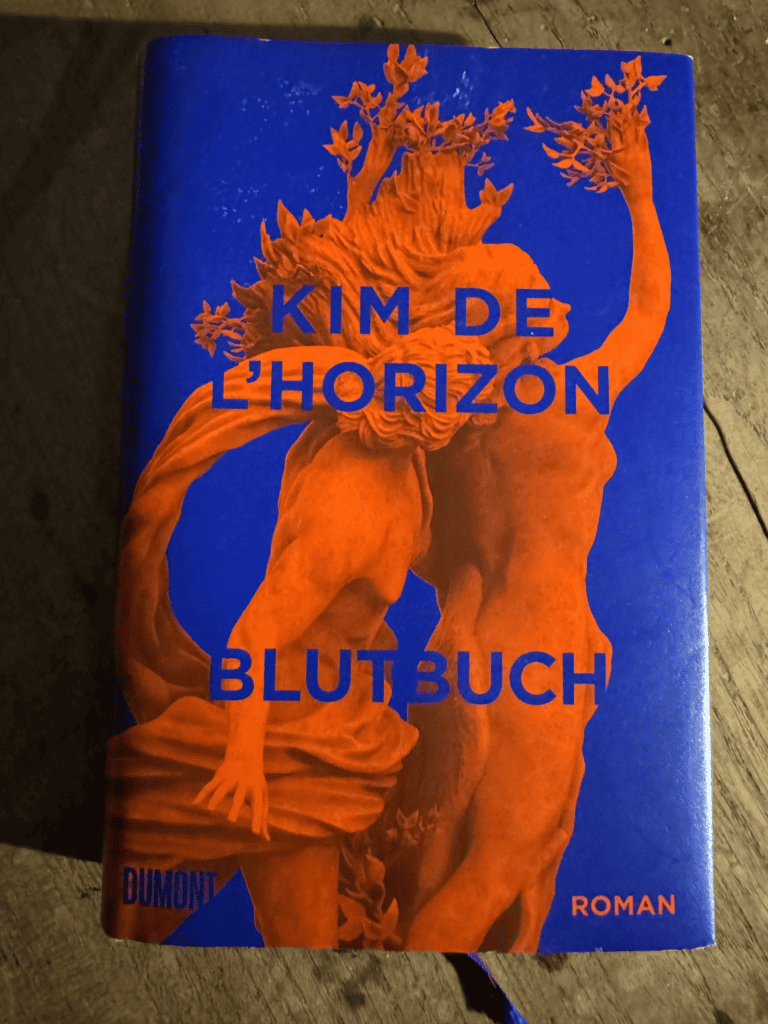
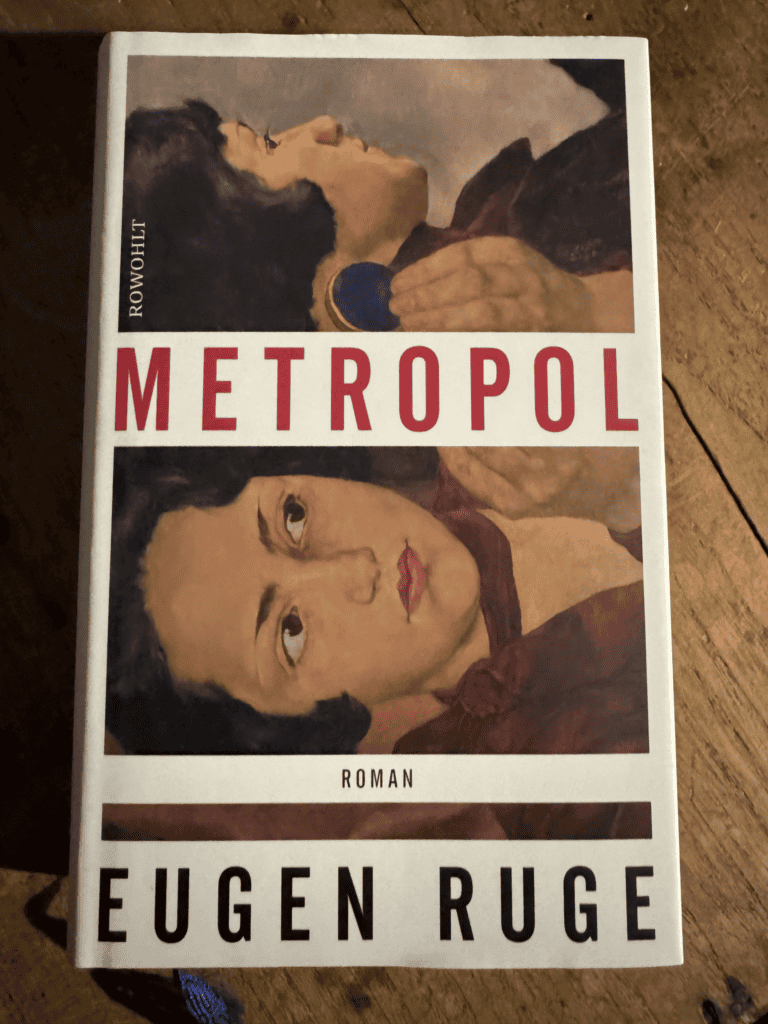
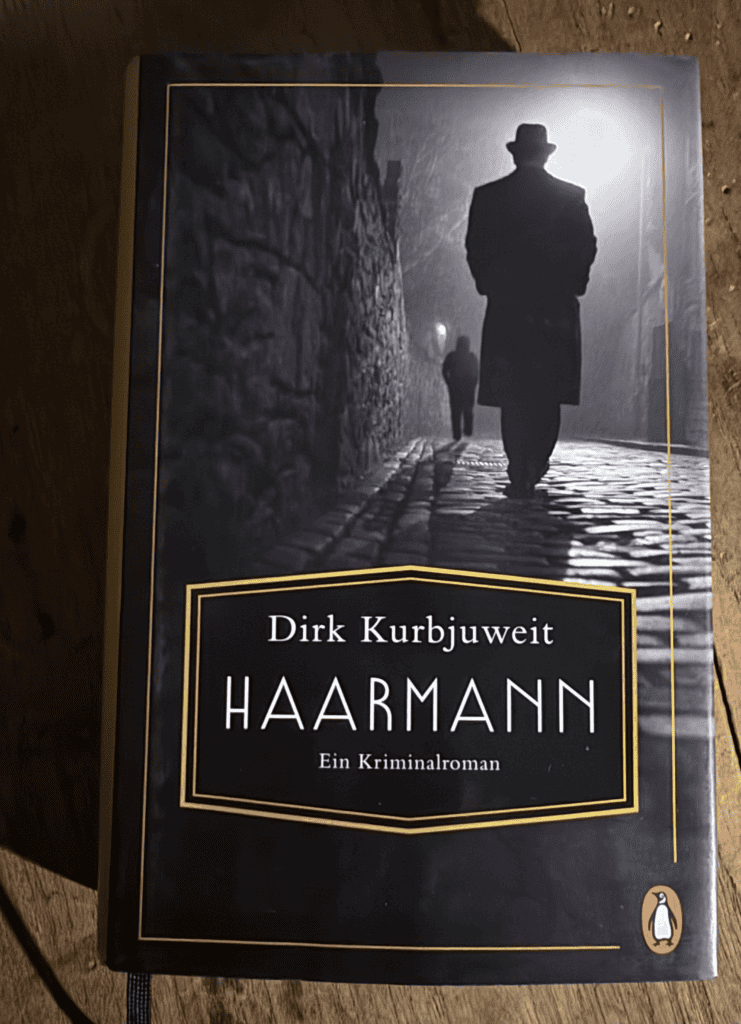
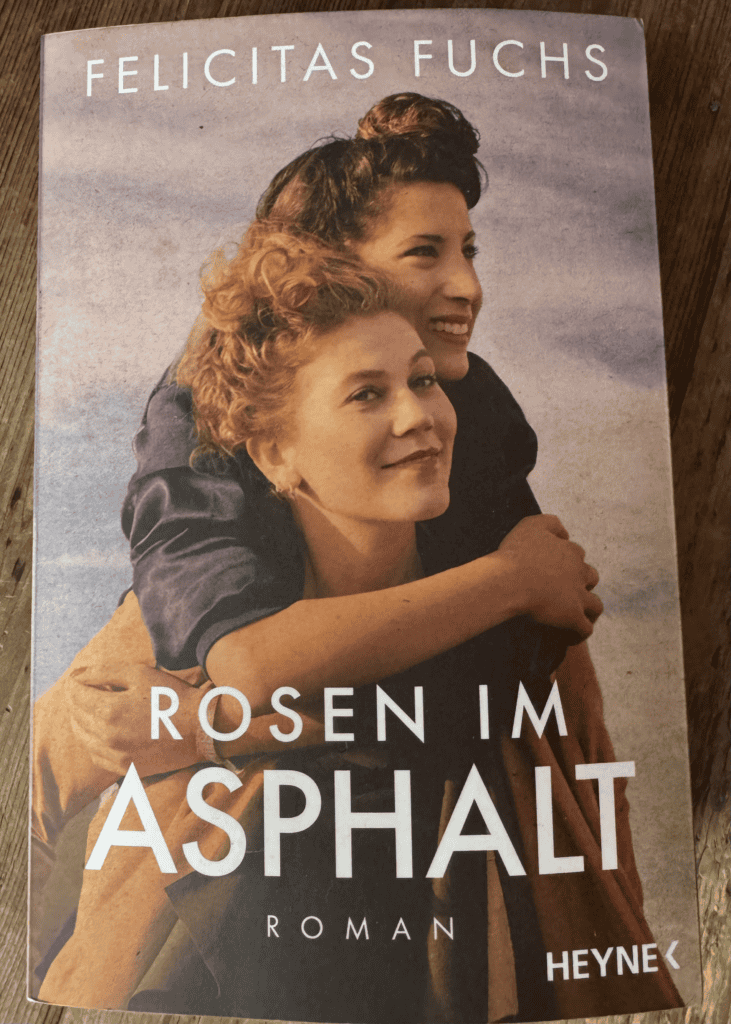
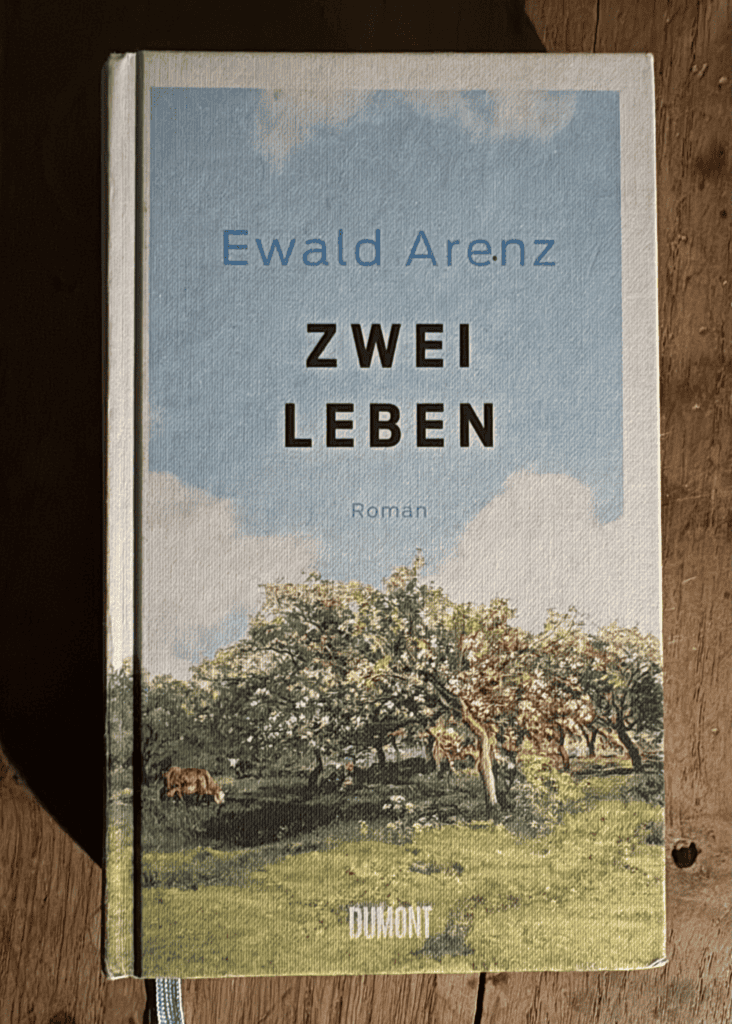
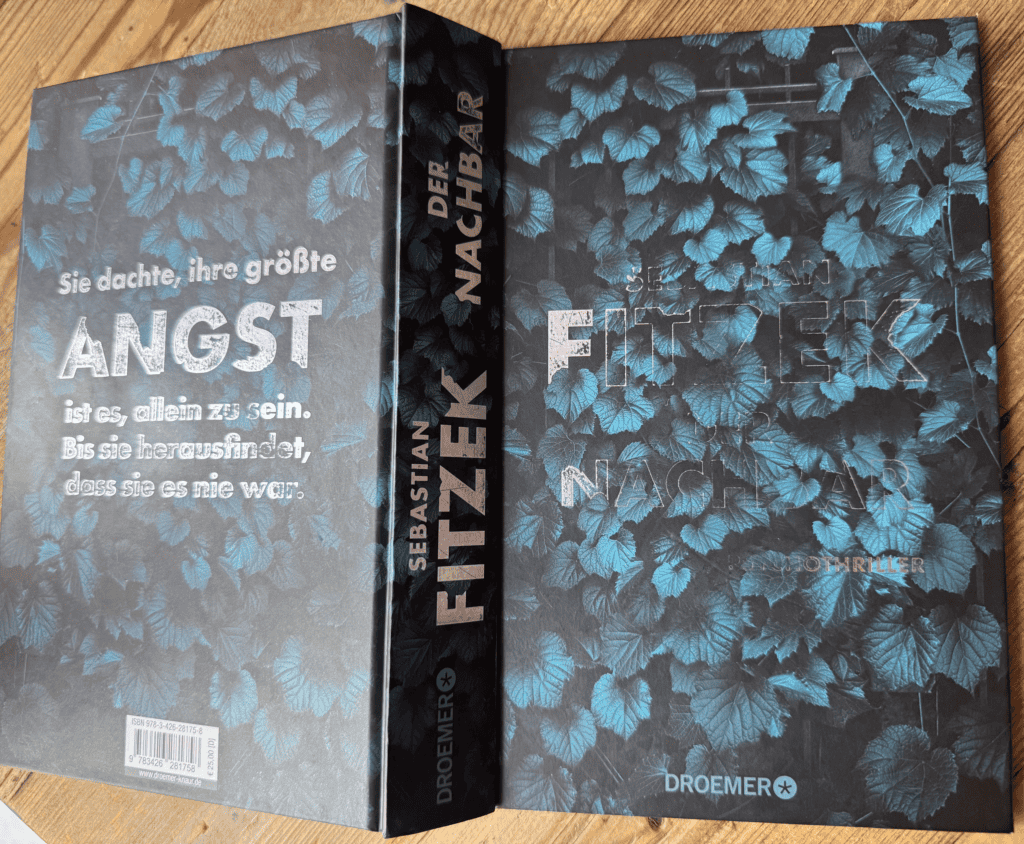
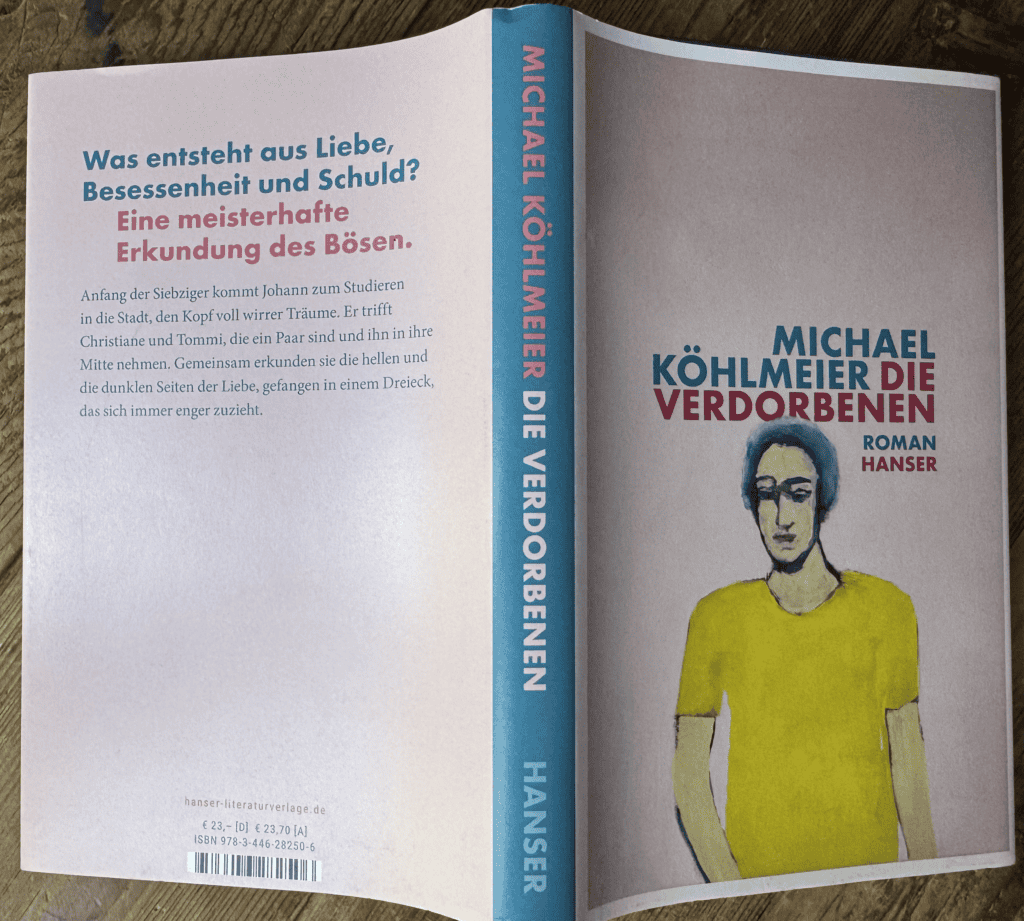
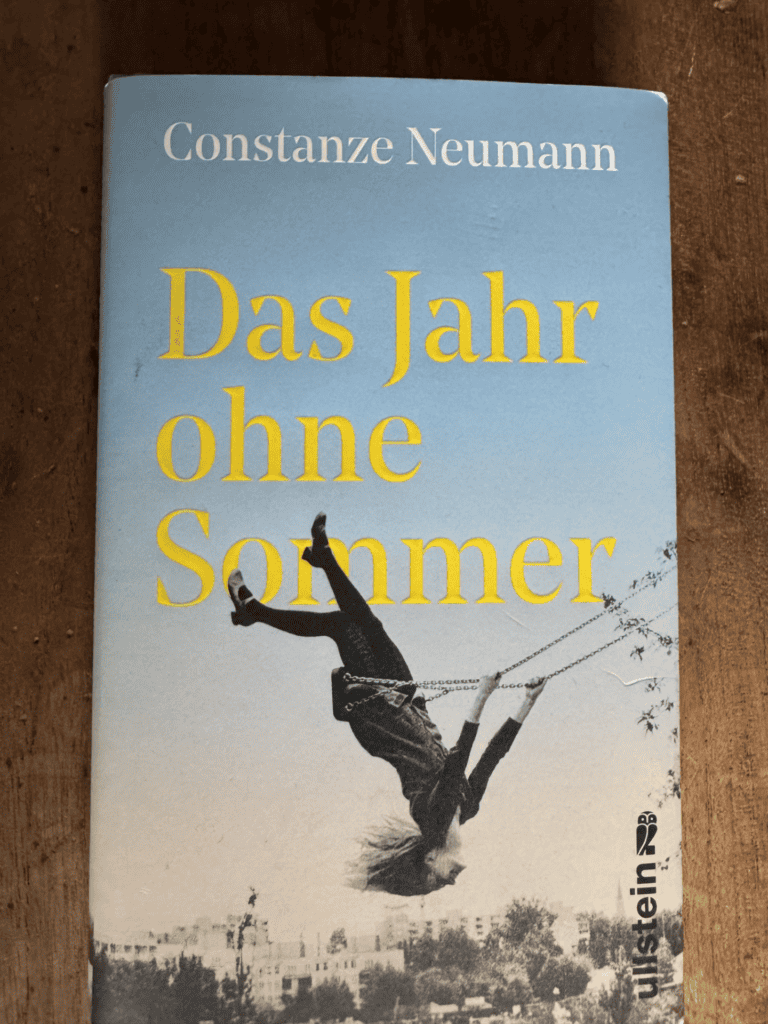
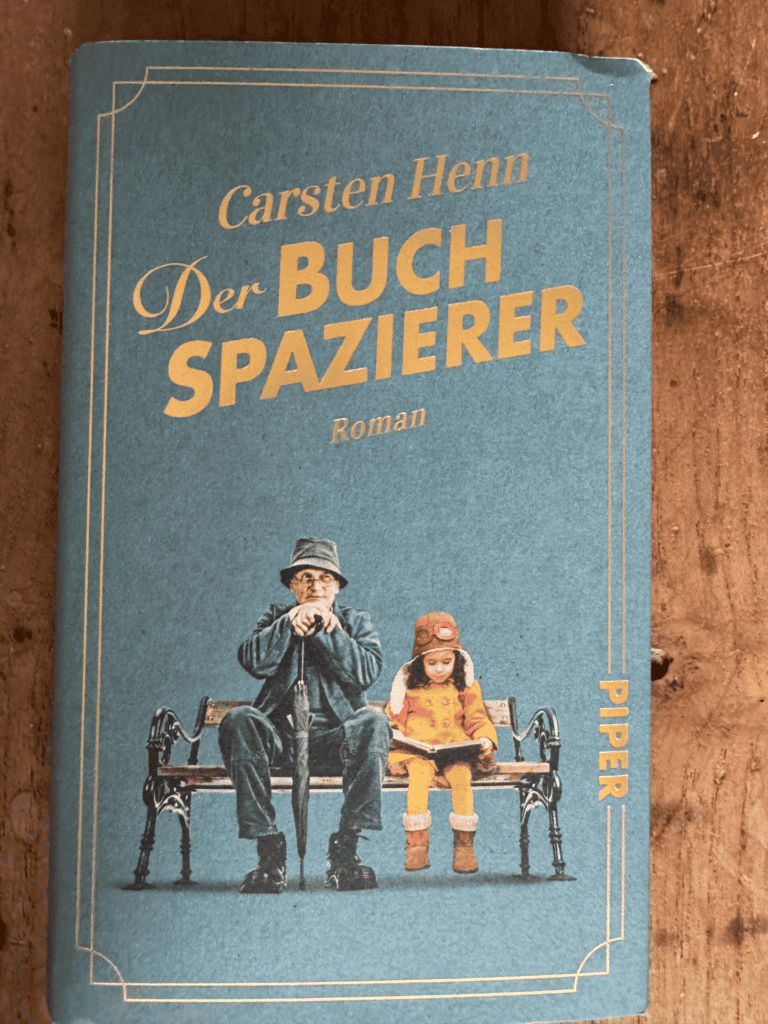
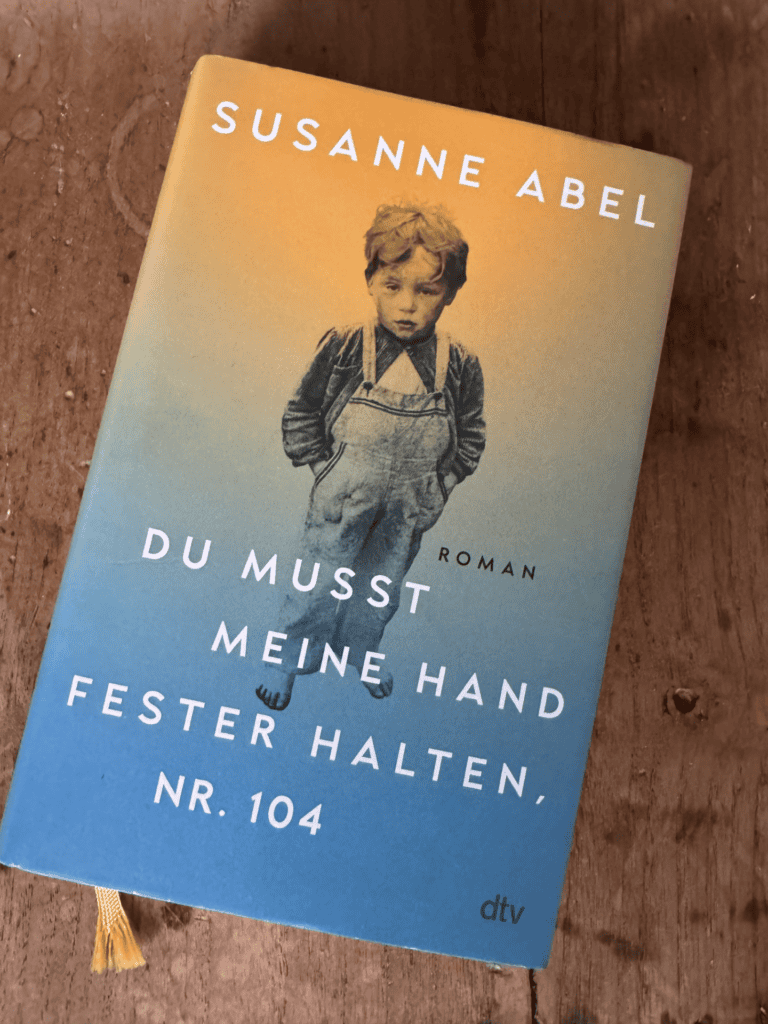
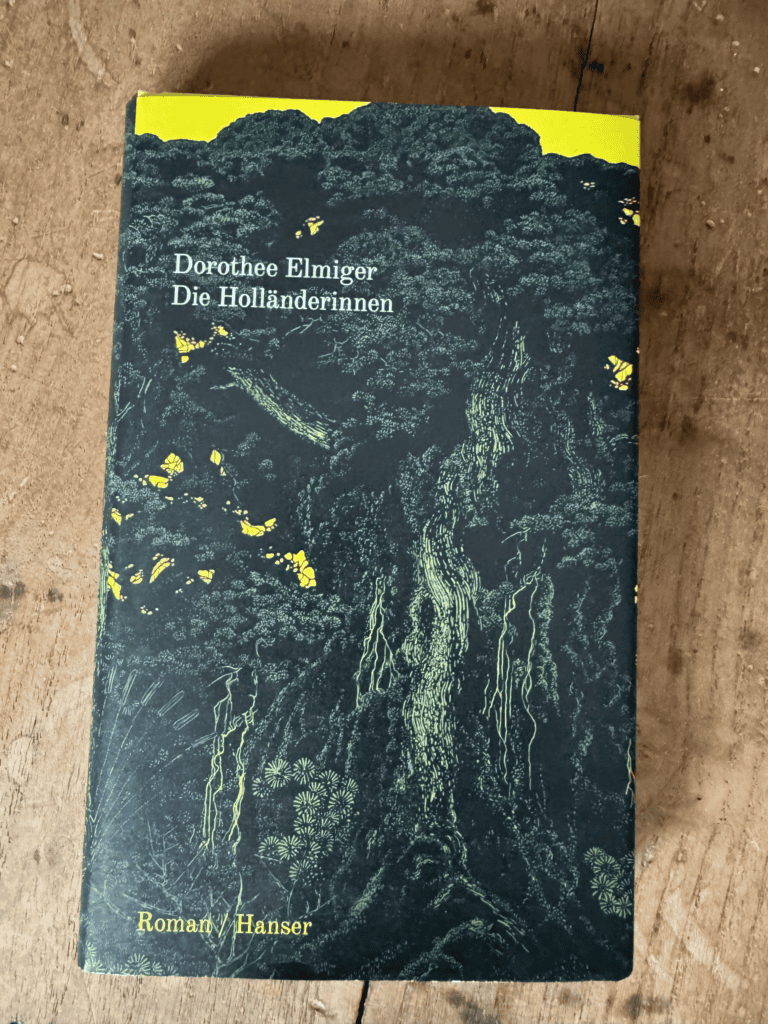
Why does he put pictures of German-language books here?
“Now someone is saying that he seriously reads only German books. You have to believe it… . I do not understand that lad at all. Who would have taught him that?”
(from 2011) In the hotel of Pieter’s partner in Paris, German-speaking guests regularly stay, with whom he likes to chat. His knowledge of German is based on school knowledge, Godfried’s Lions friends from Aachen and the Viennese nanny Rössli. A hotel guest urges Pieter to enrol at the Goethe-Institut. There he obtains the C2-level certificate after a year. The female professor who runs ‘La librairie Allemande’ sells Pieter thin booklets, with the French version printed on the left-hand page. Books without the help of the translation follow, and she also has Pieter buy the audiobook (Hörbuch). Finally art historian Josée Lehon recommends reading along aloud. That way you get distracted less quickly and improve your pronunciation. Since 2017 Pieter also lives in Hamburg, where, searching for a book, he gets advice in small quality bookshops. Apart from the ‘Hörbücher’ he never buys books online. Godfried would be proud, Pieter hopes.
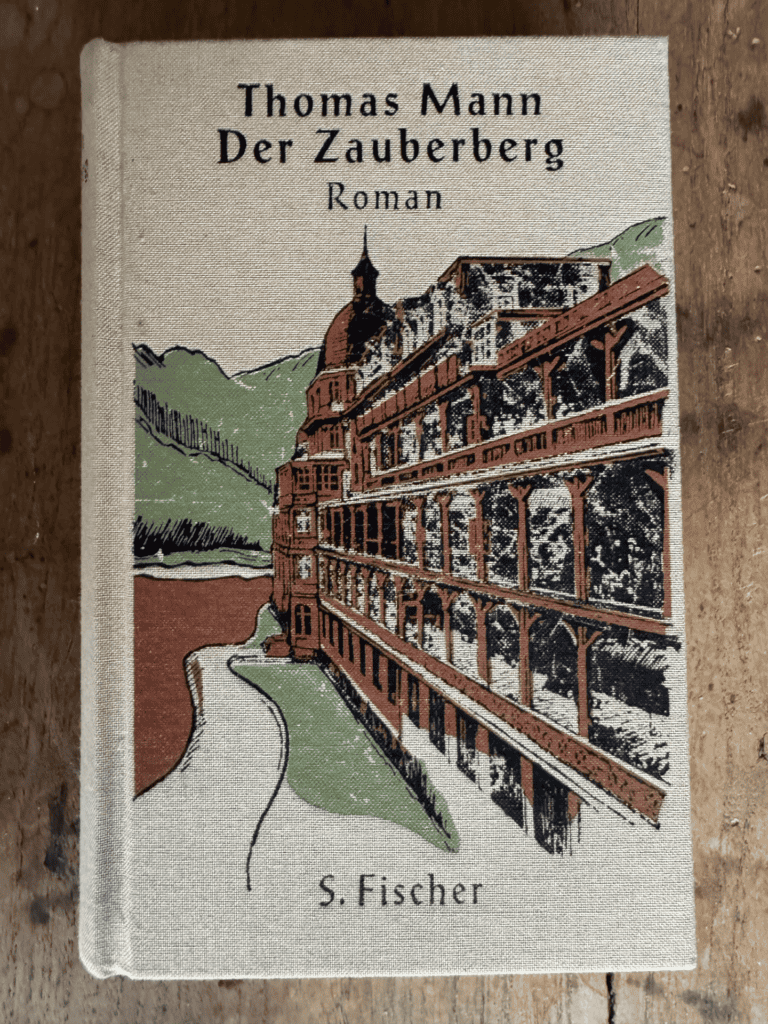

After reading the Buddenbrooks family history I felt the urge to keep working on my own family story.
XI Pro Rege >>>