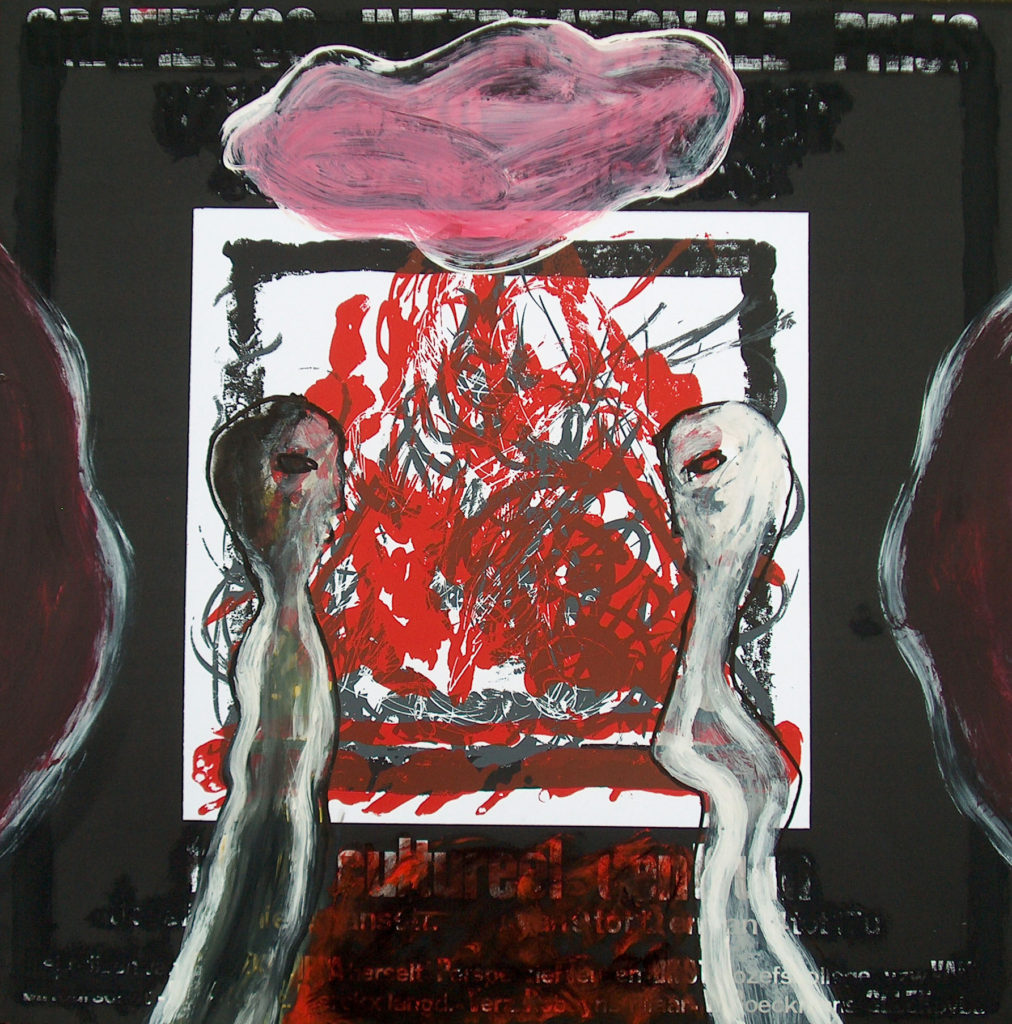
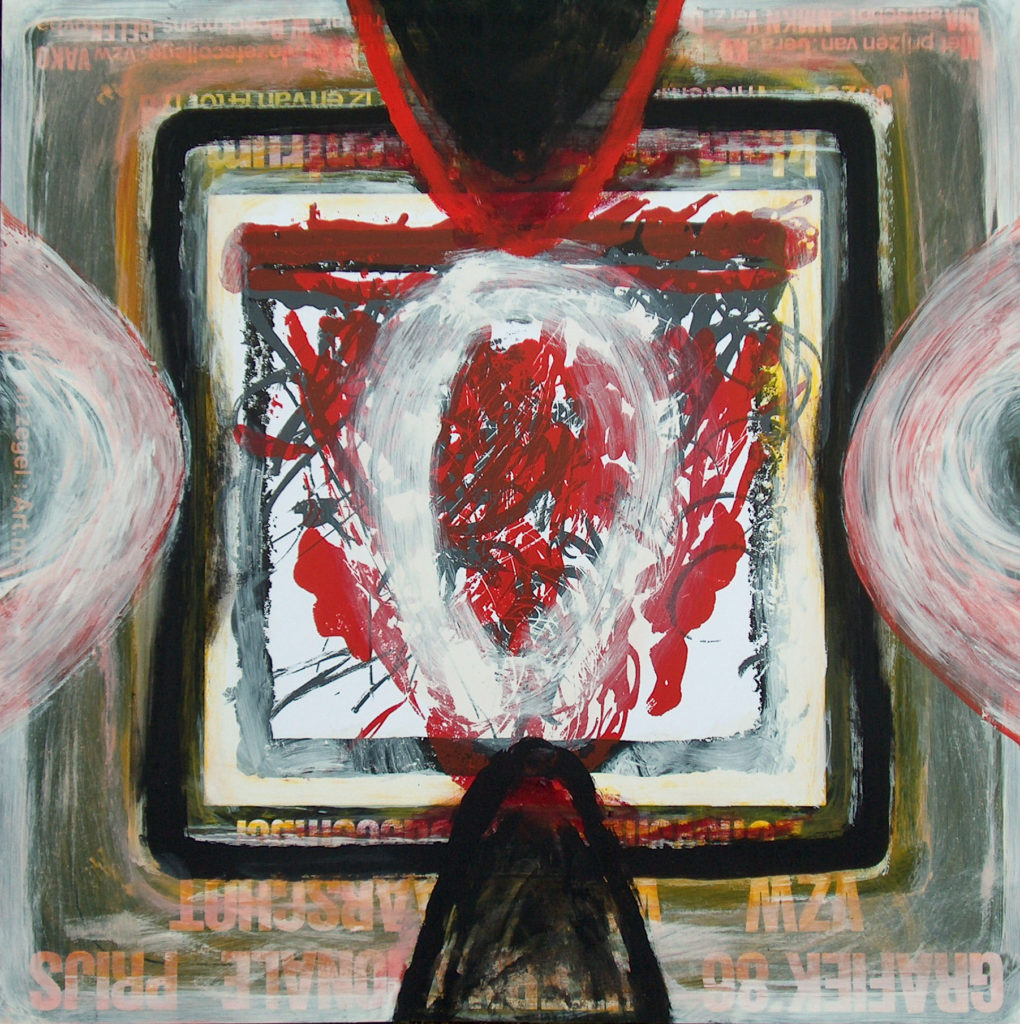
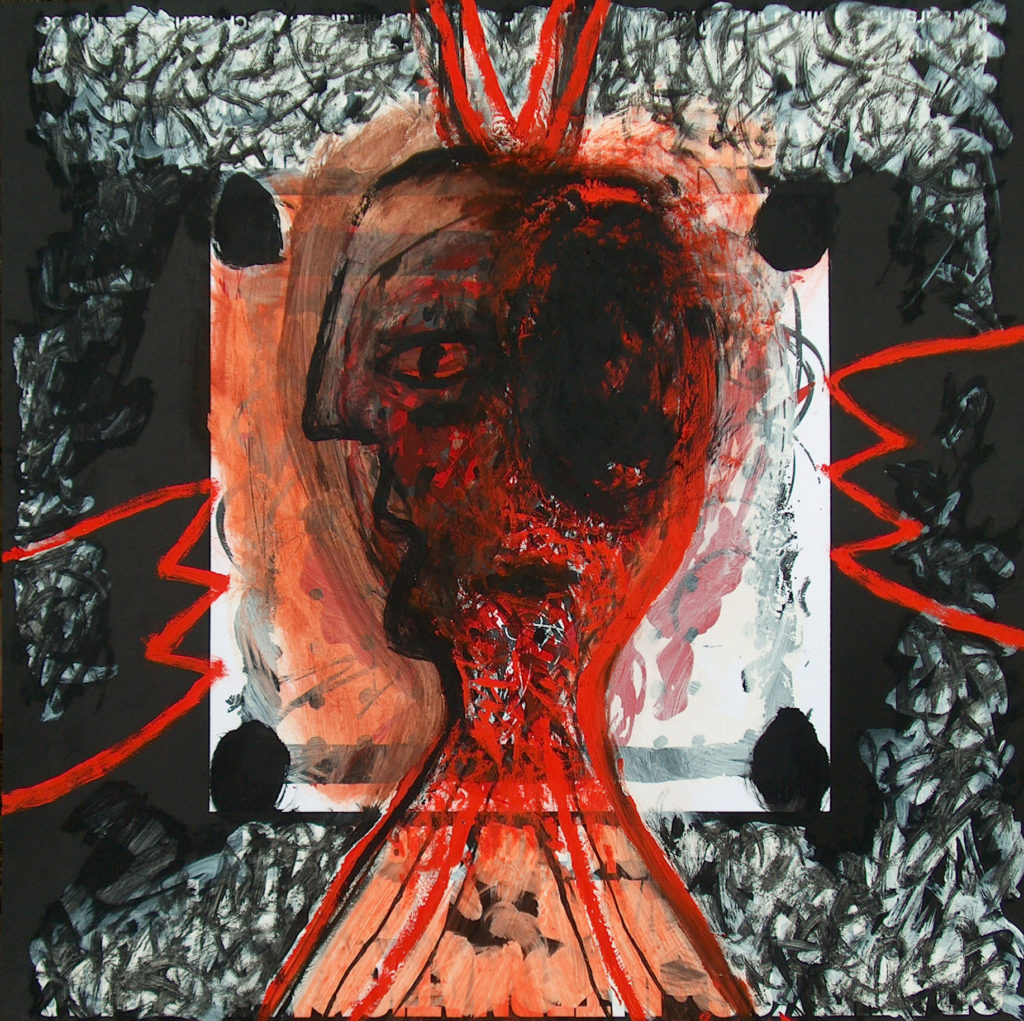
Fred Vandendries (1947) is one of the teachers who have helped shape the art stream of the Sint-Jozefscollege since its earliest existence. In his work colour touches and the creation of atmosphere are important. Above all he wants to evoke an atmosphere in which ‘expression’ – the gesture, the movement, the coming into being – is central. Much work has its origin in the unprejudiced child’s mind. That may be understood literally, because Fred Vandendries made paintings together with his grandson. In doing so he links up with the Cobra movement of the 1940s and 1950s. Those artists too let themselves be inspired by the spontaneity of children’s drawings – precisely because unselfconsciousness has the upper hand.
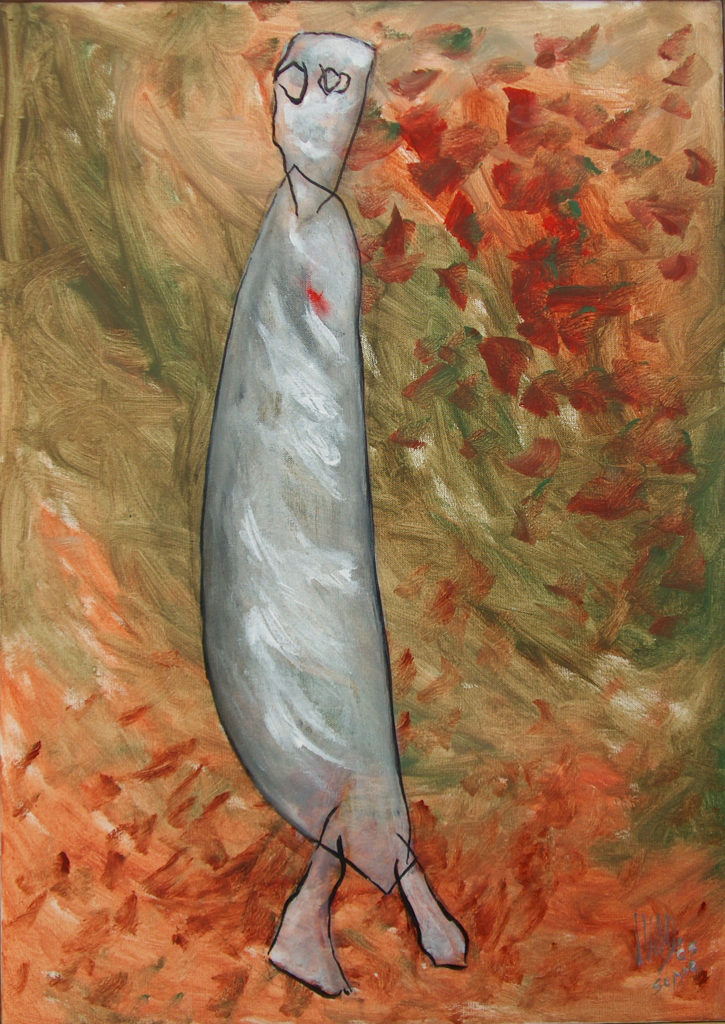
Fred in collaboration with his grandson Lode.
Study of form – child’s drawing.
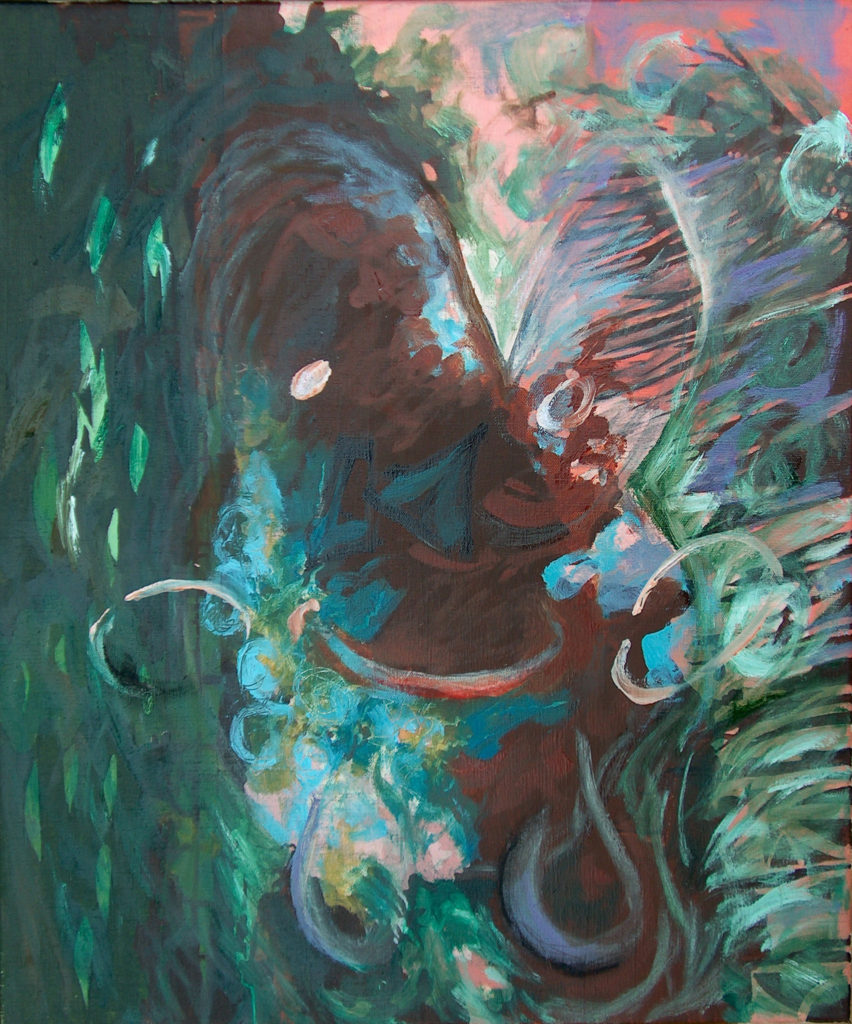
Seppe in collaboration with his grandad Fred.
Beetle.
study.
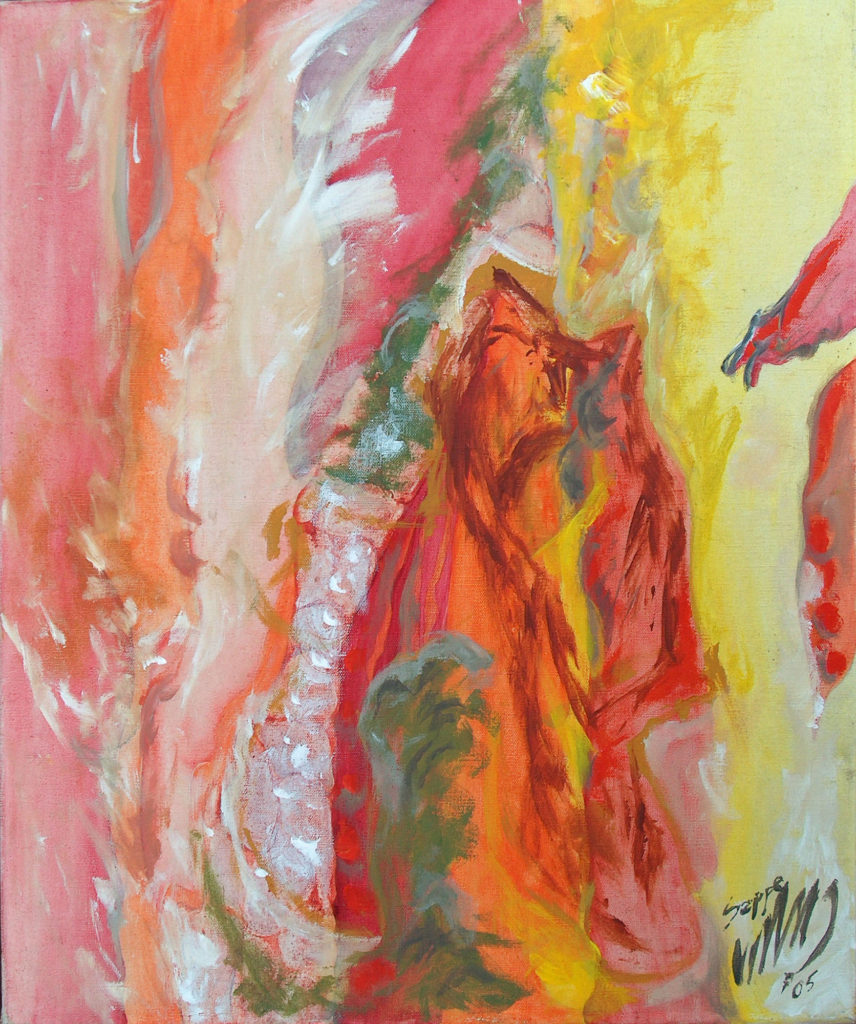
Seppe in collaboration with his grandad Fred.
Powerful study.
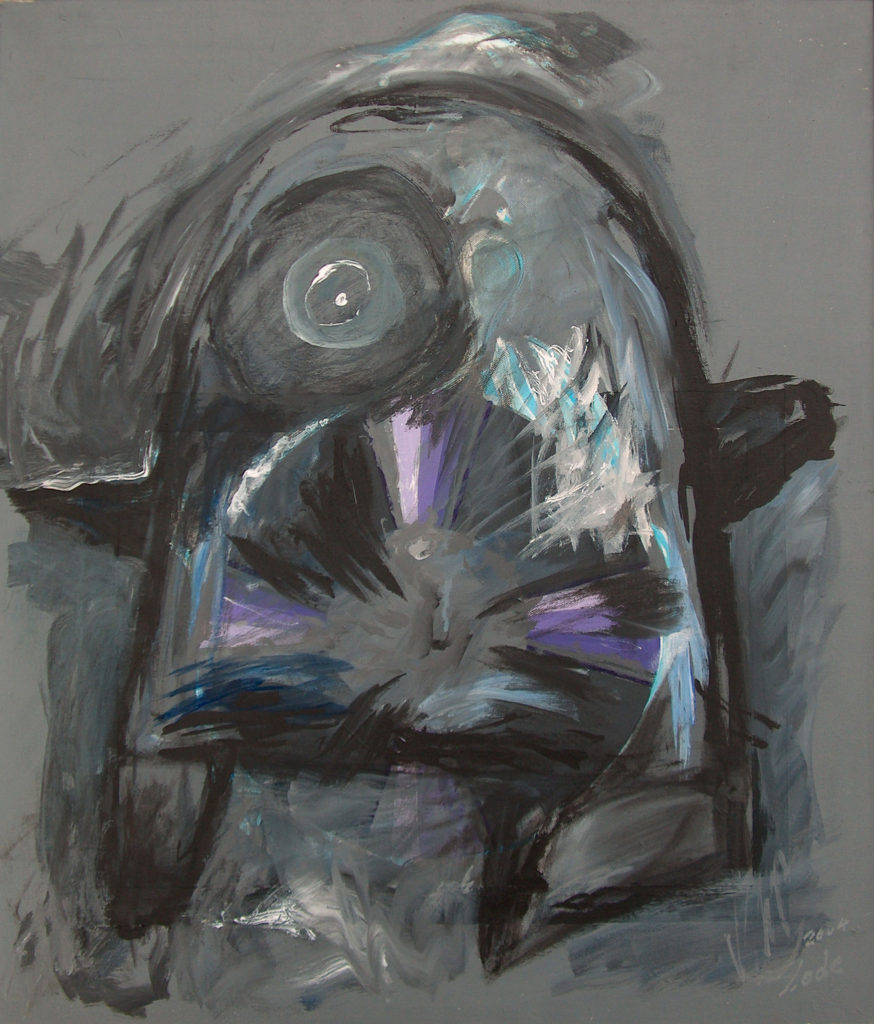
Lode in collaboration with his grandad Fred.
Woodsman.
study.
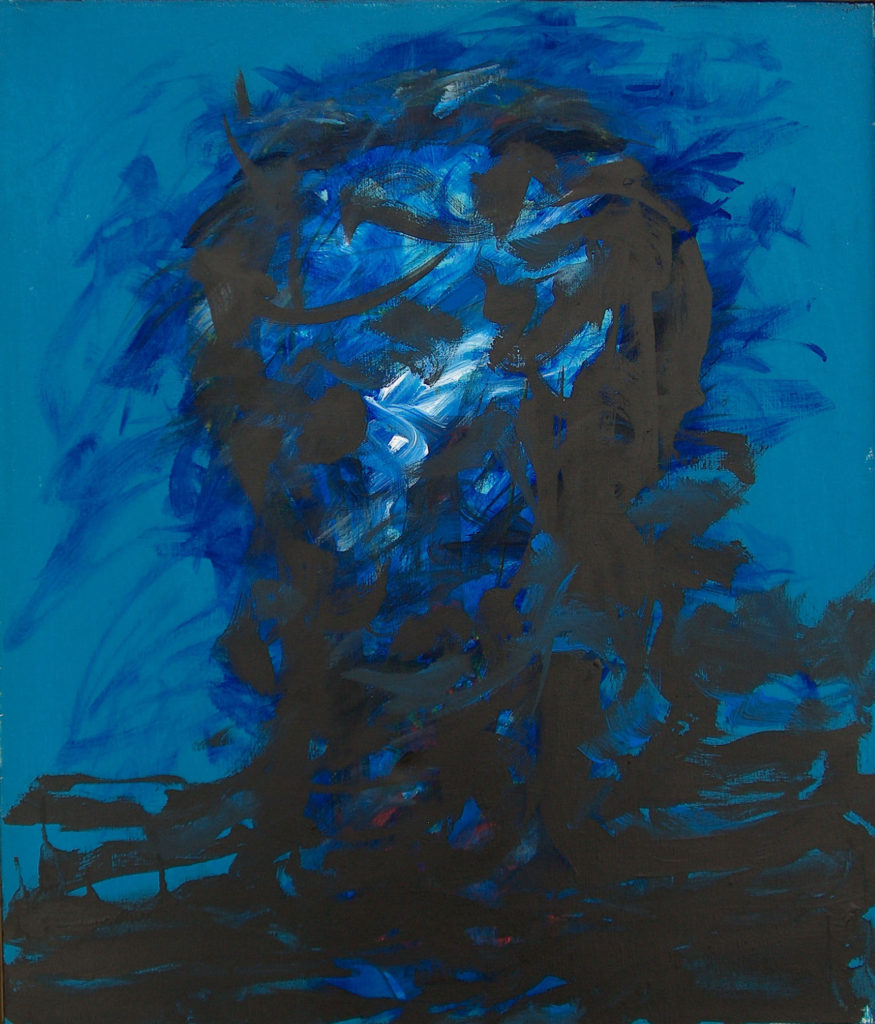
Self-portrait.
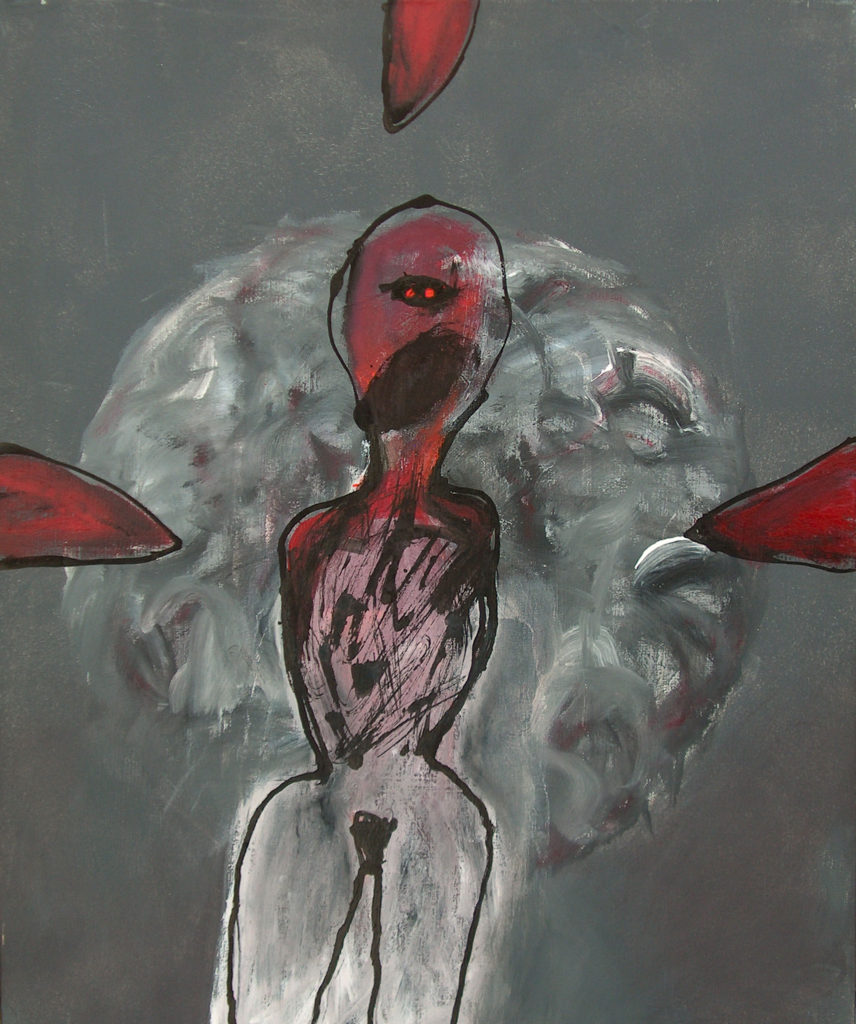
Fred Vandendries & Fred Boffin.
Joint study.
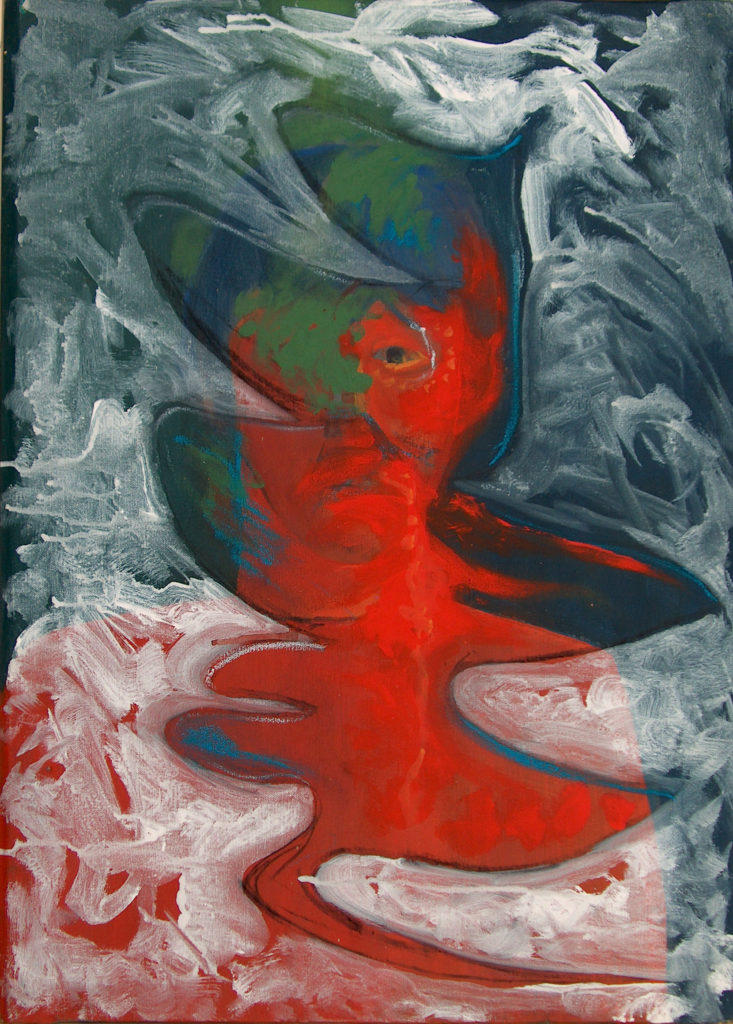
Lode in collaboration with his grandad Fred.
Elephant.
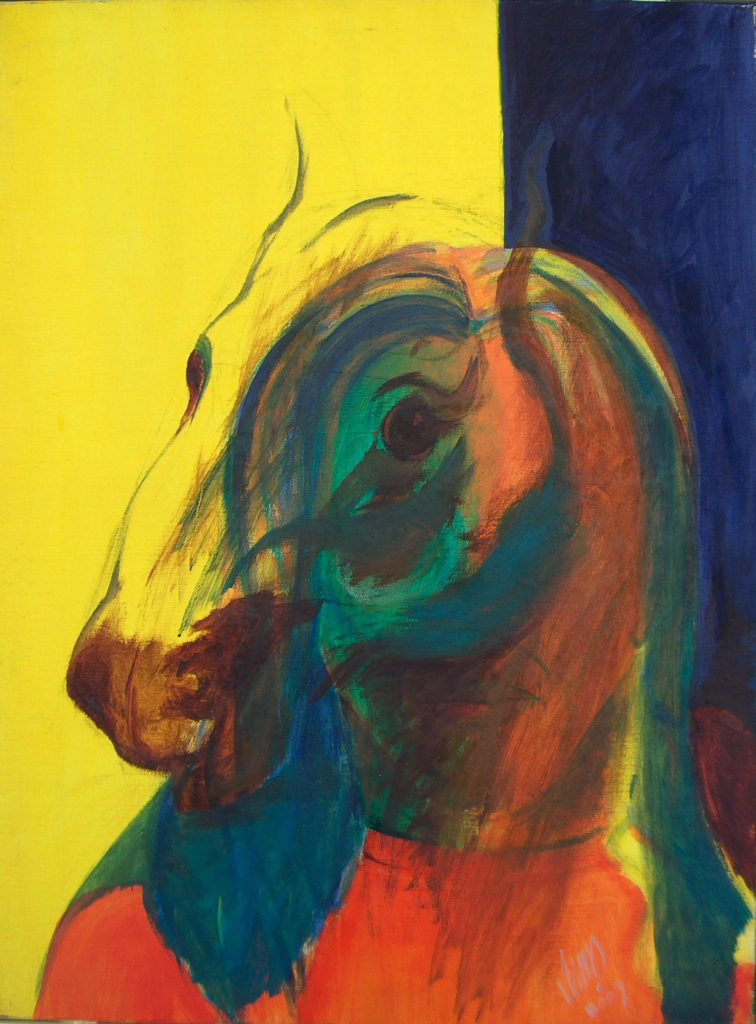
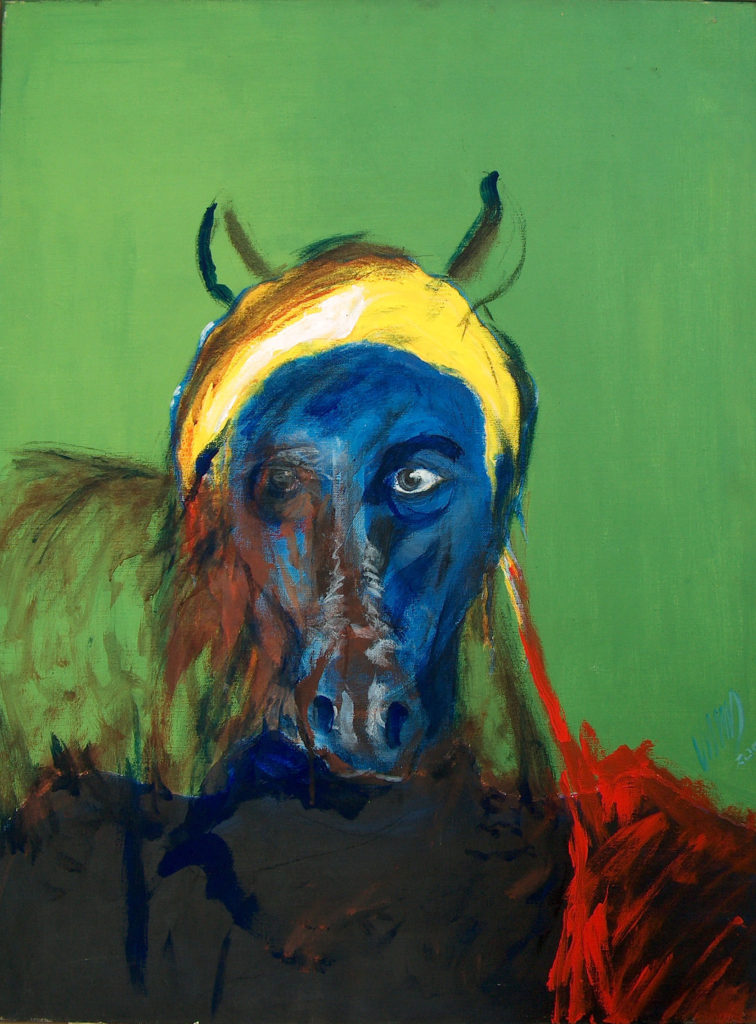
Seen again. 1.
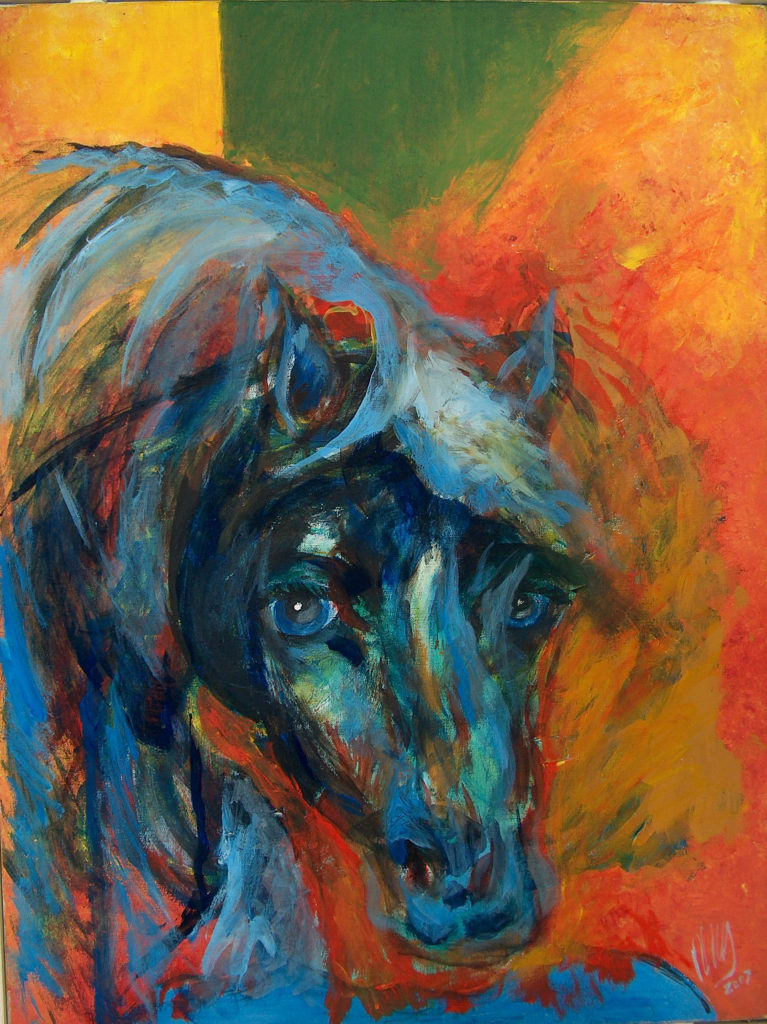
Seen again. 2.
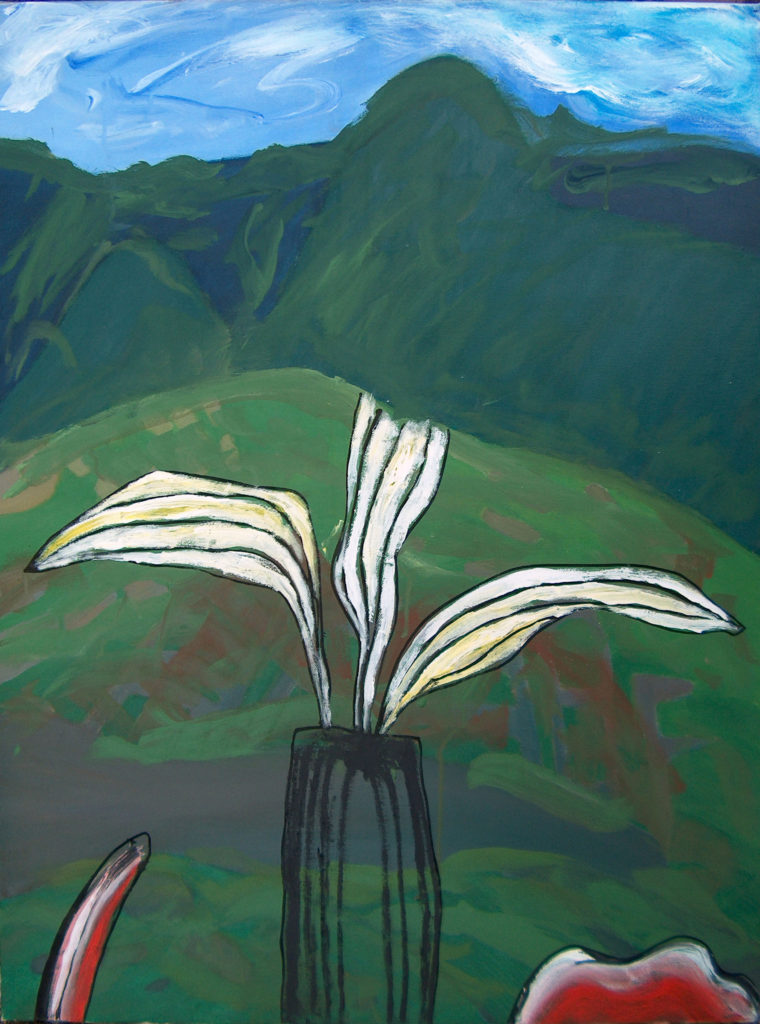
Seen again. 3.
Fred Vandendries & Fred Boffin.
Joint study.
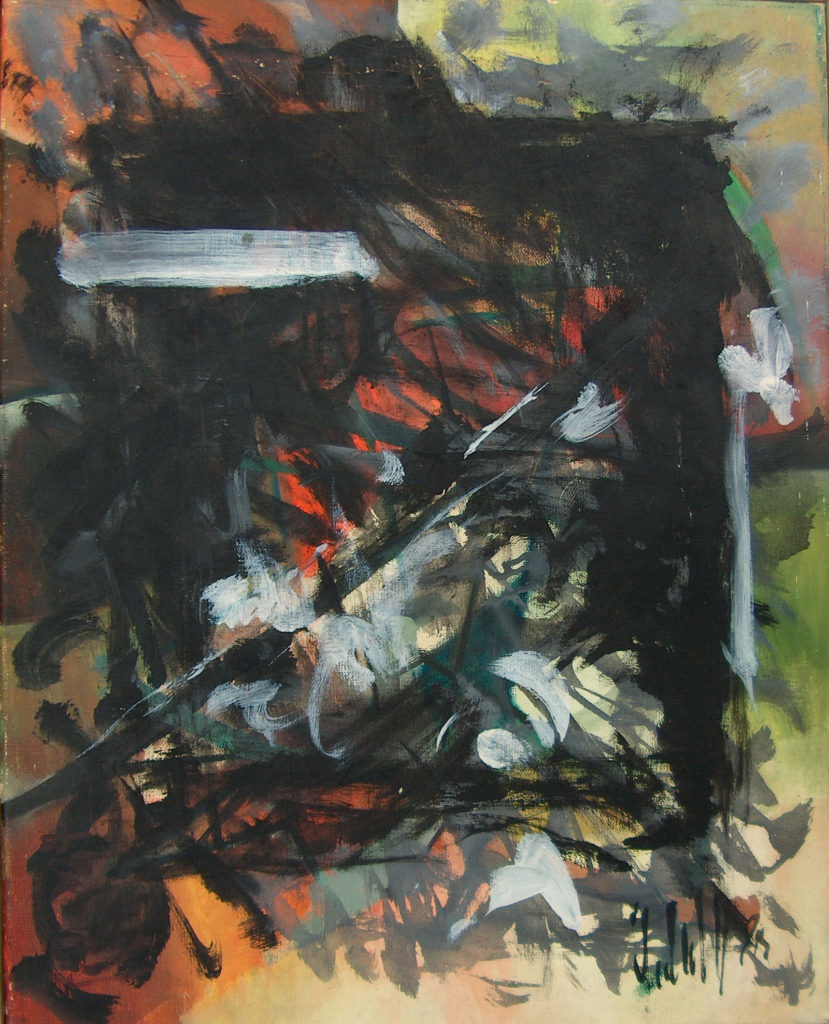
Geometry – expression.
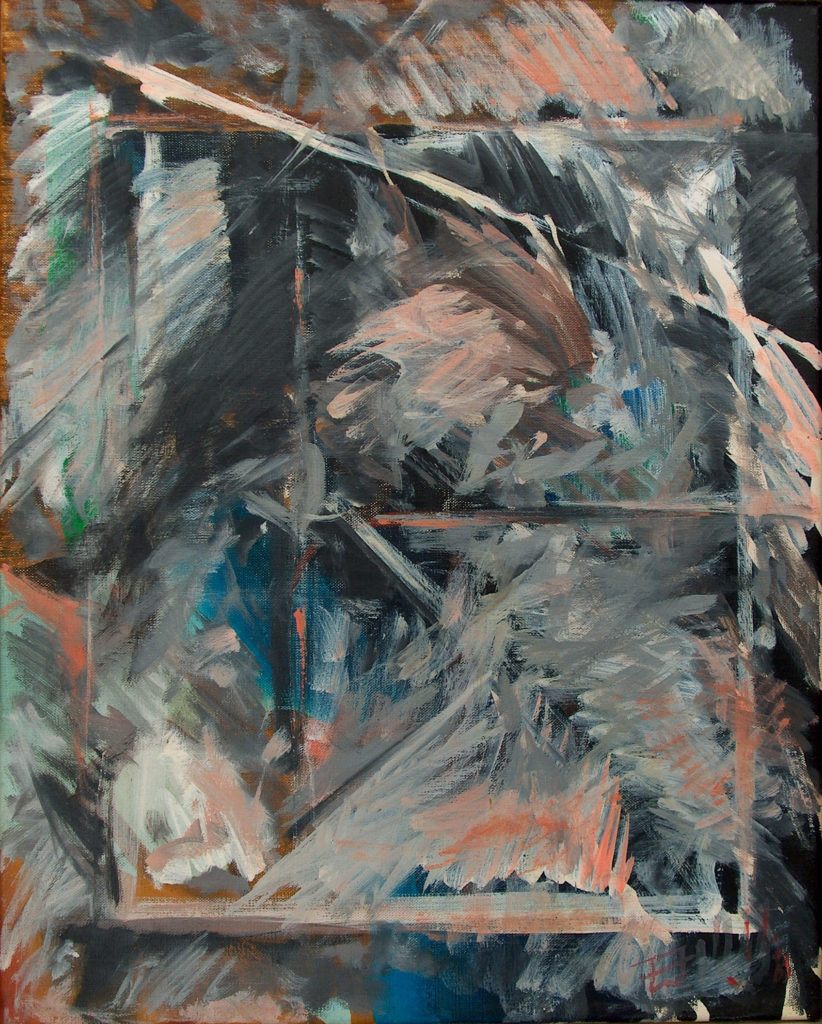
Geometry – expression.
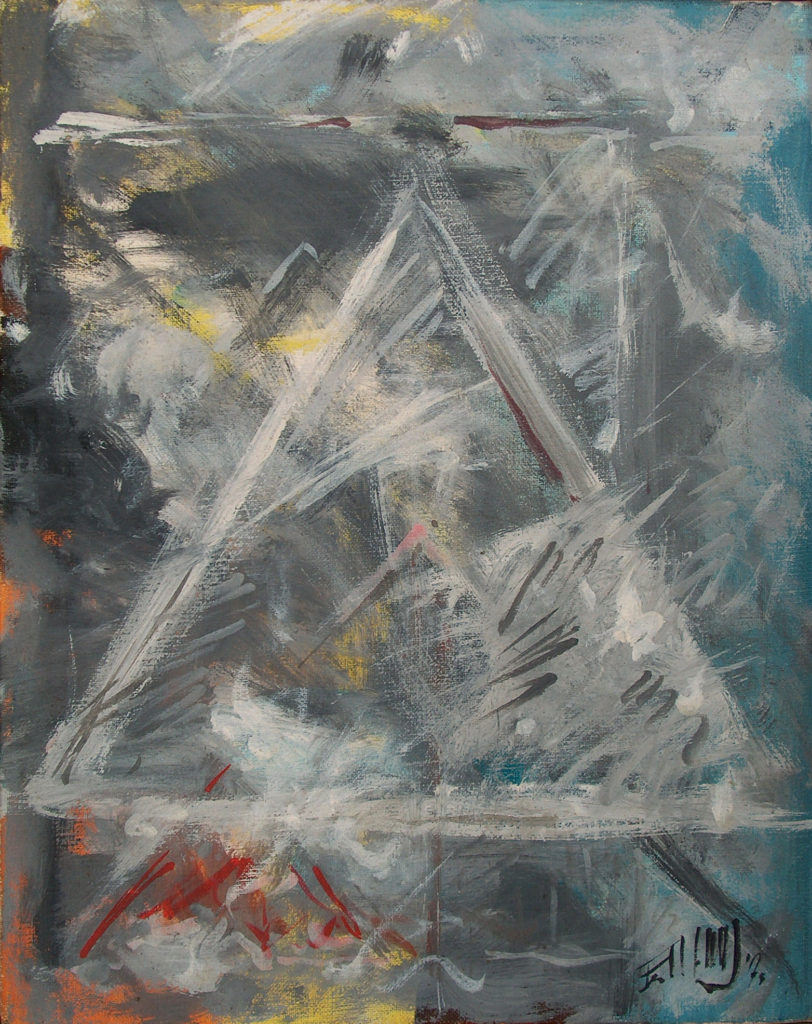
Geometry – expression.
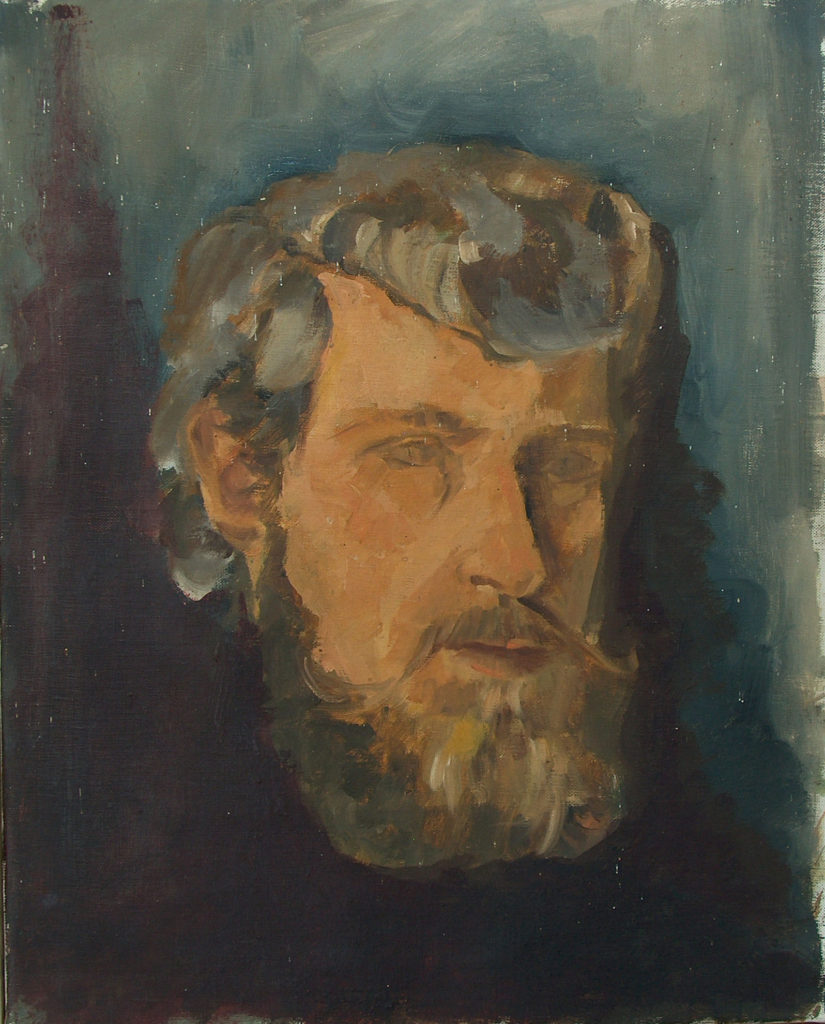
Self-study.
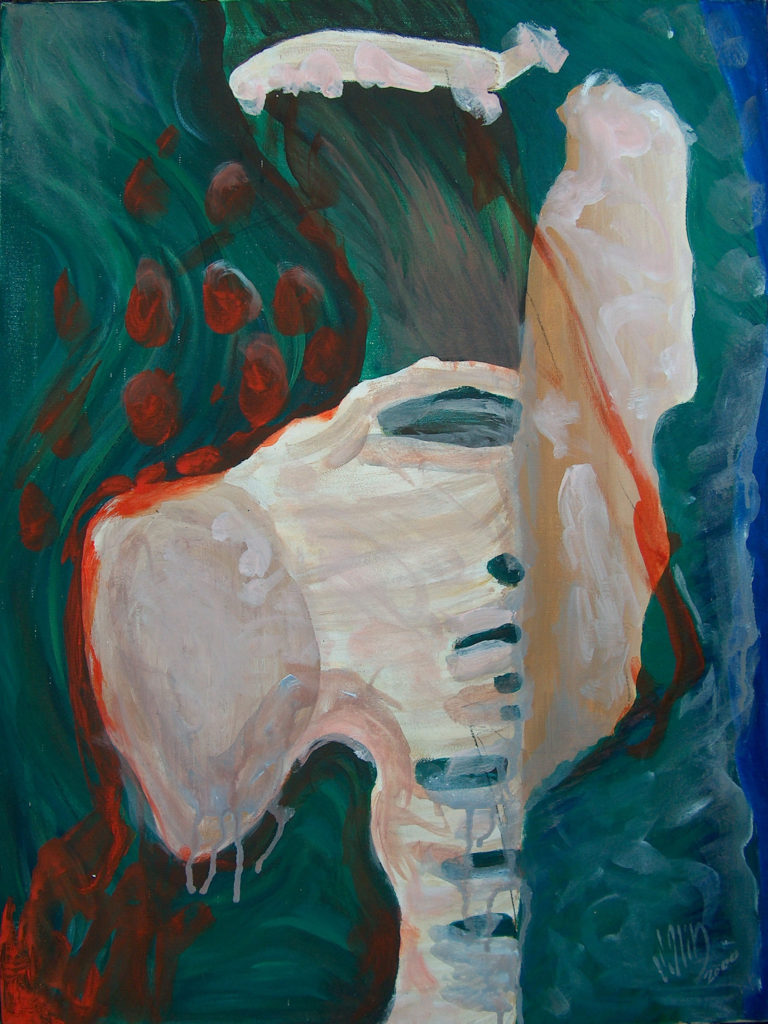
African influence.
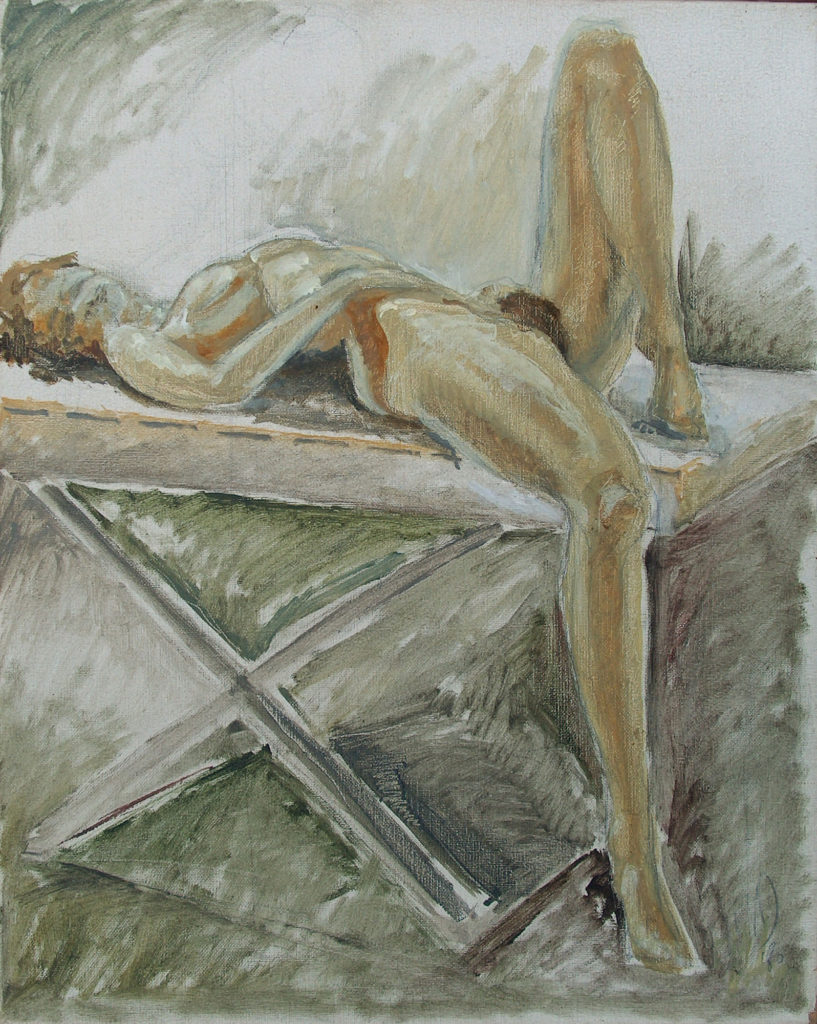
Nude study.
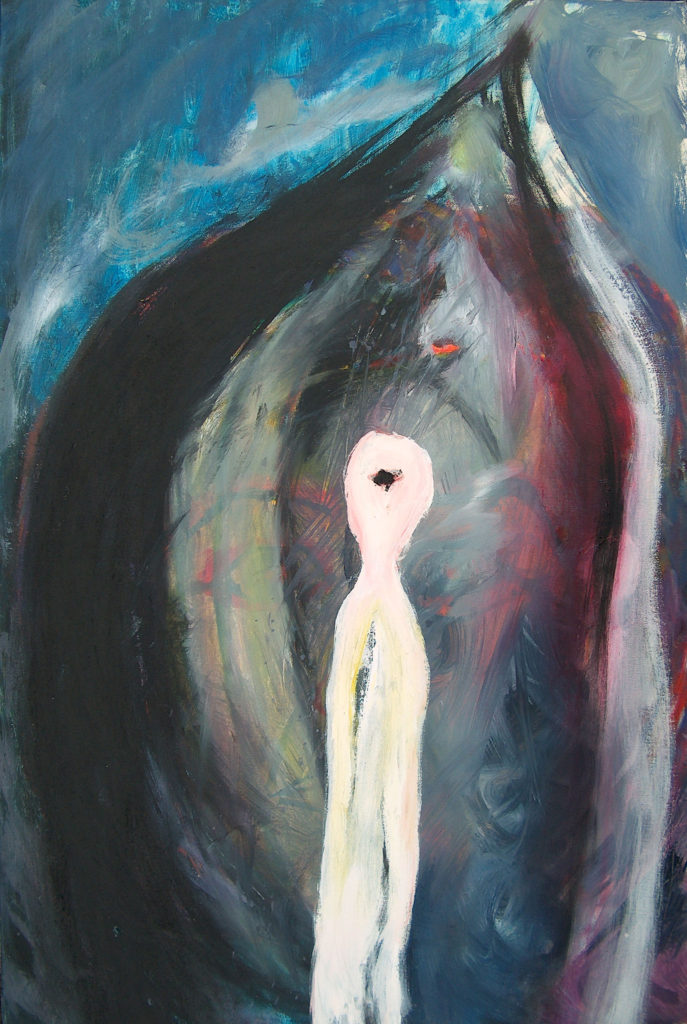
Lonely shelter.
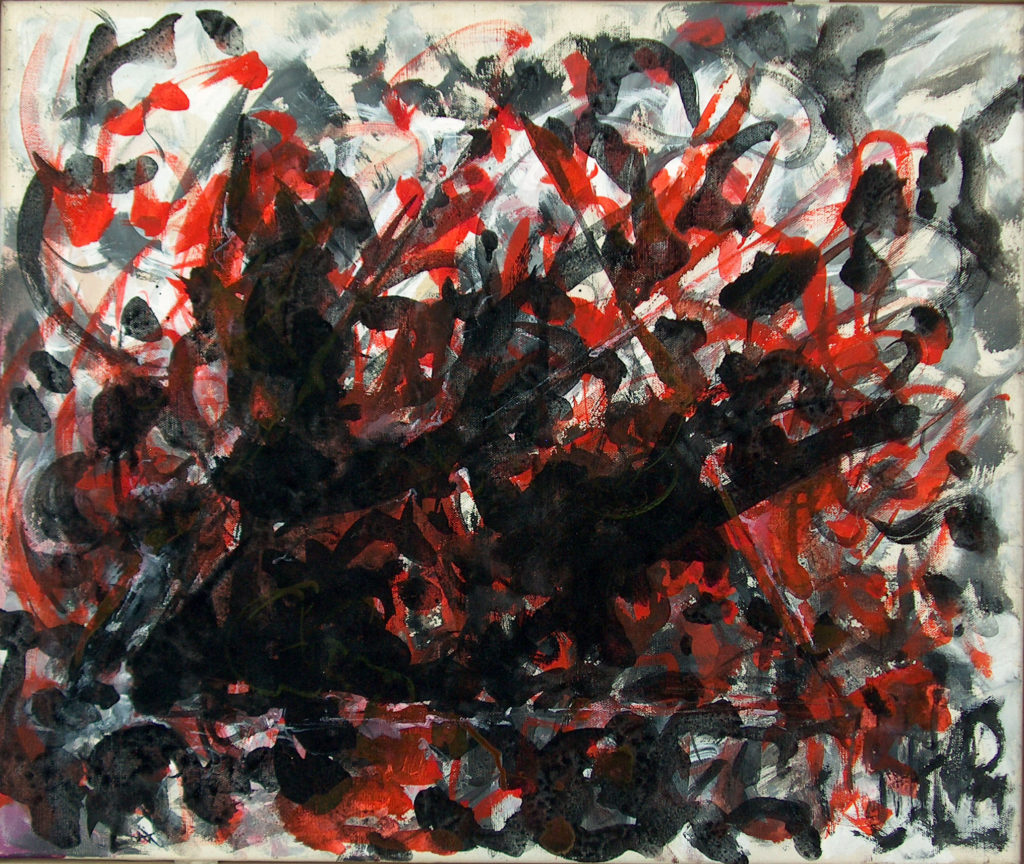
Fred.
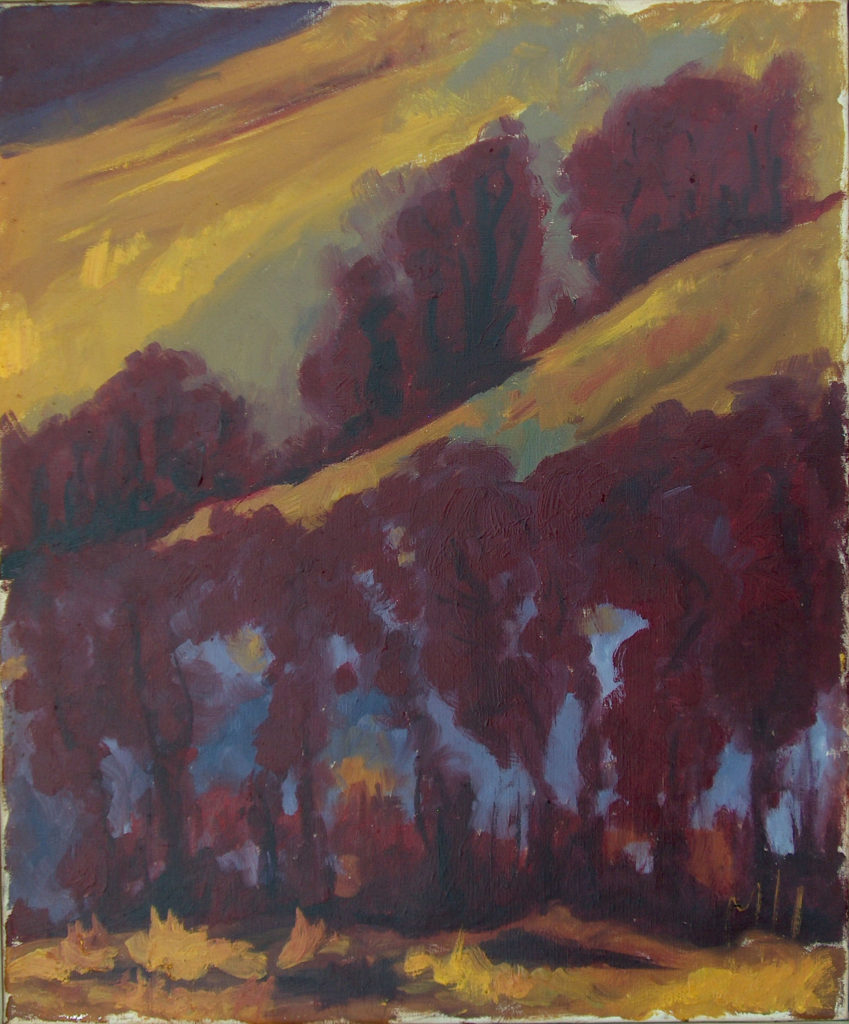
Landscape.
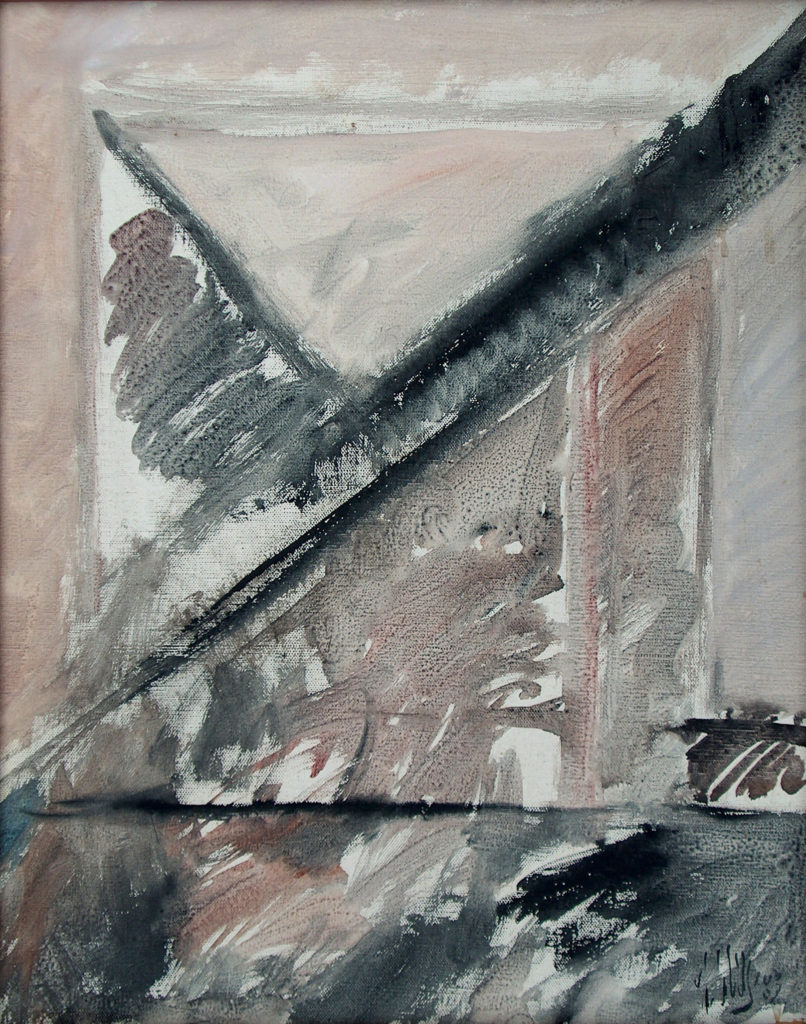
Geometry expression.
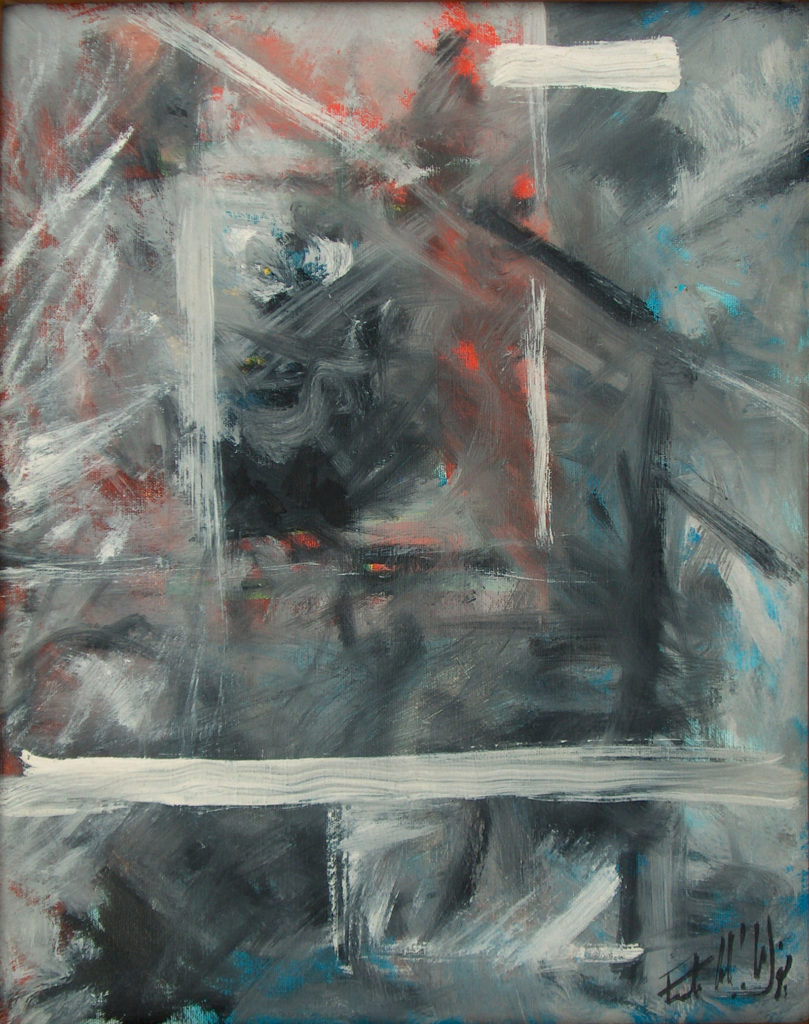
Geometry – expression.
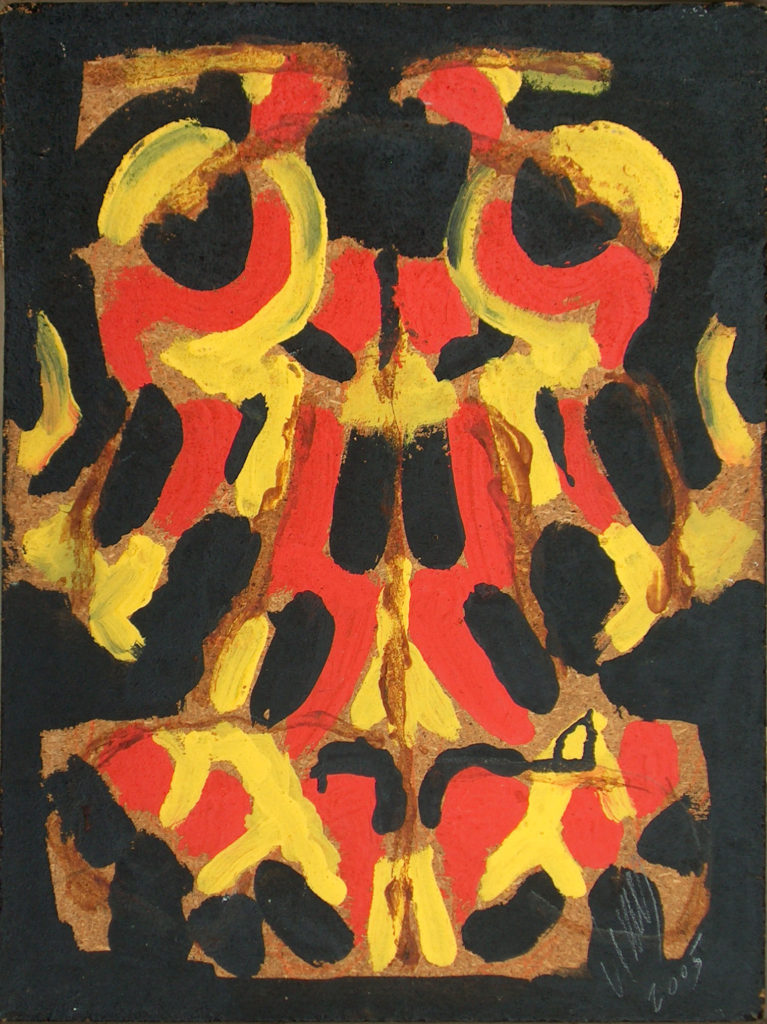
Belgian!
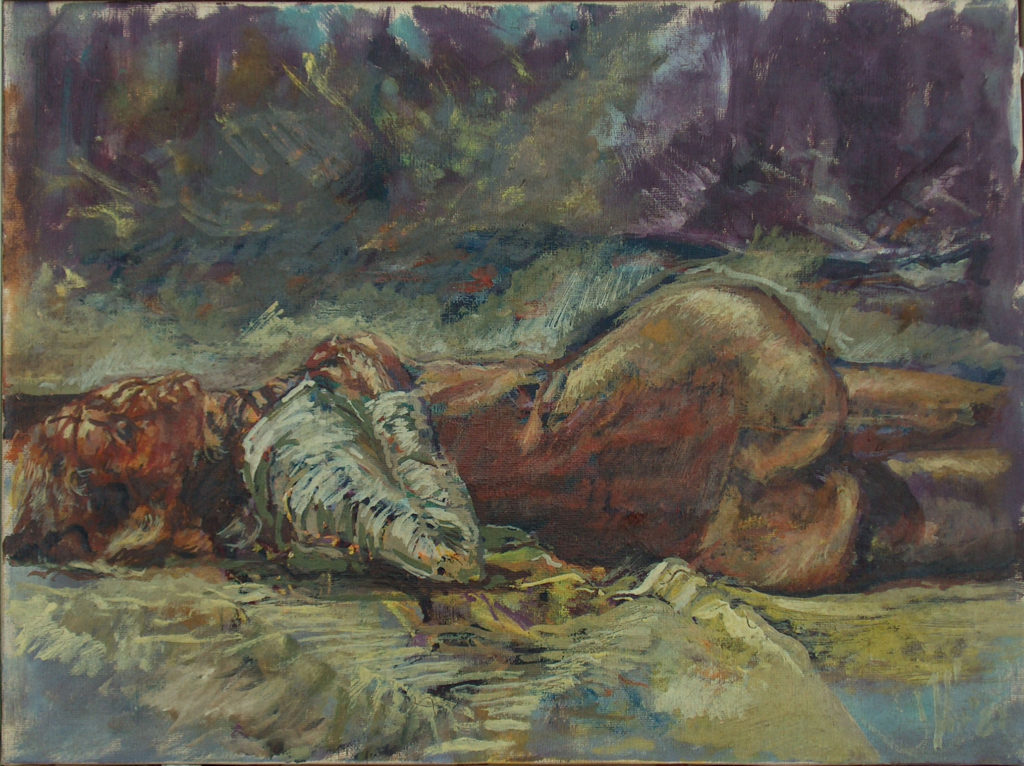
Study work.
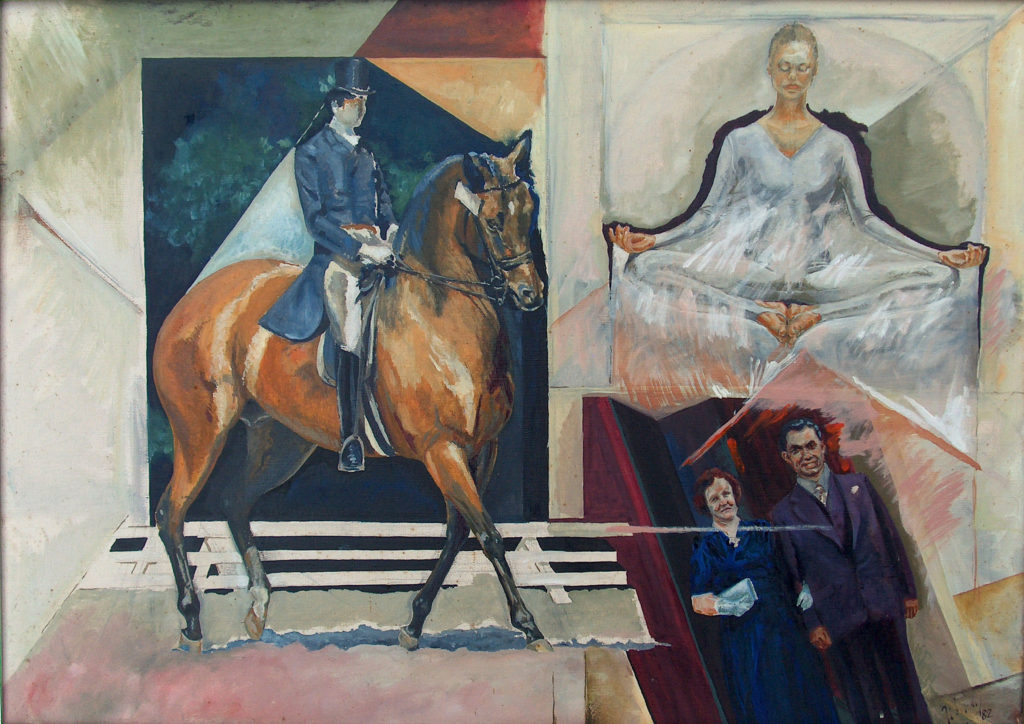
Family.
study work
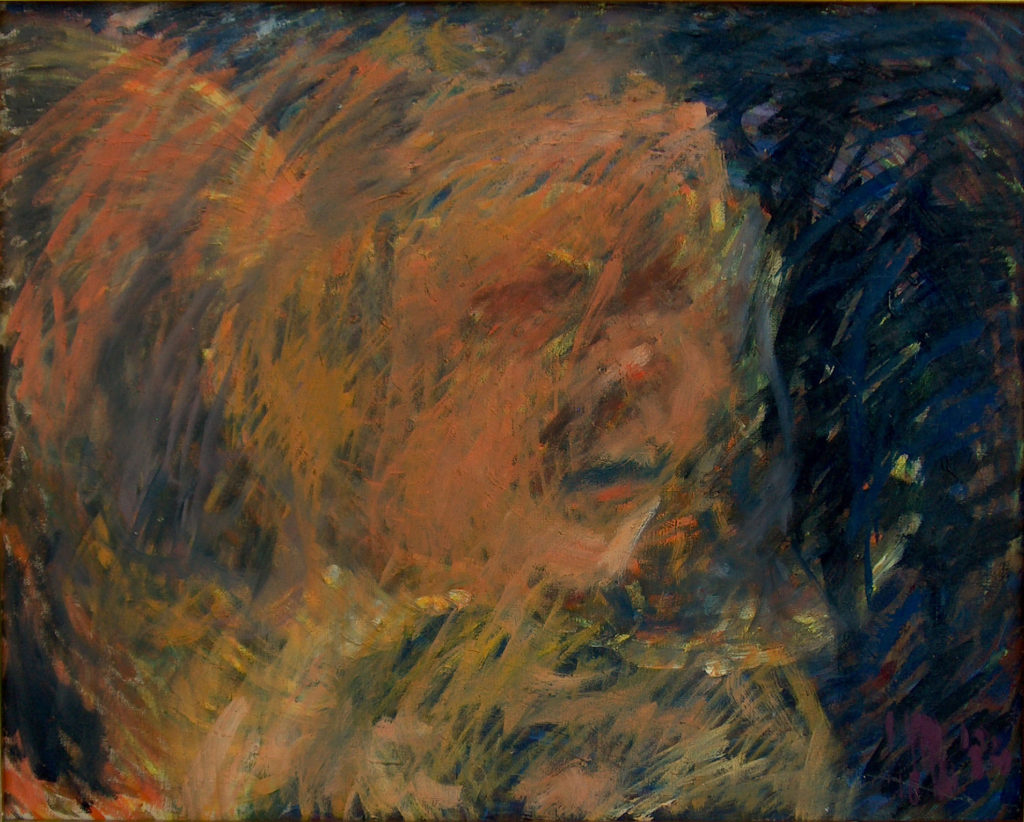
“I know that one.”
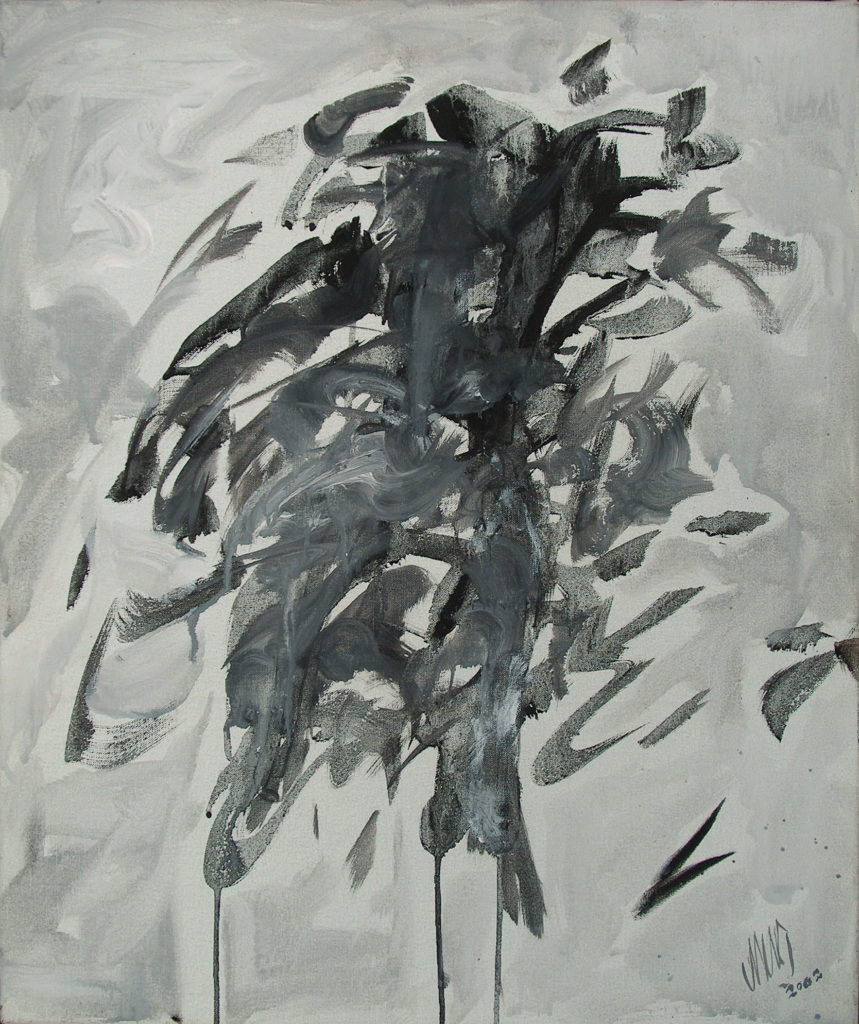
Expression study.
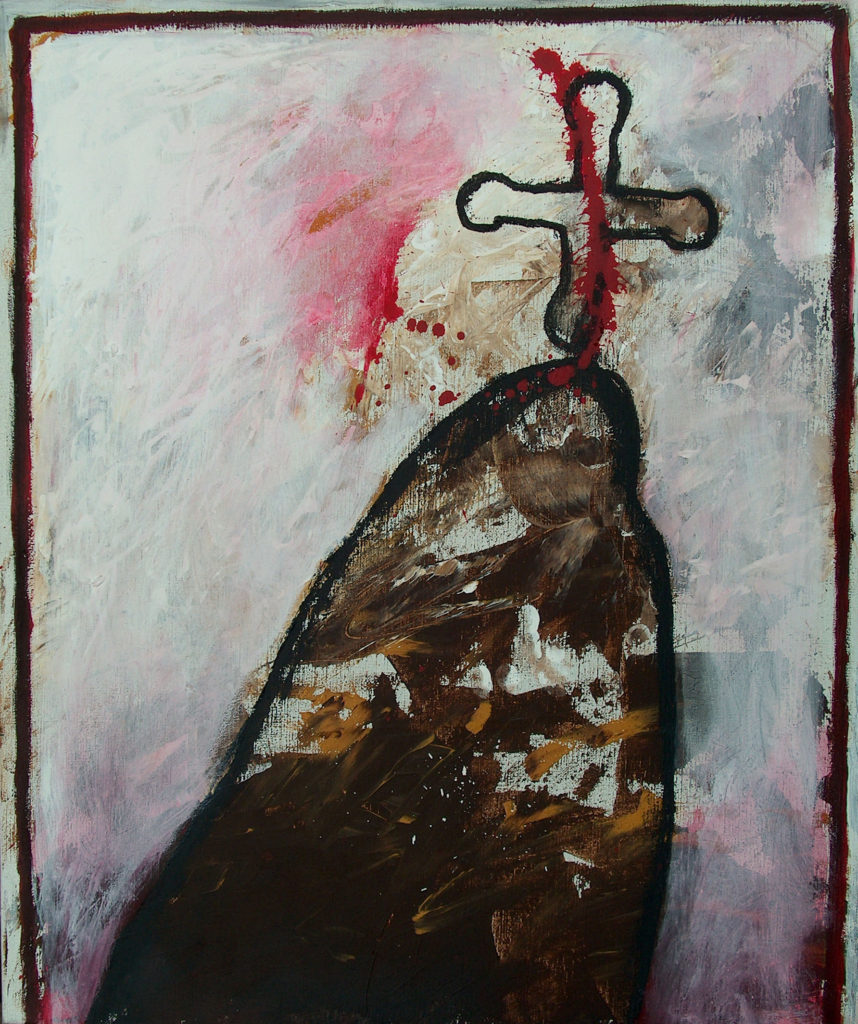
Cross-mountain.
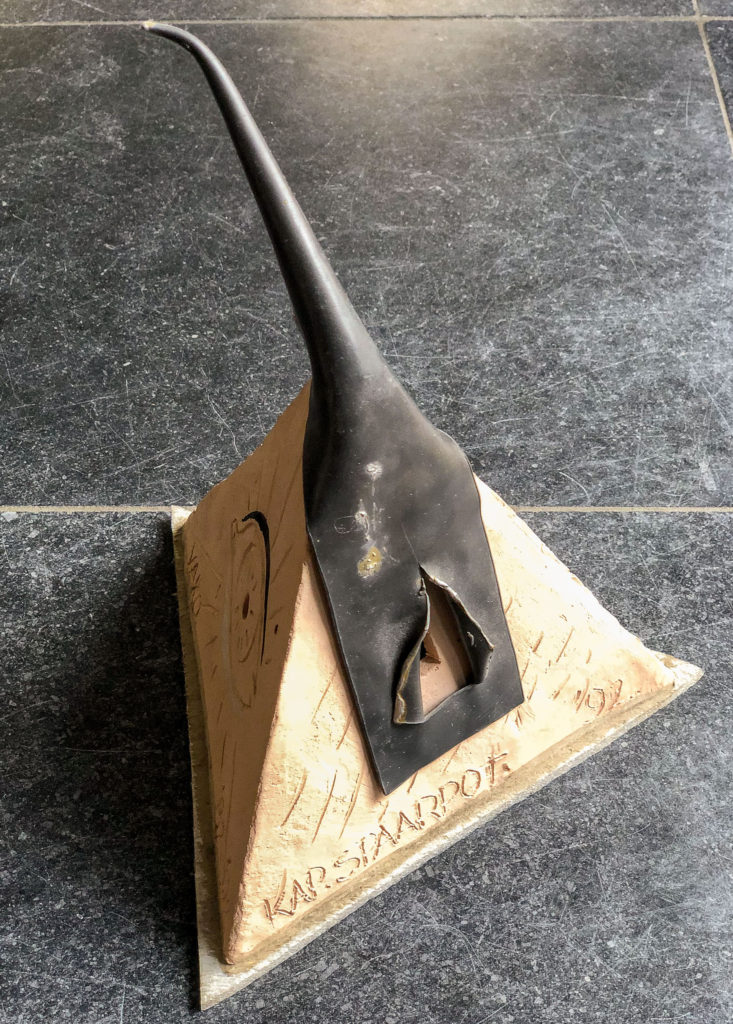
Capitalisation piggy bank.
Prize Vako
terracotta and lead
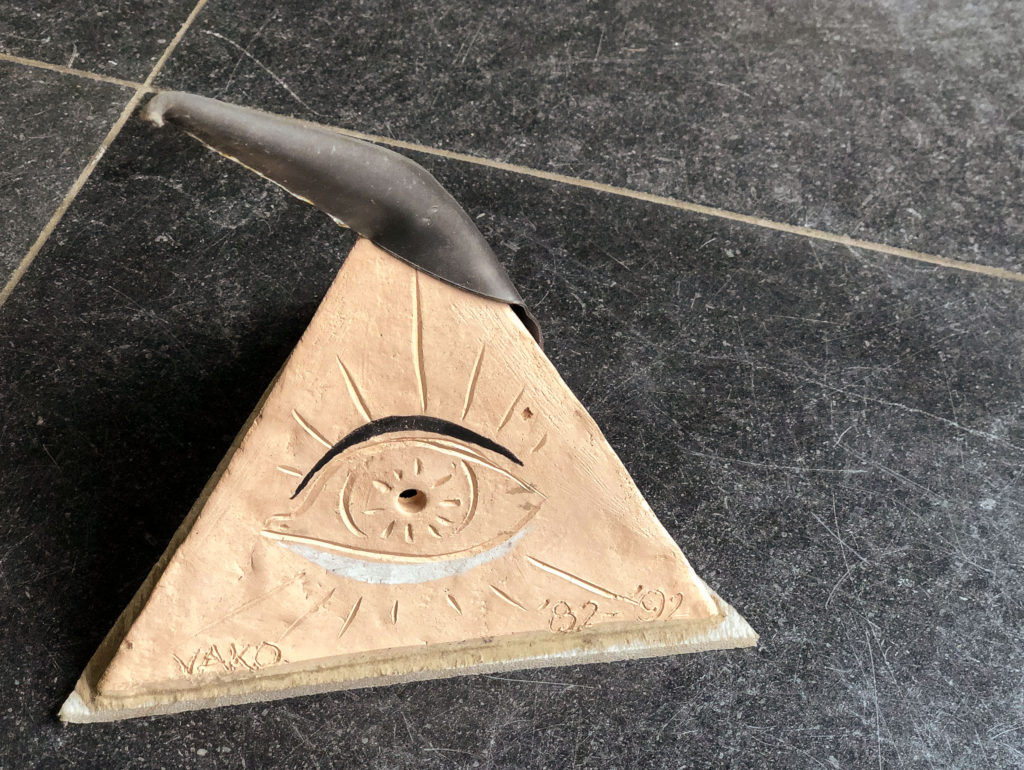
Capitalisation piggy bank.
Prize – Vako
terracotta and lead
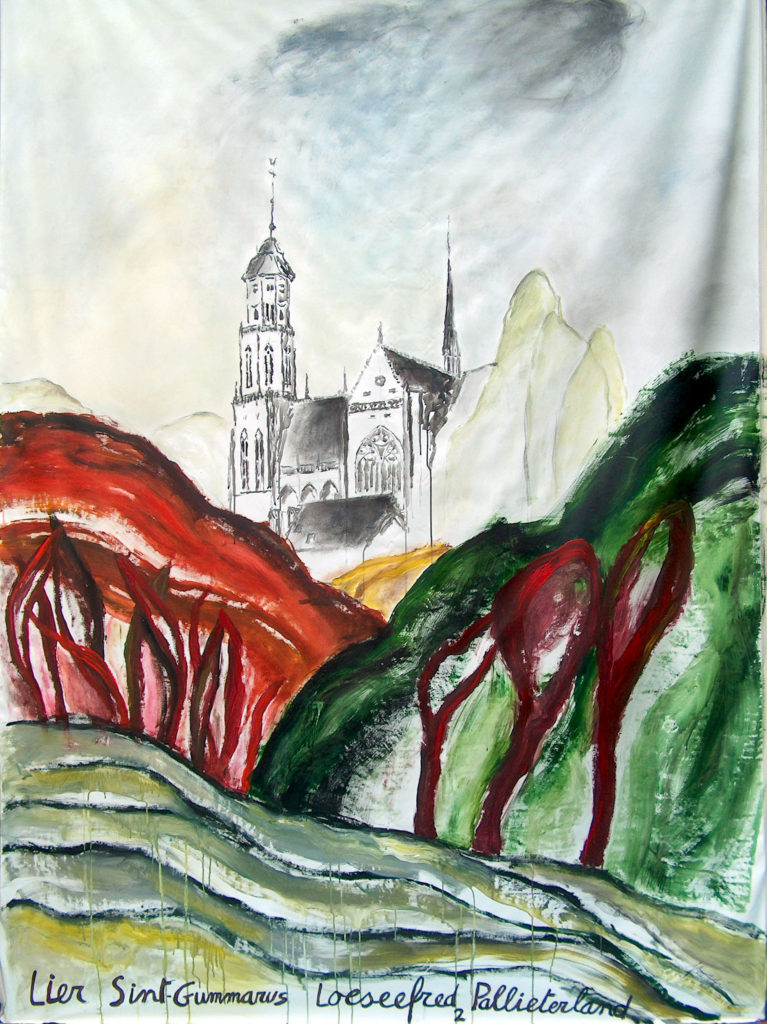
Fred Vandendries & Fred Boffin.
Lier.
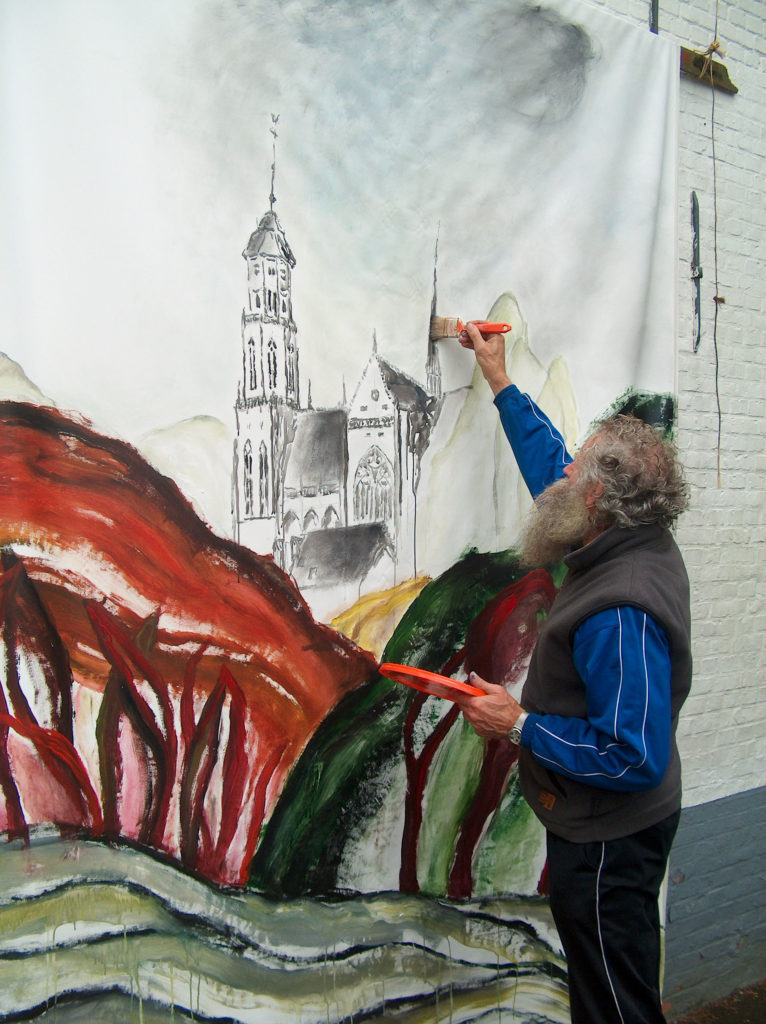
Fred Vandendries & Fred Boffin.
Lier.
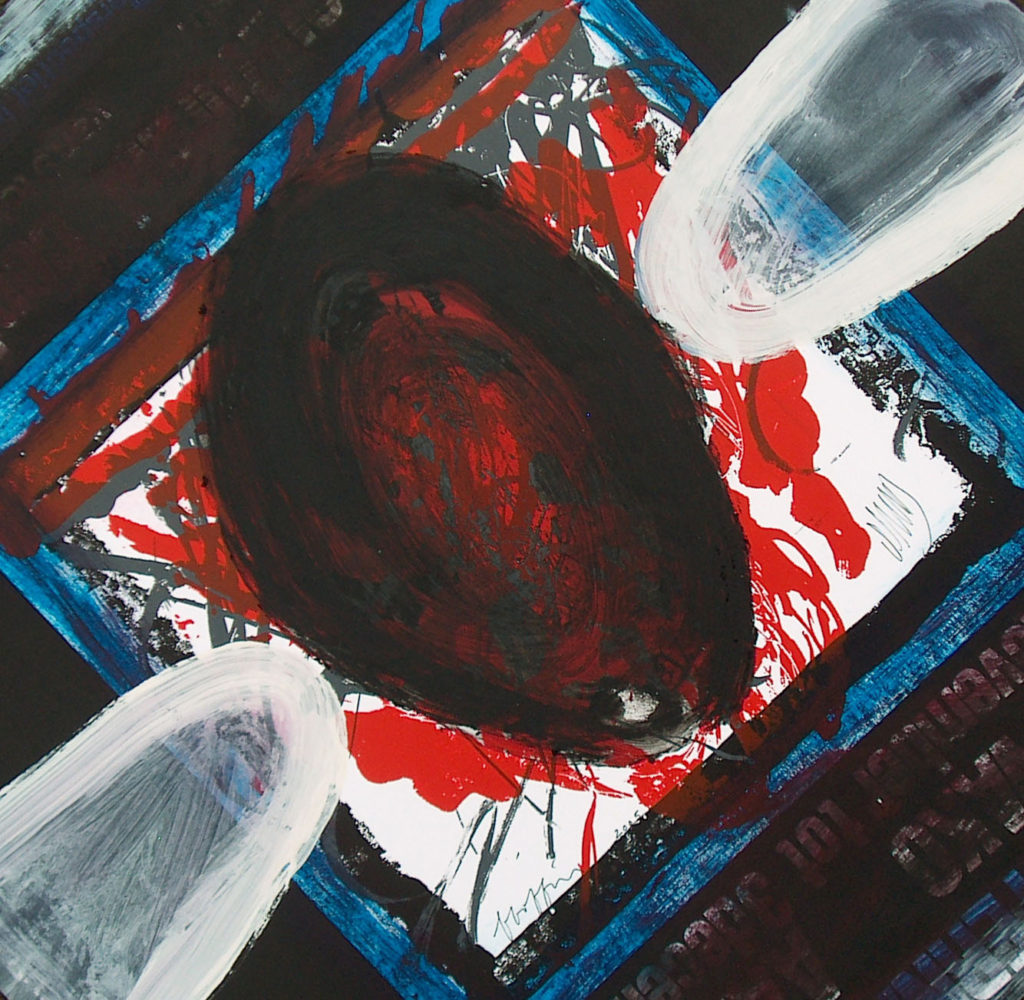
Fred Vandendries & Fred Boffin.
Joint study.
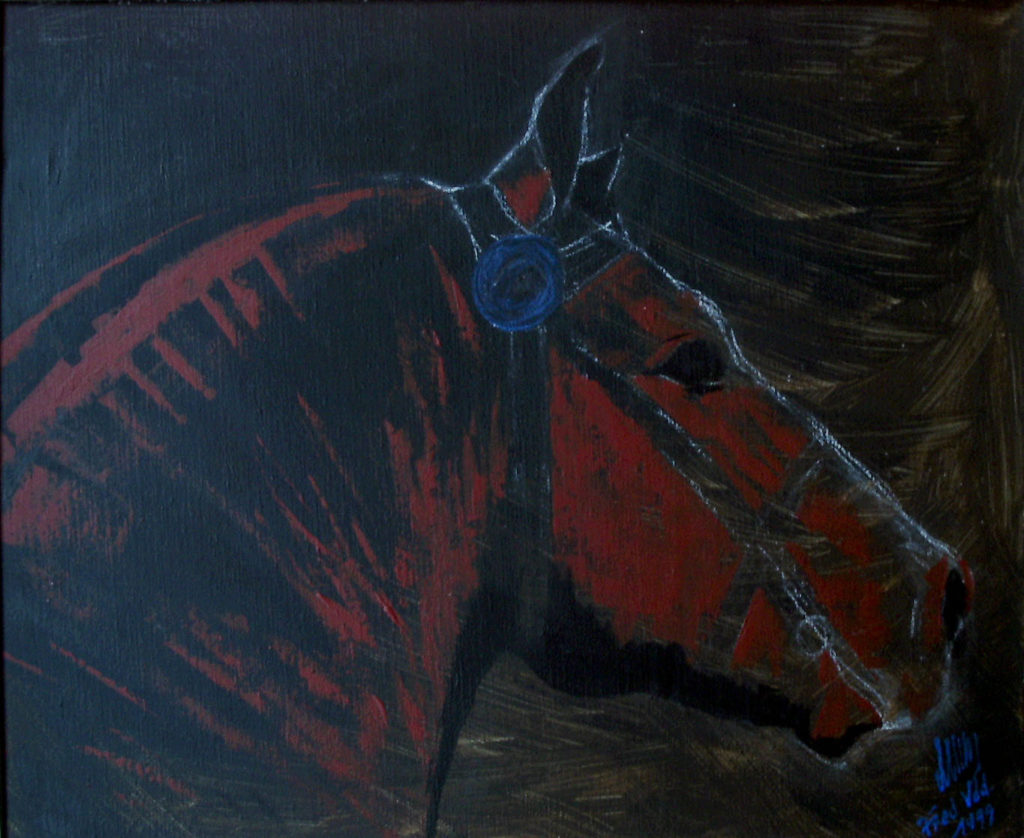
Horse.
study.
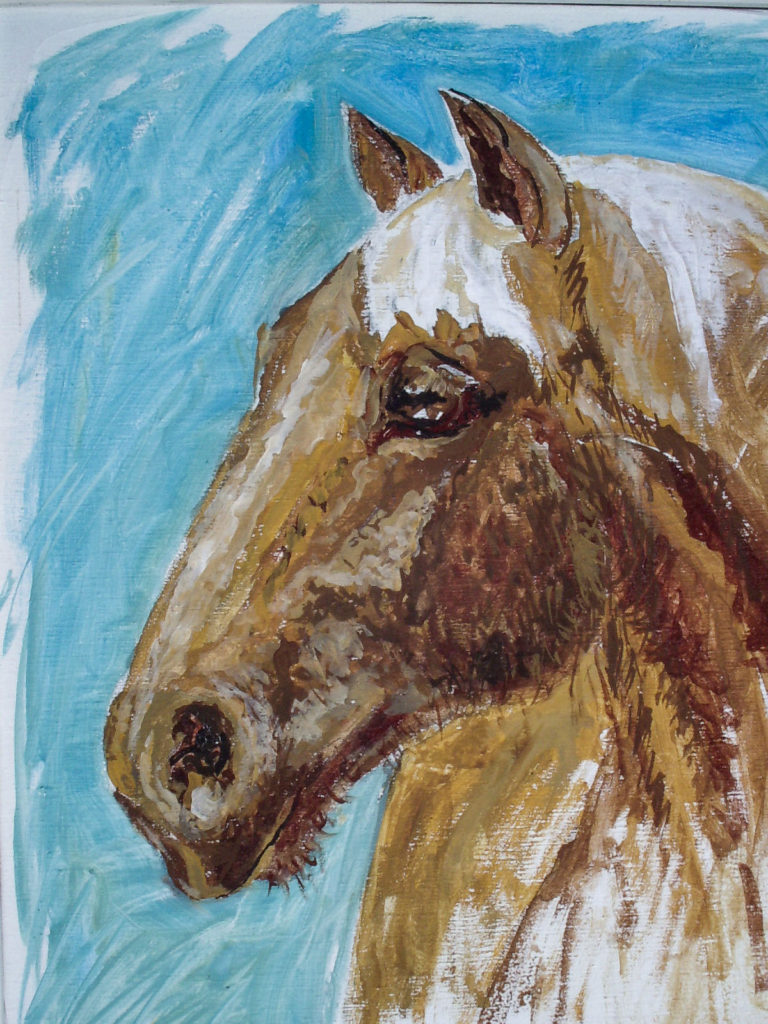
Horse.
study.
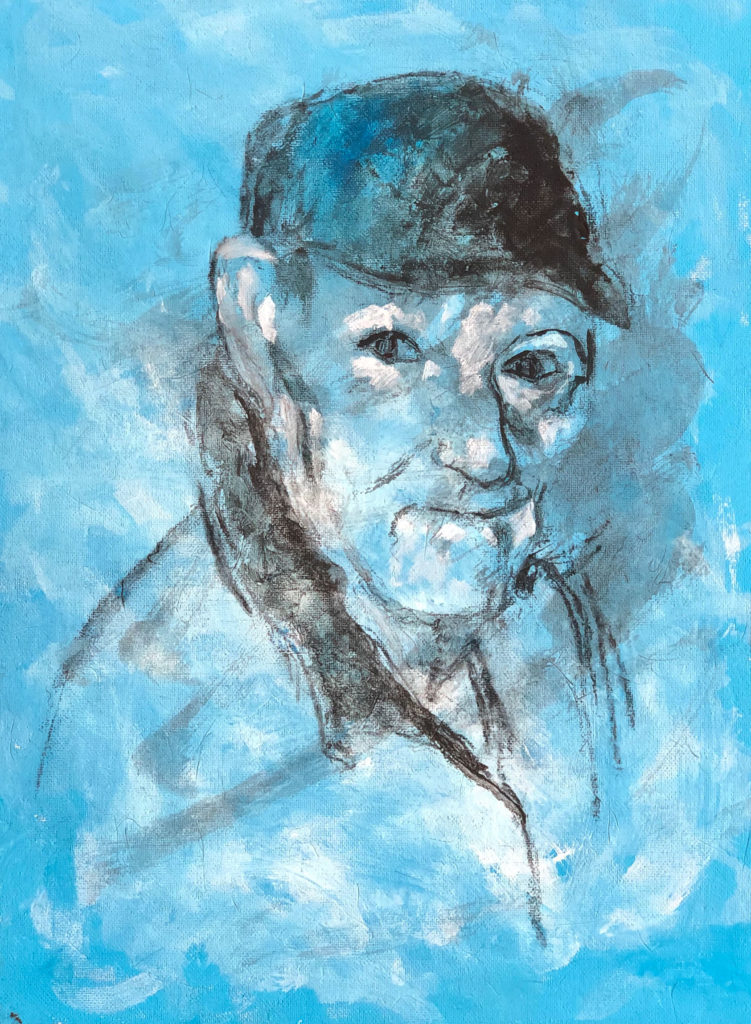
Friend Alex.
study.
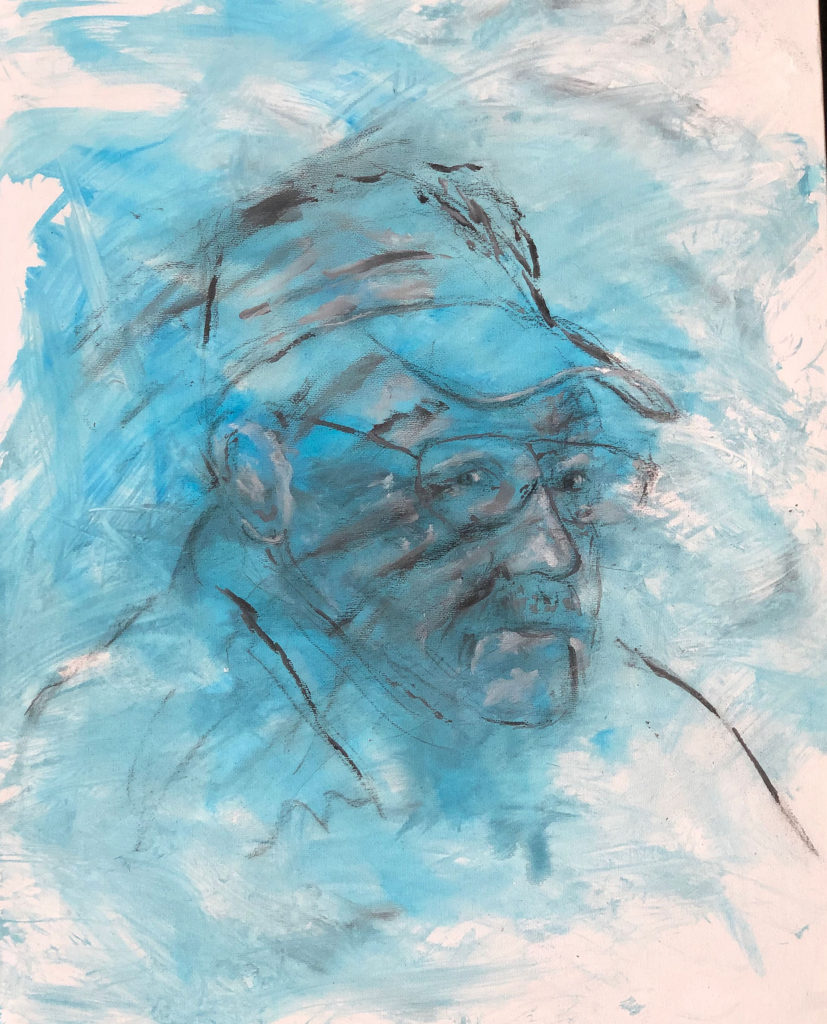
Friend Fons.
study.
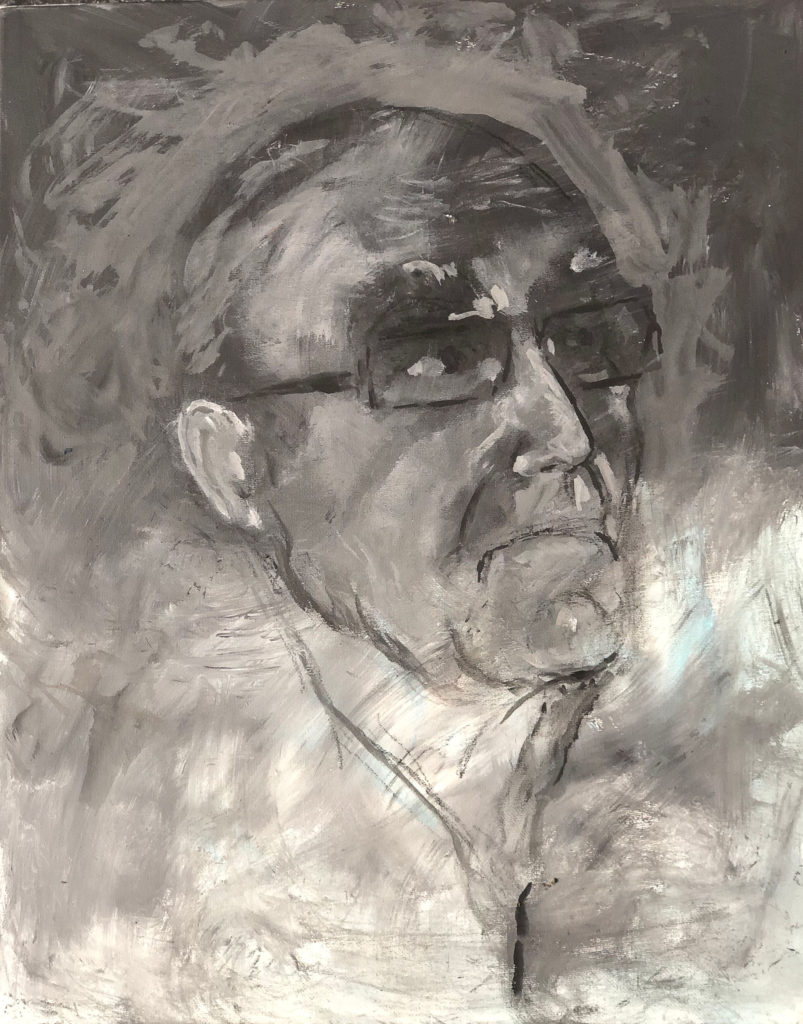
Friend Jos.
study.
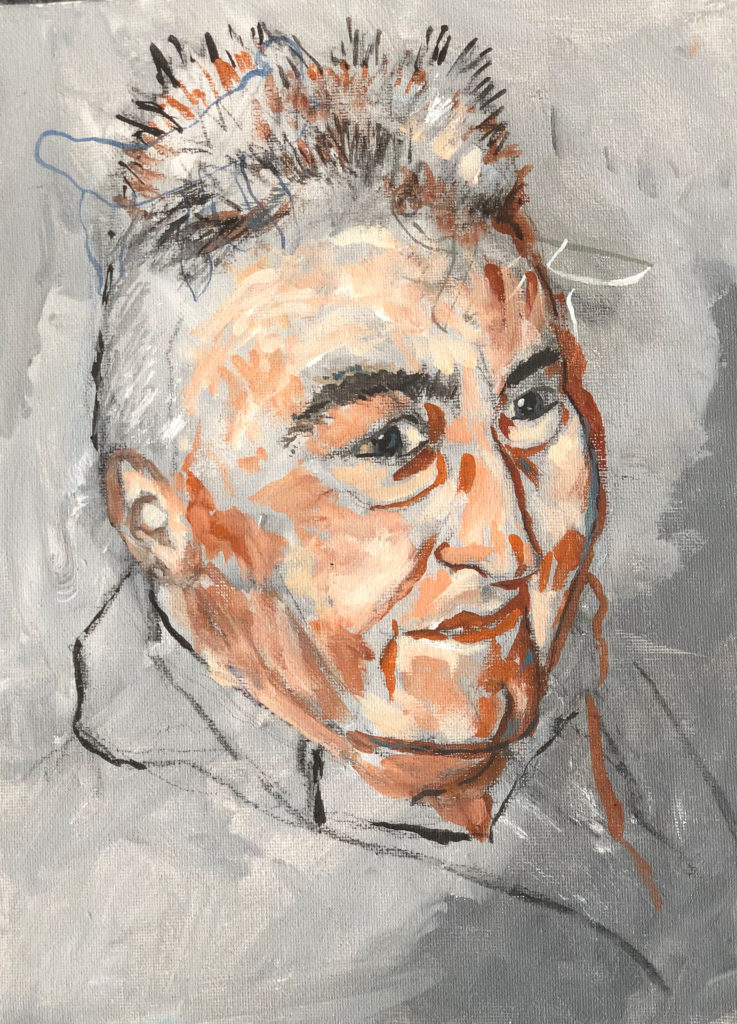
Friend Dré.
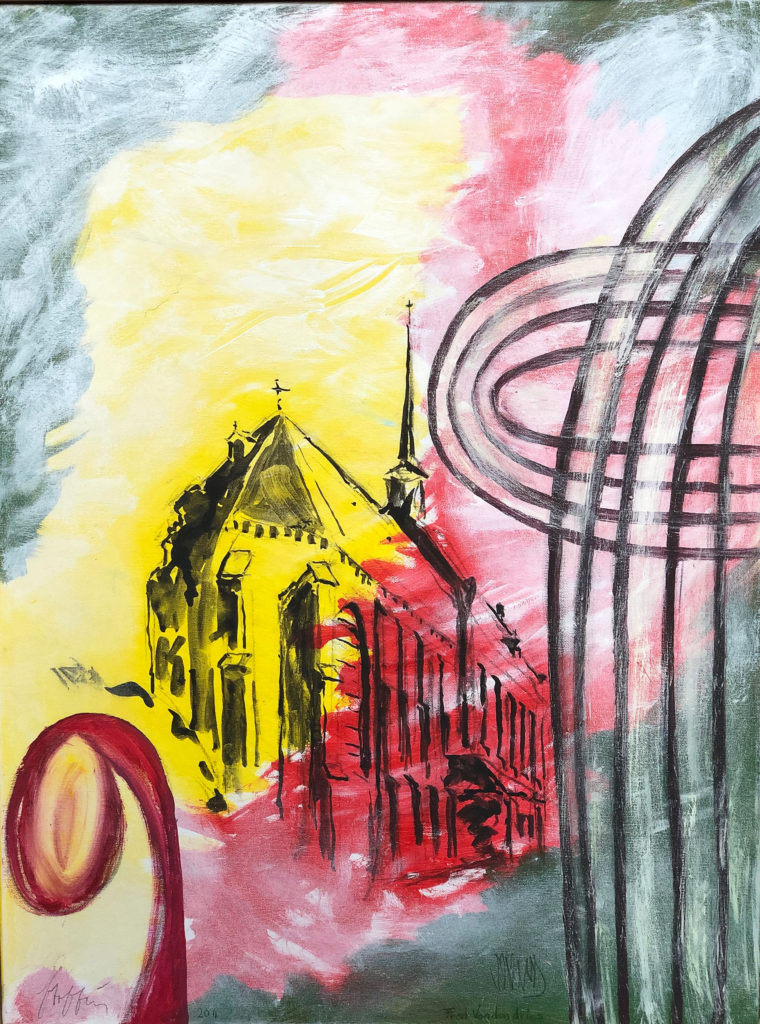
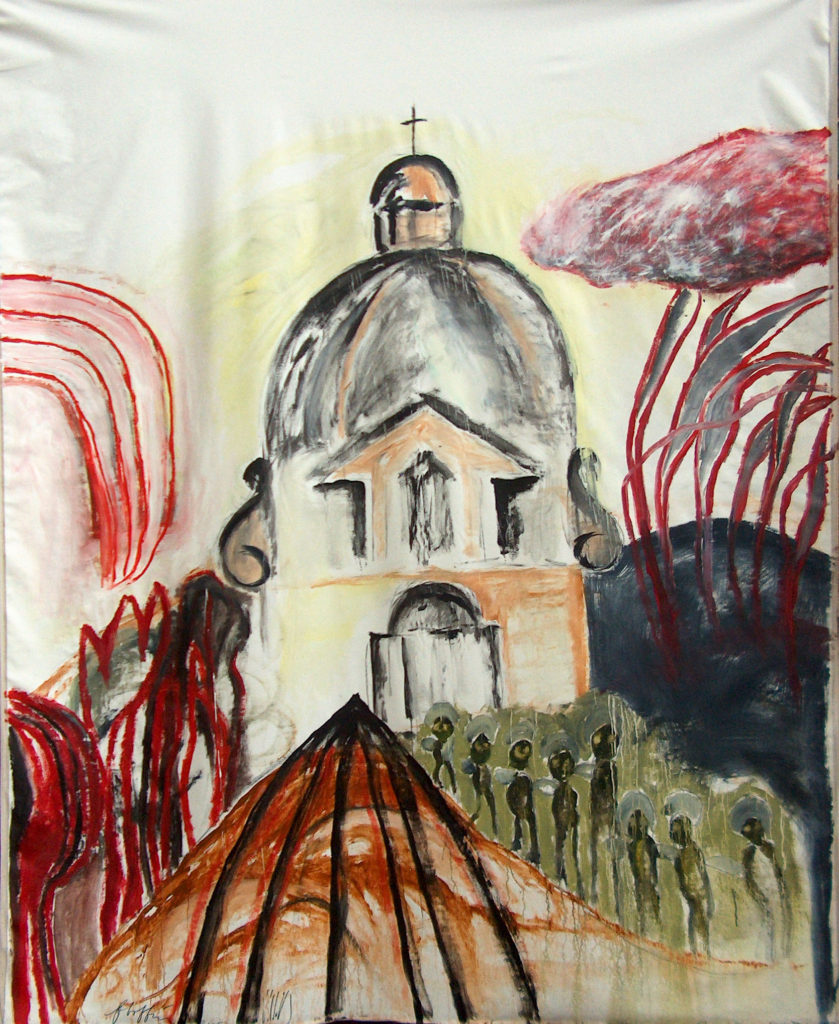
50×70 cm (diptych)
Gasthuiskerk.
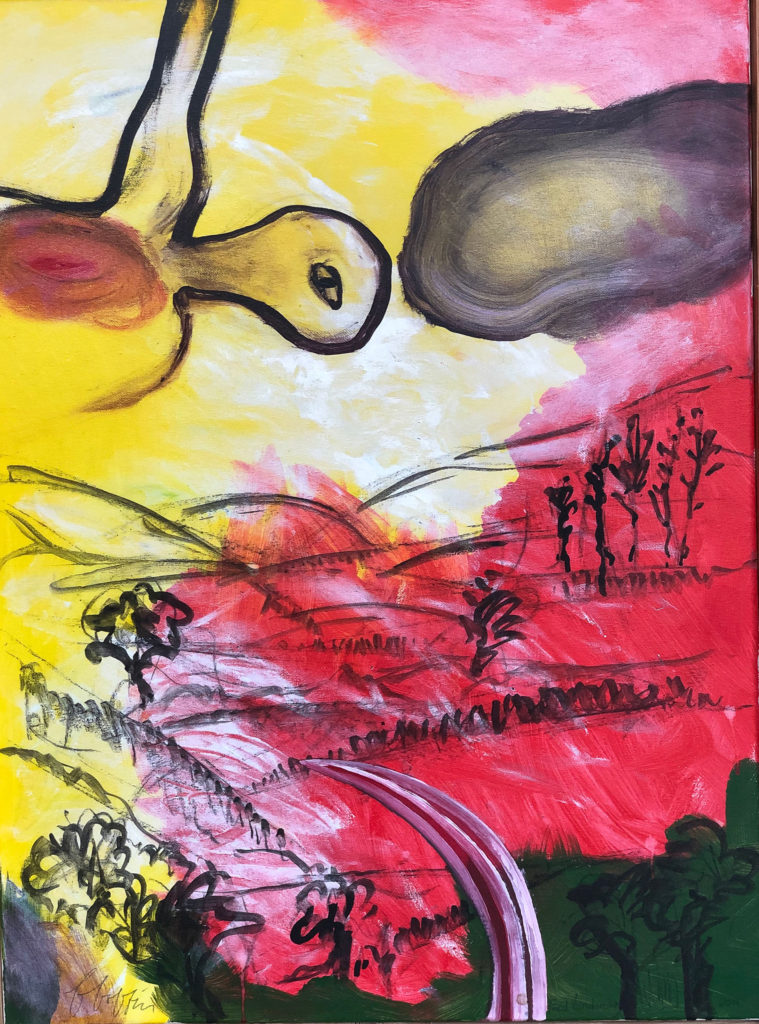
50×70 cm (diptych)
Hageland.
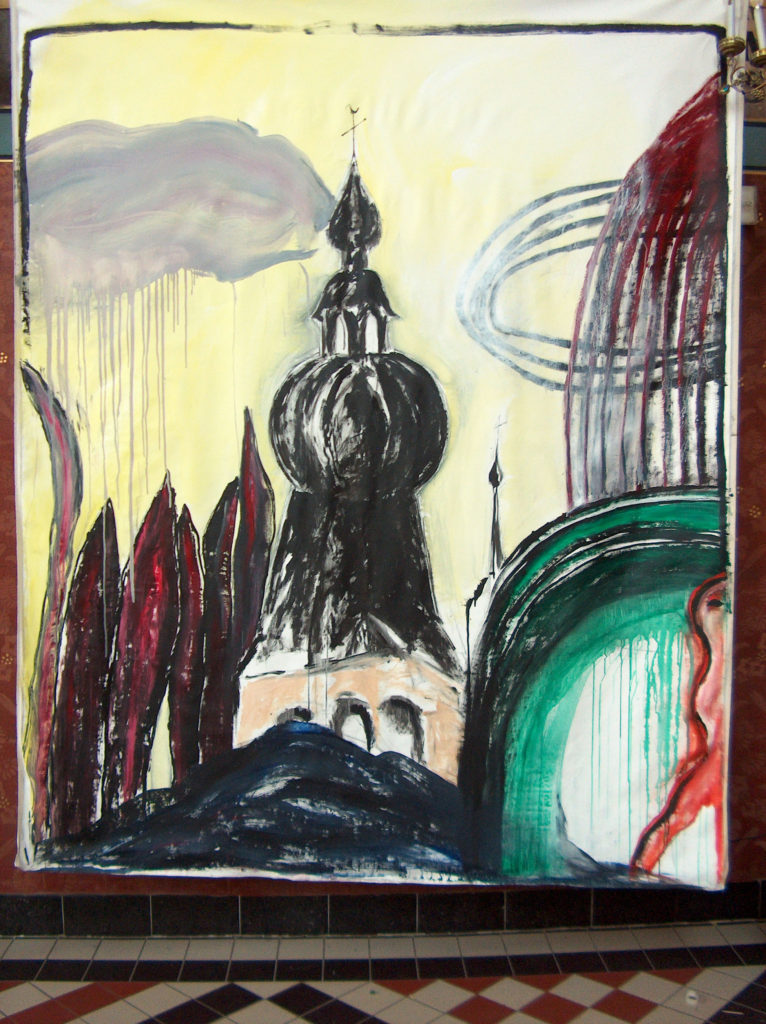
220×300 cm
Fred Boffin, Fred Vandendries based on a drawing by grandson Lode.
Scherpenheuvel.
220×300 cm
Aarschot.
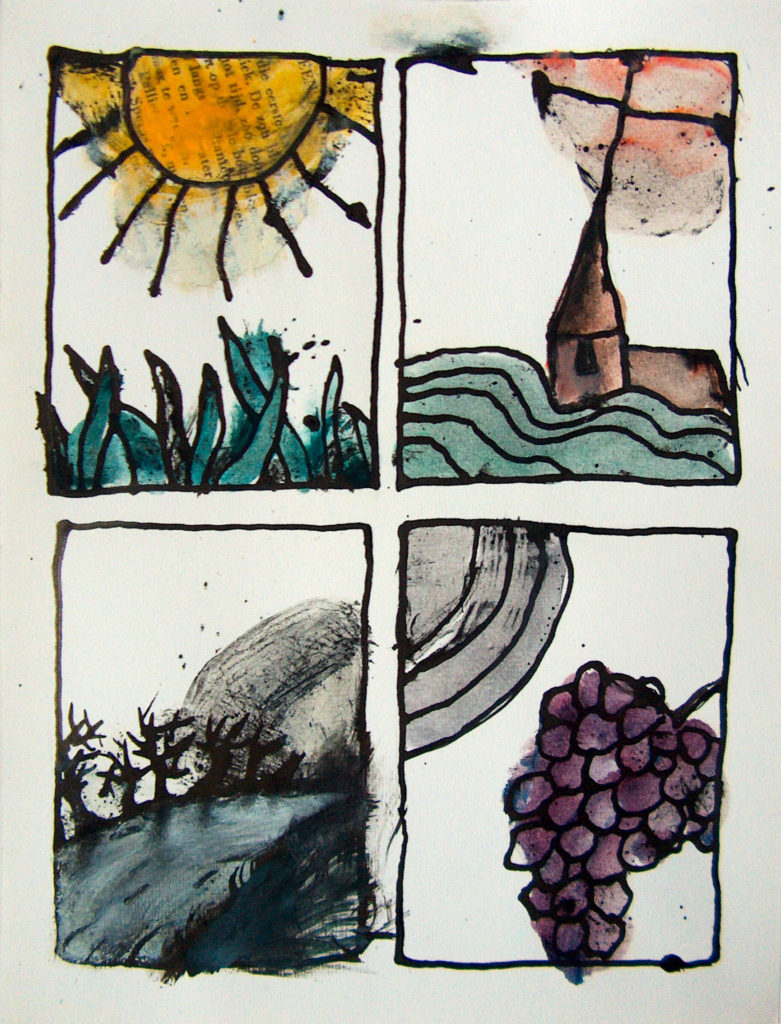
Fred Vandendries & Fred Boffin.
Coloured collage – graphic art.
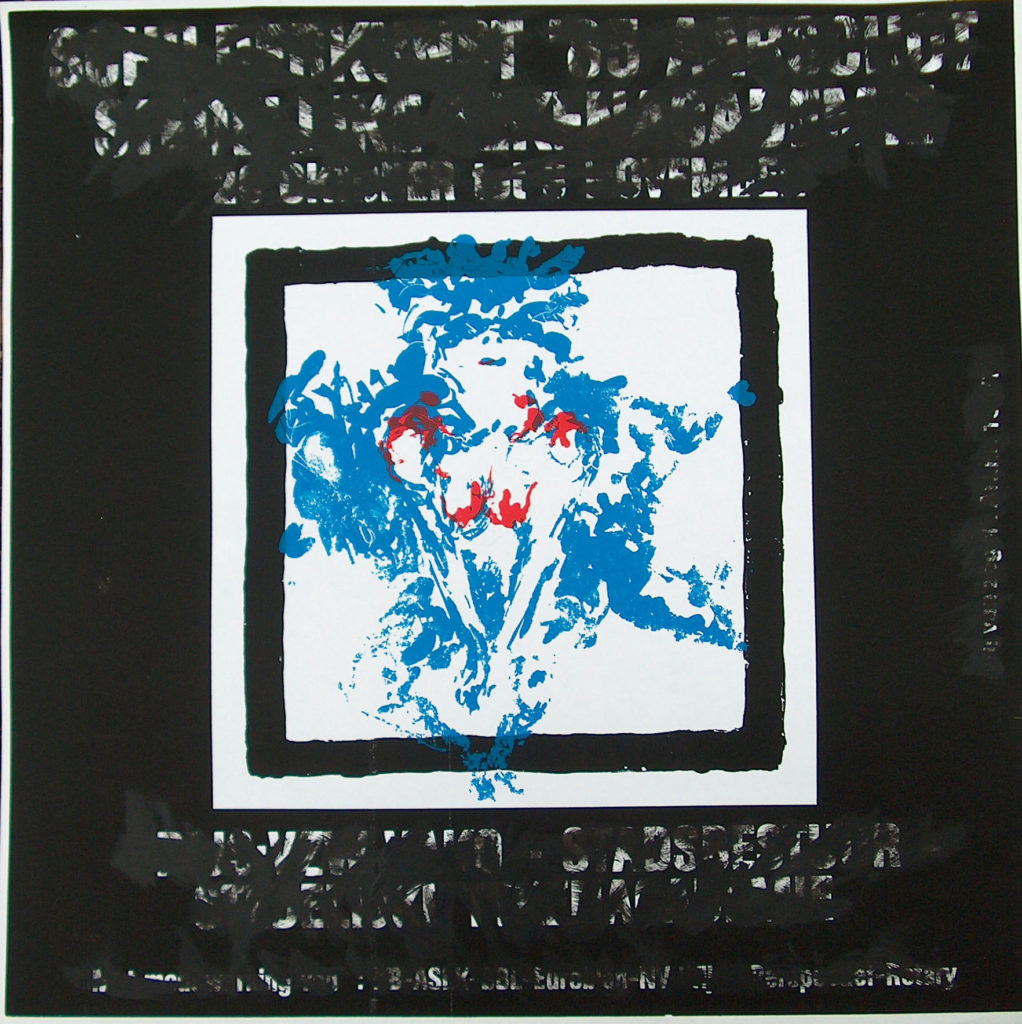
Vako – Prize – Friends of Aarschot Art Education.
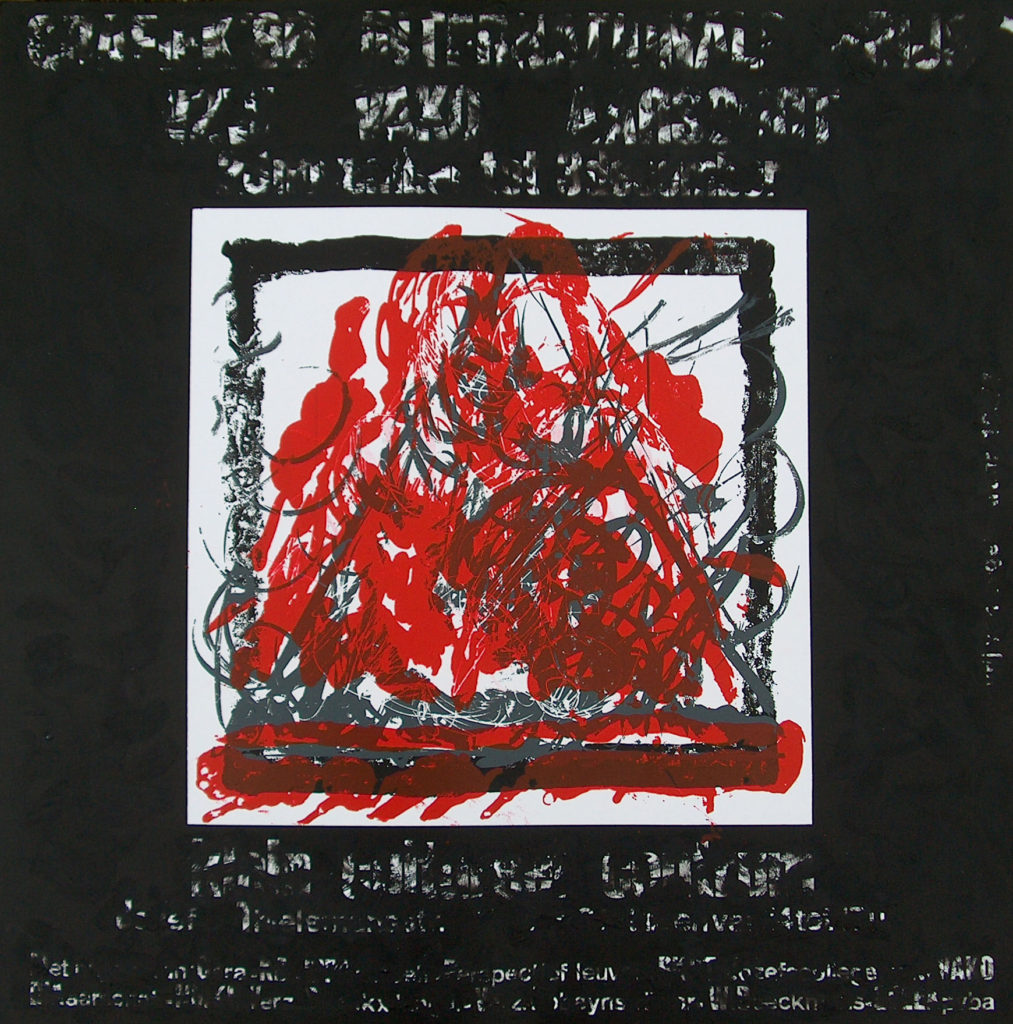
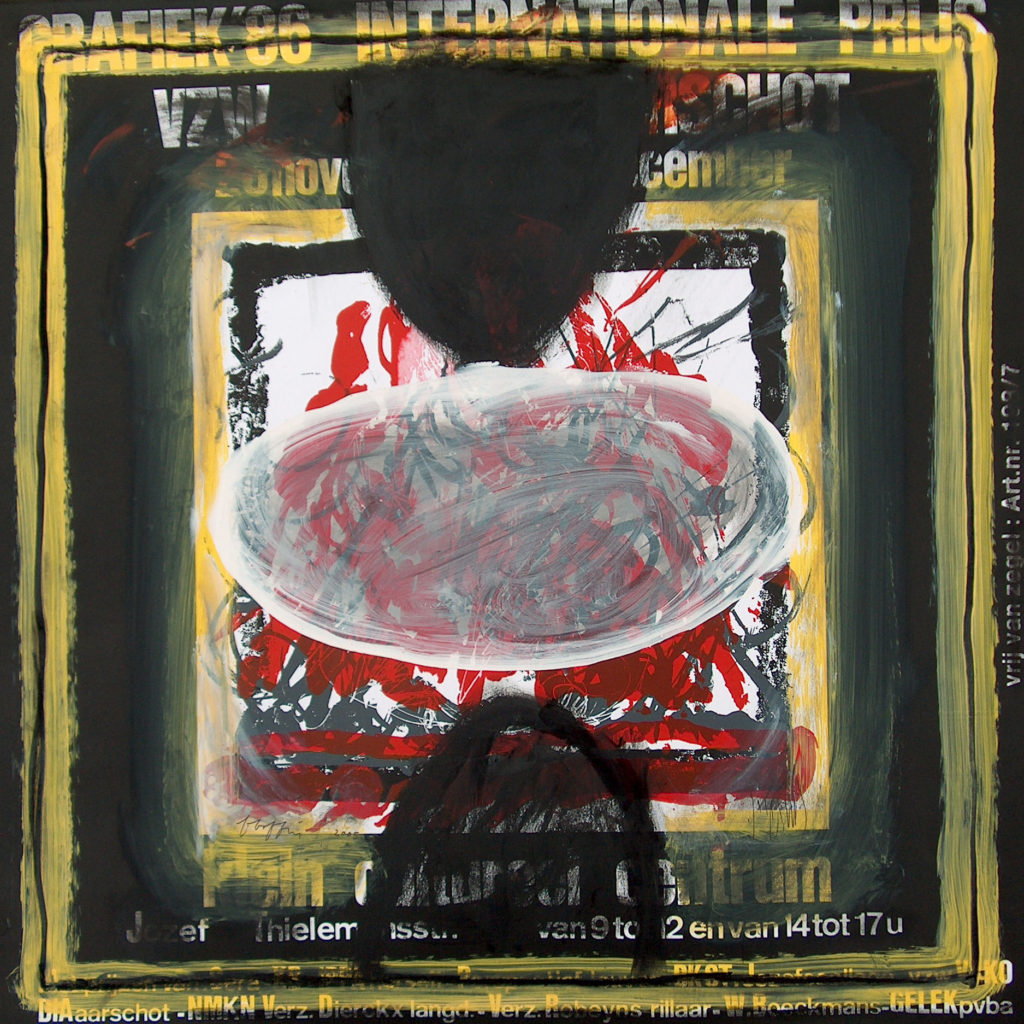
Fred Vandendries & Fred Boffin.
Study work.
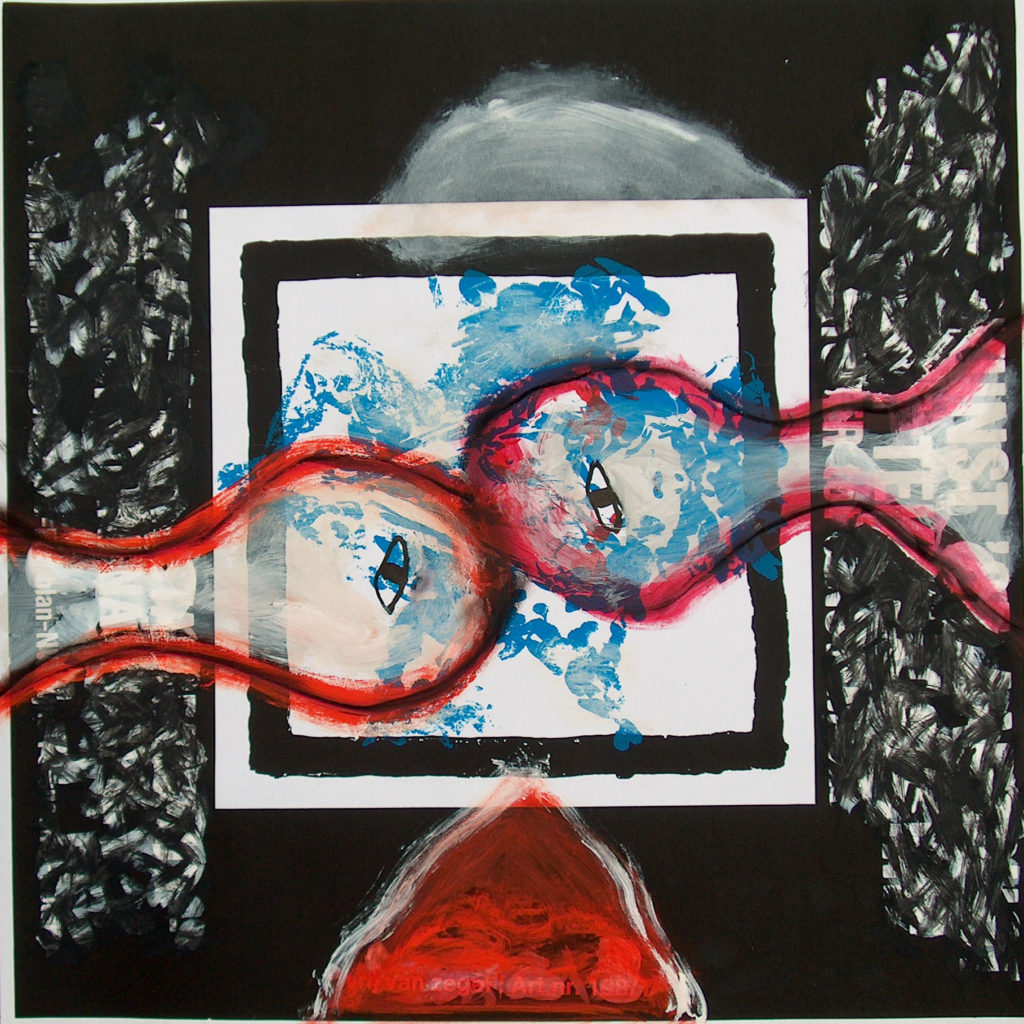
Fred Vandendries & Fred Boffin.
Study work.
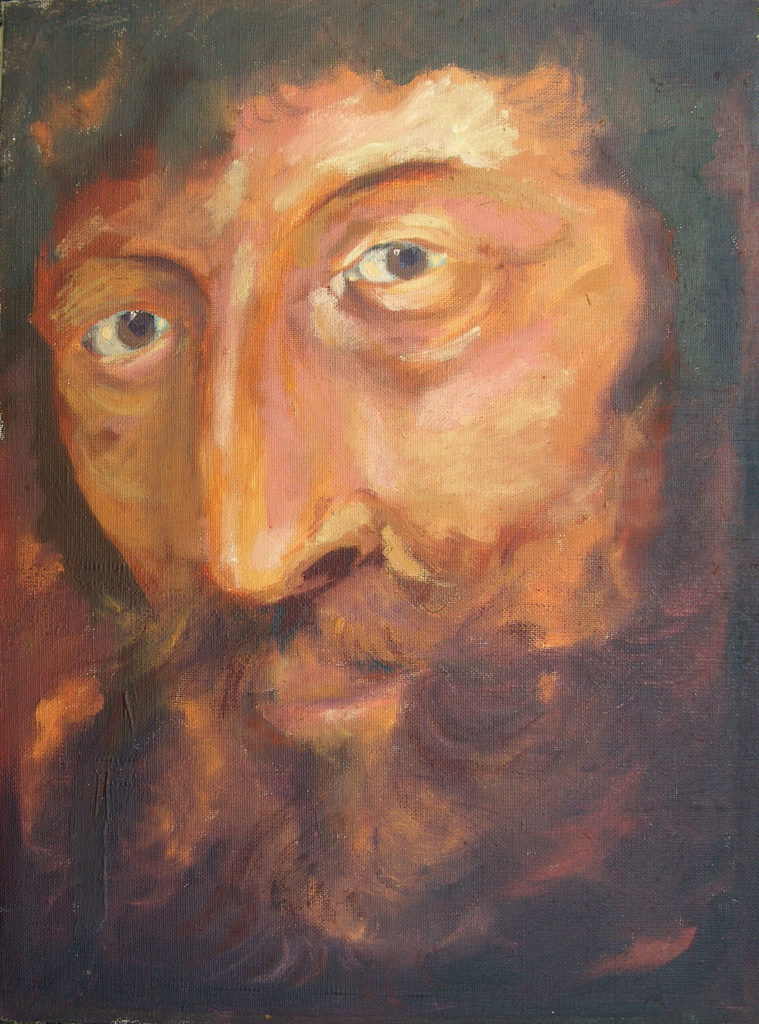
Rubens – portrait study.
FRED VANDENDRIES
Born in Scherpenheuvel, 4 February 1947
Married to Paula Willems, children Hilde and Sophie
Residence: Tuinbouwstraat 3 in Wolfsdonk
Studied plastic arts at the Provincial Normal School in Tienen
Teacher in the department of visual and architectural education at the Sint-Jozefscollege in Aarschot
Teacher in Zaire from 1970 to 1972
Active in VAKO, the Friends of Aarschot Art Education, and AKR, the Aarschot Cultural Council
Description of the work
Life – the eternal struggle between
good and evil
power and powerlessness
matter and spirit
life and death
sharp and blunt
white and black
rough and smooth
hard and soft
duality
He made his debut in a poetic-realist manner, but quickly evolved towards a more abstracting form. Through movements: Realism, Magic Realism, Surrealism, Hyperrealism.
In his work colour touch and the creation of atmosphere are important. In his lively and colourful compositions and assemblages, supple forms, human and natural elements, the horse as man’s closest companion, signs and symbols appear that bear witness to the secrets of life, things, beings, the world. Practising art is for Fred not a formalist trick, it sees deeper. It almost acquires a religious dimension.
His work is a form of transmission, communication, approach, rendering of the inner, in a particular moment in time, taking into account the motor – primal force – environment and society. What matters is the period in which it arises, the content, for me personally, certainly not commercial.
The execution, the technique, is important, but much less important than one thinks. The material used offers other possibilities, for other work.
In 1984 work arose under the sign of Orwell and his thoughts. Everything changes – as a constant rule – continuously.
Such as seeing, thinking, feeling, mindset, values of life, religion. It need not be only visual at all. It is clearly the struggle with life, feelings, environment, people and nature. Important is the process of dying off (struggle with oneself with love), this is all-dominant.
Only time remains unchangeable although we want it otherwise, time knows no time.
Evoke a certain mood – atmosphere. Above all the expressing – the work, the moving, the coming into being – with emphasis on COMING INTO BEING is important.
Exhibitions
1968 Tienen PNT
1971 Zaire Lubumbashi
1973 Mechelen
1977 Heist op den Berg AXIS
1985 STROMBEEK BEVER C.C.
1988 AARSCHOT ASCOT
1992 Capitalist piggy bank – 10th anniversary of VAKO
Text by Ari Gozin – Opening Capitalist piggy bank
Even as a little boy I was fascinated by the figure of Saint Nicholas or the head of Leopold II. They have little in common, unless perhaps the shape of their heads: a broad beard tapering upwards to a point, the head – a true pyramid.
Everyone probably knows the picture from the puzzle book where you have to match dog and master on the basis of funny similarities…
Today too we name horse and rider in one breath. For it is striking how much the figure of Vandendries resembles his little work of art the ‘Capitalist piggy bank’ made for the 10th anniversary of VAKO.
When I saw this ‘object’ for the first time I tried not to think and listened to what Fred would tell me about it. That was not even surprisingly little: can you expect more from an artist who works so spontaneously, rhythmically and impulsively, and puts a thousand sensitivities into his work? His piggy bank is full of metaphors.
The shape alone – a triangular pyramid – emphasises the SYMBOLISM: the magic number three, the perfect expression of ‘multiplicity’. It is universal and timeless: the Christian Trinity: authority, feeling and reason. The Marxist dialectic of thesis, antithesis and synthesis…
Add to it yourself: tension between left and right, between young and old, life and death; experiment versus experience, surface – and superficiality – versus depth, possession – occupation – obsession… expectation and fulfilment, word… law… and deed. It is open to so many interpretations, material for a thousand and one stories.
With this constant, however: the tension is pushed to the extreme, and never leads to the calming of tempers, or to powerlessness, but to rebelliousness and resistance. The indictment of the injustice of every antagonism and exploitation, where the weaker has to face the complacency and lust for power of a dubious New Order…..
I am engaged in a Fred-ian bolting away. Let us not lose ourselves in reflections and abstractions, and be more materialistic, like this subject – the ‘ditto’ piggy-bank plague.
The striking choice of material refers to the pronounced craftsmanship that is emphasised in this art object. Art is not conceived, treated and practised like consumer goods, which are mass-produced and of which only the price makes the immediate usefulness clear to us. From this the artist draws joy: he is the creator, the seer and the shaper, and.. he amuses himself, just like that other Creator, with clay.
Also with other materials – coincidentally (?), again three.
The breeding ground, the base, is soft and feels warm. An immediate association that forces itself upon us is the womb, or, more archetypally, nest warmth, our primal culture, unexplored and unsullied territory from a distant past.
Then comes – in a foetal pink – the stone house, the shelter, civilisation – besieged and scratched. Are they scars or can we look for the (lost) symbolism of hieroglyphs? Behind it, in there, we pile up our (sensory) perceptions; we collect our experiences, we keep the important facts of our existence.
It ends in the point – an uncertain reaching towards a grey future? Or does the material refer to the ‘Magnum Opus’ of the alchemists, who sought to change lead into gold, the ultimate act of refinement?
In any case an elegant finishing piece that was perhaps fashioned with the most feeling: you suspect that Fred was intensely occupied with it.
Jokingly he calls it a gnome’s cap, a fool’s cap, but do not all sensitive souls hide their vulnerability behind humour? What is certain is that this last part of the triptych is laden with symbols. It seems as though the piggy-bank slot was initially closed off by a lead-heavy obstacle. In any case, in the first phase it was so virginally narrow that you could not even squeeze the smallest coin through it. And see how strongly the metaphors force themselves upon us: do we not think of that other medieval curiosity – the chastity belt? Let us not dwell on the spicy detail, but view the whole allegorically. The knight who uses his brute force to defend the values of the West while knowing his feelings protected and safe. This is in any case one of the messages Vandendries wants to give us – protection.
The safeguarding of innocence, the protecting of the youth whom he does not want to confront with soulless materialism, with commercialisation in art – as in all aspects of our daily existence. The youth, whom he wants to shield from the dangers of entrenched self-interest, of economic exploitation, of flattening.
Against the hurried, the ephemeral of the consumer society, the video clip, the commercial, the BTK relationships, the rat race, the turbo life, he sets the solidity of the old, firm values: working and enjoying, toiling and making love, living and loving. All this with the ancestral symbol of 40 centuries of civilisation: the pyramid, on which a whole nation worked for years; slow, human progress against an unkeepable-up-with and inhuman technology.
All speculators notwithstanding, art does not represent stock-market value and ideas are not an investment.
Fred Vandendries’s capitalist piggy bank carries a message of vigilance – on one side is the all-seeing eye of the ‘no swearing here’ picture. It is at once indictment and reflection. It is a lesson given for us to understand, a symbol of a meaningful existence, from which you take only what you have put into it. It is beautiful to look at and finally, consistent to the utmost, it is not even for sale: it is free for whoever becomes a member of VAKO, the association that has celebrated its 10th year and has managed to give shape to similar ideas in its policy.
And so we are once again at that rich past which we can look back on with the necessary nostalgia. Let this wistfulness then also be the only thing standing between dream and deed, let us join word and deed harmoniously. So no closing word, but a last gesture, and that I leave to Fred.
To him the honour of opening this evening – together with his ‘piggy bank’…
1990 Langdorp
1994 Country guild Wolfsdonk
1997 Aarschot-Brasov (Romania) Corneliu Mihai, Ludo Van Hees, Zoltan Albert, Fred Vandendries and Nicolae Trutiu
2005 You won’t believe it Loeseefred 2 HAGELAND (Aarschot, pearl of the Hageland)
Fred Vandendries exhibits with Fred Boffin, Lode and Seppe Degelin in the Gasthuiskerk CC Aarschot
An art project whose common thread is the confrontation of a series of children’s drawings by Lode and Seppe with the work of two fifty-somethings, Fred and Fred
2006 Loeseefred 2+ PALLIETERLAND (after the book ‘Pallieter’ by Felix Timmermans)
Artists’ collective Seppe and Lode Degelin, Fred Vandendries, Fred Boffin and Nady Cuypers at Art-mac-adam Booischot and Elzenhof Castle in Aarschot
Connections: land of dynamism. No place in the world has so much creativity, so many artists, in the past, now and tomorrow. A heart for the youth, the future!
2010 more than ten years of art purchases by the Aarschot Cultural Council in the Stedelijk Museum Aarschot
Aarschot bloom, painting purchased in 2005.
The Church of Our Lady of Aarschot as a symbol of a bustling town. The work radiates a naive, creative optimism
2011 Loeseefred 4 Art collective HAGE-N-LAND CC ’t Gasthuis;
together with Fred Boffin, Lode and Seppe Degelin
Text by Agnes Hendrickx, chair of the ACR
This 4th exhibition is devoted to the Hageland, a region where there is still much unspoilt nature, where large expanses of farmland are still present and where people still know themselves connected to both.
It is obvious that this exhibition takes place here, in Aarschot, the pearl of the Hageland, in this magnificent Gasthuis chapel and its corridors. A spicy detail is that years ago, when this chapel was falling into disrepair, Fred Vandendries, together with among others Ludo Van Hees, contributed his bit to the restoration and preservation of this unique site.
One of the eye-catchers of this exhibition is therefore the monumental work on loose-hanging canvas of the front of the Gasthuiskerk. It is the meeting of two styles: Fred Vandendries first painted the church building true to nature, after which Fred Boffin in his own, somewhat stormy way added sky, people and vegetation. Although the styles differ, a surprising symbiosis arose. Let this immediately be the guiding thread for many of the works exhibited here.
In this exhibition, however, it is not only about the works of Fred and Fred, but also those of Lode and Seppe Degelin, two young children who are intensively occupied with creativity, with form and colour and also with music.
You will notice that the symbiosis goes further than that between two artists who fertilise each other’s work. It is also about the symbiosis between two generations.
Many of the works exhibited here have their origin in the child’s mind, totally unprejudiced, an unselfconsciousness that is hard to find among many adult artists today.
The form of expression of the Cobra movement of the 1940s and 1950s is never really far away here. For those artists too let themselves be inspired by children’s drawings – spontaneous and unconstrained – and by the art brut of the mentally ill, precisely because in both cases unselfconsciousness has the upper hand.
The powerful simplicity of the child’s drawing, both in line and in colouring, thus forms the starting point of several works in this exhibition.
Whoever looks closely finds a piece of the Hageland everywhere, sometimes obvious, sometimes half hidden. On the one hand people take precedence, then again the Hageland play of sky and clouds, the village centre with church or the exuberant vegetation of our region, without forgetting its rich fauna with, among others, horse, owl, badger and hedgehog.
An ode to the Hageland!