<< VII Brother Jos
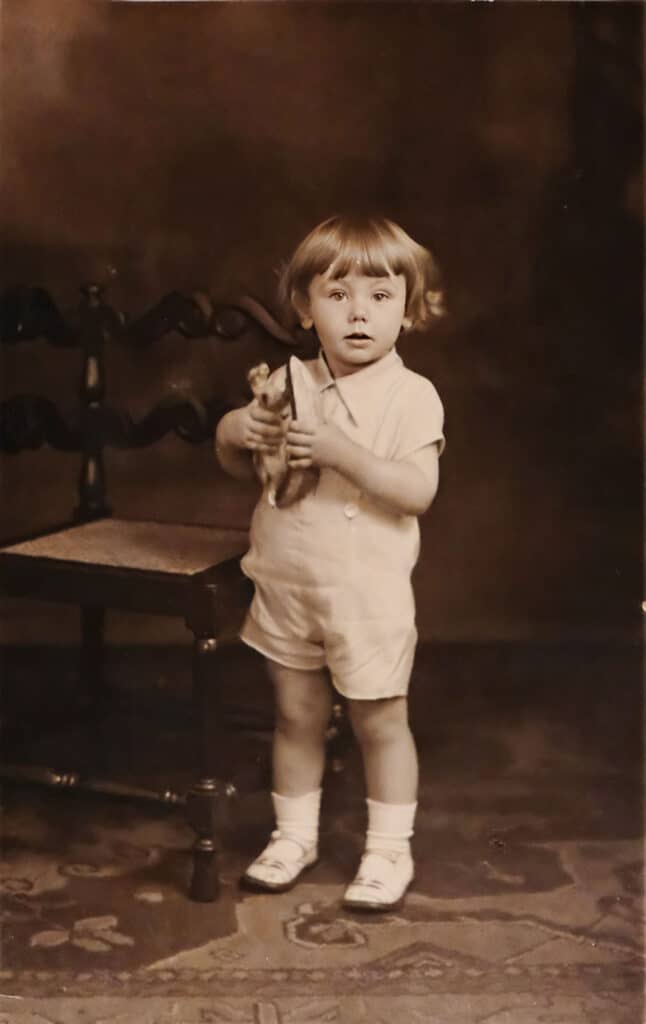
Godfried Van Kerckhoven (1926-1929)
After a playdate at the neighbours’, an infectious disease takes hold of Godfried. Croup costs the toddler his life. Godfried’s parents feel the pain of an almost unbearable grief. It looked as though their little son would later be buried with them. The influence of the rock-hard sugar aunts is clearly felt when they alone decide that the cherub will end up in their future family tomb. When Clementina, with a broken mother’s heart, brings another son into the world in 1930, the child is likewise given the name Godfried, the later notary Van Kerckhoven.
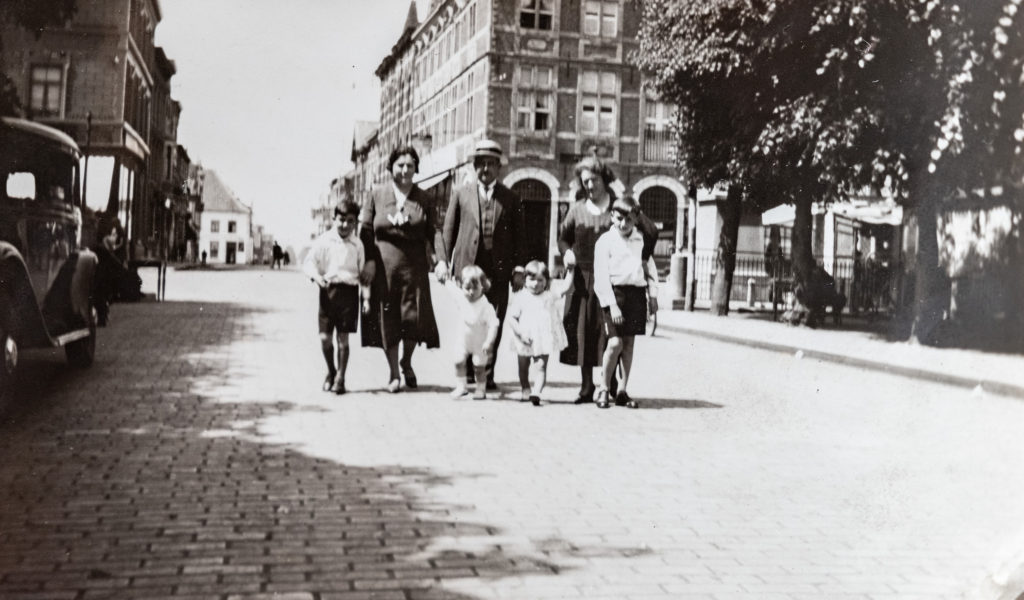
Jos, Clementina, Arthur, Godfried (1926-1929), ? , ? , Paul
Pieter delves into Godfried’s sad fate in order to place his short life in an artistic perspective. A haunting piece, not to say one that sticks with you.
A Child’s Lament
Little Constantijn, blessed little child,
Little cherub, from on high,
The vanities down here
Laughs at with a drowsy eye*.
Mother, he said, why do you weep?
Why do you weep* over my corpse?
Above I live, above I float,
Little angel of the kingdom of heaven.
And there I shine, and there I drink,
What the giver of all good
Gives to the souls that teem there,
Frolicking* in much abundance.
Learn then to travel with thoughtfulness*
To palaces, out of the mire
Of this world, which whirls so:
The eternal takes precedence over the moment.
Joost van den Vondel (1587-1679)
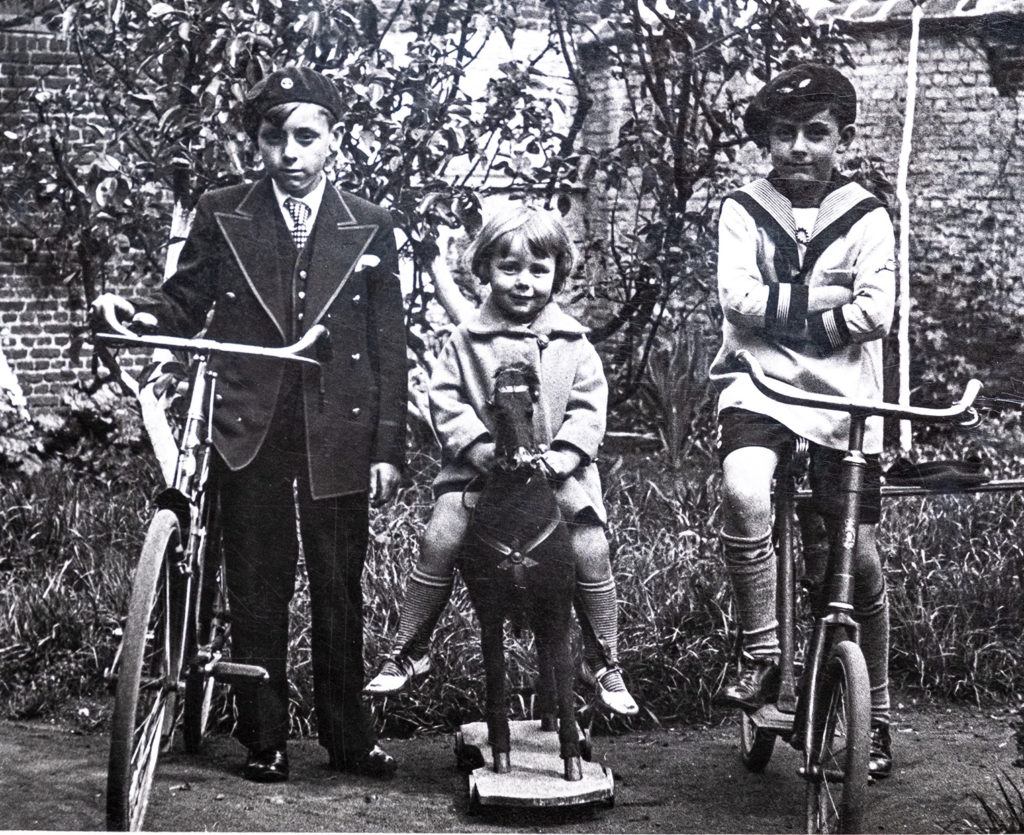
Paul, Godfried (1926-1929), Jos
Frie finds it exaggerated and abnormal how his parents and aunts forced him, throughout his youth, to pray mournfully for his deceased little brother Godfried.
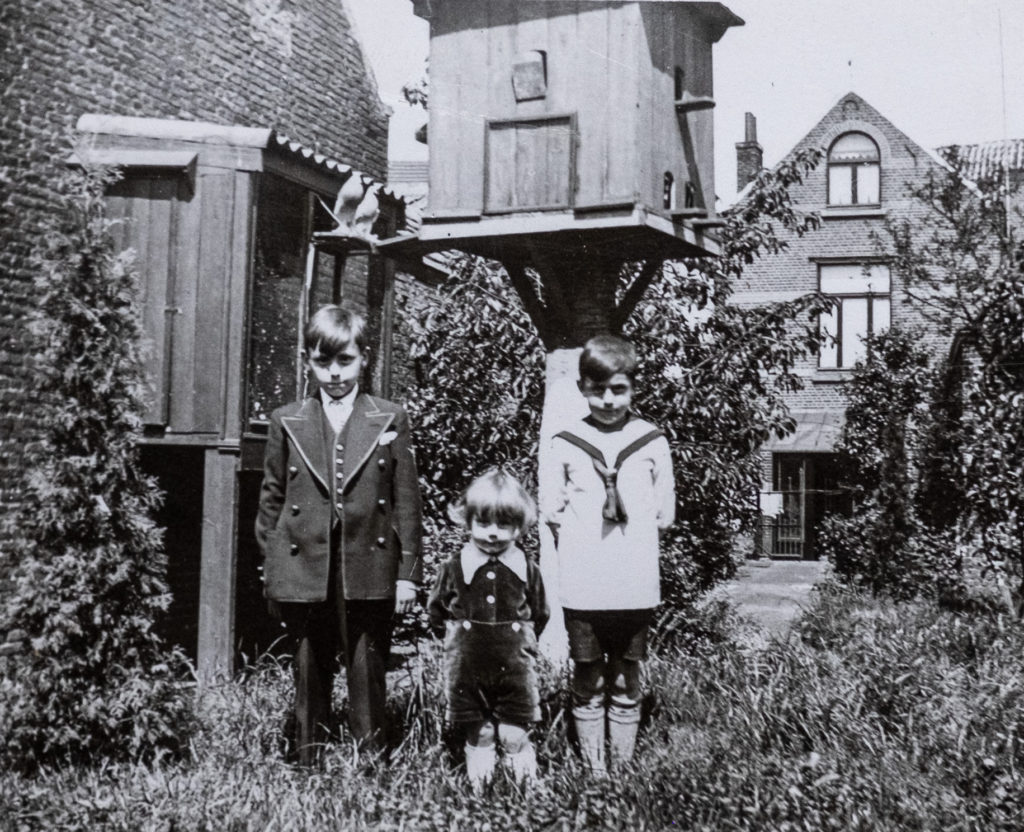
Paul, Godfried (1926-1929) Jos Arthur breeds turtle doves in the garden at Martelarenstraat 34
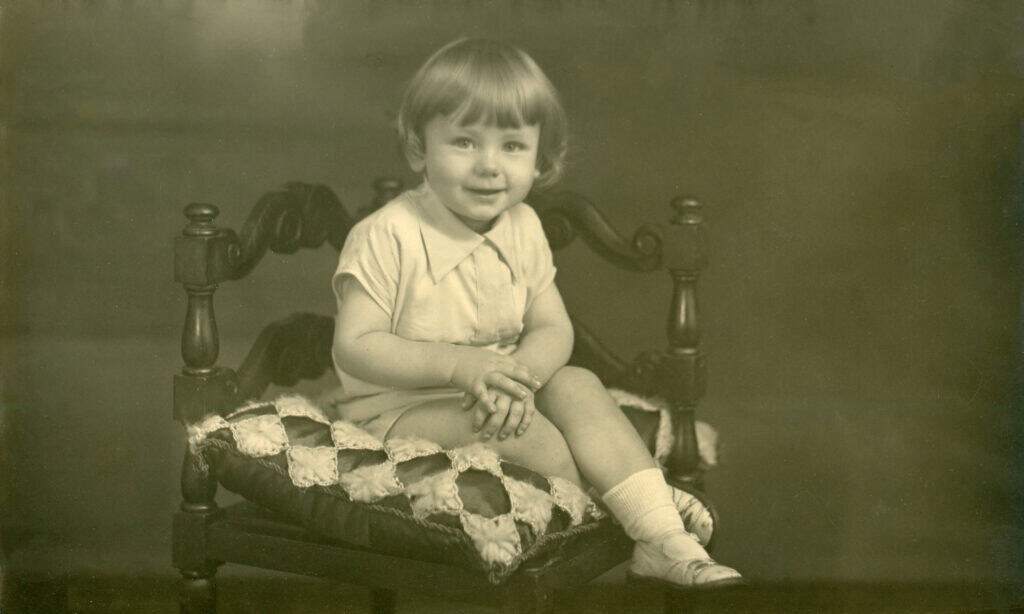
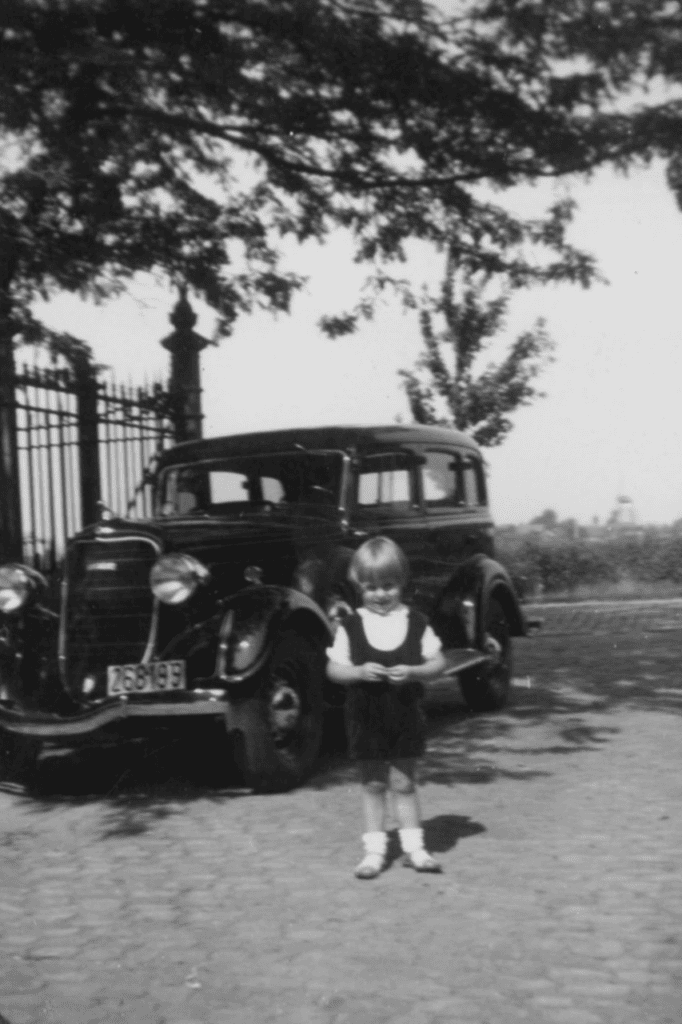
Godfried I
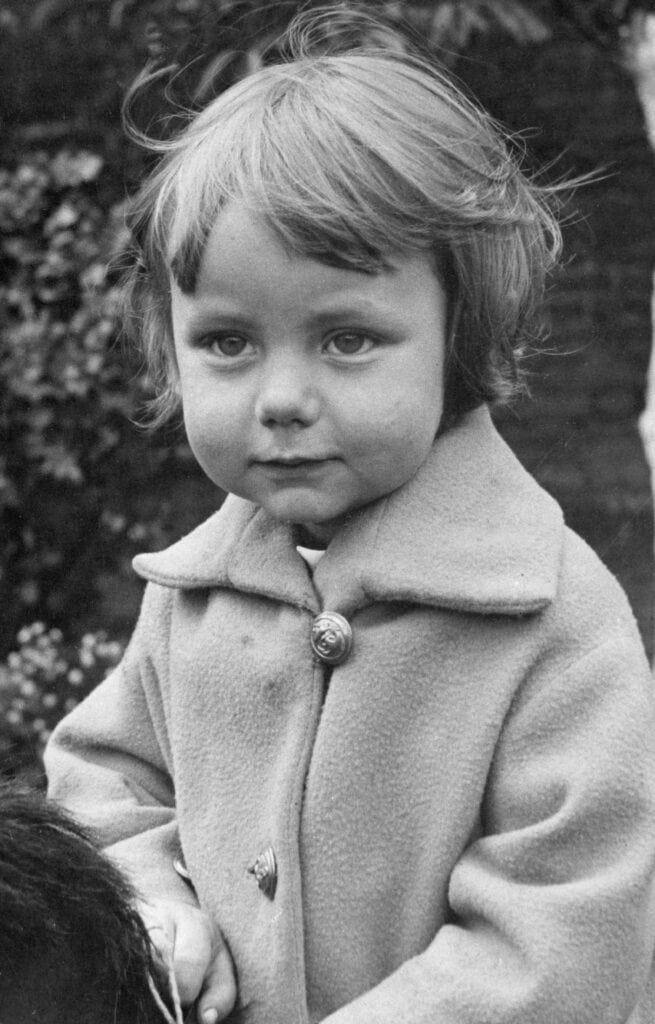
Godfried I
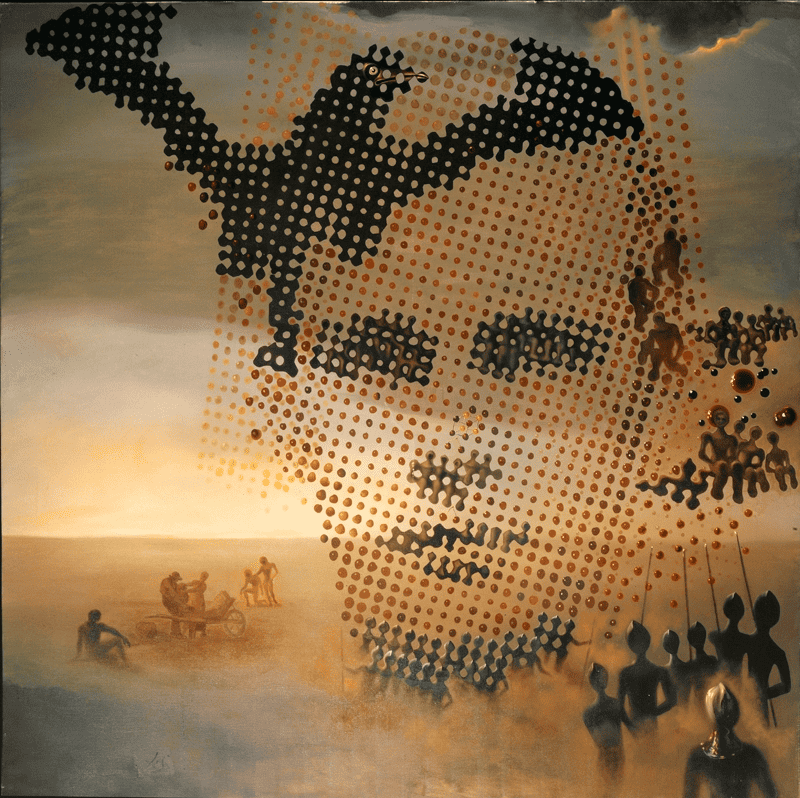
“Portrait of My Dead Brother” (1963) – Salvador Dalì – 175×175 cm – The Dalì Museum Florida
In 2001 Pieter visits The Dalì Museum in Florida and comes across “Portrait of My Dead Brother”. Salvador Dalì, his father, a notary, and Dalì’s elder brother shared the same first name. In 1903, barely a year before Dalì’s birth, Dalì’s elder brother died. To come to terms with the weight of the loss of his brother, Dalì painted “Portrait of My Dead Brother” in 1963. “I carried in my body and in my soul the clinging corpse of this dead brother” mused Godfried, as did Salvador Dalì. With fictitious adult features, the ghostly brotherly face, shaped by crushed cherries, is pushed into the distance by the pikes of conquistadors. In the landscape one can make out a reinterpretation of Millet’sAngelus …
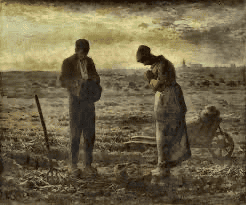
” The Angelus “ (1859) – Jean François Millet – 55,5×66 cm – Musée d’Orsay Paris
Dalì was obsessed with this painting; he would produce 80 different versions of it.
“The two peasants are not praying because it is time for prayer. They are praying because they have just buried their dead child.” The artist wields such power that in 1963 the museum yields to his request and has the masterpiece X-rayed.
Dalí was right on one point: beneath the wicker basket placed on the ground, the X-rays reveal that Millet had painted a rectangular black box. But is it really a coffin? Millet inspired Hopper, Banksy, … . Godfried’s mother-in-law cherishes a reproduction of this artwork in her sitting corner. According to her, the church bell alerted the farmers to pray for the poor.
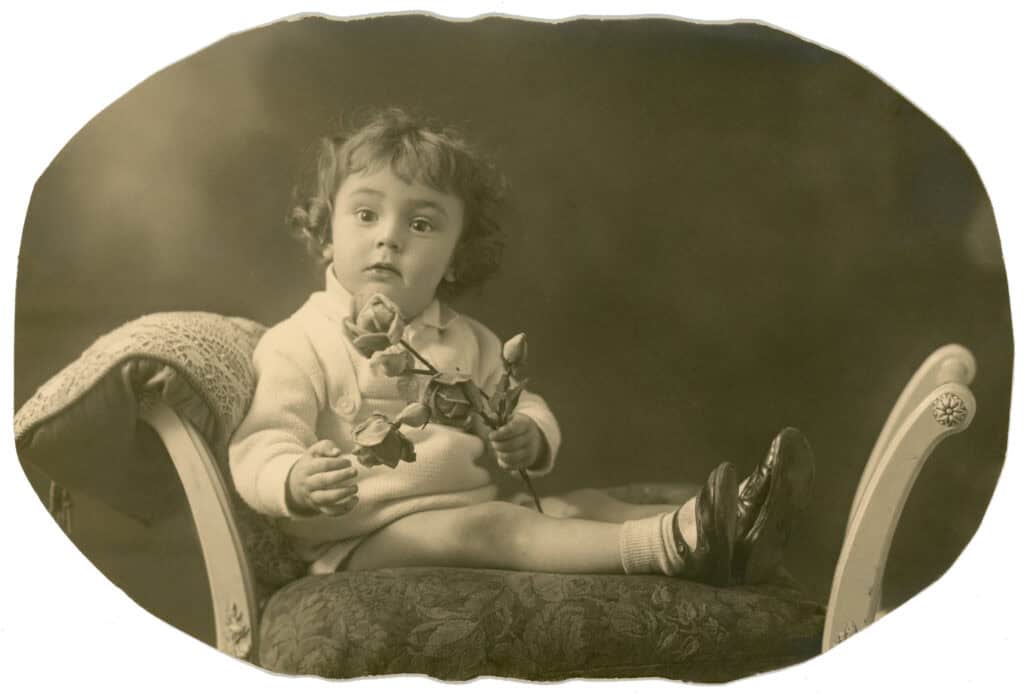
Godfried I
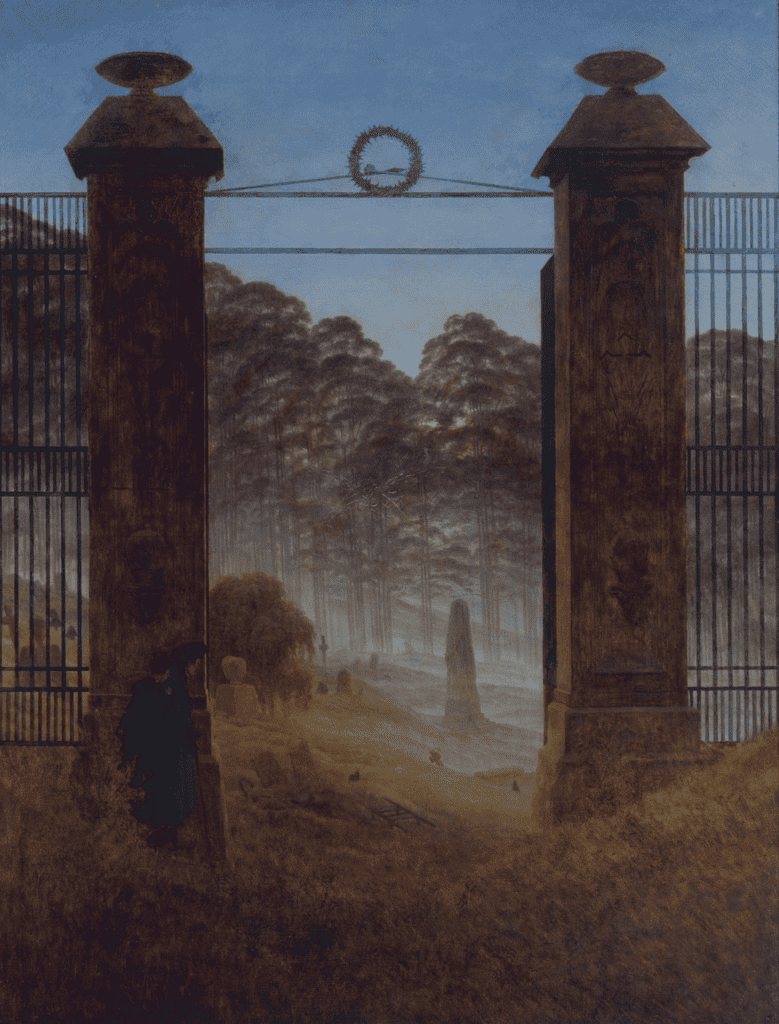
“Cemetery” (1825) – Caspar David Friedrich (1774-1840) – Dresden Are Friedrich and his young wife the ones looking here at the grave of their dead child? “Only the Russians understand the romantic soul of the Germans.” – Wassily Kandinsky (1921)
heavenwards
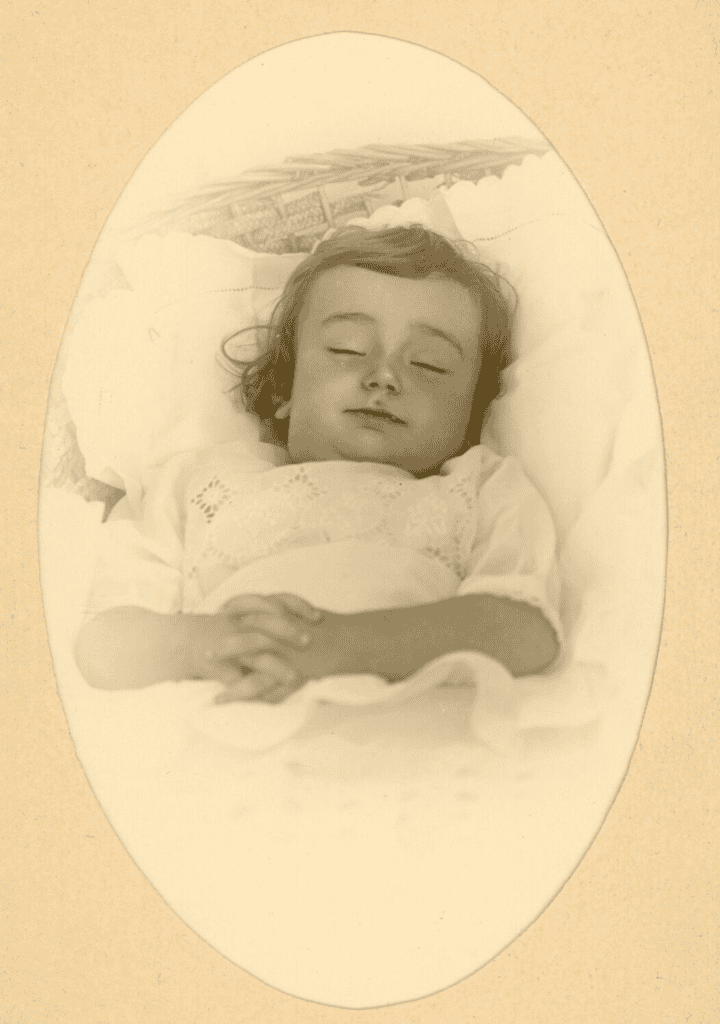
Godfried (1926-1929)