XIV Frie and Mia: nobody saw this coming!
“If a book were ever written about me, the title would have to be ‘trop aimée’.” – Mia
Who exactly is the Limburg beauty?
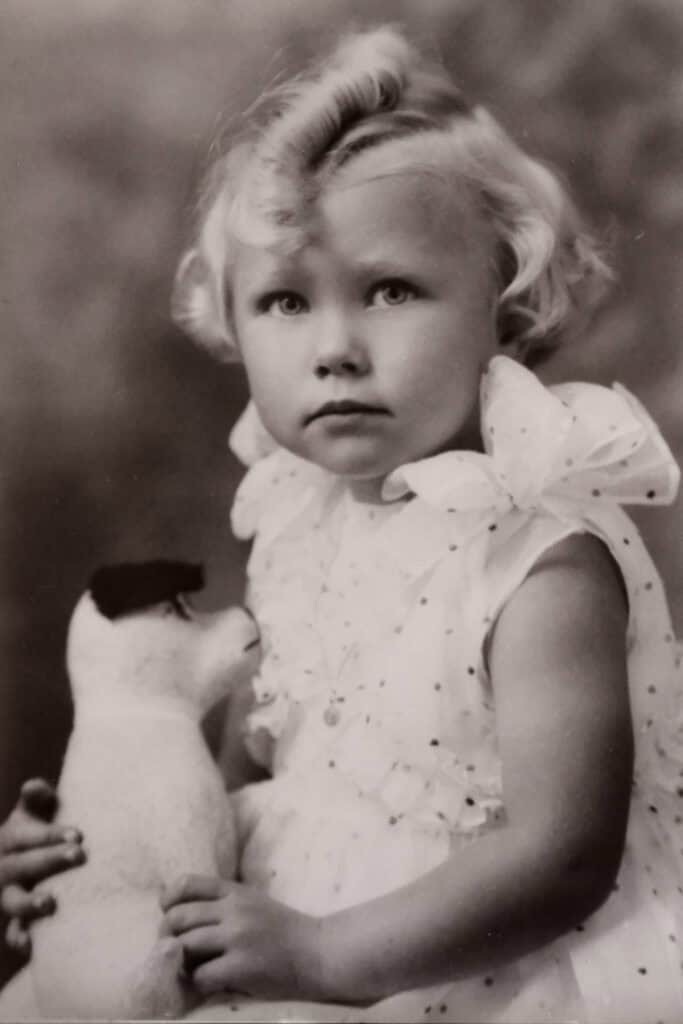
Mia is born on Candlemas 1940 in Heusden as the only child of Clément Jamar and Colette Swerts. The Limburger is actually called in full Maria Berthilia Theofiel Jamar.
For her baby Colette chooses the first name Monique. But the little nuns of the maternity home quickly turn it into a Maria. This choice of name is based on a pious tradition: On 2 February we commemorate the Blessed Virgin Mary. The little daughter of Clément and Colette is assigned to God and, like Mother Mary, will have to devote her life to God’s will. “Our Mieke spat out her first milk. The doctor said I should just add chocolate to it. Then she drank the bottle empty.” – Colette At 11 Maria decides she wants to be called Mia. On Candlemas Mia and Pieter celebrate their birthday together.
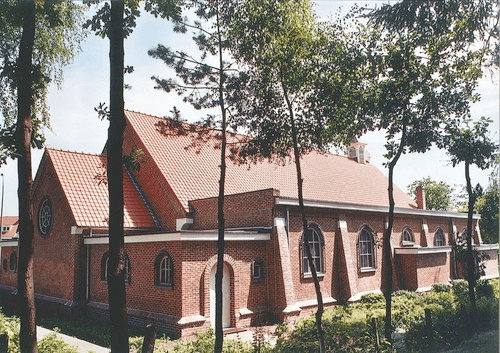
“An early memory takes place during Midnight Mass, 1944 in the Sint-Lambertus emergency church of the Houthalen estate Meulenberg. The tenor, mining engineer Lavallée, performed “Minuit Chrétien”. He was however awaited outside by the Gestapo. My mother drew the singer’s attention by whispering, and he understood her signal. After the song he fled through another exit and narrowly escaped his deportation.
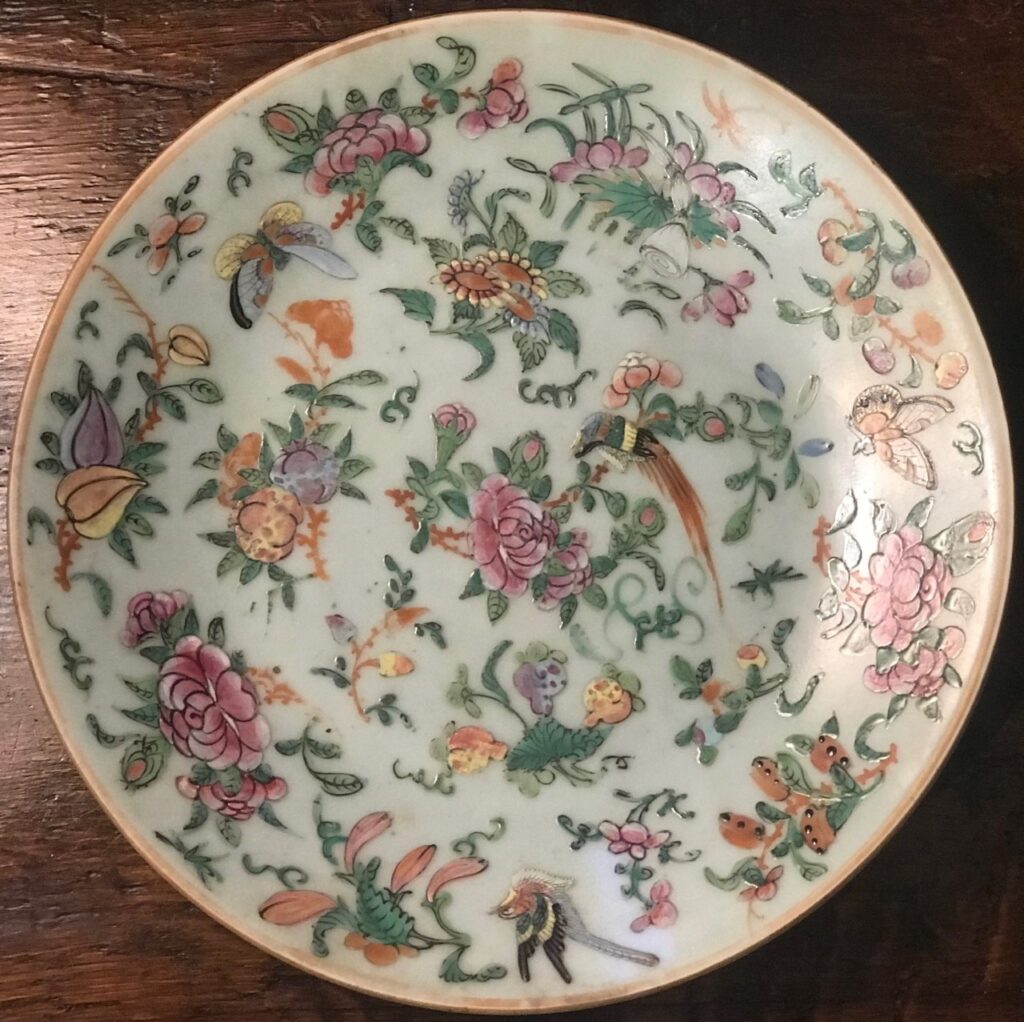
Afterwards Lavallée gratefully gave this antique Chinese plate.” – Mia
Mia talks about WWII (recording 2024)
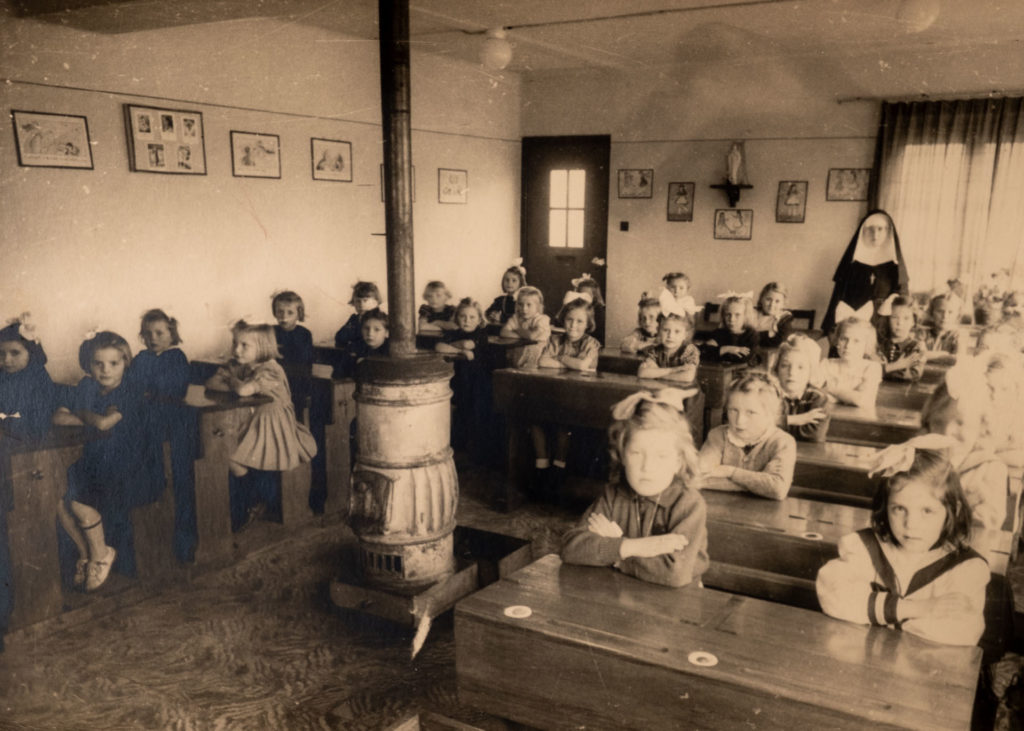
Mia sits at the back right of the sister in the nursery school of Meulenberg-Houthalen.
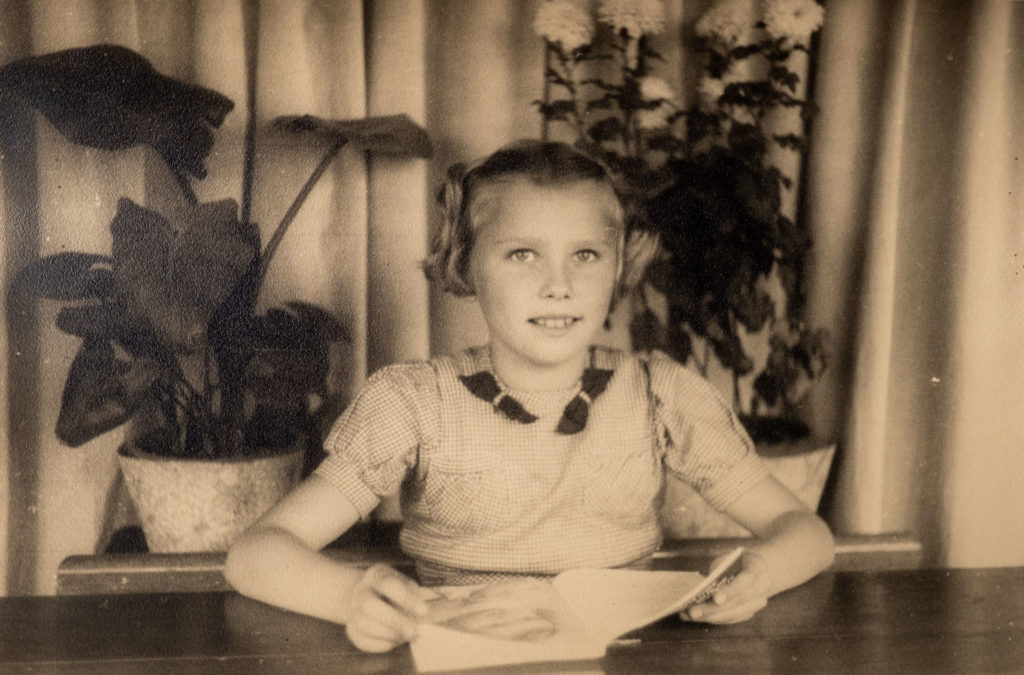
Mia Jamar
the notary apple
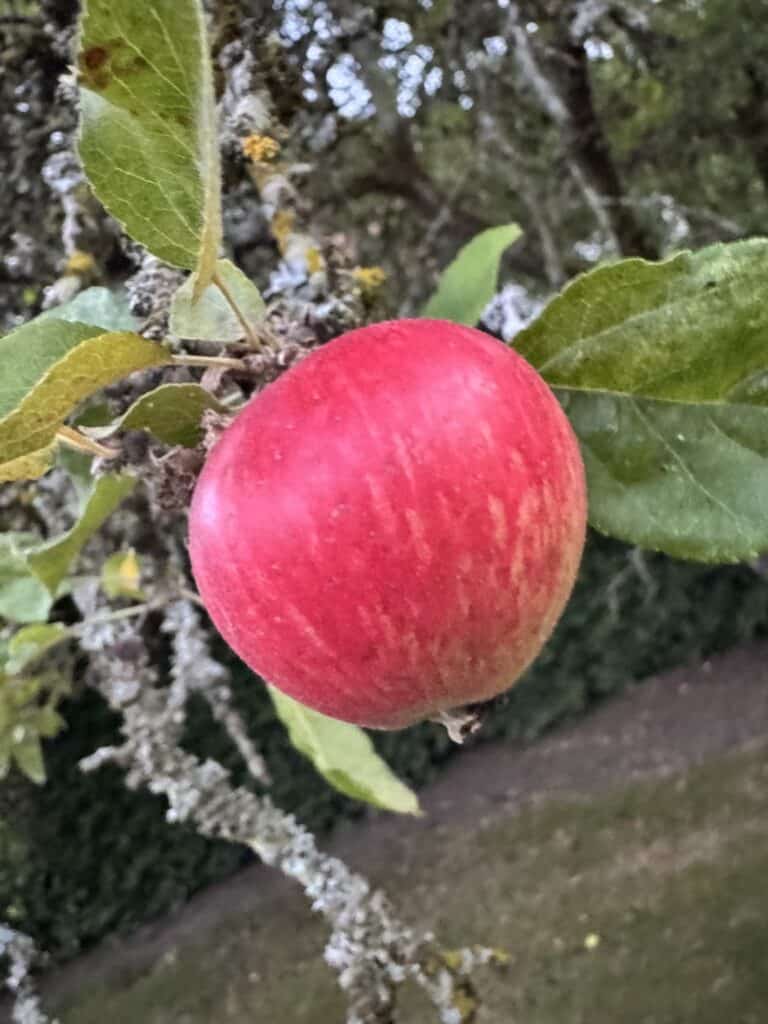
Malus domestica, notary apple, half-standard, slightly tart. In the Campine in the 19th century these apples – elegant, carefully grown and not cheap – were called “notary apples”. A status apple, then. Called ‘Rood-ster’ (red star) by Collette because you see a star when you cut it in half. “Ideal for people who don’t want to spend much, because you can keep them until Saint Nicholas.” – Colette
He comes, he comes… Sinterklaas sets foot ashore in Houthalen on 6 December. As tradition has it, the far-sighted good saint displays on Mia’s little desk apples associated with the man of standing and prosperity, ‘the notary’. This is not the first time that causes a conflict between Mia and the man with the mitre. “That made me so angry. Because of it I have never wanted to eat an apple in my whole life.” – Mia (2025)
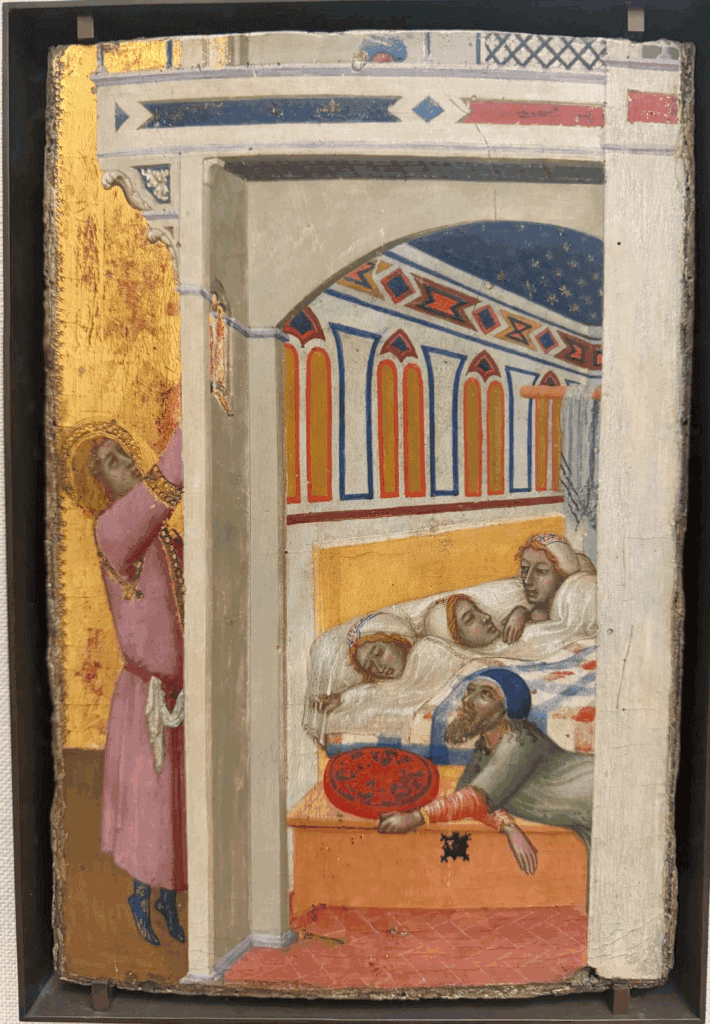
How the exclusive friend of children does not ring the doorbell but rolls golden balls through a window. An entirely individual version by the painter Lorenzetti. Legend has it that the poor daughters were able to marry thanks to wedding gifts from the saint. “La Charité de Saint Nicolas de Bari” – Ambrogio Lorenzetti – Painted on wood – c. 1330-1340 – This fragment shows Saint Nicholas throwing three golden balls through the window of a house where a poor father and his three daughters sleep. The painter is one of the first to attempt to depict architecture in perspective. (photo: Louvre, 2025)
Has the notary apple had its day? Not at all, Mia’s apple tree in Wolfsdonk sheds new light on the Campine notary apple.
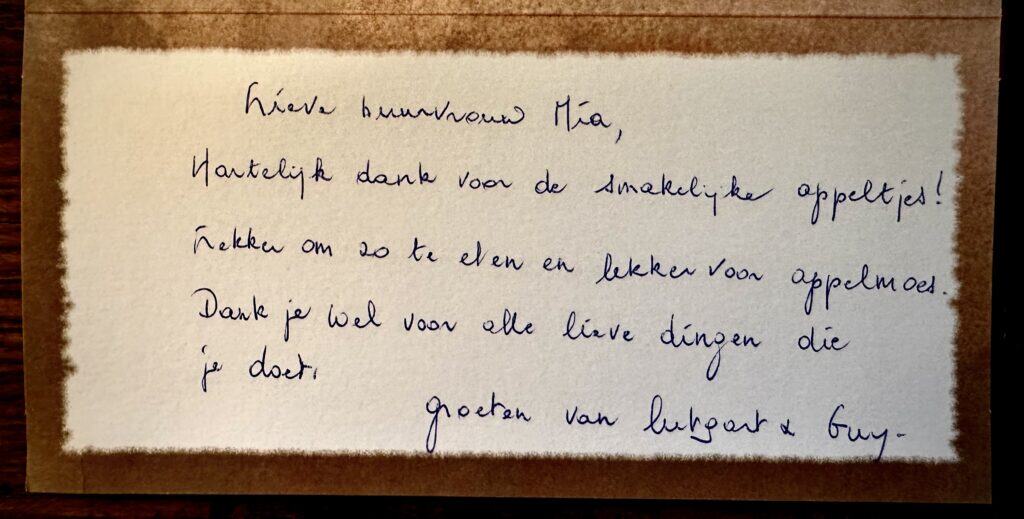
Mia harvests notary apples herself and then hands them out to villagers.
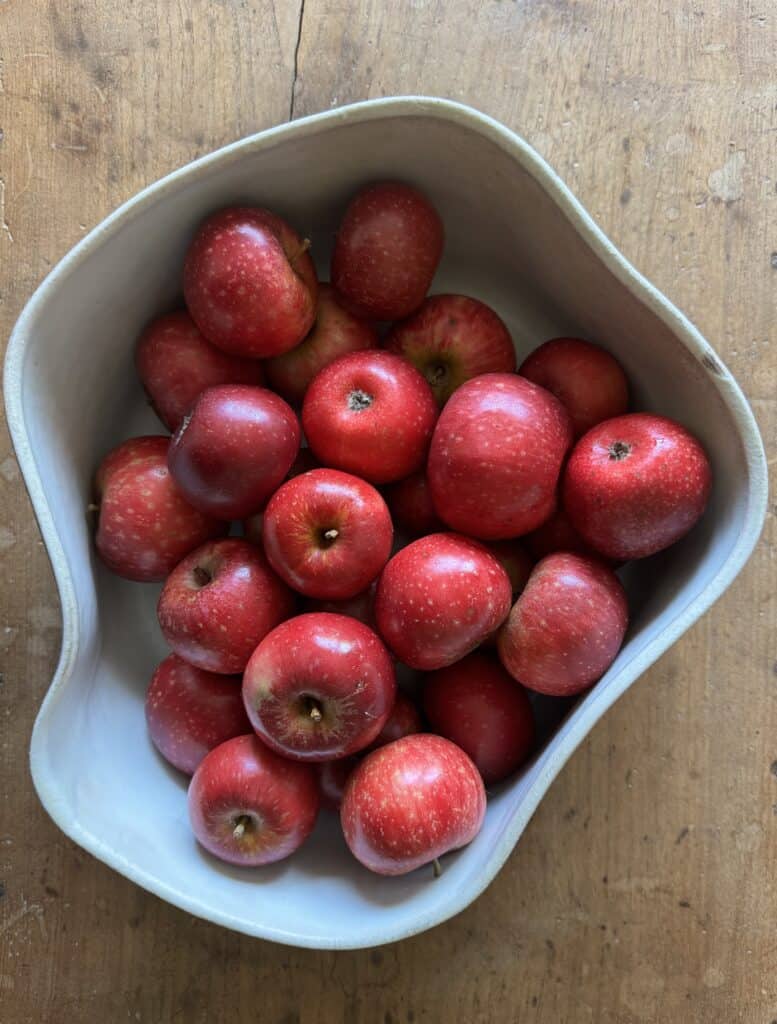
In Wolfsdonk the notary’s apples prove to be immensely popular and niche at the same time.
“Si tu ne goûtes jamais une pomme pourrie, tu ne sauras jamais apprécier une bonne.” – Il faut vivre pour comprendre la vie – proverbe turc
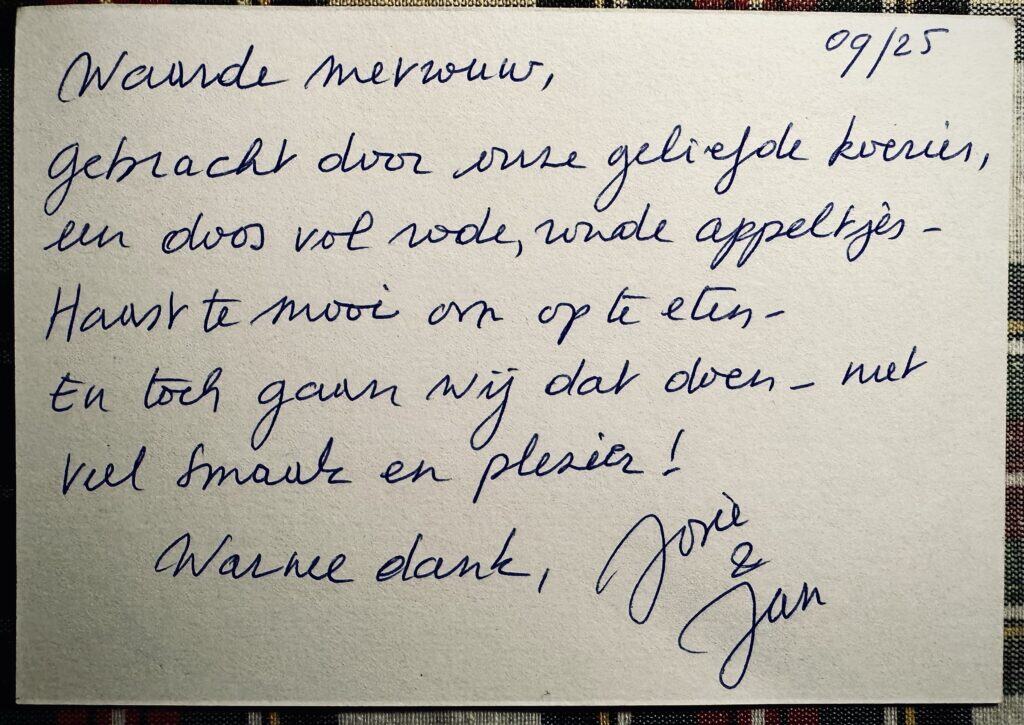
“Your mother, the châtelaine, is priceless. Reine de l’ironie!” – Josée
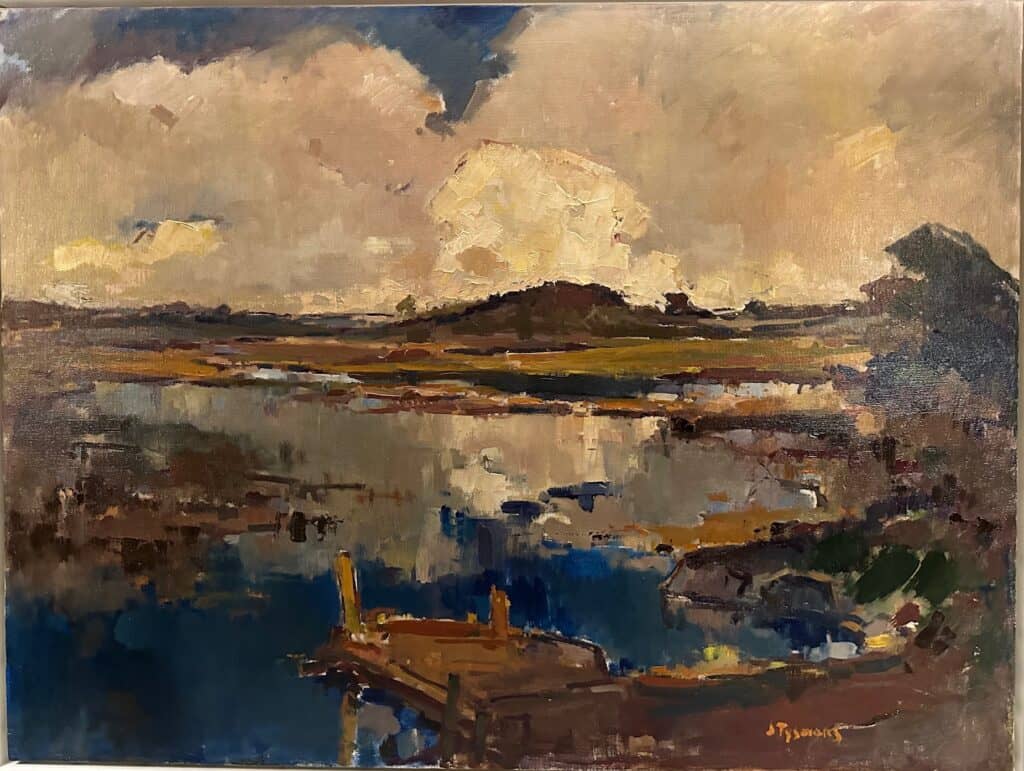
Park of Midden-Limburg – J. Tysmans – oil on canvas
“In the park of Midden-Limburg I learned to swim, without a swimming teacher but with lots of mosquitoes.” – Mia
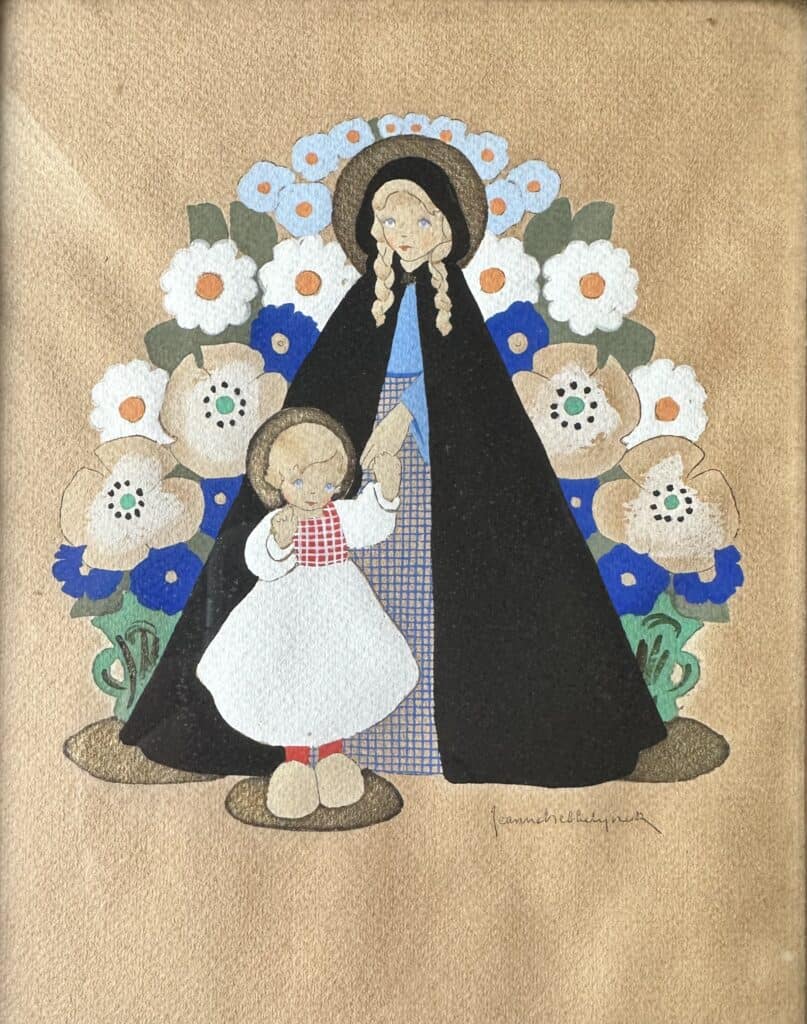
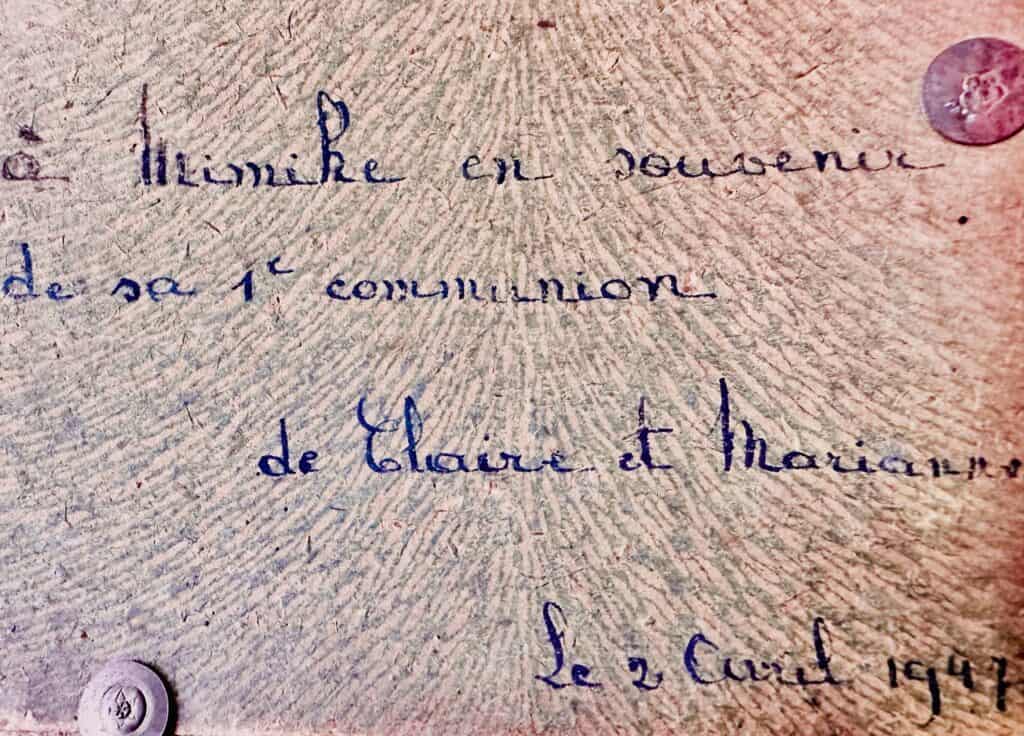
On the occasion of her First Communion Mimike received this hand-coloured devotional little artwork by Jeanne Hebbelynck (1891-1959)
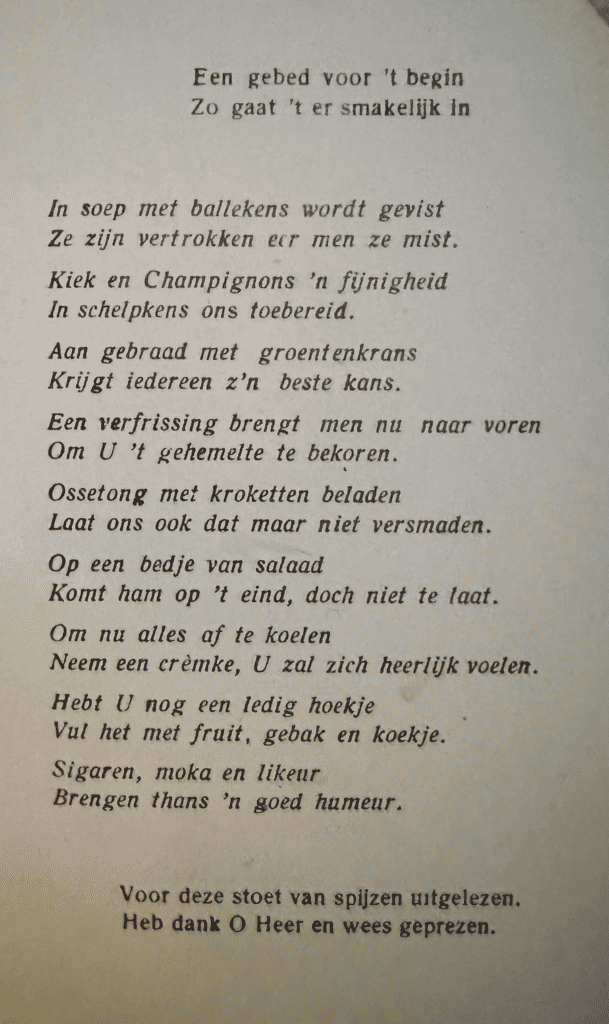
communion feast menu, Houthalen 27 April 1952
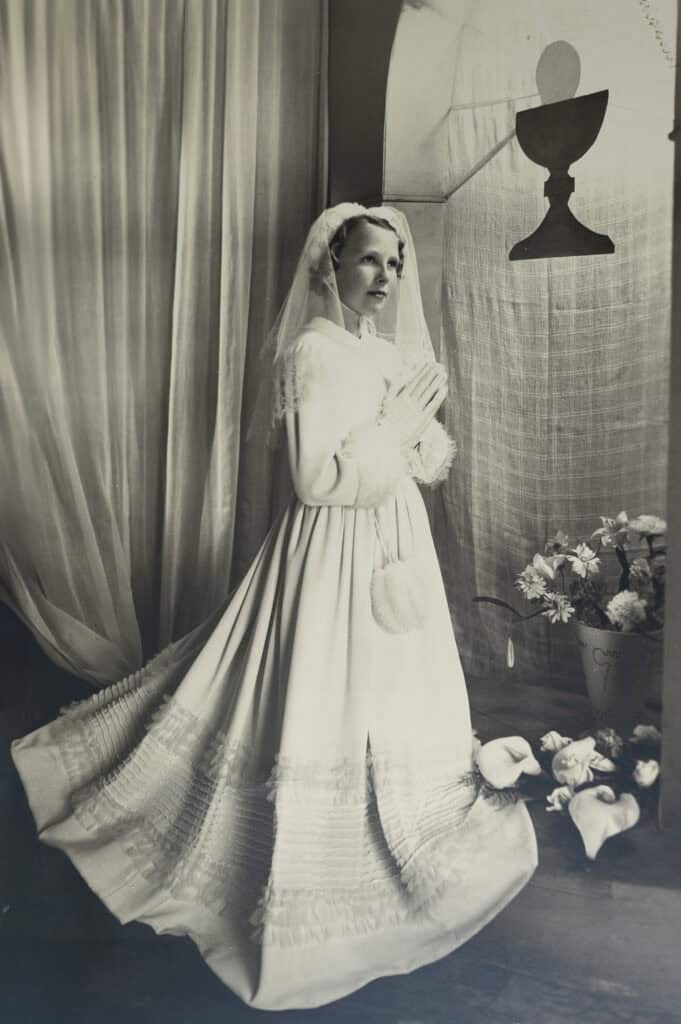
Maria Jamar
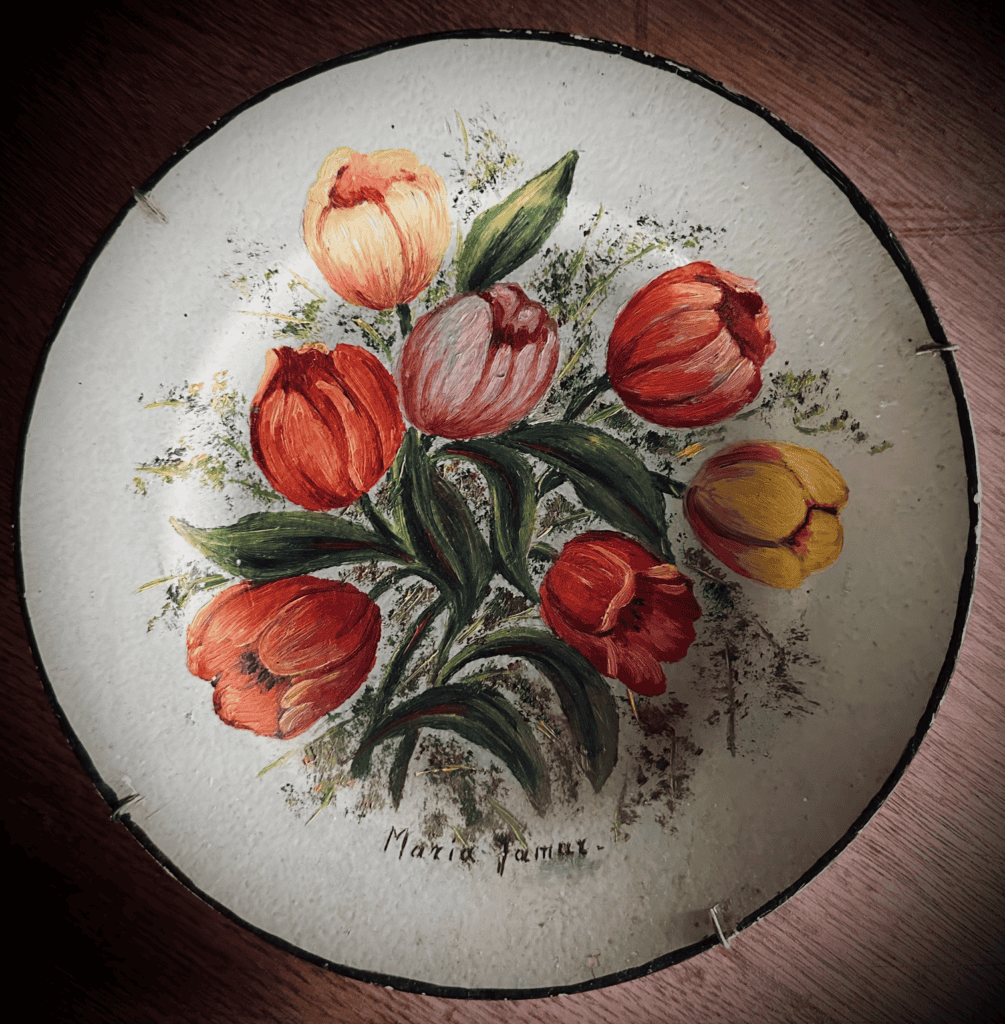
little plate by Mia’s own hand (1955)
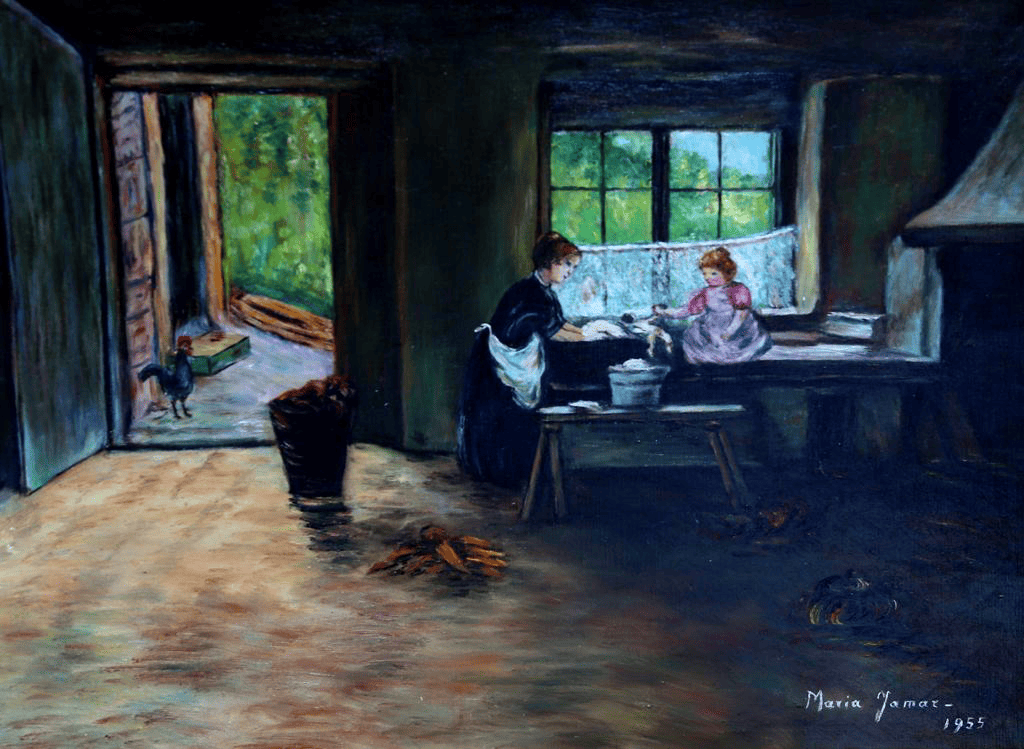
painting by Mia’s own hand (1955)
“The longest journey is the journey inwards.” – Dag Hammarskjöld (You can travel around the whole world. But the road to ‘How do I become a more reliable person myself?’ A road to self-knowledge and to growth and becoming whole.” – Sr. Rebecca)
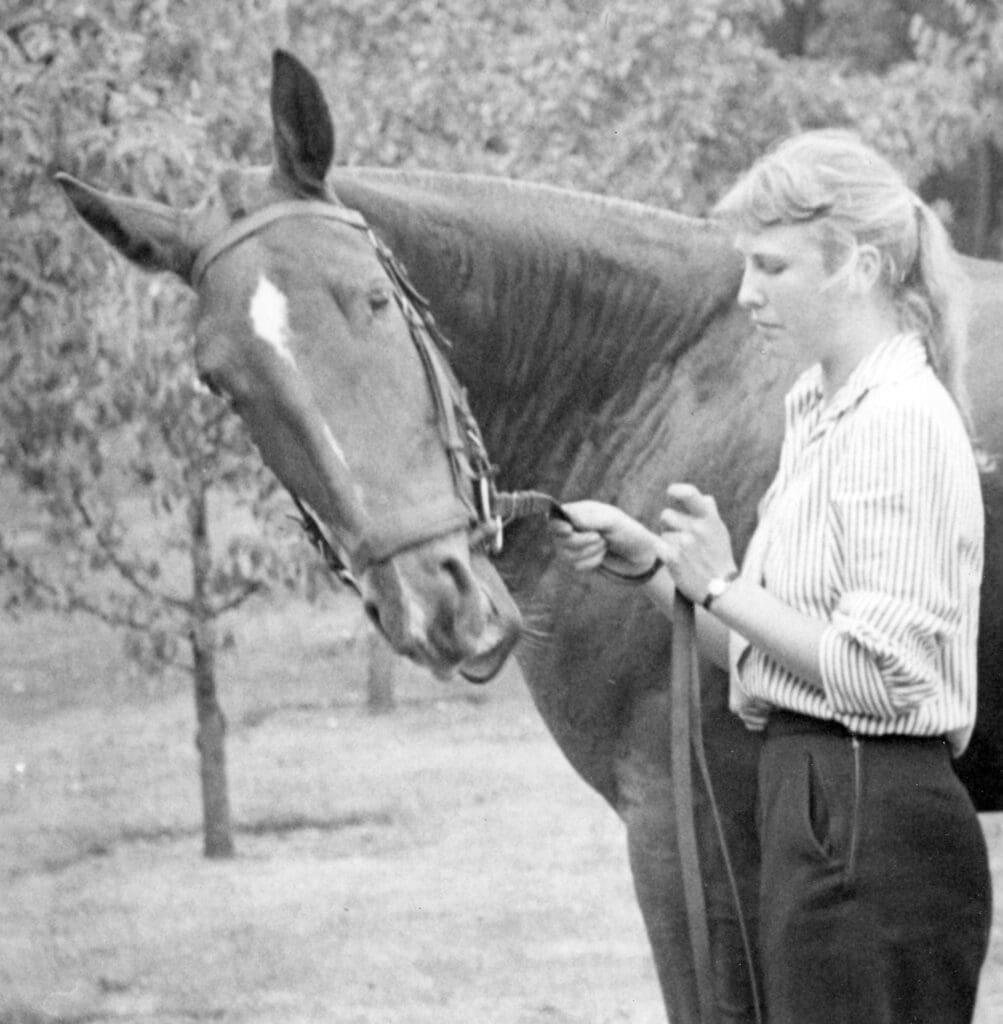
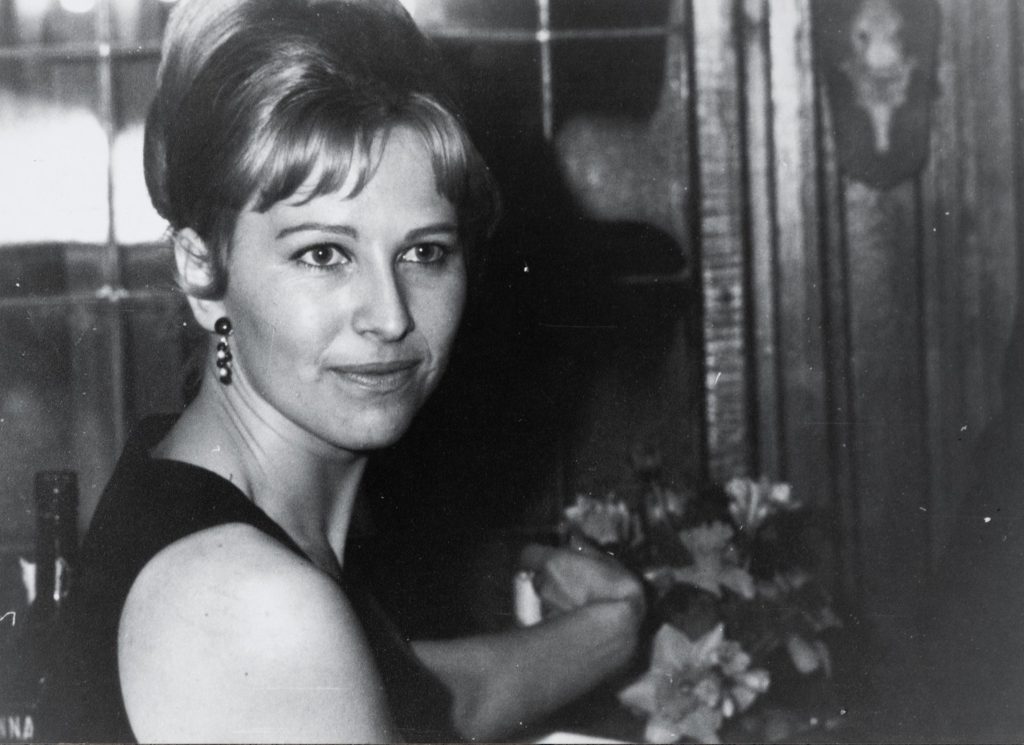
For Mia it is a matter of falling and getting up again with her husband’s life tasks: working, saving and praying. The in-law family is businesslike and cool, unlike her gentle and hospitable Limburg family. Mia does not dare to assert herself, wants to be found nice. Dropping in on the family in Aarschot is not simply done. A servant announces: “Madam has no time.” Or, to her horror, she is snapped at: “What have you come to do here?“. Whereupon the door is slammed in Mia’s face. The stunning beauty is the talk of the town. “You are better off with jealousy than with pity” – her father, her personal hero, consoles her; if he saw an elegant way out, he would most of all take his Mieke back with him to Houthalen. For a few years Mia keeps quiet, because she sees an authoritarian in-law family. But later her elephant skin grows a little thinner.
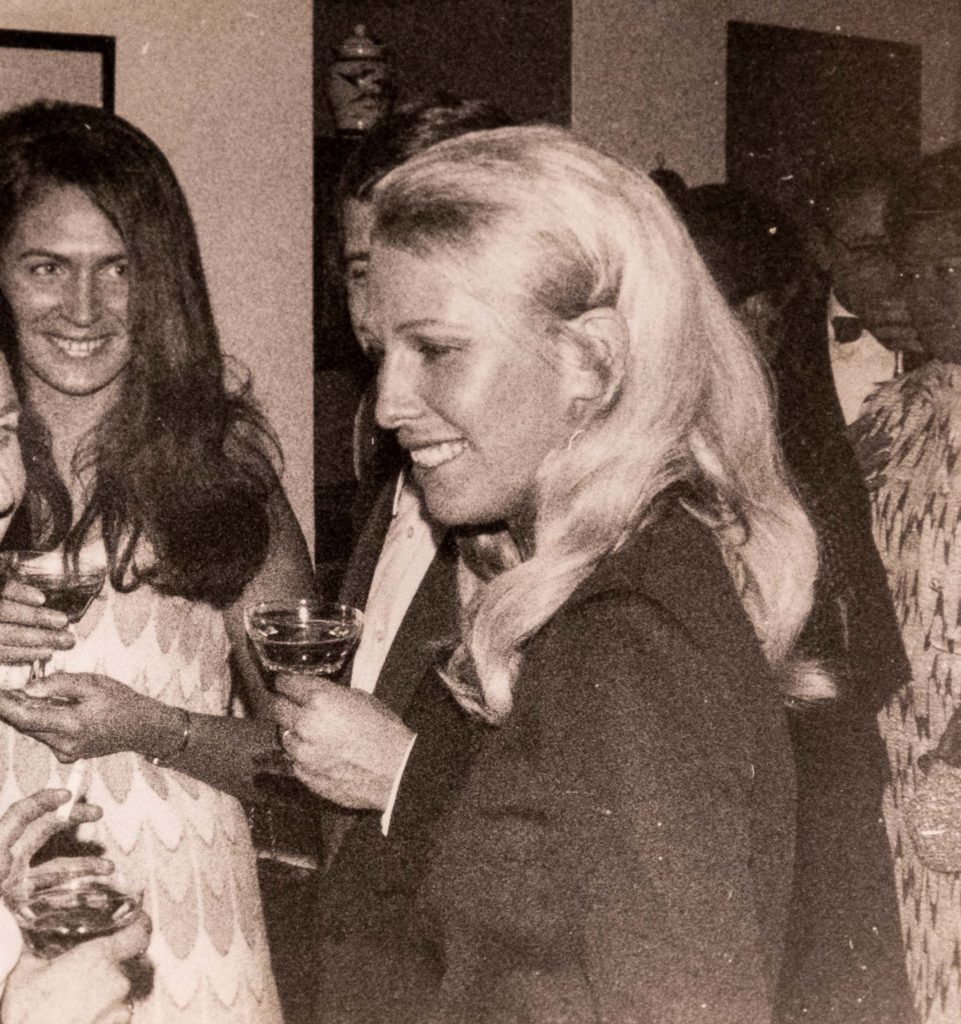
Party notary’s wife Mia is, in the Aarschot high-life circles, one of the fixed ingredients of a successful evening party.
Mia maintains a sumptuous lifestyle that makes some people’s eyes pop.
Like the little boy in the video clip, Pieter gazes after his mother, and she after him. With exaggerated helpfulness Pieter tries to attract his mother’s attention. Classmates claim now and then to be in love with his mum. A delightful moment for Pieter: On the Hoogbrug in Aarschot Pieter walks behind Mia and notices that a motorist is eyeing Mia with a little too much enthusiasm and then “sobered up” crashes into the car in front.
Tineke Sas: from nanny to Pieter’s support and mainstay for years.
And then Tineke Sas suddenly sent a WhatsApp:
…“Yes, that’s fun …and indeed your mum was and is a striking lady and when I was little I stared at her wide-eyed because I thought she had so much class, such good taste in everything … for me that was the example of elegance! I know I even went and bought her perfume ( by Estée Lauder ) to use too… . She was always chicly dressed, just like a fashion model. Her interior too was so tastefully arranged, as a child I loved babysitting at your place and above all staying over in that beautiful blue princess bedroom ✨👌 ! Your father would then explain at length how I would have to transport you (in blankets 😱) if a fire were to break out! Yes he was always ‘overprotective’ of you!
It was Aliage by Estée Lauder and Aromatics Elixir-Clinique. The house on the Elisabethlaan always smelled of these lovely scents! 🥰😁
And your mum drove a super elegant, magnificent cream-coloured Porsche that everyone turned to look at … also because she was in it 😉 !
And… she wore Courrèges clothes, to this day for me still linked to the memory of Mia!
You see, your mum was the 🤩most beautiful, most elegant woman of the Hageland! An icon 😉… of whom all the other women at the time were madly jealous ! (Except my mum)” – Christine Sas (2023)
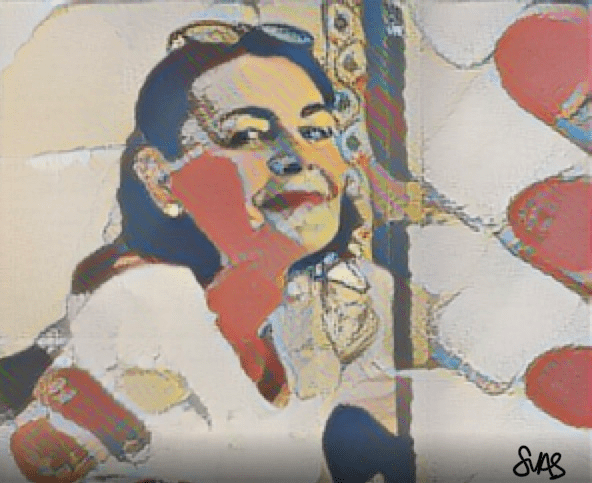
Christine Sas – self-portrait
“Quite right. Your mum was always unattainable for me. Doubly. As a woman and as a lady of the town. What a splendid description. Touching how your father wanted to have you rescued in case of fire. I can hear my father again.” – Josée Lehon – art historian
(1967) The largest department store fire of the 20th century was in Brussels and claimed 323 victims. Since this fire Godfried will always check, in large complexes such as hotels or cinemas, how to escape in case of fire.
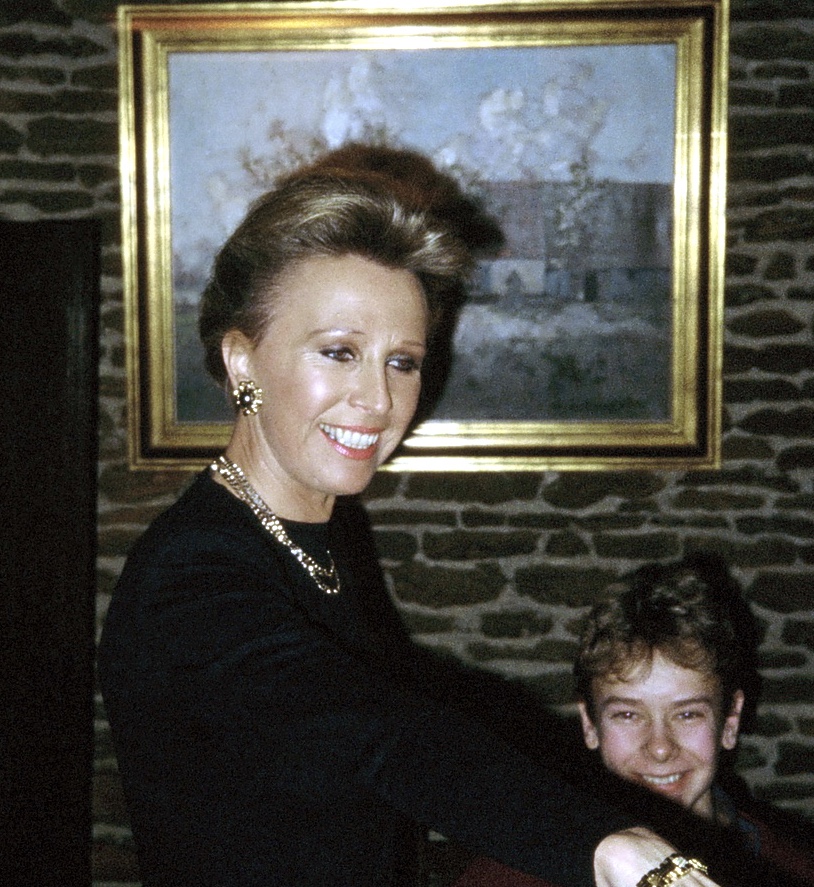
Mia and Gert (photo: 1987)
Falling back on old-fashioned habits and views, such as the woman’s role at the hearth, are no option for Mia, so things sometimes crackle indoors. Frie loves Aarschot and the countryside. Mia the big city and shopping.
L’élégance n’a pas d’âge
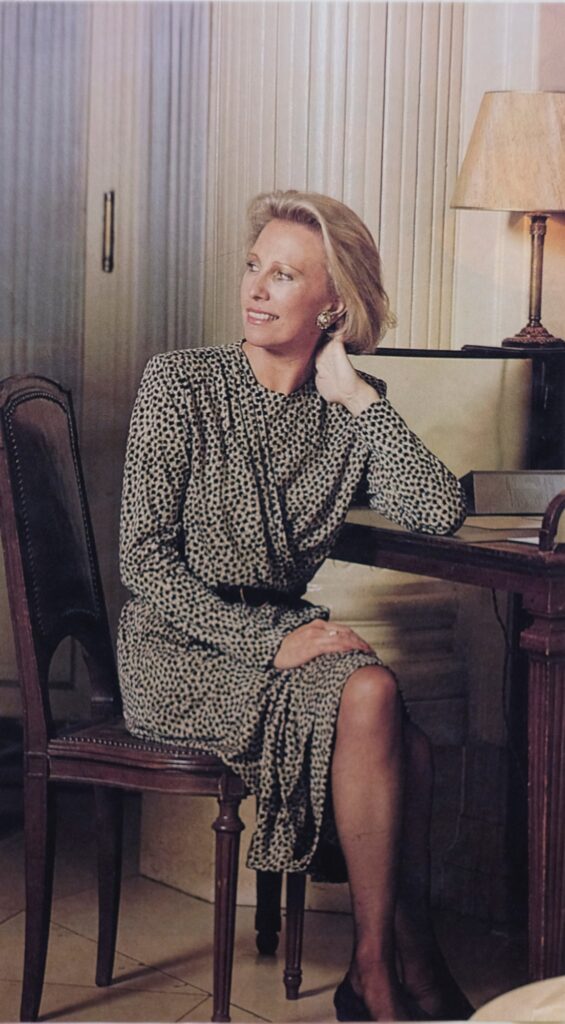
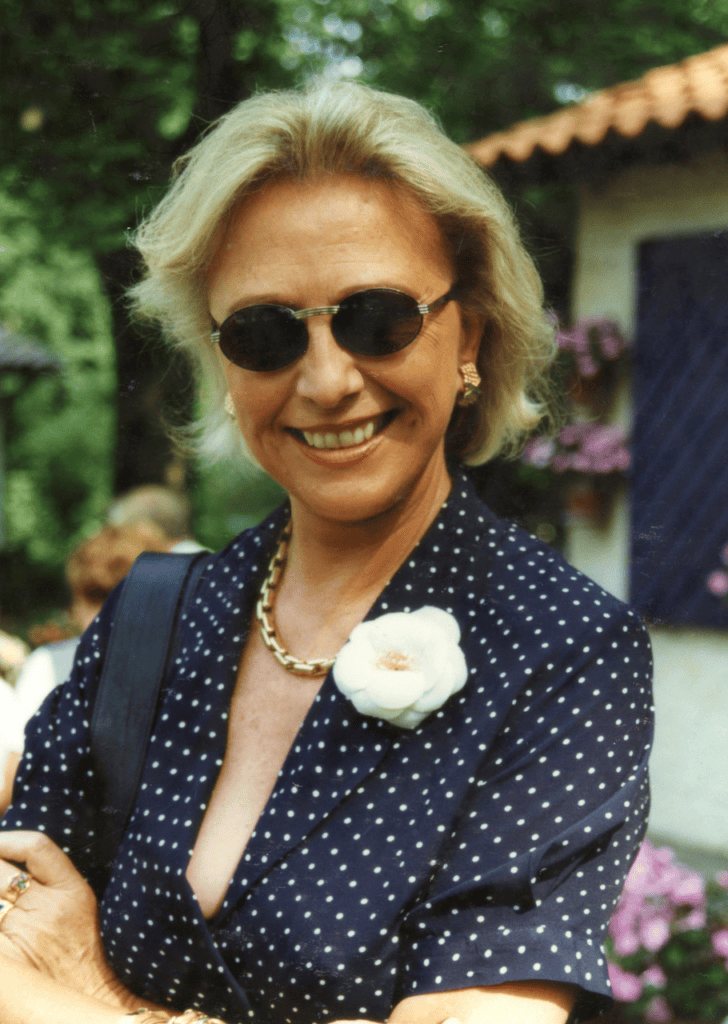
In her later years Mia takes part in and wins a beauty contest (photo: Brussels – Astoria Hotel – 1989)
In this photo Mia wears a dress from a collection chosen for her. The organisation lets the finalists choose from a wardrobe how they want to appear before the jury. When it is Mia’s turn it turns out that another finalist has hidden the dresses Mia had chosen. Mia has to go and explain it to a bewildered jury.
The BRT radio of the time listened to the voice of 50+ Mia, which sounds anything but worn.
…The selection was tough. Those who are here have, in any case, already won a success of personality, charm and presence. … …The Winner. 49 years old, a luminous smile, a lot of sparkle, very pretty, what more can one say? “Why did I take part? It was my children who pushed me into it. They thought I had a chance. I have a rather monotonous life, I came to meet people. My husband is married to his job, and right now he is away on business. My children are 17, 20 and 22, they will be leaving soon, that is why I took part.” Mia Jamar lives in the Averbode area, but she speaks French perfectly having studied in Brussels. The winners were warmly applauded. They represent that age group in which youth is moving away without yet disappearing, and prove, with great simplicity, that seniors too can have the figure and sparkle of a model. – Marthe Englebert, LA LIBRE BELGIQUE – 30 June 1989
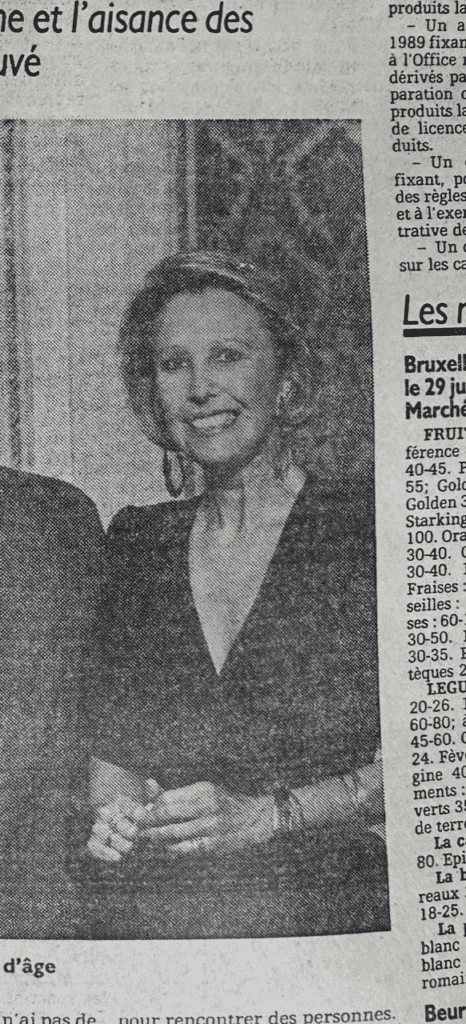
The entry form for the contest is sent in by Pieter. A newspaper reports on Mia’s monotonous existence with a travelling businessman. Frie reacts grumpily to this action. (1989)
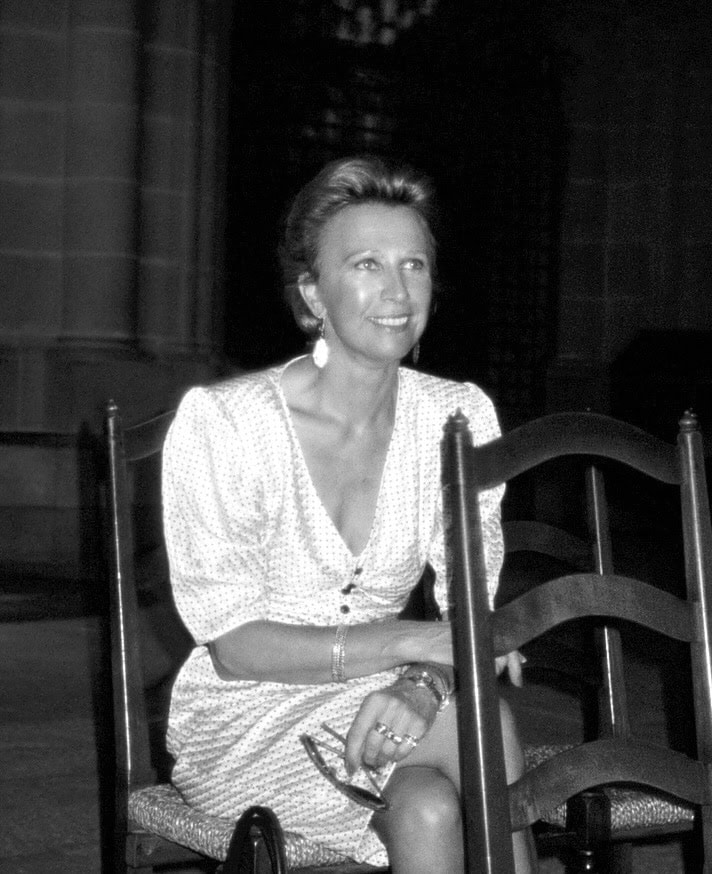
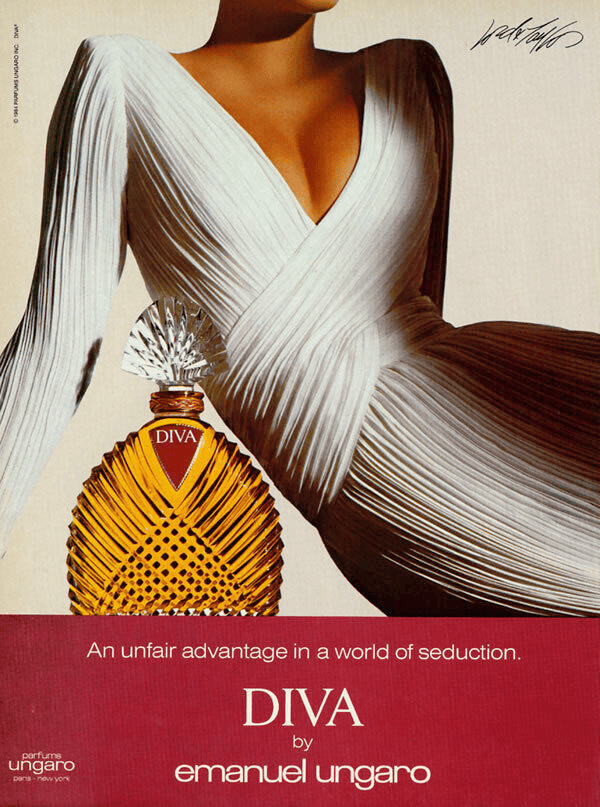
In the picture. Mia takes Emanuel Ungaro out of the wardrobe during a visit to Lausanne.
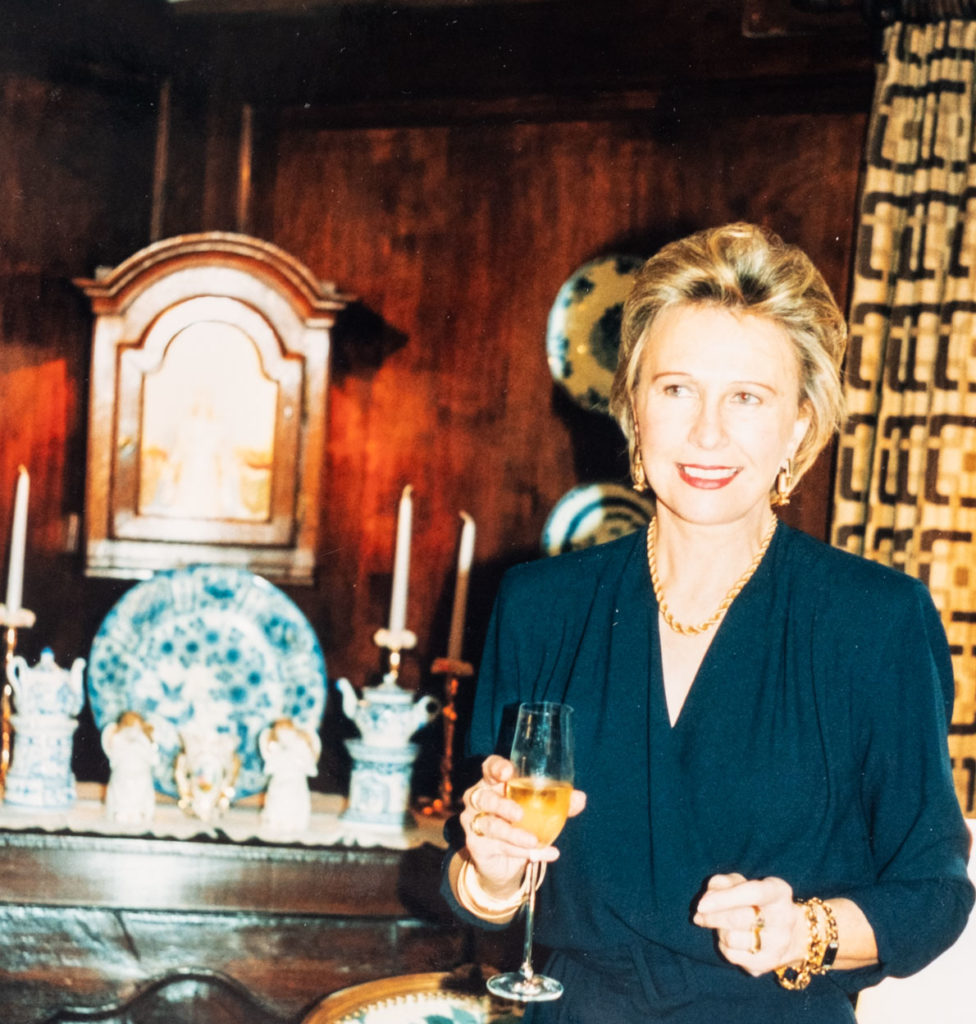
On Friday 2 February Mia turns fifty and in May she has been married for twenty-eight years. From a distance Mia may seem a little hard and arrogant. But if notary Frie is hip and popular, then that is above all thanks to her.
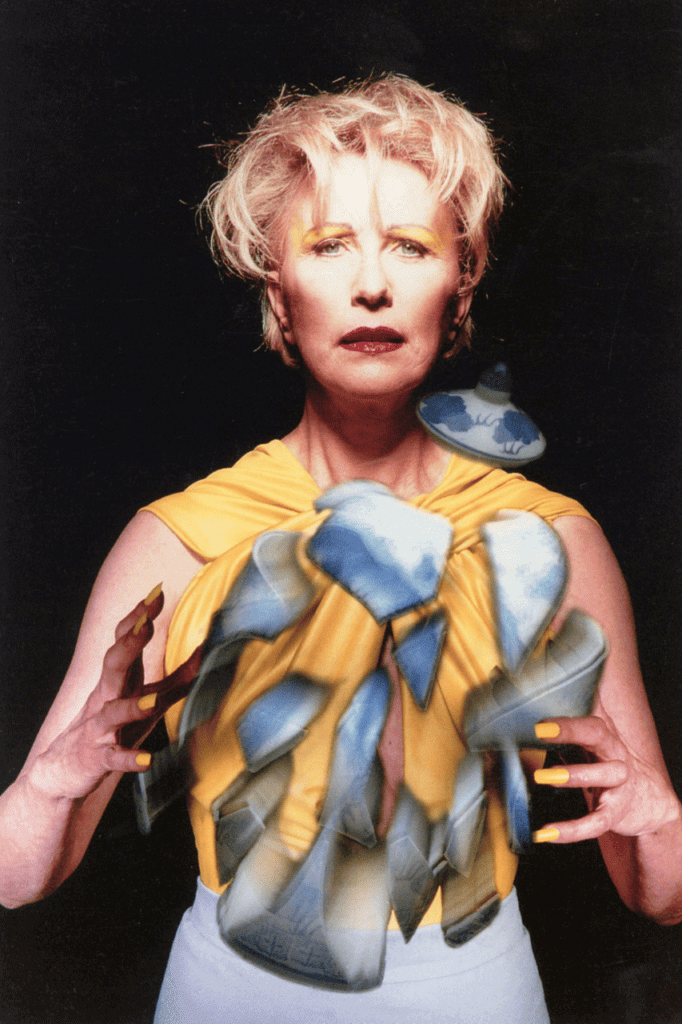
“Like a bull in a China-Shop” – Koninklijke Academie voor Schone Kunsten Antwerpen – by Frederik Willems, originally from Langdorp, Pieter’s childhood friend (photo: atmospheric image 68x47cm 1988)
“I graduated from the Fashion Academy Antwerp in 1998. The inspiration for the collection came from a trip to China that I made in 1996 with my father. I learned a lot then about the last emperor Pu Yi and his obsession with the old traditional China and the Western world. The film “The Last Emperor” also explains this well and is a lovely feast for the eyes.
When Pu Yi was emperor in exile under Japan, he and his wife dressed in an unconventional way (Western luxury and old Chinese costumes).
In addition came my other inspiration, the 1980s and the era of “power dressing”. It seemed good to me to work the decadence and glamour of those years into the collection as well.
The idea of working with your mum came from the grandmother of Pu Yi, a magnificent and very strong woman who was nostalgic because as a woman she had no political or social standing. Your mum has always inspired me as an “independent lady” who was proud to be a woman and to make her voice heard. (that contest she won at 50).
The collection had a lot of yellow silk jersey and also leopard print (a signal of the 1980s).” – Frederik Willems, Senior Lecturer and Course Director of MBA International Fashion Management Conventry University (2023)
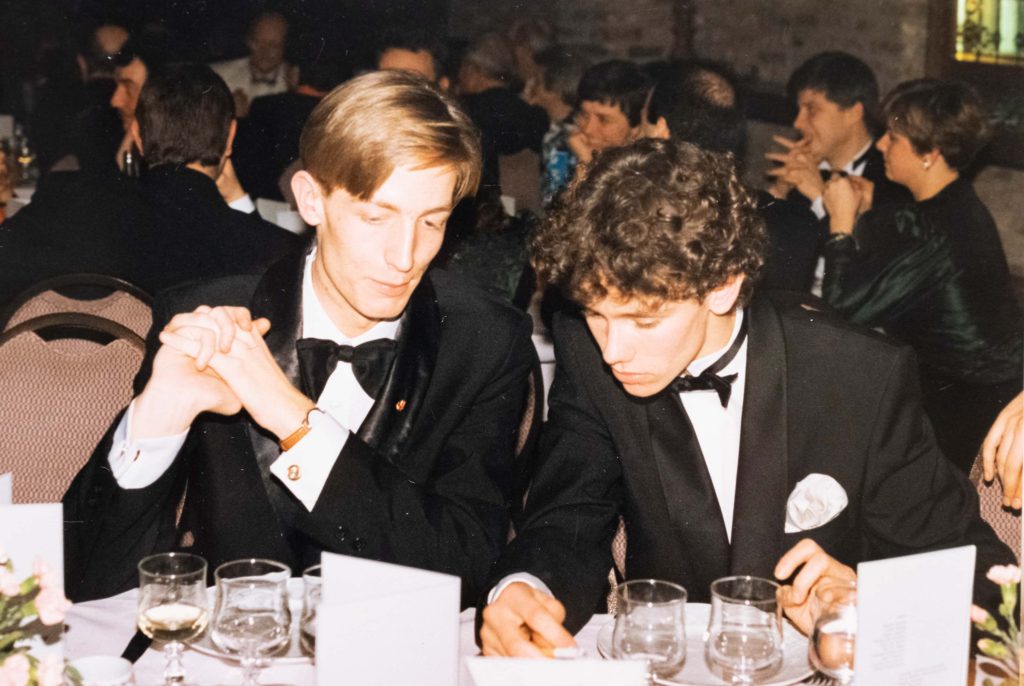
Frederik and Pieter (photo: 1992)
SAG MIR WO DIE BLUMEN SIND
(around 1995) Mia unexpectedly and suddenly reinvents herself: glamour and fashion are swapped for gardening, cooking and baking.
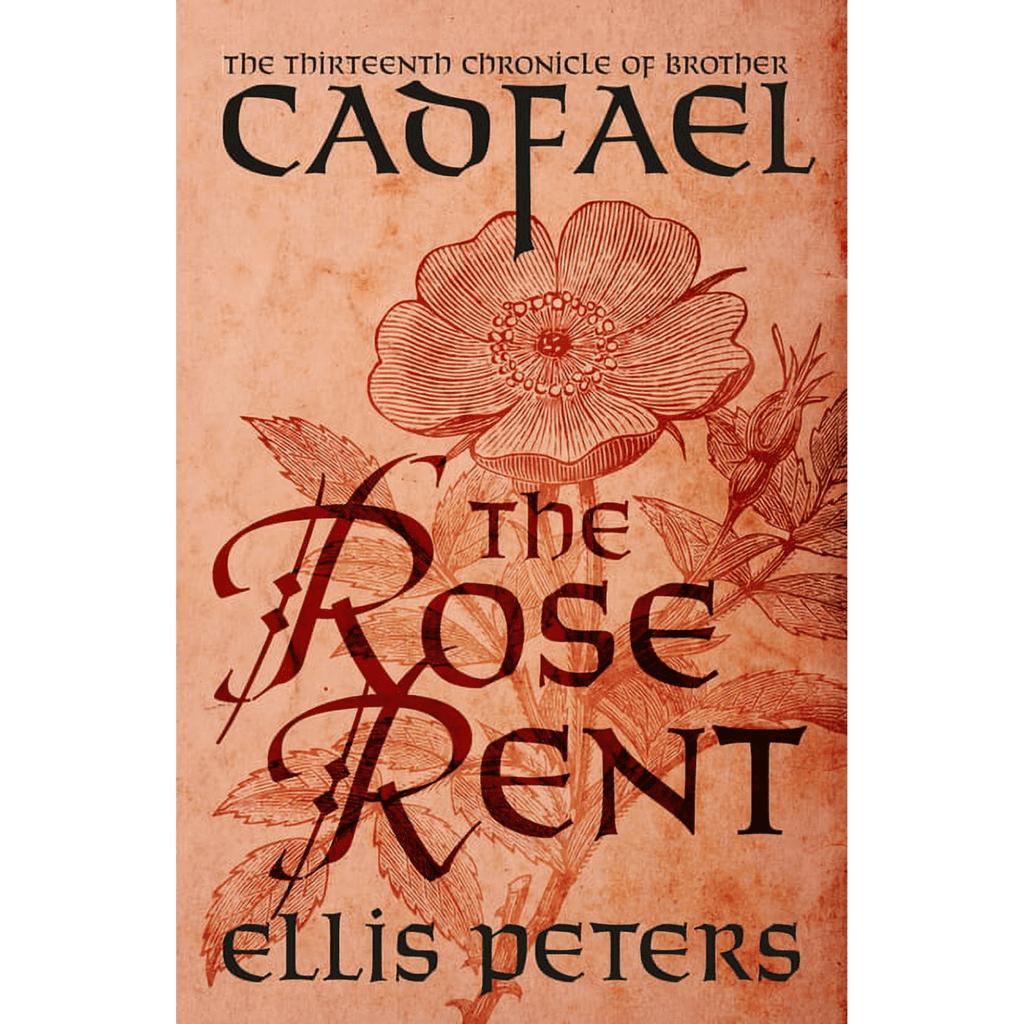
The book about a talented Benedictine and herbalist Cadfael who lived in seclusion in the 12th century becomes a ‘pivotal moment’ in Mia’s life. Time to (re)create the garden, inspired by that of Shrewsbury Abbey.
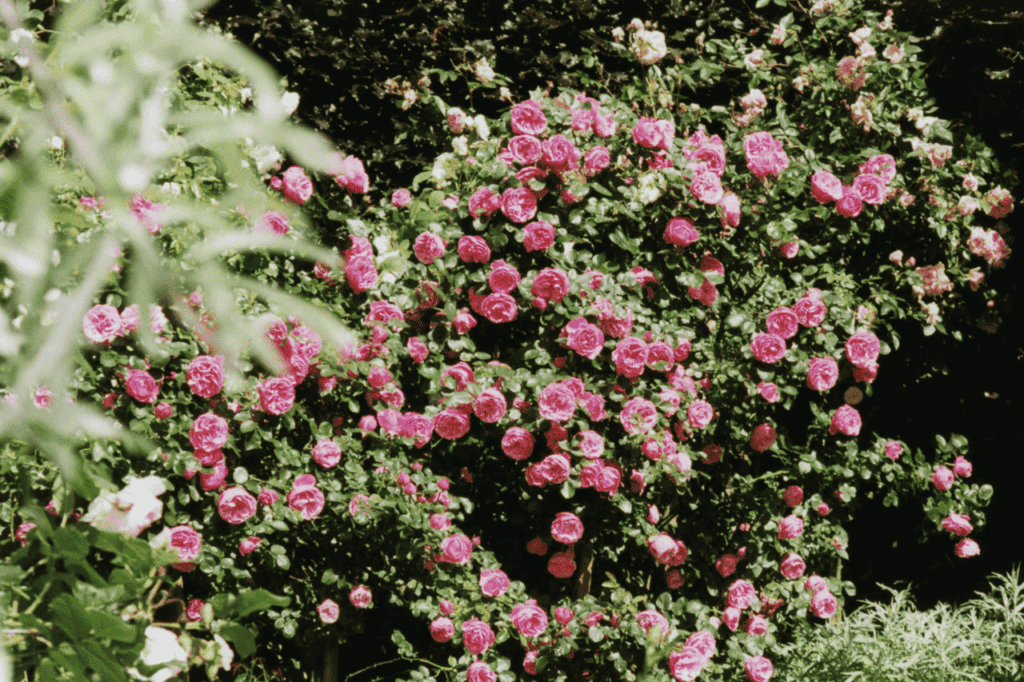
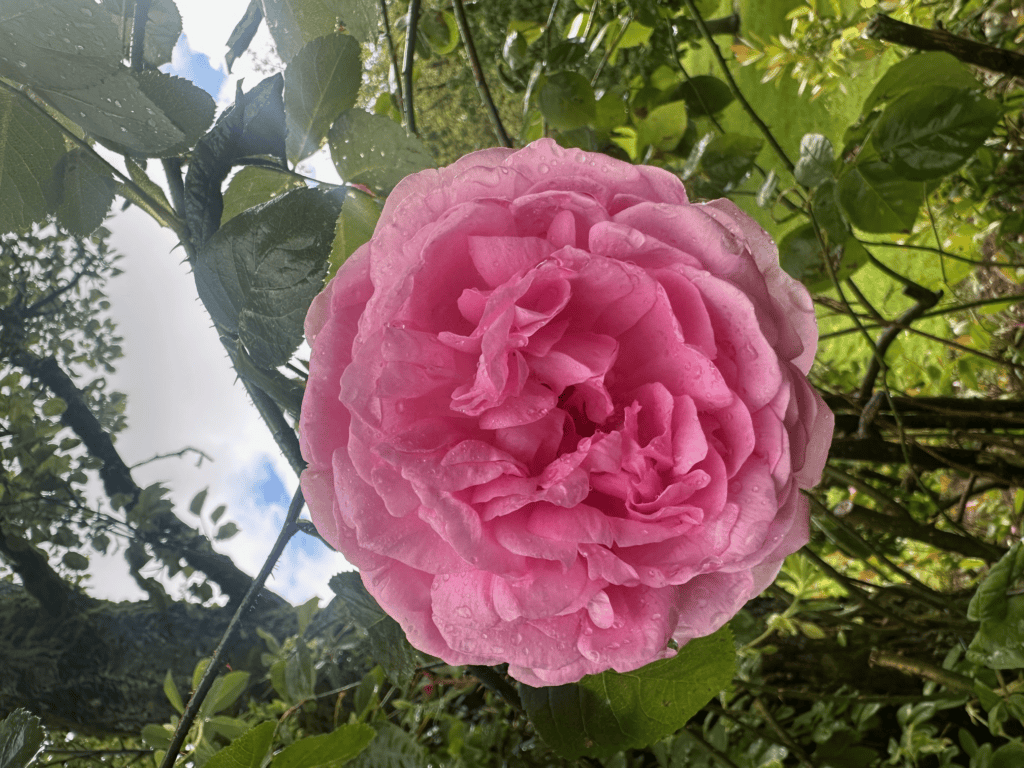
Mia plants a deliciously scented, thornless English rose bush ‘Brother Cadfael’. (photo: Wolfsdonk 1999)
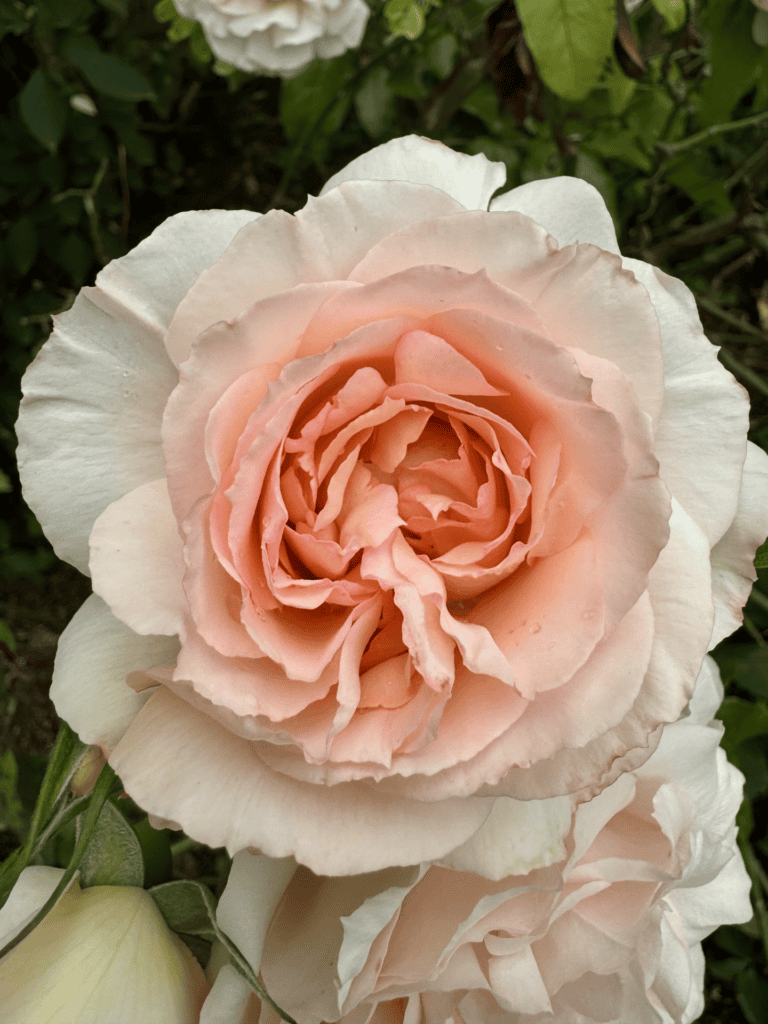
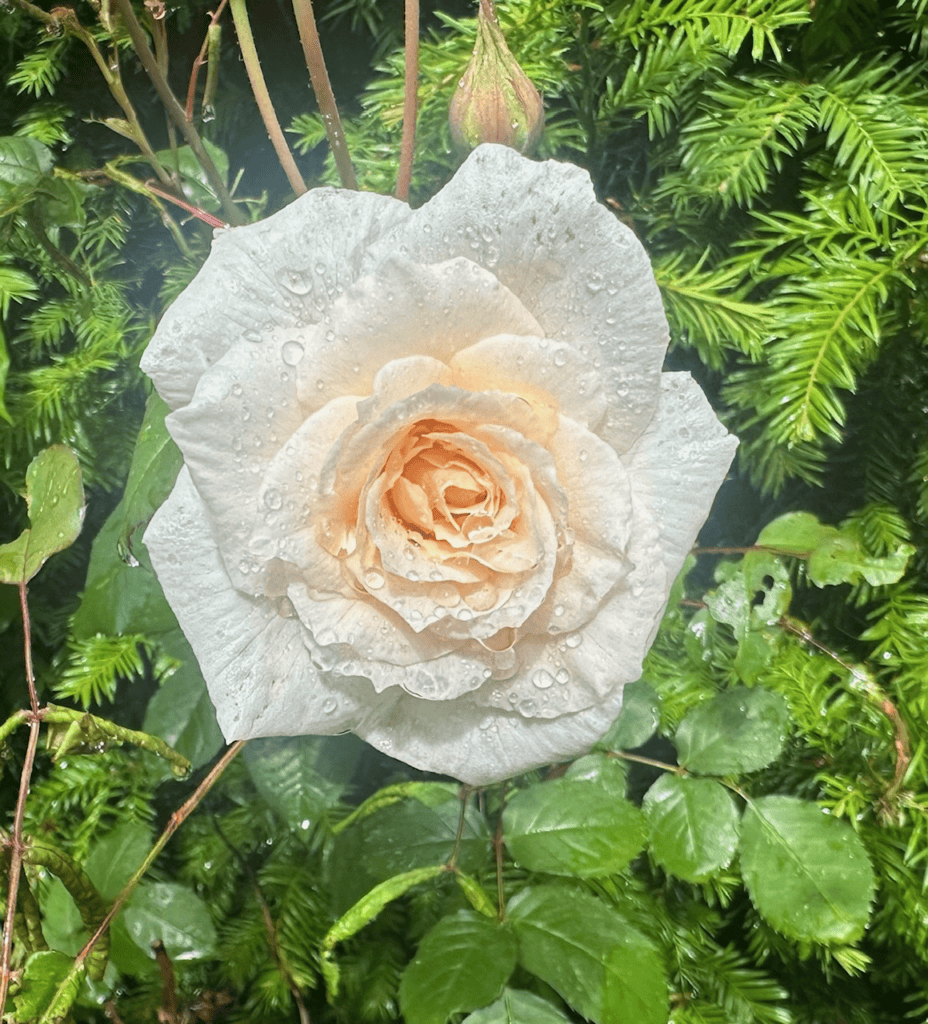
The ‘Marie Antoinette’ roses are expressive and smell aromatic and strong. Their blooms are not only dreamily beautiful but also weatherproof and long-lasting. The special feature of this rose is its brilliance of colour. The blooms shimmer apricot in the centre and are ivory at the edge. For this reason the ‘Marie Antoinette’ rose is among the most beautiful pastel varieties. (photo: Pieter, 2024)
A stylish route of iron Mia on her country estate the Steenheuvels.
When Mia starts gardening, she maps the historic roses of the Steenheuvels in her garden notebook with passionate attention and devotion. Enthusiast Mia talks lyrically about old roses with their romantic full blooms and delightful scent. Mia meets Countess Nanda d’Ursel and buys her book “Rozen uit de Tuinen van Hex” with watercolours of the most beautiful varieties. She attends garden days every year. Besides the common names of flowers, Mia readily adopts the Latin names of plants. That Latin has a clear advantage. When Mia buys a Hydrangea arorescens ‘Annabelle’ in England, she gets exactly the same plant as when she looks for this hydrangea in the Netherlands. “I only buy my flowers and plants here in the area now. I no longer go to England or the Netherlands. I no longer want those Dutch to earn anything from me.” – Mia (2025)
Gardening has a positive effect on health. Mia likes to live with the seasons and effectively grows vegetables, fruit and herbs. When it is time to harvest, Mia enjoys what she has grown. The tasty crops are handed out to family members and her neighbours. Apples, cherry tomatoes, lettuce, etc. . (photo: Wolfsdonk, 2024)
The châtelaine of Wolfsdonk wants to go back to nature
“Merci pour les roses et merci pour les épines. La vie n’est pas une fête perpétuelle, c’est une vallée de larmes. Mais c’est aussi une vallée de roses. Si vous parlez des larmes, il ne faut pas oublier les roses et si vous parlez des roses, il ne faut pas oublier les larmes.” – Jean d’Ormesson (1925-2017)
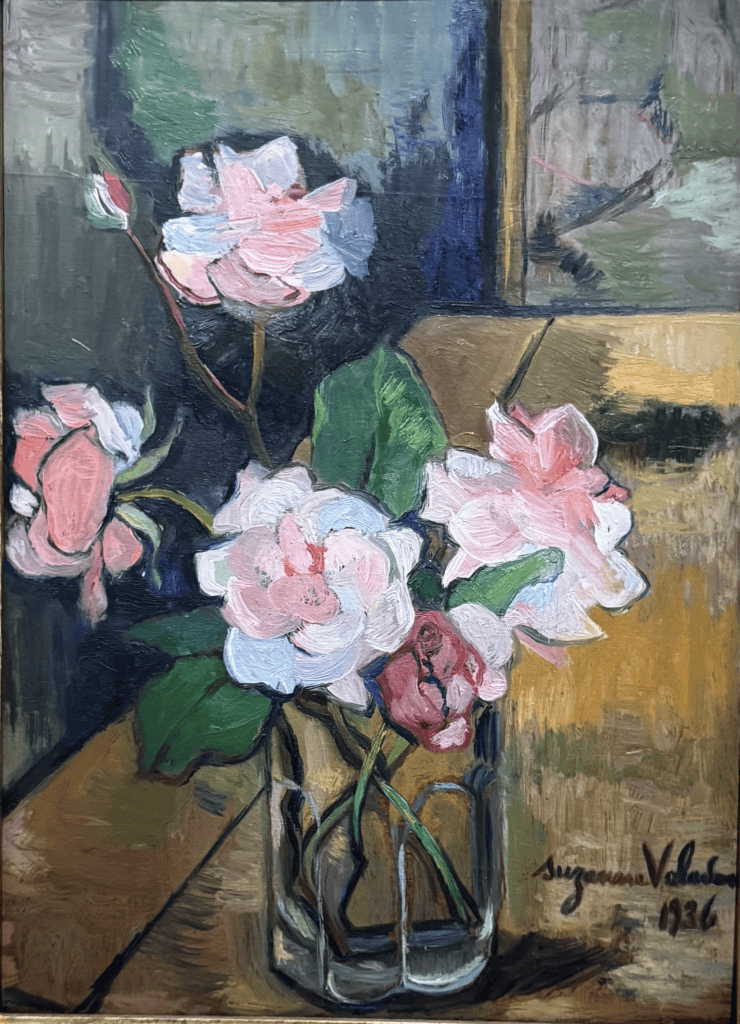
Bouquet of roses – 1936 – oil on panel – Suzanne Valadon (1865-1938)
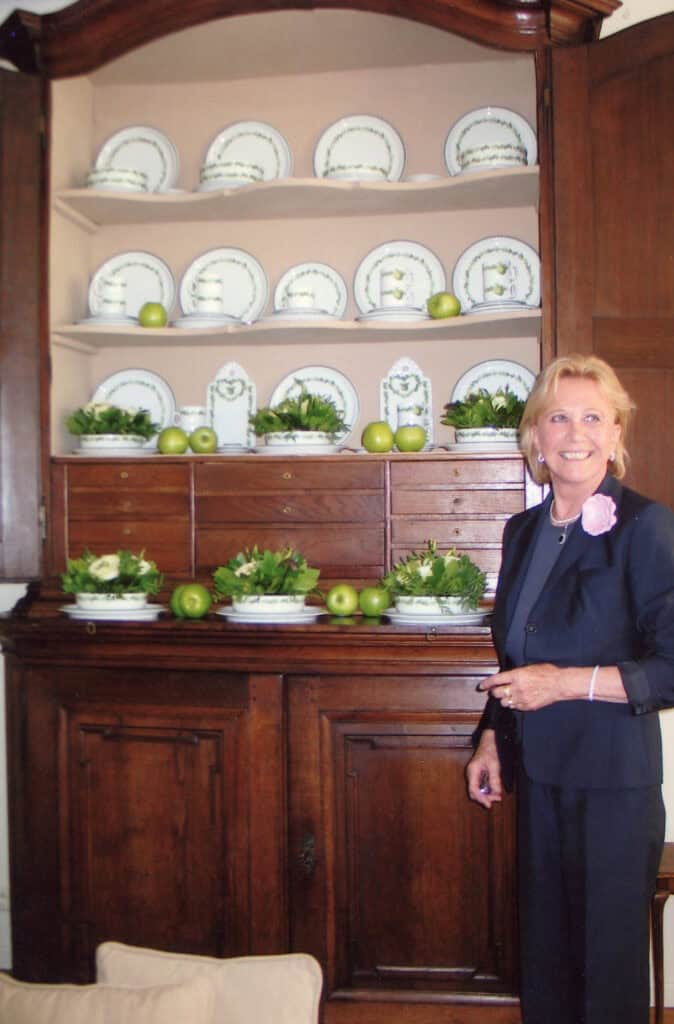
“Impossible de vous dire mon âge, il change tout le temps!” – Alphonse Allais
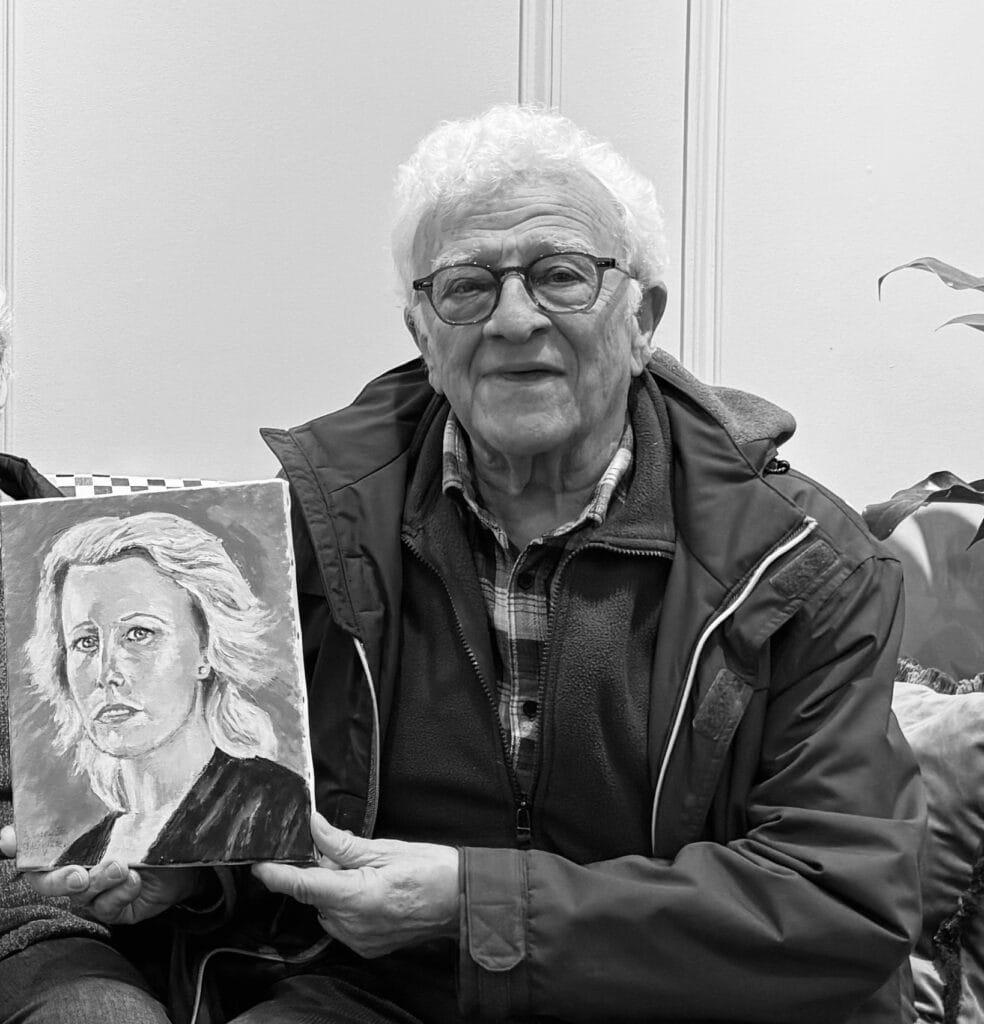
Below you see a portrait of the châtelaine de Wolfsdonk. What on earth happened to her face?
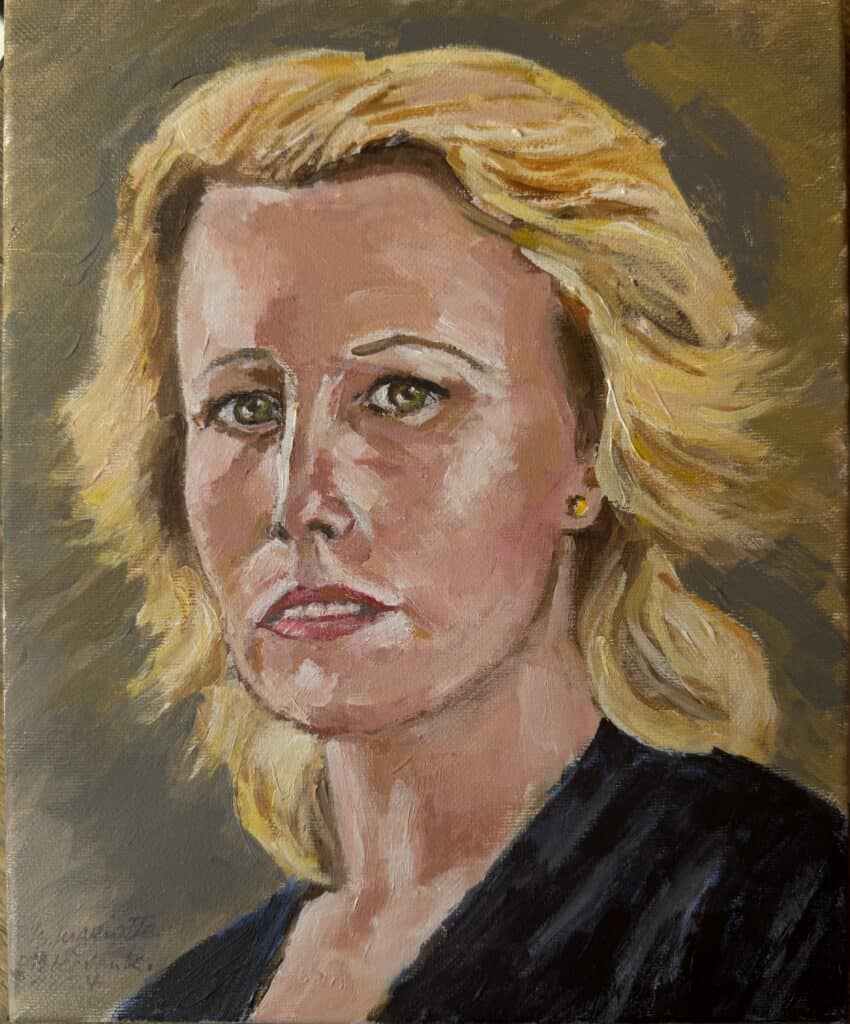
portrait of Mia by Benoît M (Paris, 2025)
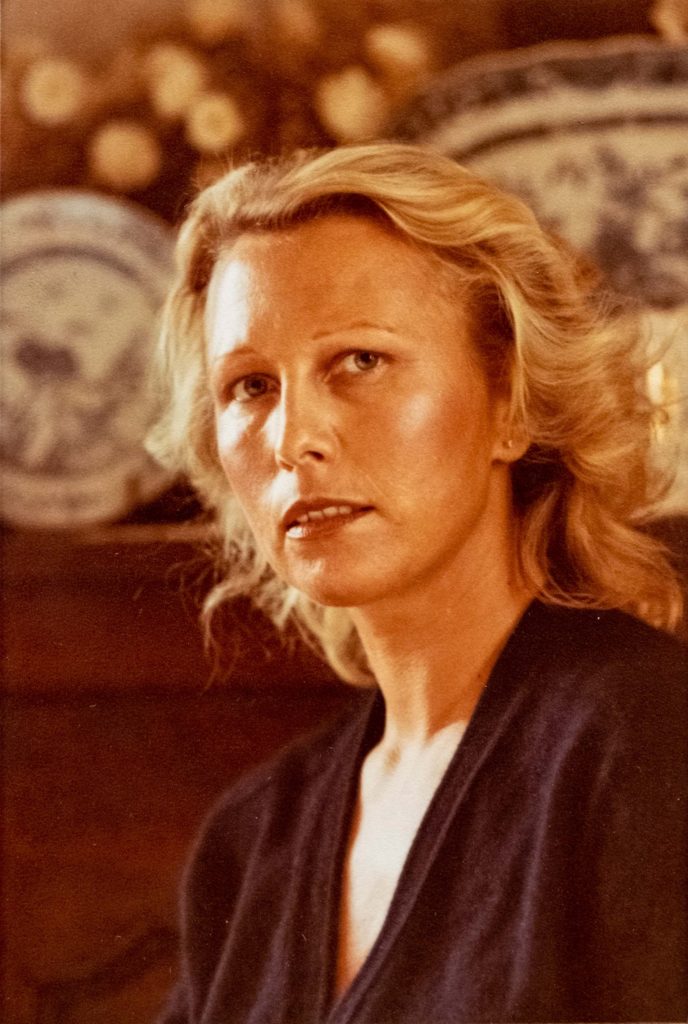
“Tender message from la châtelaine… and so spontaneous…” – Josée Lehon
“Your mum is the Brigitte Bardot of Aarschot.” – Kiki Didden
XVI Clément and Colette >>>